Tue, 27 Feb 2018
Tags: Wildlife

Whirling Disease Update

Whirling disease sampling


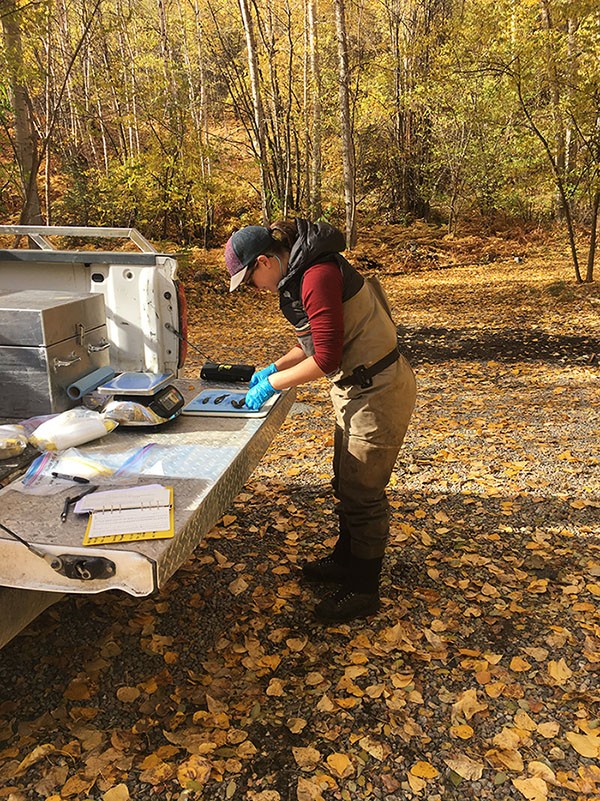
Last April, HCTF, FFSBC and the Province of British Columbia provided funding to hire a coordinator to lead the province’s efforts in preventing Whirling Disease from entering BC. Stephanie Whyte and her team sampled over 880 fish in the Columbia Basin for the presence of Myxobolus cerebralis, the parasite that causes whirling disease. The fish were sampled at six different sites:

  • Elk River
  • Premier Lake
  • Lower St Mary River
  • Koocanusa tributaries
  • Kootenay River (near Creston)
  • Columbia River (near Castlegar and Trail)
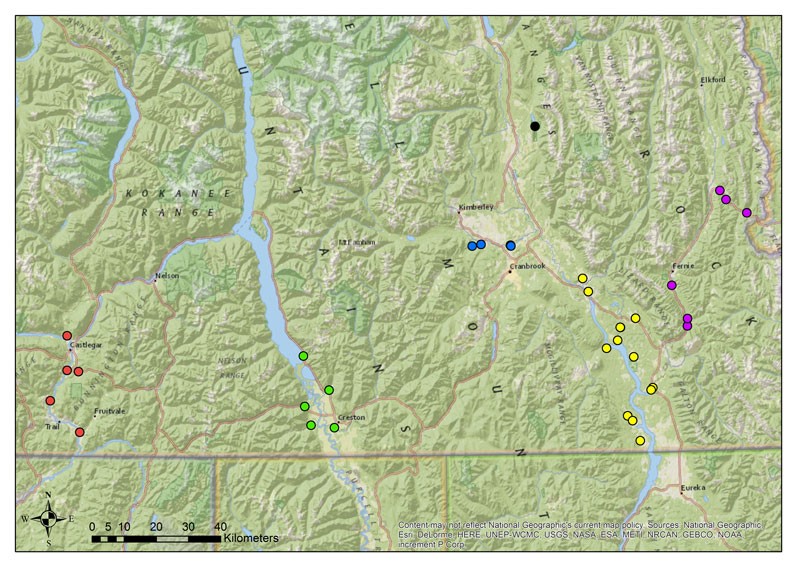
The team used sampling methods similar to those used in Alberta and by Parks Canada to create continuity in methodology in Western Canada. Because whirling disease is a reportable disease in Canada, Canada Food Inspection Agency collaborated with the Province of BC on a sampling methodology and to identifying priority sample sites in the Columbia Basin. The samples were sent to a FFSBC or a CFIA lab to test for the presence of Myxobolus cerebralis using PCR. All results came back negative for the presence of Myxobolus cerebralis.

In addition to testing for whirling disease, the team has developed effective decontamination procedures to help prevent the spread of the disease by human activity. They also created an Early Detection Rapid Response Plan (EDRR) to provide detailed direction on the decisions and actions required if whirling disease is detected in BC. This document is based on similar plans created for invasives such as Zebra and Quagga Mussels.
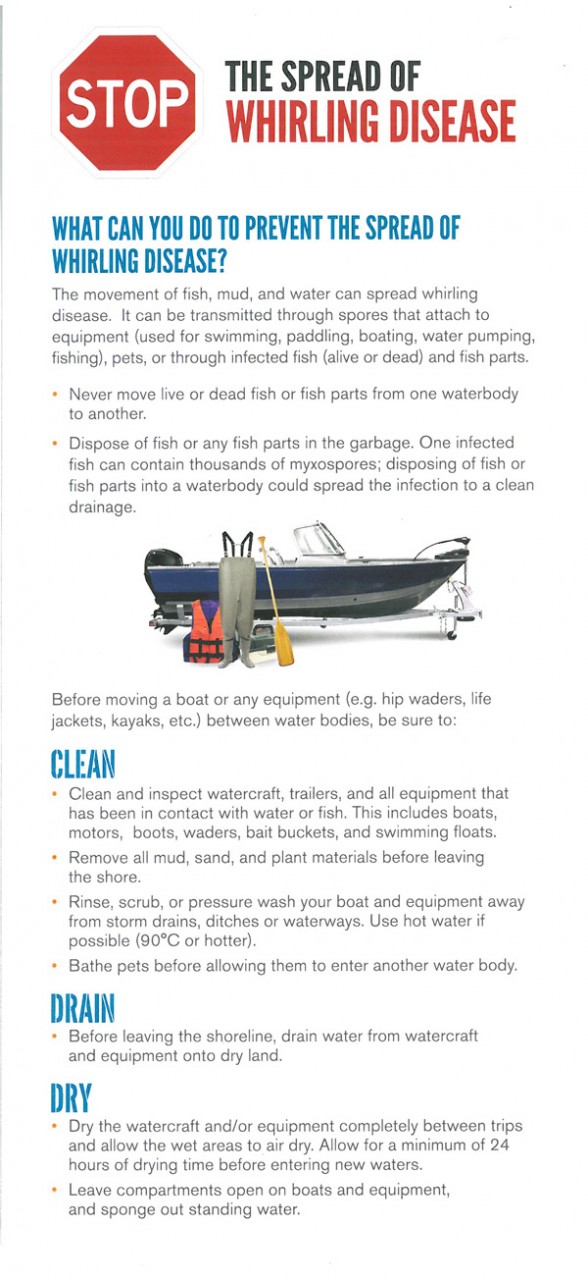
For 2018, the team have put together a plan that will continue to focus on areas of high human activity in and around the Columbia Basin.


Report Suspected Cases of Whirling Disease

While there are still no documented cases of Whirling disease in British Columbia, it has been confirmed in several locations in Alberta near the BC border. Fish infected with whirling disease may exhibit a “whirling” swimming behavior as the parasite attacks cartilage and impairs the nervous system. Fish may also show signs of physical malformations including head and tail deformities and darkened coloration near the tail area. If you see fish seeing any of these symptoms, please contact Front Counter BC Toll free: 1-877-855-3222; email: FrontCounterBC@gov.bc.ca

Wed, 21 Feb 2018

New Guidelines for Habitat Acquisition Grants

Lot 48, Columbia Lake. Photo by Steve Short, supplied courtesy of NCC.


HCTF_4-482_Columbia-Lake-Lot-48_Photo-by-Steve-Short.jpg

For over 30 years, HCTF has invested funds into acquiring valuable habitat in BC. To date, we’ve contributed over $20 million dollars towards the purchase of almost 140 conservation properties, helping to secure and manage approximately 23,000 hectares of valuable habitat. This year, we have developed new proposal guidelines and proponents can now request funding for land management costs with their application. For full details, visit our Habitat Acquisition Grants webpage. Please note this year’s application deadline is March 29th, 2018.

Sun, 18 Feb 2018

Job Opening – Finance Officer

We are looking for a Finance Officer to join our team. For details, visit our Careers webpage.

Fri, 16 Feb 2018

Webinar for Invasive Mussels Program

Interesting in applying for one of our new Invasive Mussels Lake Monitoring grants? Mark your calendars for next Wednesday, February 21st from 12 – 1 pm. Martina Beck from the BC Ministry of Environment and Climate Change Strategy will be putting on a webinar to answer your questions about the new Invasive Mussel Lake Monitoring Field Protocol and Christina Waddle from our office will be on hand to answer questions about the new granting program. You can register for the Invasive Mussel Lake Monitoring Webinar on the ISCBC website here.

Wed, 7 Feb 2018

NEW Invasive Mussels Lake Monitoring Grants

The Habitat Conservation Trust Foundation has created a new granting program to fund invasive mussel monitoring in British Columbia’s lakes and rivers.

Zebra (Dreissena polymorpha) and quagga (Dreissena rostriformis bugensis) mussels are two freshwater invasive species that are not currently found in BC, but pose significant environmental and economic risks if introduced. You can read more about the potential impacts of these invasive species here.

This new program will provide grants to organizations for sampling BC lakes and rivers to test for the presence of zebra and quagga mussels.

Application information is available here.

This program is made possible by a $450,000 contribution from BC’s Ministry of Environment and Climate Change Strategy (ENV).

Tue, 30 Jan 2018

New Conservation Grant Specialist

Last week, we welcomed Courtney Sieben to the HCTF team as our new Conservation Grant Specialist. Courtney recently moved to Victoria from Calgary, where she worked as an Environmental Analyst on oil and gas infrastructure projects. Courtney has a BSc with a biological sciences major/mathematical sciences minor from the University of Alberta and an MSc in Sustainable Energy Development (SEDV) from the University of Calgary. As Conservation Grant Specialist, Courtney will be facilitating HCTF’s application and review process. She has inherited this role from long-time HCTF staff member Jane Algard, whose involvement with the Foundation stretches back to 1983. Courtney will be working with Jane until the end of this month when she begins her well-deserved retirement. On behalf of the Board and staff at HCTF, a big welcome to Courtney, and a huge thank you to Jane for her many contributions to HCTF over the past four decades.