Wed, 18 Mar 2026

Prescribed Fire and Partnerships Help Restore Wildlife Habitat Throughout B.C.

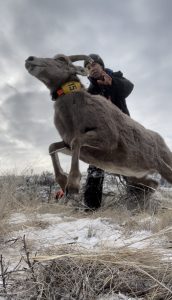
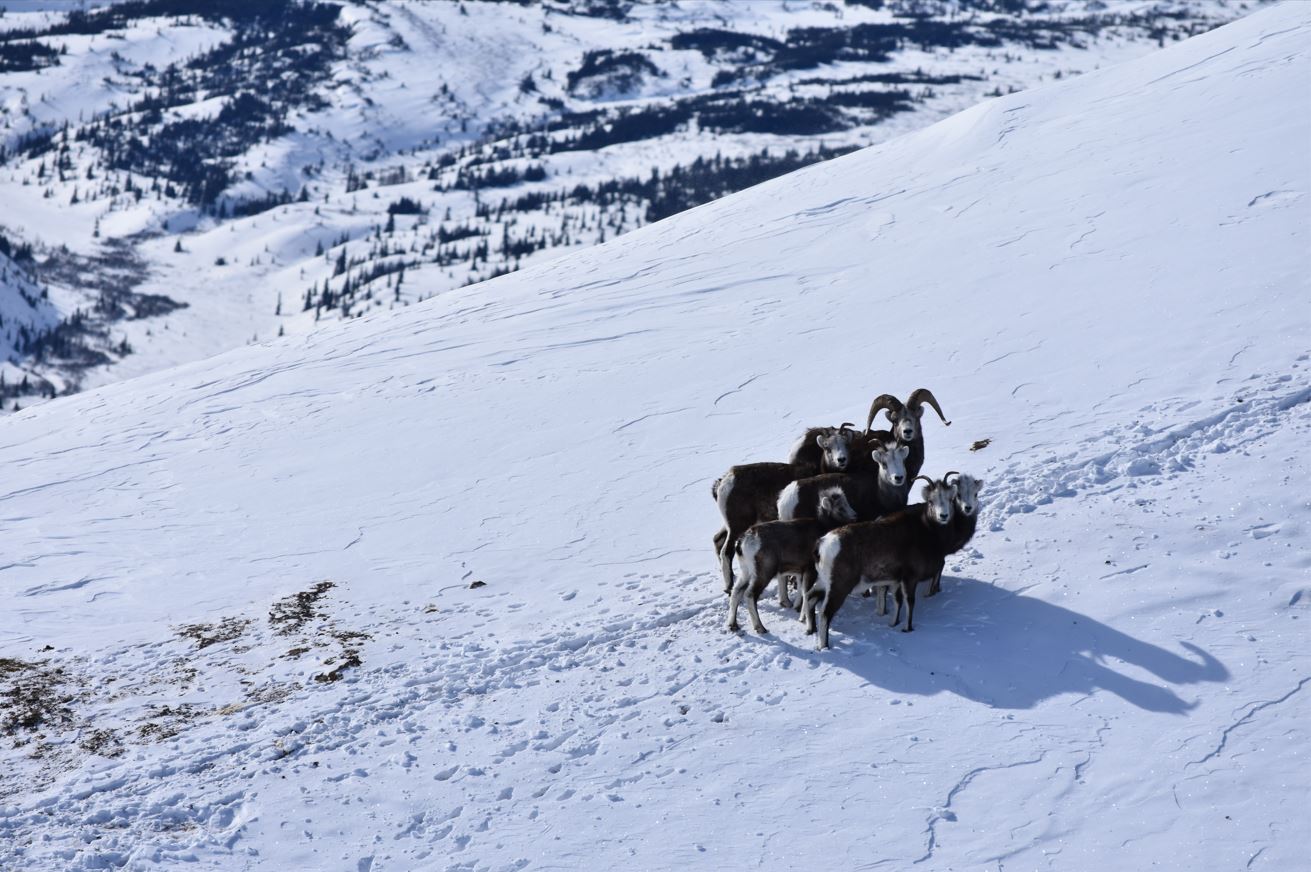
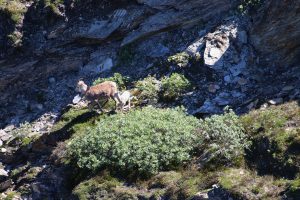
A group of Stone's sheep observed during an annual recruitment survey - Alicia Woods, Ridgeline Wildlife Enhancement

British Columbia: As the Forest Enhancement Society of BC marks its 10th anniversary, the Society is reflecting on the investments made and the meaningful impacts achieved, many in partnership with other organizations. One such partnership with the Habitat Conservation Trust Foundation (HCTF) has supported coordinated investments in research and field work that strengthen the health and resilience of B.C.’s forests – home to a diverse range of wildlife species. In total, FESBC and HCTF have co-funded 117 projects throughout B.C.

Enhancing Wildlife Habitat in the Boundary Region

One example of a project jointly supported by FESBC and HCTF is the Province’s Boundary Restoration and Enhancement Program (BREP), which has led restoration efforts in the Boundary Region for more than a decade. The program implemented by B.C.’s ecosystems and habitat restoration staff focuses on improving wildlife habitat quality and increasing forage availability for species at risk, ungulates, and other wildlife, while strengthening ecosystem resilience by restoring degraded habitats across the region.

Strategically utilizing investments from HCTF and FESBC from 2017 to 2024 alongside provincial funding, the project conducted forest thinning and prescribed burn treatments and then monitored vegetation changes within restoration sites.

“One key aspect of the project was integrating vegetation assessments, restoration activities, and monitoring across multiple sites in the Boundary region to inform subsequent restoration treatments. This iterative approach of assess-restore-monitor and repeat over many years and sites generates better wildlife habitat and forestry objectives,” said Dan Buffett, CEO, HCTF.
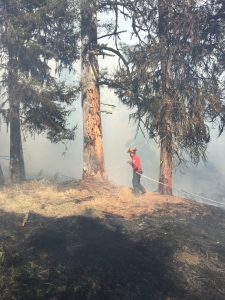
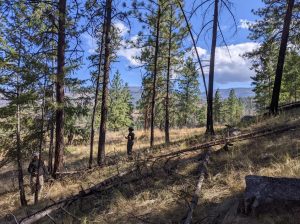
BCWS crew member hosing down a high value wildlife tree after ignitions – Boundary Restoration and Enhancement Program

The program continued vegetation and wildlife monitoring, treated invasive plants, and completed two additional prescribed burns in partnership with the BC Wildfire Service and First Nations partners. By 2024, approximately 126 hectares had been treated with prescribed burning. These controlled burns help restore habitat conditions for wildlife species such as mule deer, white-tailed deer, elk, Williamson’s sapsucker, and Lewis’s woodpecker. They also reduce the risk and intensity of future wildfires by lowering the amount and continuity of forest fuels (combustible materials) in the area.

“Partnerships were crucial to the success of this project,” added Buffett. “Building strong relationships with First Nations, and bringing together western and traditional knowledge, not only improves this habitat enhancement work, but also improves success for planning future initiatives together.”

This long-term monitoring data, along with First Nations’ traditional ecological knowledge, is helping inform ecosystem restoration and conservation initiatives. The Province is continuing the program led by ecosystem and habitat restoration teams in the Ministry of Water, Land and Resource Stewardship.

“Restoring degraded habitats and reducing wildfire risk are critical priorities for our government,” said Randene Neill, Minister of Water, Land and Resource Stewardship. “Through partnerships like this, we are investing in practical, on-the-ground work that improves wildlife habitat, strengthens forest resilience, and supports long-term ecosystem health across British Columbia.”


Utilizing Fire to Enhance Wildlife Habitat in Northeast B.C.

Another project jointly funded by HCTF and FESBC utilized prescribed burning to restore degraded Stone’s sheep habitat and improve forage quality. The project began in 2020 as an initiative of the Wild Sheep Society of BC and to date, approximately 1,200 hectares of sheep habitat across Northeastern British Columbia have been treated, restored, and improved.

“There has been research done before on sheep and prescribed burns, but one part that was missing was understanding the health effects when sheep have access to better forage, specifically when the burns are done in places where the sheep are able to feed close to escape terrain,” explained Alicia Woods, Wildlife Biologist, Ridgeline Wildlife Enhancement Inc. “We partnered with the University of Northern British Columbia to look at that health component. From there, we conducted the prescribed burns and then monitored the vegetation response as well as the sheep response, both before and after the burn.”

Prescribed burning has been conducted in specific terrain, at distinct times of the year, to maximize benefits to Stone’s sheep. These, as Woods explained, differ greatly from normal wildfires, as they are done in a controlled manner under specific weather and site conditions, and utilize knowledge and expertise from partners like BC Wildfire Service.

“Within two months after the burn, most people wouldn’t even know that there was a fire there,” she added.
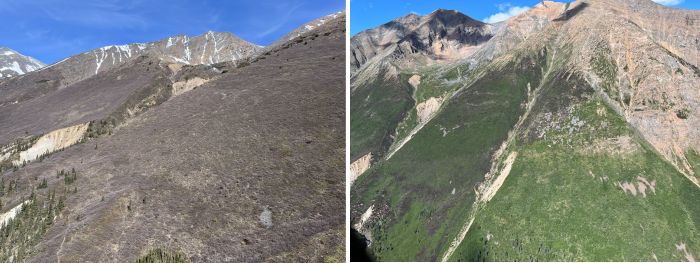
Area before and 8 weeks after a prescribed burn – Alicia Woods, Ridgeline Wildlife Enhancement

Woods also wants people to understand that controlled burns have long been an integral part of Indigenous practices and culture.

“The way we carry out prescribed burns today closely follows how First Nations communities traditionally did them. We have spoken with Elders over the years, and they have confirmed that burning early in the year, when the ground is still cold or frozen, reduces the risk of scorching the soil and improves wildlife habitat. Respecting Indigenous knowledge is very important to us. We make sure our work does not impact cultural values and that we honour their traditional methods.”

The funds provided by HCTF and FESBC have resulted in direct and immediate benefits to Stone’s sheep and their habitat. Vegetation that comes back post-fire has been shown to be more nutritious, which is generally more digestible and higher in protein, all of which benefits not just sheep but often other animals like Grizzly bears. The resulting post-burn habitat also helps reduce the dense shrub cover, allowing Stone’s sheep to see predators from a distance and move more easily through their habitat.

“The funding from HCTF and FESBC has been important, not only the research component, but also for the implementation of the burns. As the project area is large and only accessible via helicopter, a project like this can be very expensive,” said Woods. “Without funding, the number of hectares that we burn would be reduced and we wouldn’t be able to conduct the research activities to help fill some of these information gaps on prescribed fire and Stone’s sheep.”

The project has become a leading example of how integrating Indigenous ecological knowledge with contemporary scientific practices can lead to more effective and sustainable forest management. In the future, Woods would like to grow the program to target multiple species, including those important to Indigenous Peoples such as moose, and ensure the program continues every year.

“Being good stewards means working with the land, as First Nations have done since time immemorial,” said Ravi Parmar, Minister of Forests. “This is work that uses First Nations knowledge to build forest health and wildfire resilience. It shows us that only through actively managing the land do we make our forests stronger.”

Both the Boundary Restoration and Enhancement Program and the Stone’s Sheep Habitat Enhancement project demonstrate that thoughtful, well-managed prescribed fires can be used as a forest management tool and significantly benefit wildlife and ecosystems. These projects also highlight what is possible when partners commit to longer-term monitoring and collaboration through predictable and sustained funding.

“As we reflect on ten years of FESBC investments, it is clear that sustained funding and strong partnerships are an essential part of how we restore ecosystems and improve wildlife habitat across our province,” said Jason Fisher, Executive Director of FESBC. “Moving forward, we need to look at how all forest management activities, from thinning to fuel management, can be planned and carried out in ways that support and improve wildlife habitat over the long term. Continuing this work will ensure these benefits extend to future generations, setting the table for more healthy and resilient forests.”


About FESBC: the purposes of FESBC are to advance environmental and resource stewardship of B.C.’s forests by – preventing and mitigating the impact of wildfires; improving damaged or low-value forests; improving habitat for wildlife; supporting the use of fibre from damaged and low-value forests; and treating forests to improve the management of greenhouse gases. FESBC has been granted millions of dollars in funding and has partnered with the governments of B.C. and Canada to support hundreds of projects throughout B.C. to date.

About HCTF: The Habitat Conservation Trust Foundation is a non-profit organization dedicated to conserving the natural diversity of British Columbia’s wildlife and habitats. HCTF works in partnership with governments, non-profit organizations, and the public to ensure a sustainable future for B.C.’s wildlife and their habitats through funding conservation projects, as well as providing educational opportunities on B.C.’s freshwater fish, wildlife, and their habitats. Since 1981, HCTF has provided over $242 million in grants for over 3,800 conservation projects across B.C.

FESBC would like to gratefully acknowledge the financial support of the Province of British Columbia through the Ministry of Forests.

Thu, 3 Jul 2025

$560k for Conservation Stewardship Projects

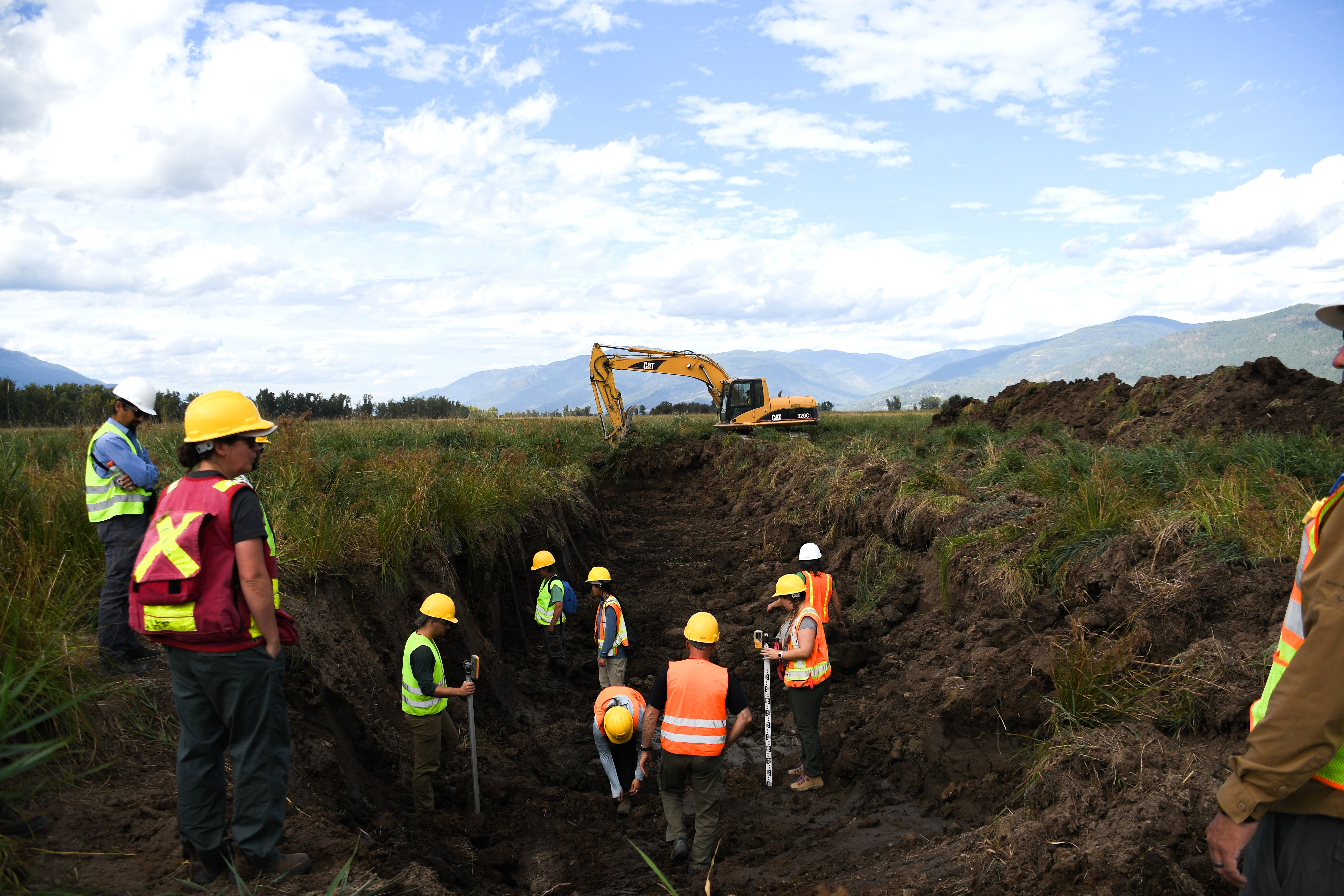
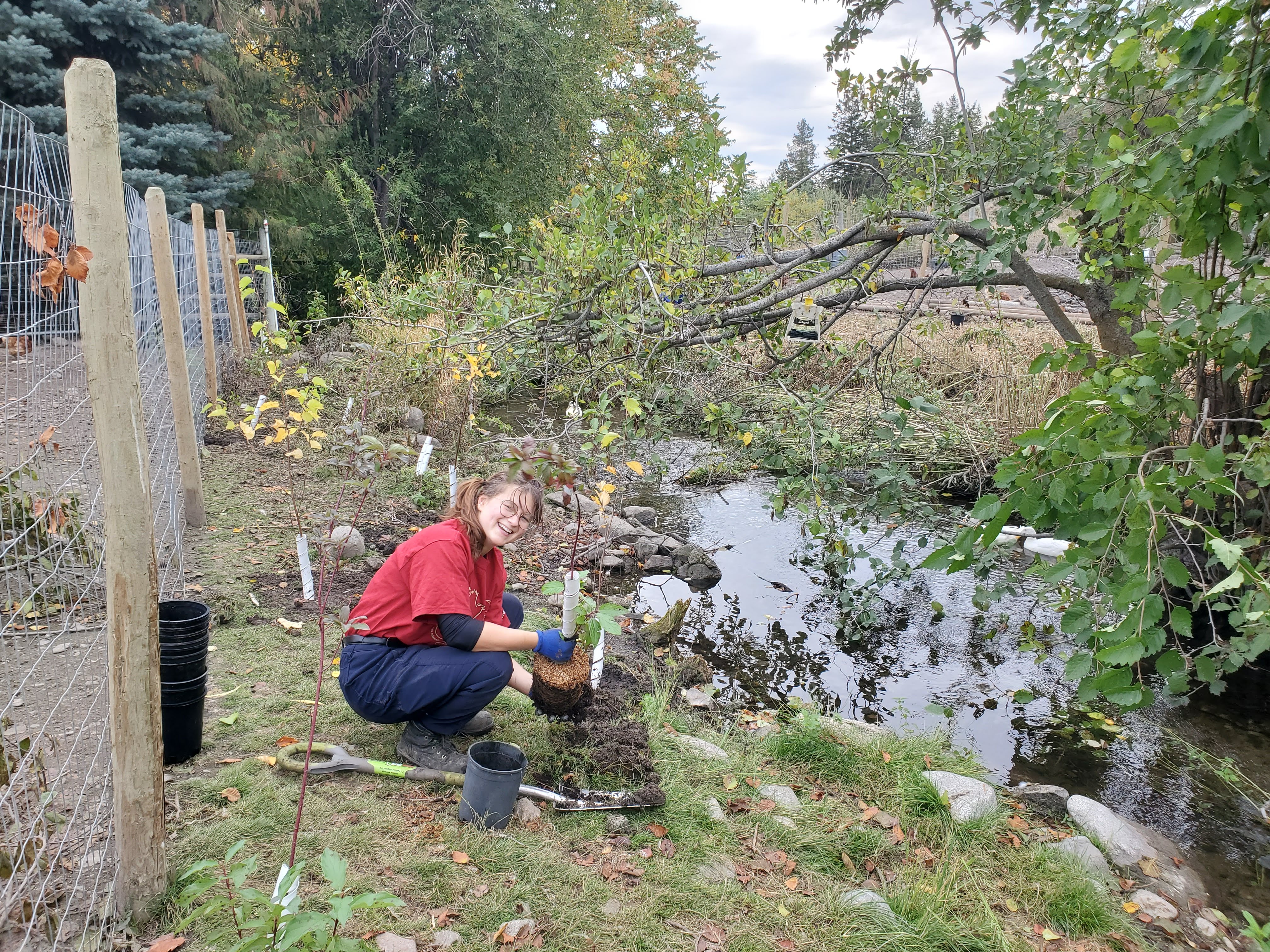
Habitat Restoration in the Garnet Valley - photo by Okanagan Similkameen Stewardship

HCTF recently approved over $560k in funding for 41 conservation stewardship projects throughout B.C.

Projects under HCTF’s Action, Capacity, and Community Grant programs are included in the funding.

Action Grants, which have a two-year term, support projects that directly involve people and communities to change behaviours and/or practices leading to positive and measurable conservation outcomes.

Action Grant projects this year include:
• $32,000 to promote sustainable land stewardship on Anarchist Mountain that supports wildlife habitat, reduces human-wildlife conflict, and integrates FireSmart strategies with caring for wildlife habitat.
• $16,000 to assist residents and managers of six mobile home parks near wildlife corridors in the Prince George area with waste management updates to reduce human-bear conflicts.
• $30,000 to provide landowners in the Craigflower Creek watershed headwaters with the knowledge, resources, and incentives to become habitat stewards on their property for the long-term health and protection of the land, waters, and wildlife.

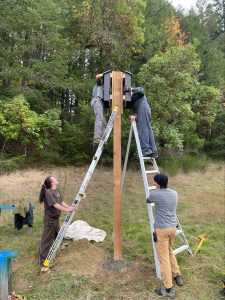
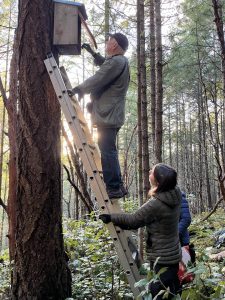
Western Screech Owl Nest Box Cleaning – photo by Habitat Acquisition Trust

Capacity Grants also have a two-year term and provide funding to build and strengthen the capability and capacity of organizations to design and deliver conservation or restoration projects successfully.

Capacity Grant projects this year include:
• $17,880 to ensure Guardians of Skwlāx te Secwepemcúl̓ecw can apply traditional ecological knowledge, cultural protocols, and the Secwépemc language to contemporary environmental stewardship practices.
• $25,000 for the BC Bee Atlas Capacity Building Project to respond to pollinator declines by training community scientists in bee survey and identification techniques.
• $25,000 to develop a comprehensive Wildlife Population and Land Use Plan that aligns with the Nak’azdli Whut’en Land Stewardship Plan, enhancing wildlife and habitat protections across 25,820 km² of traditional territory

Community Grants have up to five years to complete and involve as many volunteers as possible to implement on-the-ground conservation work, with a particular focus on hands-on, community-based, and public awareness initiatives.

Community Grant projects this year include:
• $3,904 to restore an endangered wetland Garry oak ecosystem in Vanier Nature Park in the Comox Valley.
• $7,085 for restoration of native amphibian habitat in Everett Crowley Park through invasive removal, native replanting, and amphibian habitat surveys.
• $7,200 to address habitat loss for Chunih Cho (fishers) by designing and deploying artificial den boxes in heavily fragmented forests.

See the list of all 2025 HCTF-funded stewardship projects here (PDF download) or on our Project Map.

Mon, 9 Jun 2025

$230k for Invasive Mussel Monitoring This Summer

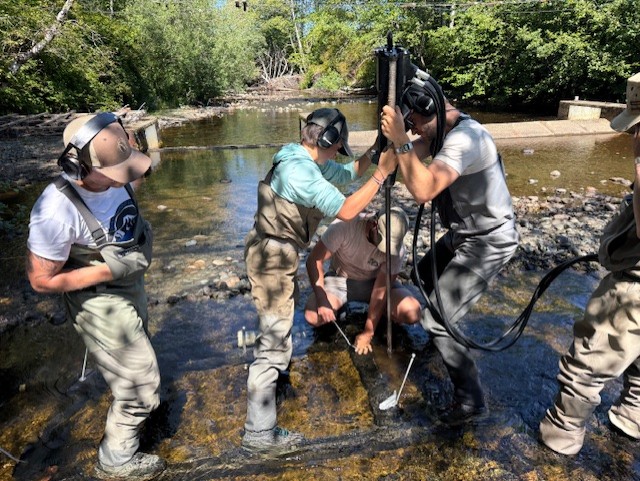
4-582: East Kootenay Invasive Mussel Monitoring, East Kootenay Invasive Species Council

For many in British Columbia, the arrival of summer means endless adventure, time spent outdoors with friends and family, and especially, time spent on the province’s stunning freshwater lakes and rivers. However, for a few B.C. residents, the summertime signals the beginning of critically important environmental monitoring work to protect the health of treasured waterways.

There are some tiny yet mighty animals that B.C. is on the lookout for: these unassuming creatures are known as the zebra and quagga mussels, a pair of freshwater mollusks that are known across Canada for wreaking havoc on freshwater systems that have involuntarily come to house them.

5-310: Invasive Mussel Monitoring in the Cariboo Regional District, ISCBC
Photo by Alex Mutch

Originally from the Caspian and Black Seas, these tiny animals were introduced to North America in the 1980s and established themselves in eastern Canada. These mussels grow and multiply astonishingly quickly, with colonies rapidly consuming much-needed nutrients from water, clogging and destroying important infrastructure and habitat, as well as outcompeting freshwater mussels that are native to B.C. Zebra and quagga mussels are introduced to new waterways via contaminated watercraft or aquatic gear that have not been Clean, Drained, and Dried.

4-581: Preserving the Ecological Function of BC’s Freshwater, CKISS
Photo by Khaylish Fraser

To combat these animals and their potential invasion, groups across B.C. prepare their sampling gear every year to protect their local waterways from these mussels. Equipped with plankton tow sampling tools, sediment samplers, and a keen eye for any suspicious organisms, these groups take to their local waterways and sample high-risk waterbodies. Early detection, if found, is a key component in a quick and rapid response to any potential introduction.

This year, HCTF’s Invasive Mussels Monitoring Grant will administer 10 projects for a total of $230,893 in funding. Each monitoring organization will undertake the sampling of several local waterbodies throughout the summer months, when detections are most likely to appear. In the fall and winter, results will be reported to HCTF and the Province of B.C.

See the map below for this year’s monitoring locations:

HCTF is incredibly thankful for the Provincial ($130,000) and Federal (DFO) Aquatic Invasive Species Prevention Fund ($180,000) funding support for the Invasive Mussels Monitoring Program that HCTF administers. This year, the total funding requested came in below the total amount available. The next opportunity to apply for the grant will be in winter 2025-26.

To learn more, go to the Ministry of Water, Land, and Resource Stewardship’s Invasive Mussels webpage: Stop the Spread of Invasive Mussels – Province of British Columbia.

For questions about the Invasive Mussel Monitoring Grant, reach out to HCTF’s Aquatic Programs Coordinator at cathryn.klincans@hctf.ca or our Grants Officer at grants@hctf.ca.


Mon, 28 Apr 2025

HCTF Approves $8.6 Million for Fish & Wildlife Conservation Projects

1-826 Vancouver Island Steelhead Stock Decline Investigations, BC Conservation Foundation - Upper Gold Snorkel Survey, photo by Danny Swainson

The Habitat Conservation Trust Foundation is proud to announce over $8.6 million in funding for 110 conservation projects throughout British Columbia.

For over forty years, the Habitat Conservation Trust Foundation (HCTF) has provided grants with over $242 million contributed to conservation projects and programs. The range of project leaders and conservation actions supported all share the goal of conserving B.C.’s freshwater fish, wildlife, and habitats today for generations.

As a registered charity and foundation, HCTF’s unique funding model is led by a surcharge on hunting, fishing, trapping, and guide outfitting licences. “Each year, the conservation surcharge from these contributors funds over one hundred fish, wildlife, and habitat projects above and beyond government funding,” says HCTF’s CEO, Dan Buffett. “Yet, we recognize that government funding, such as the Together for Wildlife Strategy, along with funding from partners, First Nations and other organizations and individuals, remains crucial to meet the shared goals to conserve and enhance B.C.’s fish, wildlife and their habitats.”

7-570 Stone’s sheep seasonal range use in the Omineca Region
Wild Sheep Society of BC

“Our government has been working alongside First Nations, conservation organizations and other key partners for many years to help protect and restore important ecosystems throughout this beautiful province,” says Randene Neill, Minister of Water, Land and Resource Stewardship. “It is deeply rewarding to see the ongoing progress of this crucial work, which is improving the lives of British Columbians today and will continue to benefit future generations. The surcharge revenue, which is dedicated to the Habitat Conservation Trust Foundation’s funding program, complements a suite of integrated conservation initiatives in B.C., including the Together for Wildlife Strategy, the Tripartite Framework Agreement on Nature Conservation, the Conservation Lands Program, the draft Biodiversity and Ecosystem Health Framework, and our commitment to protect 30% of the province’s land base by 2030.”

Projects supported this year include:

  • $84,000 to replace aging infrastructure at the Redfish Creek Spawning Channel to continue to supply stock conservation and fishery benefits
  • $68,224 to restore whitebark pine ecosystems for bear habitat in the Skeena region
  • $94,050 for the restoration of year-round fish passage and improvement of aquatic and riparian habitat at the Westside Road weirs in Six Mile Creek
  • $262,650 towards restoring caribou habitat on approximately 86 km of roads within the Whitesail Priority Restoration Area
  • $99,621 to conduct cultural burns to enhance forest health in the Mount Currie/Líl̓wat area and improve habitats for grizzly bears, black bears, deer, and elk
  • $45,645 to better understand the factors that limit porcupine survival in north central B.C., given the limited ecological knowledge of this species

To see the complete list of HCTF-funded projects and learn more about the conservation work being done near you, view the 2025-26 Approved Project List.

In addition to Fish and Wildlife grants, HCTF provides grants for conservation stewardship and education. Additional projects will be announced in June under our Action, Capacity, and Community Grant programs, and scholarship recipients in autumn.

Update June 18, 2025: The Approved Project List now includes 2025-26 Invasive Mussel Monitoring Grants and Highland Valley Enhancement Fund projects. There are now a total of 122 projects and over $8.9M in funding.

Wed, 27 Nov 2024
Tags: Acquisition

Salmon Habitat Restoration Underway in Expanded Conservation Area

Gates Creek Conservation Area - photo by Fernando Lessa

Habitat conservation and restoration is key to reviving natural resiliency across landscapes

Work is underway to restore salmon habitat along Gates Creek, northeast of Pemberton, on land held by the Nature Conservancy of Canada (NCC). The multi-stage restoration project is designed to enhance rearing habitat for salmon and other fish, increase the stability of the main creek channel, re-establish the floodplain canopy to shade the stream, and provide more open water wetland area for waterfowl.

NCC is engaging with the N’Quatqua First Nation to ensure the restoration work meets shared objectives and to learn from community members’ interests in and connection to the creek, the wildlife and the larger landscape.

The restoration project is occurring in NCC’s Gates Creek Conservation Area, which was first conserved in 2021. NCC has just acquired a neighbouring property, expanding the conservation area and enhancing its resiliency and reach. This recent addition brought another 474 metres of the creek and more than 5 hectares of riparian habitat under protection, and will help close the gap between the two halves of the existing conservation area.

“Gates Creek is more than just a waterway – it’s a whole system that fish, birds and other wildlife, not to mention the local community, rely on,” said Hans Herrmann Alvarez, West Coast Program Manager for NCC. “Restoration here will support the health of the overall system, bringing diversity and complexity to a landscape that has lost quite a bit of its natural function. We are excited to be able to support the N’Quatqua’s vision for this area, and we are grateful for our funding partners who are similarly excited to reverse habitat loss through restoration.”

Section of Gates Creek – photo by Fernando Lessa

The creek supports several fish species of conservation and cultural importance. Sockeye, coho, chinook and pink salmon migrate up from the Fraser River, through the Fraser Canyon and Hell’s Gate, and finally through Seton and Anderson lakes into Gates Creek. Bull trout, Dolly Varden, kokanee, lake trout, mountain whitefish and rainbow trout are all found in this waterway.

The restoration project will rehabilitate wetland and streamside areas that are used by a diversity of fish, birds, insects and other wildlife. The initial phase will focus on installing woody debris to create microhabitats and increase channel complexity, planting native vegetation along the creek to re-establish stream cover and floodplain canopy, and suppressing invasive reed canary grass.

In addition to important aquatic habitat, Gates Creek Conservation Area protects part of a high-quality wildlife corridor for grizzly bears travelling across the valley, preserving a crucial linkage between two isolated and threatened grizzly bear populations.

Both the restoration project and the recent acquisition to expand the conservation area received funding from the Government of Canada through the Natural Heritage Conservation Program, part of Canada’s Nature Fund. Additional significant financial contributions for the expansion acquisition came from Habitat Conservation Trust Foundation, the Fish and Wildlife Compensation Program, the Longhedge Foundation and the Pemberton Wildlife Association.

Thu, 24 Oct 2024

Rare Grasslands Protected in Similkameen Valley

Nighthawk Hill Grassland - Photo: Julian Zelazny

Thanks to the generosity of the local community, The Nature Trust of BC has protected some of the rarest and at-risk ecological habitats in British Columbia for future generations, including creating a safe and undisturbed passage for wildlife to access water in the arid Interior landscape.

The Nature Trust of British Columbia is thrilled to announce the successful acquisition and protection of 11 hectares of vulnerable habitat in the Similkameen Valley, thanks to the incredible generosity of the local community and key donors. This new conservation area, Nighthawk Hill Grasslands, is in the picturesque and ecologically fragile Similkameen Valley near Keremeos, within the unceded and traditional territory of the Lower Similkameen Indian Band (Sməlqmix), member of the Okanagan Nation (Syilx People).

The new Nighthawk Hill Grasslands conservation area, located directly beside the South Okanagan Grasslands Provincial Protected Area, bridges the crucial link needed for wildlife to access almost 100 meters of the Similkameen River safely and undisturbed in this very arid landscape, even during the hot Interior summer. The area is home to a diverse range of Species at Risk, including mammals, birds, reptiles, amphibians and invertebrates. From the American badger to pallid bat, to the tiger salamander and sage thrasher, a wide array of wildlife find refuge in this unique landscape.

More than just a beautiful place, this new conservation area contains temperate grasslands – one of the most altered terrestrial ecosystems on earth and endangered on most continents. Rare and endangered big sagebrush and bluebunch wheatgrass ecological communities are prominent throughout the Nighthawk Hill Grasslands—bunchgrass ecosystems being some of the rarest land cover types in B.C.

View of Nighthawk Hill Grasslands and the Similkameen River looking southwest. Photo: Bryn White

“Nighthawk Hill Grasslands are carbon storage superheroes, and the breeding grounds for threatened common nighthawks that migrate all the way to South America,” said Dr. Jasper Lament, CEO, The Nature Trust of BC

The conservation of Nighthawk Hill Grasslands marks an important milestone towards preserving the vulnerable and at-risk ecosystems across B.C., addressing the twin crises of biodiversity loss and climate change. Thanks to this conservation effort, Nighthawk Hill Grasslands will remain a wild, undisturbed landscape, forever protected from development. The project was made possible by the Government of Canada, through the Natural Heritage Conservation Program, part of Canada’s Nature Fund. Thanks also goes to the dedicated donors and the Okanagan community, whose generosity and passion for nature made this conservation milestone possible, and the Habitat Conservation Trust Foundation (HCTF).

“HCTF is proud to support The Nature Trust of BC in securing Nighthawk Hill Grasslands, conserving biological diversity and protecting crucial wildlife habitat. Through partnerships with local communities and partners, this acquisition protects more grassland habitat for many creatures using this land and the adjacent South Okanagan Grasslands Provincial Protected Area; this is a great achievement for habitat conservation in the region,” said Dan Buffett, CEO of HCTF.