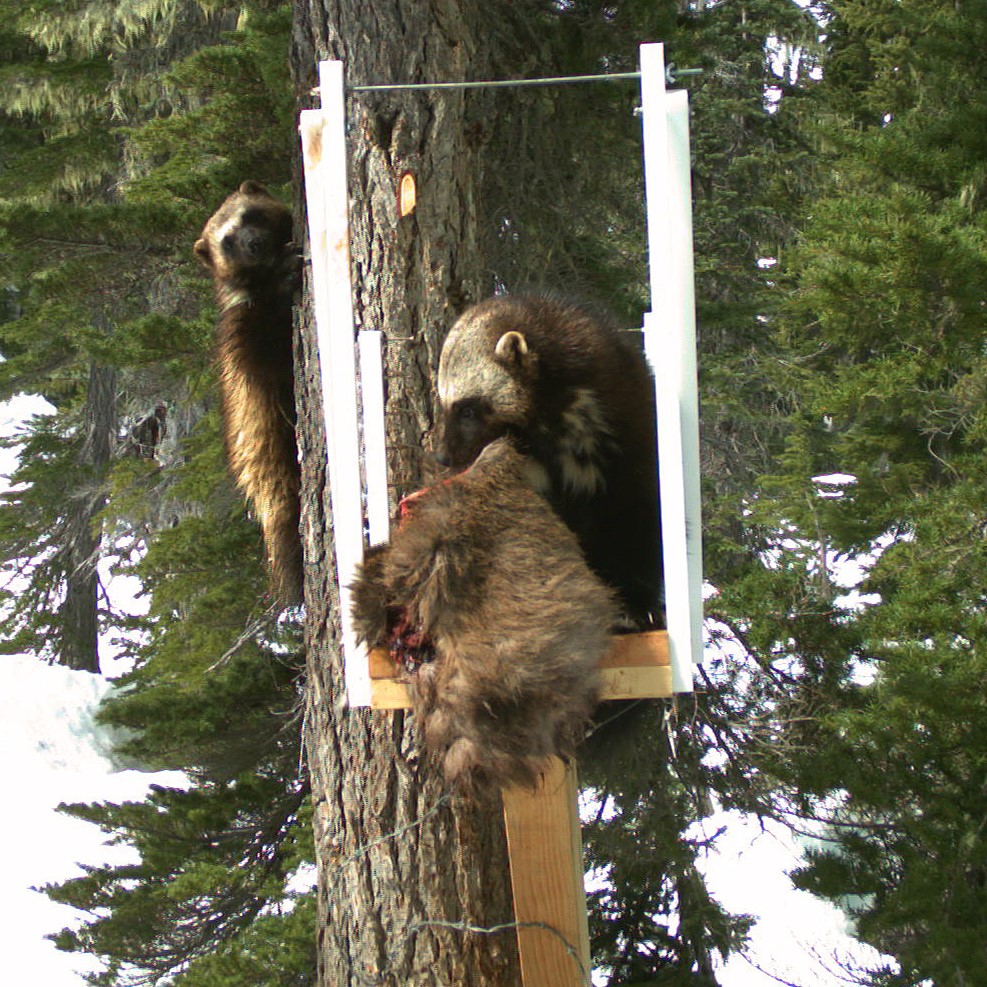

Wed, 20 Feb 2019
Tags: F&W / Wildlife

Supporting the Survival of Marten in an Era of Intensifying Fires, Climate Change and Other Pressures

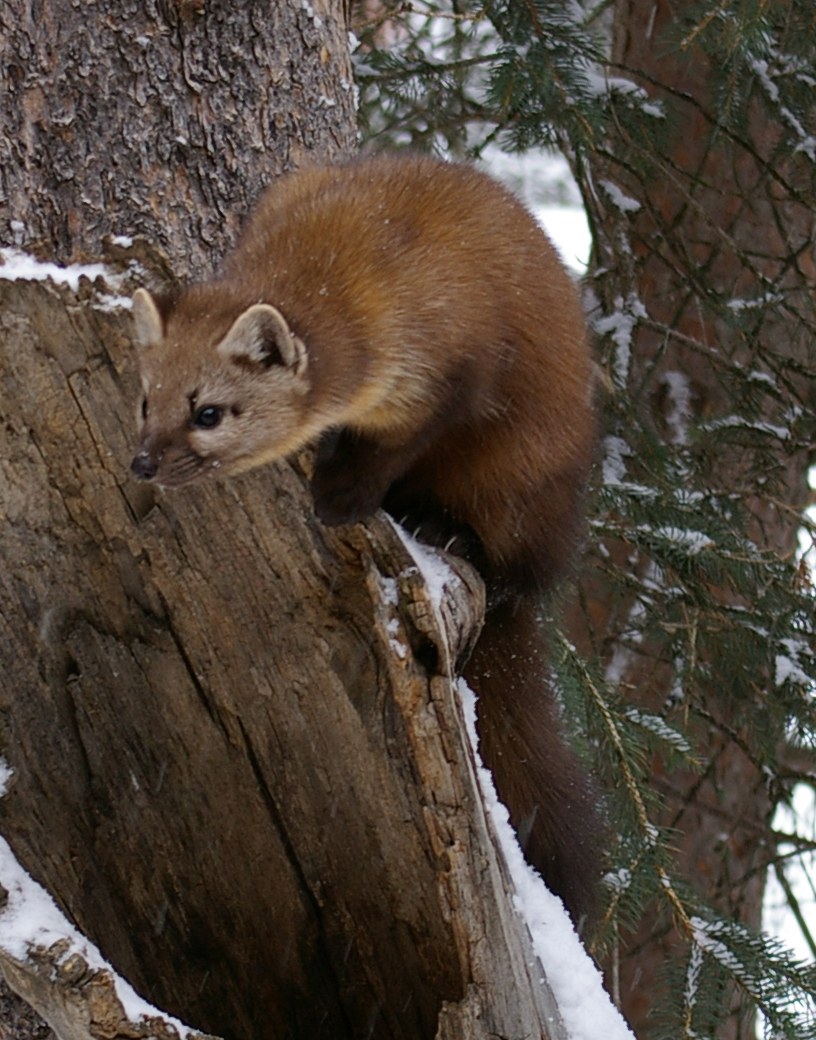
American Marten
photo T. Gage

In the context of record forest fires, climate change and growing development pressure, a research project funded through a partnership between Habitat Conservation Trust Foundation and the Forest Enhancement Society of BC is exploring how American marten interact with landscapes altered by fire and salvage logging.

Logan Volkmann is pursuing a PhD under the supervision of Dr. Karen Hodges at the University of British Columbia Okanagan. For the past two years, he has been overseeing parallel American marten field projects; one is in the Okanogan National Forest in northern Washington and the other is being pursued on the Chilcotin Military Reserve near Williams Lake, BC.

As Volkmann explains, the new normal of more frequent and intense forest fires makes understanding how to better balance wildlife and harvest interests more important than ever.

“We know that we are going to have a fiery future and that will have a big impact on the species that depend on forests, including American marten,” he says. “The related question is, how does this inform how we manage landscapes, both before and after they’re burned?”

“From both a science and industry perspective, marten are an important indicator species because they are so dependent on forests. A lot of policy makers look at marten when setting new guidelines, including the timber industry. Because not a lot is currently known about how marten respond to the impact of wildfires, they are a really great species to consider when drafting new policy.”

After a forest fire, it is common practice for the timber industry to pursue salvage logging. Even after very intense fires, only the bark and foliage are burned off on many trees – the core wood is still marketable. However, as Volkmann points out, “there is still a lot of guesswork, for both scientists and industry, in terms of what landscape we want to leave after fire. How much should we log and how much should we leave? There are a lot of unanswered questions and I’m hoping that my work gets at least some of them answered.”

“Large fires are inherently very patchy. After a fire, there will be areas that are severely burned as well as areas with residual live trees. We’re finding that marten are making use of the residual patches of live trees. In terms of salvage logging, our initial observations suggest that it’s critical to leave some remnants of dead standing trees for marten habitat. Areas where lots of trees have been removed tend to be very open and we aren’t finding marten there. This observation is similar to what we already know about how marten respond to regular timber harvest. You don’t want to make your cuts too big, and you need to leave a little bit of clutter and residual structure.”

The research project is being pursued under the supervision of Dr. Karen Hodges, who has overseen multiple ongoing and recent HCTF-funded conservation science projects, including a current MSc project by Angelina Kelly, who is exploring how small mammals are using the post-fire landscape in the Williams Lake region. Both projects enjoy the support and interest of local industry, First Nations, government and trappers.

The project has been running since the winter of 2016. Volkmann has overseen two winter field seasons and one summer season; in 2017, summer fieldwork was impossible due to active forest fires.

In winter field season, a typical day starts with a 30 minute snowmobile ride. Depending on the weather, the team will either run a survey for marten tracks, or find and follow marten trails. They record GPS data from these trails to capture how the animals move through the landscape, and use that data to inform vegetation surveys during the summer field season. Starting in 2017, the team has also deployed remote wildlife cameras.
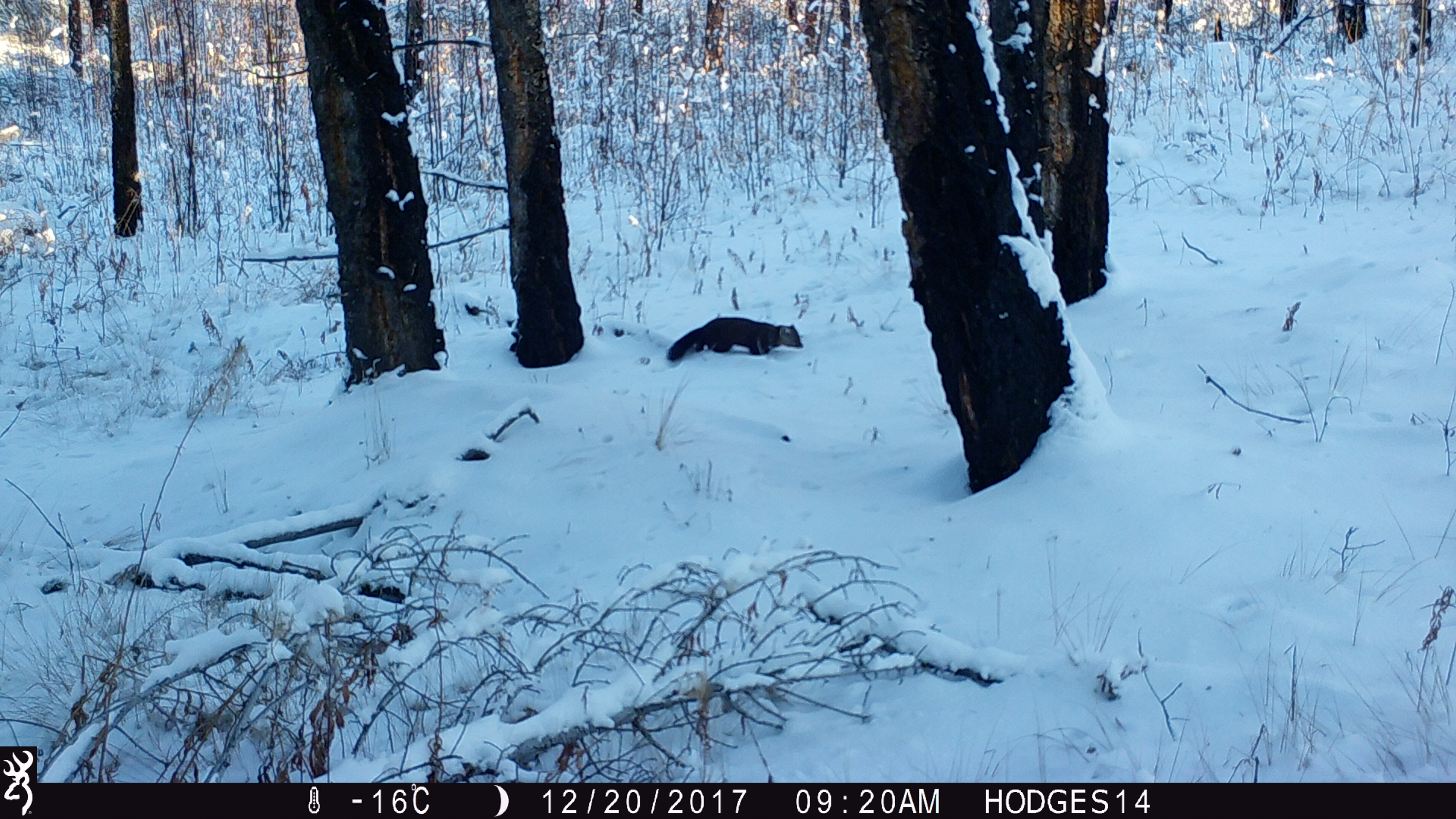
Data gathered from this project will also shed light on how other carnivores are using the landscape and adjusting to post-fire conditions. “It’s a different story for every species, depending on how strongly they need forest structure,” says Volkmann. “Species like weasels and coyotes are comfortable in more open habitat so we’re finding they are making use of salvage logged areas more than species like lynx, who are very dependent on forests.”

Staff from British Columbia’s Ministry of Forests, Lands, Natural Resource Operations and Rural Development (FLNRORD) have also been a great source of support.“FLNRORD staff have been kind enough to provide a lot of the GIS data that we need for analyzing how marten use the landscape. They provide all the mapping data in terms of forest fire size and severity. They also give us leads on local resources – where to go for housing, who to talk to for snow mobile repairs. Having never worked in Williams Lake before, they were wonderful in terms of connecting us to the local network,” says Volkmann. In particular, he says, Becky Cadsand and Carole Mahood provided key support.

Another source of expertise has been Larry Davis, a wildlife biologist conducting HCTF-supported research on fishers in the same region. “He has been extremely helpful, in terms of getting us equipment and providing local knowledge on where we should be looking for marten,” says Volkmann.

Volkmann says that it’s vital to remember that the uncertainty associated with climate change affects wildlife as well as humans, “More than ever, wildlife are contending with a landscape that’s broken up with roads and cities. As their landscapes change, they will have a harder time moving to new suitable areas. That means that understanding how animals perceive and move across landscapes, and how they respond to landscape change, is going to be more important than ever.”

HCTF is grateful for researchers like Mr. Volkmann and Dr. Hodges as well as the generous community of local conservationists, who are working together to help inform long-term decision-making to support the people and wildlife who rely on BC forests.
 

Thu, 14 Feb 2019
Tags: Wildlife

Feel the love today!

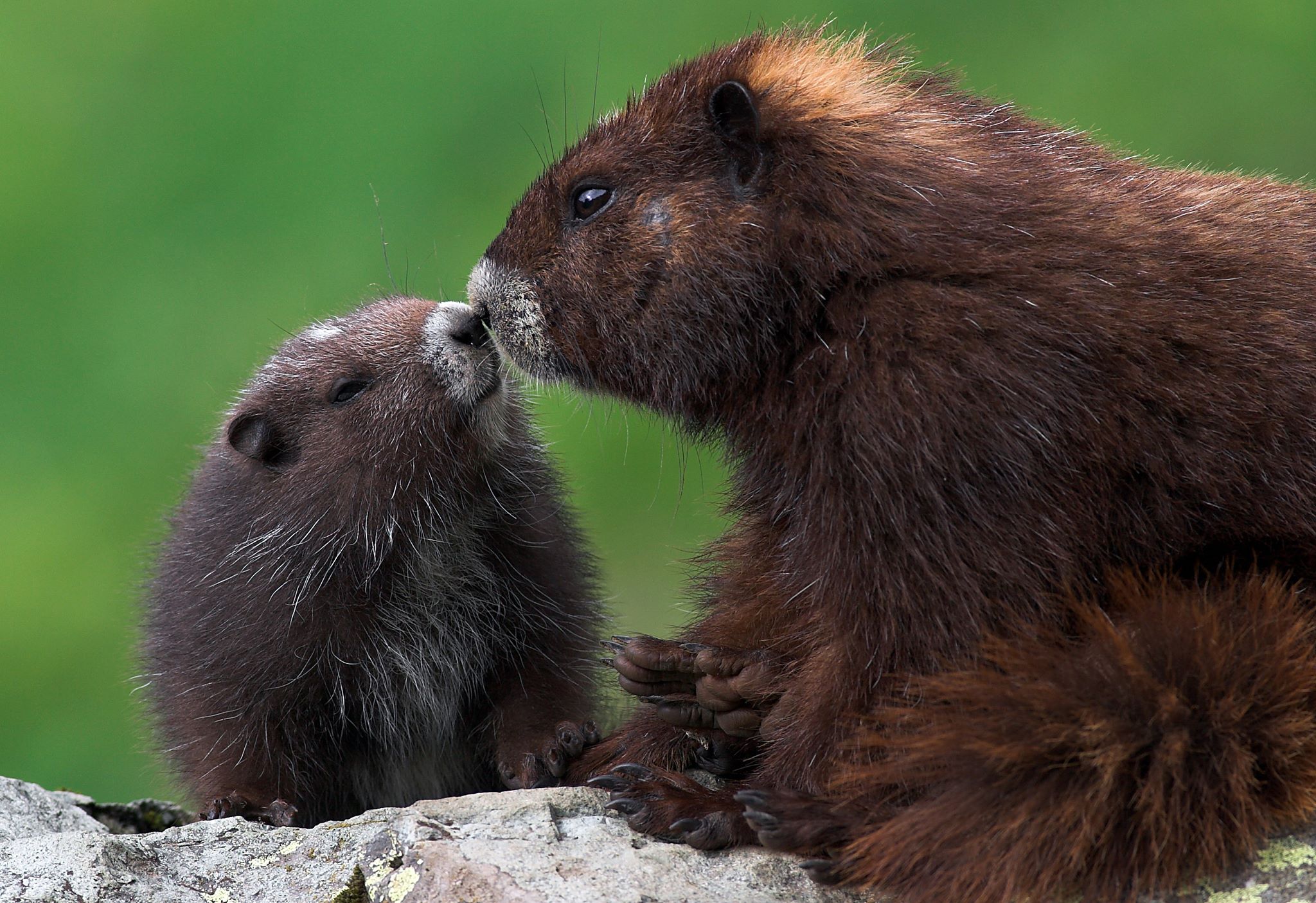
Haida and Pup
Oli Gardner for https://marmots.org/

Featuring Vancouver Island marmot mama Haida and her pup (possibly Muffin). Haida was born in 2002 and was one of the first released from Mountain View Conservation Centre. Despite the challenges of learning to survive in the wild, Haida went on to produce her first litter in 2006. One of those pups was Muffin. Now 12 years old, Muffin still lives at Haley Lake. She is currently hibernating with marmot Alan, and we are hoping that the pair produce a litter of pups this summer! Haida passed away a few years ago, but her loving legacy lives on.

HCTF continues to fund grants in support of the conservation of this endangered species <3

Thu, 10 Jan 2019

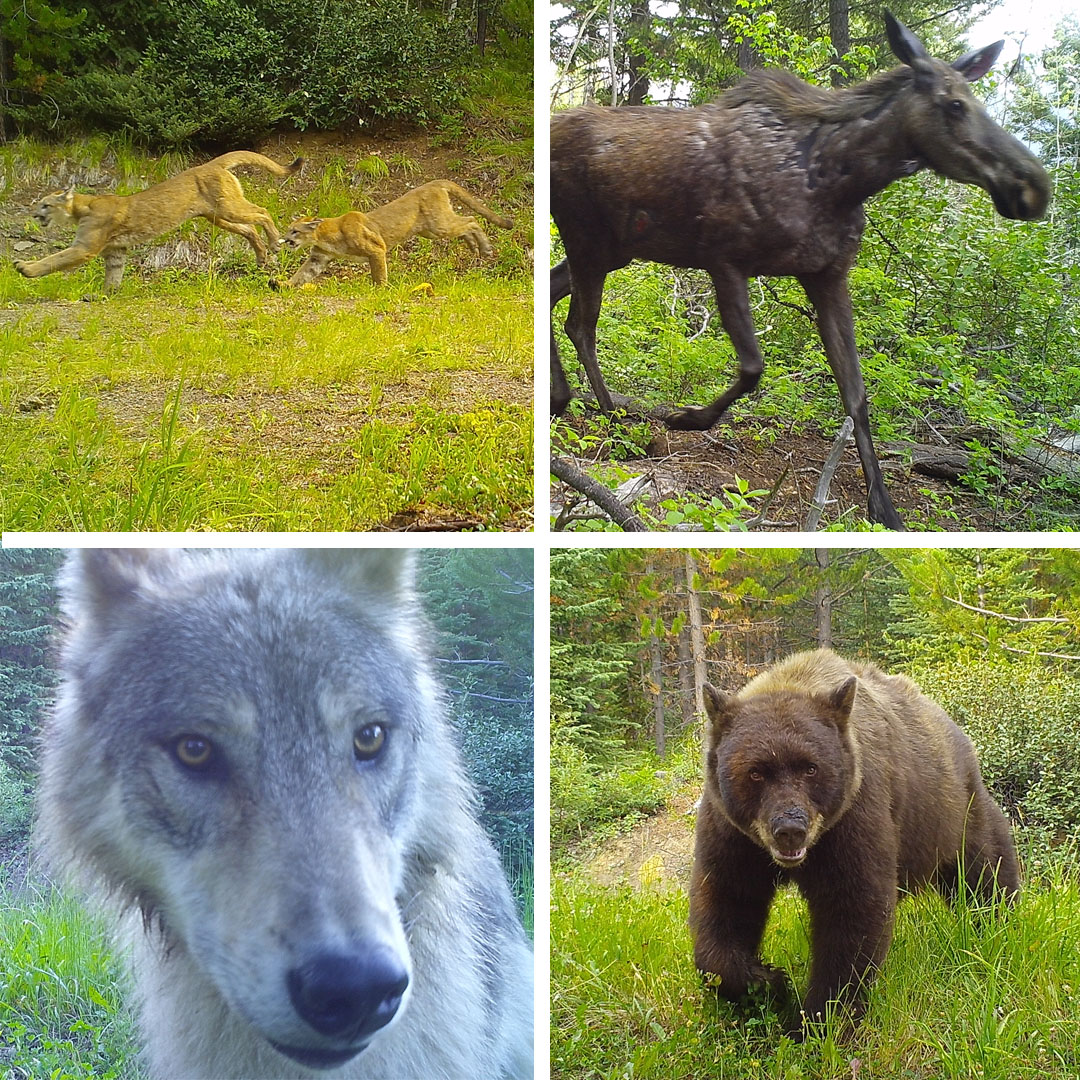
Meet the Neighbours!

Animal-quartet
photo credit Dr. Naidoo

The South Chilcotin Mountains in south-central British Columbia are well-recognized as a wildlife haven, and contain some of the province’s most iconic wilderness species. However, there is little understanding of how an increasing human footprint in this region impacts the diversity and abundance of species. There is little information available on the key factors that regulate the distribution & abundance of wildlife here, which is a critical knowledge gap as human activity is increasing in large parts of the region, with unknown consequences.

To address these issues, HCTF is funding Dr. Robin Naidoo’s study in the South Chilcotin mountains. So far, camera traps have turned up a wide variety of species including cougars, bears, moose, wolves, coyotes, wolverine, lynx, and many more.

“Although our camera trap grid has been running for less than a year, it has revealed that the abundance and diversity of wildlife that share trails with people in the South Chilcotins is truly remarkable,” says Dr. Naidoo

Thu, 29 Nov 2018

Coquihalla River Rehabilitation Project Update

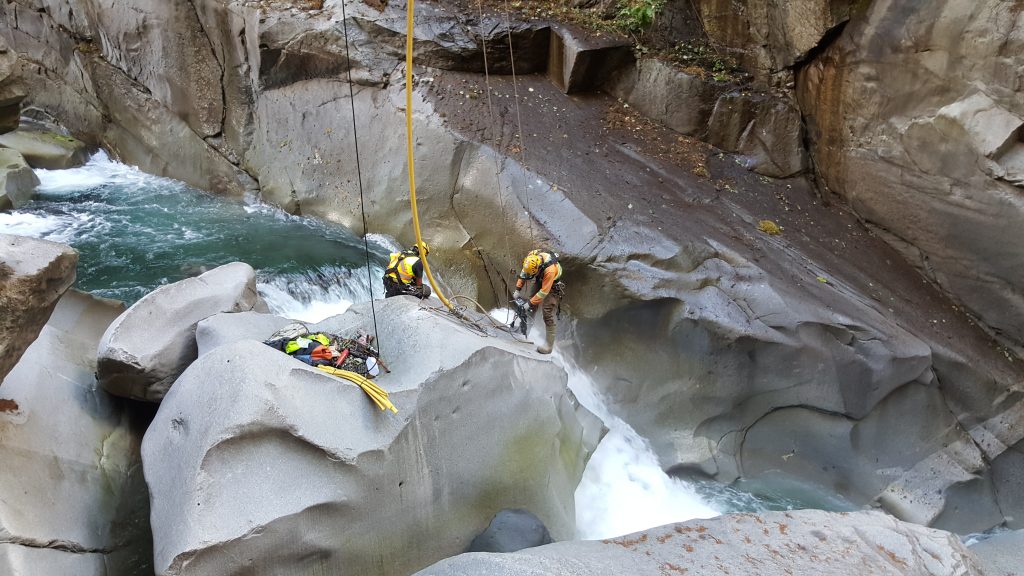
Crew working to break up boulder on Coquihalla River

HCTF is delighted to share an update from one of our more explosive recent projects, the Coquihalla River Summer Steelhead Migration Rehabilitation Project.

In the spring of 2014, an unfortunate combination of erosion, shifting of boulders and the settling of a failed bridge foundation introduced a new obstacle for summer steelhead attempting to access the upper 20 km of the Coquihalla River. The location of Othello Falls, combined with seasonal water levels, have always made this stretch very difficult to pass, but the 2014 events made this barrier almost fully impassable. Loss of access to the upper river threatened the long-term viability of this unique steelhead population. In response, a dedicated group of biologists, engineers, conservationists, and fisheries enthusiasts came together to make a plan.

Northwest Hydraulic Consultants was contracted to oversee modifications to the barrier. In September 2017, the team rappelled down the bridge at Othello Falls, drilled holes in the most problematic boulder, and used low-impact explosives to break the blockage into smaller pieces. Over the winter, high water flows redistributed the rocks, creating a more accessible passage for steelhead.

While it is still too early to assess the full impact of the rehabilitation work, preliminary results are encouraging, according to Mike Willcox, project leader and Fish Biologist with Ministry of Forests, Lands, Natural Resource Operations and Rural Development for the South Coast Natural Resource Region. His team conducted snorkel surveys both up- and down-stream of the barrier in late summer 2018 to determine the percentage of summer steelhead that successfully traversed the blockage. “Our observations indicate the works were at least partly successful in improving access at the barrier,” says Willcox. “As well, anglers were pleased with the fishery upstream of the barrier this season. We will continue to monitor fish movement each year past the barrier to determine whether any further works are required.”

The Coquihalla River supports one of only two natural, coastal summer-run steelhead stocks on the lower Fraser River. This stretch of river provides a rare opportunity for artificial fly-only summer steelhead fishing. From both a conservation and recreation viewpoint, individuals and organizations from across BC are very keen to support this important piece of habitat. HCTF is keen to follow the monitoring updates from the talented and creative folks on the ground and in the water at the Coquihalla River.

This project was supported by the Freshwater Fisheries Society of BC, the Steelhead Society, Kingfisher Rod and Gun Club, the BC Conservation Foundation, BC Parks and the Ministry of Forests, Lands, Natural Resource Operations and Rural Development.


Wed, 21 Nov 2018

The Curious Case of the Haida Gwaii Sooty Grouse

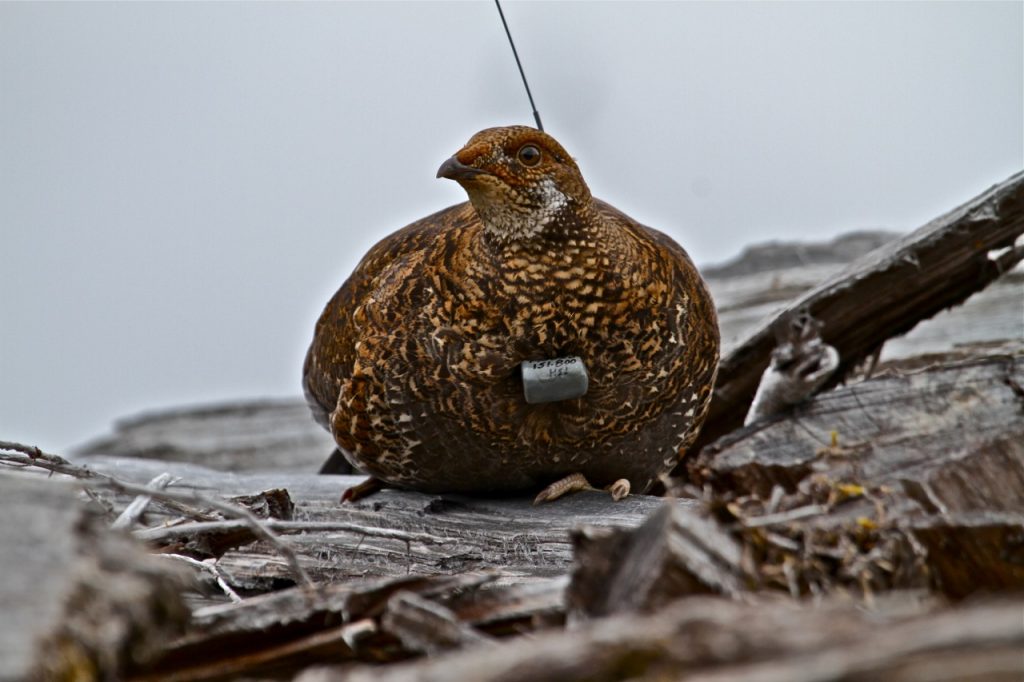
Sooty grouse sporting a radio telemetry collar

Guest post by Berry Wijdeven, Ministry of Forests, Lands and Natural Resource Operations

On a clear day, you can see the British Columbia mainland from the shores of Haida Gwaii. The archipelago is only about 80 km from the mainland coast but weather and waves can make the distance insurmountable. The people of Haida Gwaii have learned to adapt to this relative isolation through patience and creativity, and so has the local flora and fauna.

The adaptations of local wildlife are wide-ranging and sometimes dramatic. Because Haida Gwaii rainforests tend to be dark, local birds, including goshawks, saw-whet owls and hairy woodpeckers have darker plumages compared to their mainland counterparts. It is hypothesized that this adaptation helps to conceal them. Goshawks have also adapted with decreased wingspans to manoeuvre more easily through the narrow flyways below the dense tree canopy. Haida Gwaii bears have developed the largest skulls of any North American Black Bear, likely due to a different suite of available prey items, while smaller critters such as marten and ermine sport skull shapes and sizes substantially different from those of their cousins on the mainland. Local marten, taking advantage of the large niche created by the lack of local mid-sized predators, have grown bigger than their mainland counterparts and may be capable of preying upon larger mammals, such as introduced deer.

The Haida Gwaii subspecies of saw-whet owl, known as the brooksi, is the only native species of owl on-island. This local subspecies has discovered that intertidal zones boast an abundance of food, such as beach hoppers and other invertebrates. Since the owls are not threatened by other night time predators such as the larger owl species found on the BC mainland, they can freely gorge themselves on these intertidal critters. Blue herons have changed their behaviour as well. In response, perhaps, to the vast numbers of island eagles, they have abandoned their colonies and now nest in single nests, well away – sometimes up to 10 km – from the ocean. In fact, while both blue herons and saw-whet owls are typically migratory birds, the local populations have adapted to live in Haida Gwaii year-round.

These unique relationships and interactions make studying wildlife on Haida Gwaii a fascinating undertaking. When the Haida Gwaii Sooty Grouse Research Project started seven years ago, the researchers weren’t looking for the unexpected; after all, grouse behaviour had been studied pretty comprehensively elsewhere. The research team was interested in finding out whether the local grouse population, an important prey item for goshawks, was in decline and if so, why. Was it the habitat changes brought on by forest harvesting? The influence of the large number of introduced deer? Other factors?

To find out what was going on, the team caught more than a hundred and seventy grouse and fitted them with radio collars. This enabled the researchers to track the birds’ movement patterns, determine seasonal habitat usage, and locate grouse nests. When, during the breeding season, a tagged female stopped moving for a few days, it was a good bet she had started nesting. Using radio telemetry, the nest was located and a motion detection camera deployed to hopefully record hatch success.

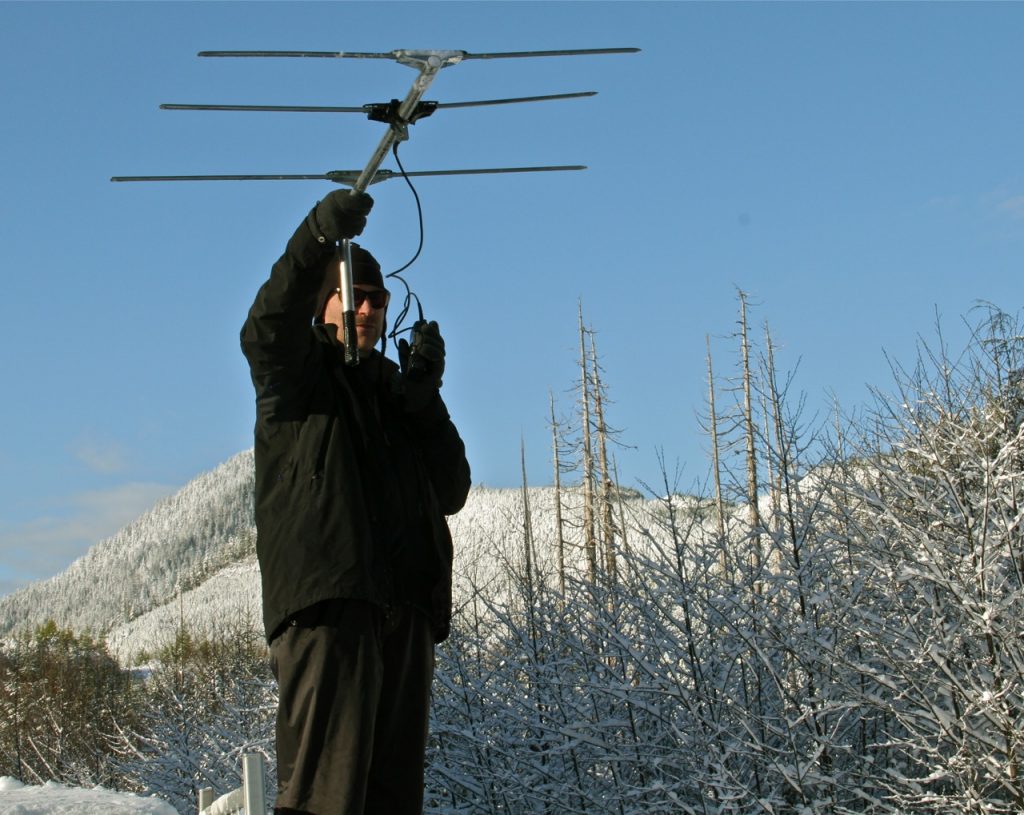
Radio telemetry is, at times, more of an art than a science. While the basics are pretty straightforward – you put a radio transmitter on a critter, release it and then use a receiver to lock onto its unique radio signal to help guide you to its current location – in the real world this guiding is less straight forward. The radio signals don’t travel in straight lines; they bounce off slopes, are re-directed by trees or rocks, are affected by high moisture content in the air and can be nearly silenced when the source signal is located in a depression. For rookie field crews, initial searches involve a lot of unnecessary bushwhacking, bog traversing and fighting off salal attacks, in search of an ever changing, at times seemingly illusive signal. Researchers quickly learn to “read the sign”, including accounting for topographical or vegetation impacts to the signal, checking directions frequently and constantly adjusting their path forward.

Telemetry

When you walk towards a radio signal, you judge your progress by how strongly the signal is received. When the signal gets stronger, the beep gets louder, signalling that you are getting closer. This aural assistance disappears when you get within 20-30 meters of the transmitter. At this point, the signal is as strong as it is going to get and it now becomes a matter of visually locating the grouse wearing the collar. Crews tread carefully at this stage, not just to prevent the grouse from moving off her nest, but also, literally, from not stepping on a grouse.

Sooty grouse belong to the family Tetraoninea which also includes Spruce grouse, Ruffed grouse, Sharp-tailed and Sage grouse as well as Ptarmigan and Prairie chickens. This family has a wide distribution ranging from Iceland and Greenland to Eurasia and North America. While they have adapted to a wide variety of ecosystems, one characteristic that has remained commonplace is their choice of nesting sites. Whether it’s the arctic tundra, coastal rainforest or inland plains: grouse typically nest in shallow depressions on the ground, often beneath cover, with a thin lining of plant material. Not the most secure of locations, but somehow it has been sufficiently successful to maintain the species.

In characteristically Haida Gwaii fashion, local Sooty grouse behave atypically. The research crew discovered that somehow the island grouse must not have gotten that ground-nesting memo. They first observed some grouse nests located on high stumps, which was unexpected and interesting. Soon thereafter, a grouse nest was detected 2.5 meters up in the air on a 45 degree leaning tree. That created some excitement amongst the crew, thinking they might have located the highest known grouse nest in North America.

That was only the beginning. By the next field season new nest champions emerged, nestled ever higher in the crooks of trees or on mossy platforms on tree branches. While exciting, trying to find these nests often proved problematic. Locating nests in dense understory was one thing, but looking up into a cluster of trees, hoping to spot a remarkably well camouflaged grouse took time, skill and a healthy dose of luck. Mossy platforms, more often associated with Marbled Murrelet nests, turned out to be popular sites for the non-conformist tree dwelling grouse. Sometimes, after extensive circling, using binoculars and zoom lenses, looking for the right angle to get a glimpse, it would be the tail feathers, sticking up or sticking out which would give the grouse away. Or, surprisingly perhaps, often it was the bird’s eye in the sky, staring intently at the interlopers below.

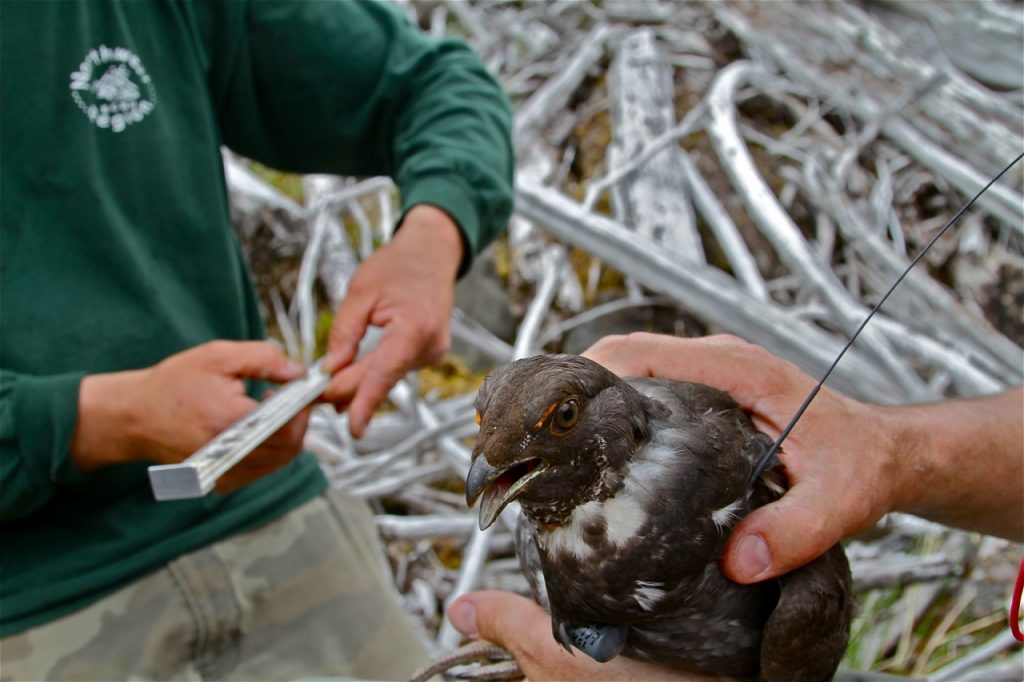
Recording grouse data

By the end of the study, some 15 grouse tree nests had been located with the highest one hidden away 18 meters up high. Straight up. And they say grouse aren’t good flyers! Mind you, not all Haida Gwaii grouse nested in trees, in fact they nested just about anywhere: on stumps, on logs, on top of root wads, on a cliff, inside hollow trees, inside waste wood piles in a variety of tree species, and on the ground. Every nest search created excitement. The crew would never know what nest location choice that particular grouse had made, or why. Was it to evade predators? Avoid the wet understory? Hopefully, the upcoming data analysis will provide answers. Meanwhile, the research team will remember this particular study fondly. In spite of the aches and pains, the ineffectiveness of their rain gear for the Haida Gwaii weather, the miles and miles of searching and bushwhacking, they gained a new respect for the adaptiveness of the Sooty grouse.

For more information on this project contact:

Frank Doyle at wildlifedynamics@gmail.com or

Louise Waterhouse at Louise.Waterhouse@gov.bc.ca

The Haida Gwaii Sooty Grouse Project was spearheaded by Frank Doyle of Wildlife Dynamics Consulting and Louise Waterhouse, Coast Area Research, Ministry of Forests, Lands, Natural Resource Operations and Rural Development. Other team members included Melissa Todd, Coast Area Research, FLNRORD and Ross Vennesland, Parks Canada. Field technicians included Gerry Morigeau, Kiku Dhanwant, James MacKinnon and Miranda Barnhardt. Special thanks to management and staff at the Haida Gwaii District, FLNRORD without whose enthusiastic participation and support this project would not have succeeded. Thanks also to Mike Schroeder. Funding of the project courtesy of Habitat Conservation Trust Foundation, FLNRORD, Parks Canada, Husby Forest Products and the Upland Bird Society.

Wed, 7 Nov 2018

Wolverines in the News

Wolverines

Habitat Conservation Trust Foundation is very pleased that one of the projects we support has received a bit of media attention as of late!

Cliff Nietvelt of the Government of British Columbia Ministry of Forests, Lands, Natural Resource Operations & Rural Development (FLNRORD) is pursuing a 3 year project on Wolverine movements, home range and habitat use in the South Coast region. Cliff has been a wildlife ecologist for 20 years, and has led and conducted the entire wolverine inventory in the South Coast region since 2012.

Cliff’s project was highlighted in a variety of publications, including the Globe and Mail and the Squamish Chief.

We’re proud to partner with the Forest Enhancement Society of BC to help fund this vital project. In early November, FESBC committed $3 million towards conservation projects that will be awarded and administered by HCTF.