
Wed, 16 Sep 2026

2026 Recipients of the HCTF – Al Martin Scholarship!

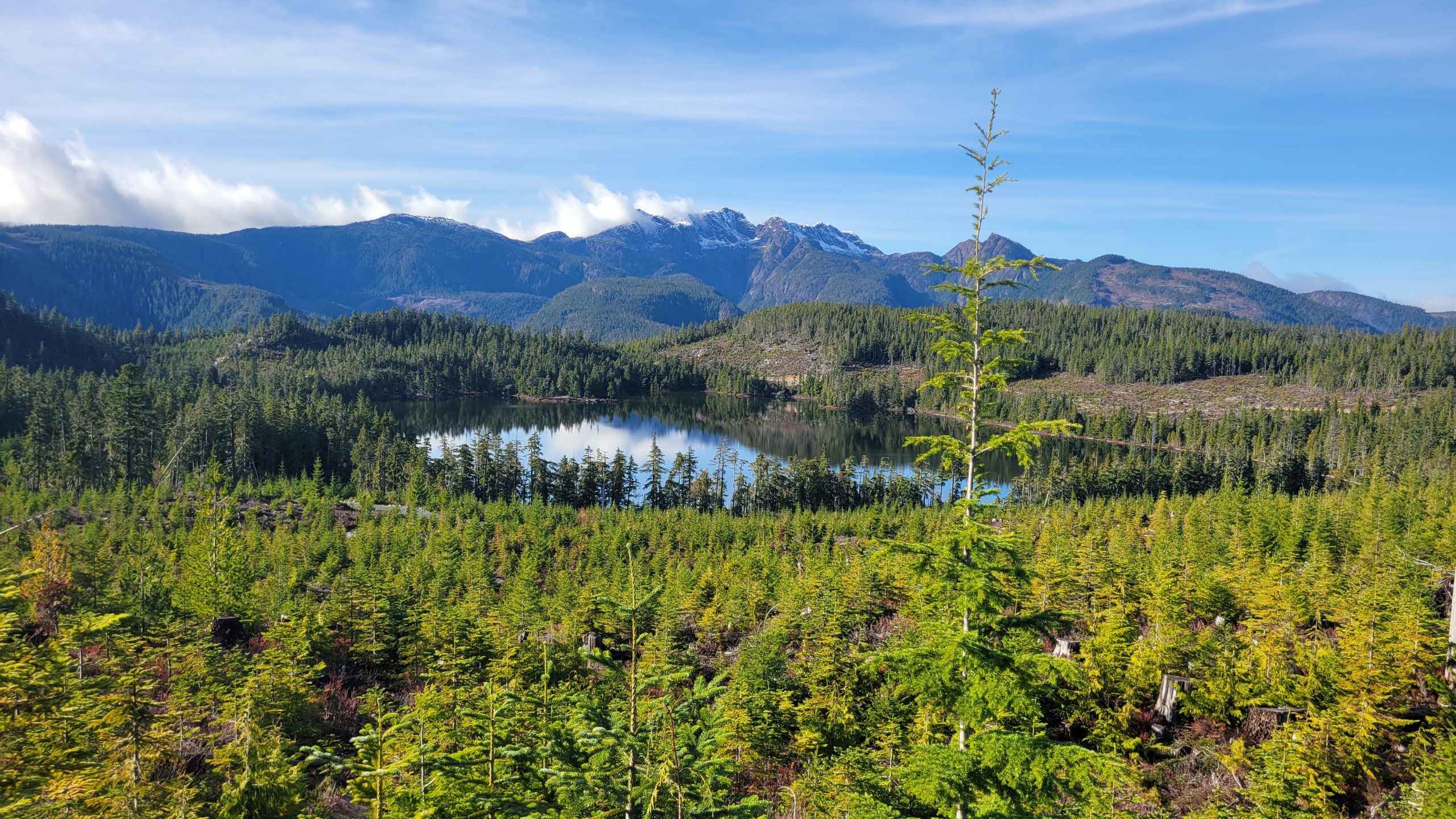
Photo By: British Columbia Conservation Foundation
Project 1-664

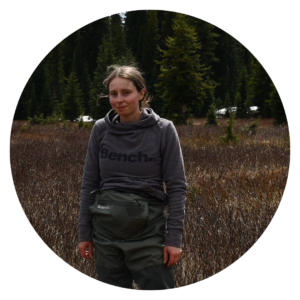
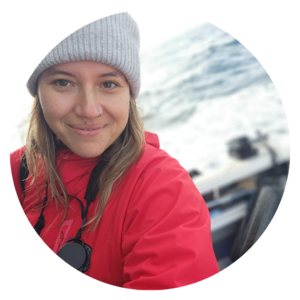
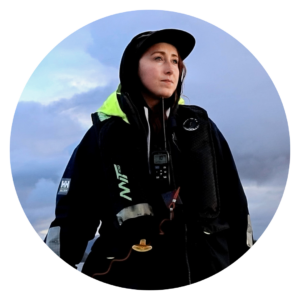
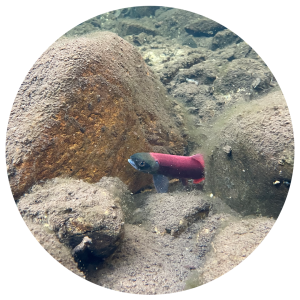
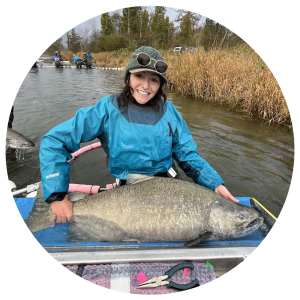
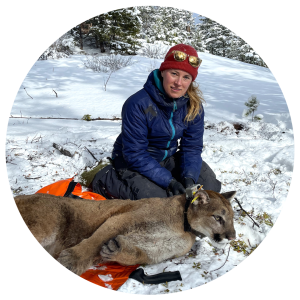
HCTF and HCTF Education are proud to announce the 2026 Al Martin Conservation Scholarship recipients: Allison Pugh, Clare Kilgour, John Gray, Kevin Petersen, Megan Buers, Robyn Denn, Sabine Rankin, Sonya Pastran, Sydney Dixon 

The Al Martin HCTF Conservation Scholarship is dedicated to supporting graduate students who are passionate about fish or wildlife conservation and management in British Columbia. Each recipient is awarded a $10,000 scholarship to further their research. This year, HCTF has expanded the number of Al Martin Scholarship recipients to nine students from various post-secondary institutions across BC. 

These scholarships are in honour of Al Martin, a highly respected figure in conservation. Al began his career in 1977 as a biologist in Penticton, BC, and held several key positions over the years, including Fisheries Manager, Director of the Watershed Restoration Program, Director of the Fish and Wildlife Branch, Executive Director, and Assistant Deputy Minister of Agriculture and Fisheries. After retiring from BC public service, Al continued to lead in conservation as the Director of Strategic Initiatives for the BC Wildlife Federation and served on HCTF’s board. Although Al passed away in October 2019, his legacy of integrity, humour, and passion for preserving fish and wildlife habitats for future generations lives on. 

HCTF is proud to invest in the future of conservation by supporting students like these. 

More About Al 

2026 Recipients 


Allison Pugh  

Allison Pugh is a MSc student in the Natural Resources and Environmental Studies program at the University of Northern British Columbia. Her research focuses on how freshwater fish respond to environmental change, with a particular interest in habitat use and the conservation of cold-water fish species. The findings will help identify critical habitats and support conservation planning for rainbow trout in British Columbia. 

More About Allison 

Clare Kilgour 

Clare Kilgour is a PhD student at the University of British Columbia. Her research examines how road salt pollution affects the early development of Pacific salmon in urban streams of British Columbia’s Lower Mainland. Focusing on coho salmon embryos, Clare is investigating the physiological mechanisms that drive mortality during short-term salt exposure. The findings will improve understanding of the risks posed by road salt contamination and help inform strategies to protect salmon populations in urban watersheds. 

More About Clare 

John Gray  

John Gray is a PhD student at the University of British Columbia (UBC) studying how rising water temperatures are affecting Threatened Nechako River Chinook salmon in north-central British Columbia. His research examines how Chinook salmon use thermal habitats across life stages, and how climate change and water management practices may reshape these habitats in the future.

More About John 

Kevin Petersen  

Kevin Petersen is a masters student at UNBC. Their research investigates whether glyphosate-based herbicides are linked to changes in the health of wild American martens and short-tailed weasels. Working with trappers, First Nations, and wildlife organizations, the student will measure herbicide exposure in animal tissues and examine potential effects on gut microbiomes, stress, and body condition. The findings will help address key knowledge gaps and inform forest management and herbicide-use policies. 

More About Kevin 

Megan Buers  

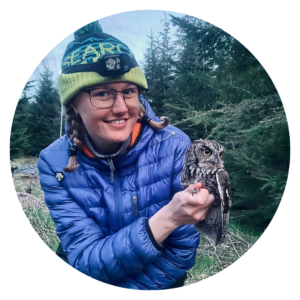
Megan Buers is a PhD student at the University of British Columbia Okanagan, studying how threatened Western Screech-Owls (Megascops kennicotii) move through managed forest landscapes on Vancouver Island. She has spent nearly a decade researching birds of prey, working with Northern Saw-whet Owls, Burrowing Owls, American Kestrels, and more across Canada. The research will help guide conservation efforts and sustainable land management practices that benefit both screech-owls and the broader forest ecosystems they inhabit. 

More About Megan 

Robyn Denn  

Robyn is a master’s student at Simon Fraser University. Her research is focused on understanding how wildfire disturbance influences spatiotemporal habitat use patterns of the Clark’s nutcracker and its mutualistic relationship with the endangered whitebark pine. By utilizing a combination of visual observation surveys, acoustic recording, and GPS tracking, she will describe spatiotemporal variation in nutcracker activity, examine how fire disturbance and whitebark pine stand characteristics influence habitat use by nutcrackers and assess whether nutcracker activity predicts seedling emergence across habitat types. This research will address knowledge gaps in our understanding of how wildfire disturbance influences habitat use and movement patterns of nutcrackers and its implications on whitebark pine regeneration and management. 

More About Robyn 

 Sabine Rankin  

Sabine Rankin is a MSc student currently studying at BCIT. Their research evaluates the effectiveness of low-tech process-based restoration techniques designed to improve stream and wetland health. Using hydrological monitoring and satellite imagery, they will assess whether these restoration approaches increase water storage, reduce flood and drought impacts, and improve ecosystem resilience. The results will help guide future stream restoration projects across British Columbia and beyond. 

More About Sabine 

 Sonya Pastran  

Sonya Pastran is a PhD student at the University of British Columbia’s Institute for the Oceans and Fisheries, supervised by Dr. Brian Hunt. Her research focuses on the habitat connectivity of the Threatened Marbled Murrelet, integrating movement ecology, diet, and habitat use to better understand the links between marine and terrestrial ecosystems. The findings will help identify and protect important habitats while supporting conservation efforts in partnership with the Council of the Haida Nation and the Pacheedaht Nation. 

More About Sonya 

Sydney Dixon 

Sydney is a master’s student at Royal Roads University. Sydney’s research focuses on how marine-derived nutrients influence the resource partitioning and spatiotemporal patterns of wolves, black bears, and cougars on the west coast of Vancouver Island. This research will provide data to support wildlife managers, land-use planners, and Nuu-chah-nulth Nations while contributing to the long-term conservation of British Columbia’s biodiversity and keystone species. 

More About Sydney 


If you or someone you know is interested in applying for the Al Martin Scholarship, click the link below.
Apply Now 


Fri, 12 Sep 2025

2025 Recipients of the HCTF – Al Martin Scholarship!

Photo By: British Columbia Conservation Foundation
Project 1-664

HCTF and HCTF Education are proud to announce the 2025 Al Martin Conservation Scholarship recipients: Olivier Jumeau, Alicia Woods, Noa Mayer, Torrie Nicholas, Larisa Murdoch, Grace Melchers, Julie Thomas, Selena Carl, and Shannon Werden.

The Al Martin HCTF Conservation Scholarship is dedicated to supporting graduate students who are passionate about fish or wildlife conservation and management in British Columbia. Each recipient is awarded a $10,000 scholarship to further their research. This year, HCTF has expanded the number of Al Martin Scholarship recipients to nine students from various post-secondary institutions across BC.

These scholarships are in honour of Al Martin, a highly respected figure in conservation. Al began his career in 1977 as a biologist in Penticton, BC, and held several key positions over the years, including Fisheries Manager, Director of the Watershed Restoration Program, Director of the Fish and Wildlife Branch, Executive Director, and Assistant Deputy Minister of Agriculture and Fisheries. After retiring from BC public service, Al continued to lead in conservation as the Director of Strategic Initiatives for the BC Wildlife Federation and served on HCTF’s board. Although Al passed away in October 2019, his legacy of integrity, humour, and passion for preserving fish and wildlife habitats for future generations lives on.

HCTF is proud to invest in the future of conservation by supporting students like these.

More About Al

2025 Recipients 

Olivier Jumeau

Olivier is a master’s student from Thompson Rivers University. His research working alongside Ulkatcho First Nation aims to provide a baseline of information to inform indigenous management of caribou habitat. By integrating Ulkatcho oral history, Dakelh linguistics and caribou-centric plots, and a holistic approach towards assessing habitat, Olivier hopes to better understand post fire habitat usage by caribou 

More About Olivier

Alicia Woods

Alicia is a PhD student working out of the University of Northern British Columbia. Her research is working to assess the responses of Stone’s sheep habitat treated with prescribed fire. To determine this, changes in forage quality, sheep diet, and stress hormones will be measured on burned and unburned sites before and after the habitat is burned. Alicia’s results will provide recommendations for the use of prescribed burning as a habitat management tool for Stone’s sheep and contribute to landscape management planning. 

More About Alicia

Noa Mayer

Noa is a doctorate student at the University of British Columbia. Their work, focusing on Kokanee salmon, is examining potential adaptions of Kokanee salmon that have allowed them to remain more abundant than other salmon species that are in decline due to climate change. Noa’s research seeks to answer how Kokanee respond to heat stress, what biological markers indicate when salmon are struggling, and which populations are most at risk as rivers continue to warm? This research aims to protect Pacific salmon and the communities that rely on them, ensuring these iconic fish persist despite a rapidly changing climate. 

More About Noa

Torrie Nicholas 

Torrie is a master’s student from Thompson Rivers University. Torrie’s research is focused on the impacts of predation on Chinook salmon by invasive Smallmouth bass. Working with the Okanagan Nation Alliance and the Department of Fisheries and Oceans Canada, Torrie is exploring the potential that Smallmouth bass are preying on juvenile salmon in key rearing and migrating habitats. To determine if this is the case, she will be analyzing the stomach contents of approximately 200 Smallmouth bass collected in the Okanagan area. This research will provide critical data to support conservation management strategies, mitigating threats to sk’lwist populations in the Okanagan. 

More About Torrie

Larisa Murdoch


Larisa is a master’s student at Thompson Rivers University. Larisa is studying whether female bighorn sheep select rugged, steep terrain—known as escape terrain—during the lambing season and how the availability of such terrain influences their ability to give birth and raise their young safely. Additionally, she is exploring whether herds are more successful when they have better access to escape terrain and the impact of cheatgrass on bighorn sheep movement patterns. 

More About Larisa

Grace Melchers


Grace is a master’s student studying at the University of British Columbia. Her research in partnership with the Tsleil-Waututh Nation, uses beach seining and eDNA to uncover the mysteries behind the early marine life stage of salmon entering Burrard Inlet, the water body supporting Canada’s largest port and BC’s largest city. Using eDNA Grace hopes to determine migration routes, preferred habitats, and possible interactions between fish that might occur during this stage that could affect their survival. 

More About Grace

Julie Thomas


Julie is a PhD student attending the University of Northern British Columbia. She is researching the impacts of cougar predation on Woodland caribou. Specifically, Julie is examining if feral horses are allowing cougars to exert more pressure on caribou by providing an additional food source to cougars, if increased feral horse abundance post fire is forcing caribou further into cougar ranges, and if the removal of cougar competitors (wolves) is allowing for a greater abundance of cougars. This research will improve our understanding of the predator-prey relationship of cougar and caribou, which has direct implications for woodland caribou recovery in BC and beyond 

More About Julie

 Selena Carl

Selena is a master’s student currently studying at Thompson River University. Selena’s work on the geographically distinct chinook salmon population in the Okanagan- Columbia River system seeks to address three knowledge gaps about this culturally important species. First the survival rate of hatchery juveniles, second what habitat is being used by juvenile chinook salmon and third is their outmigration behaviour. Results from this study will inform restoration efforts and recovery planning for this culturally and ecologically significant species and contribute critical insight to support their survival and recovery. 

More About Selena

Shannon Werden

Shannon is a master’s student conducting their research at Thompson River University. Her research seeks to address critical knowledge gaps in the reproduction and habitat use by fishers in the Interior Douglas-fir biogeoclimatic zone. To fill this knowledge gap Shannon will be tracking adult female fishers using radiotelemetry. Additionally, she will be assessing habitat quality to determine the drivers of reproductive output. By linking reproductive success to habitat characteristics, this research will help identify mechanisms limiting population growth and inform science-based forest management strategies. 

More About Shannon


If you or someone you know is interested in applying for the Al Martin Scholarship click the link below.

Apply Now