

Mon, 29 Jul 2019

Nature Clubs Program Connects BC Families with the Outdoors

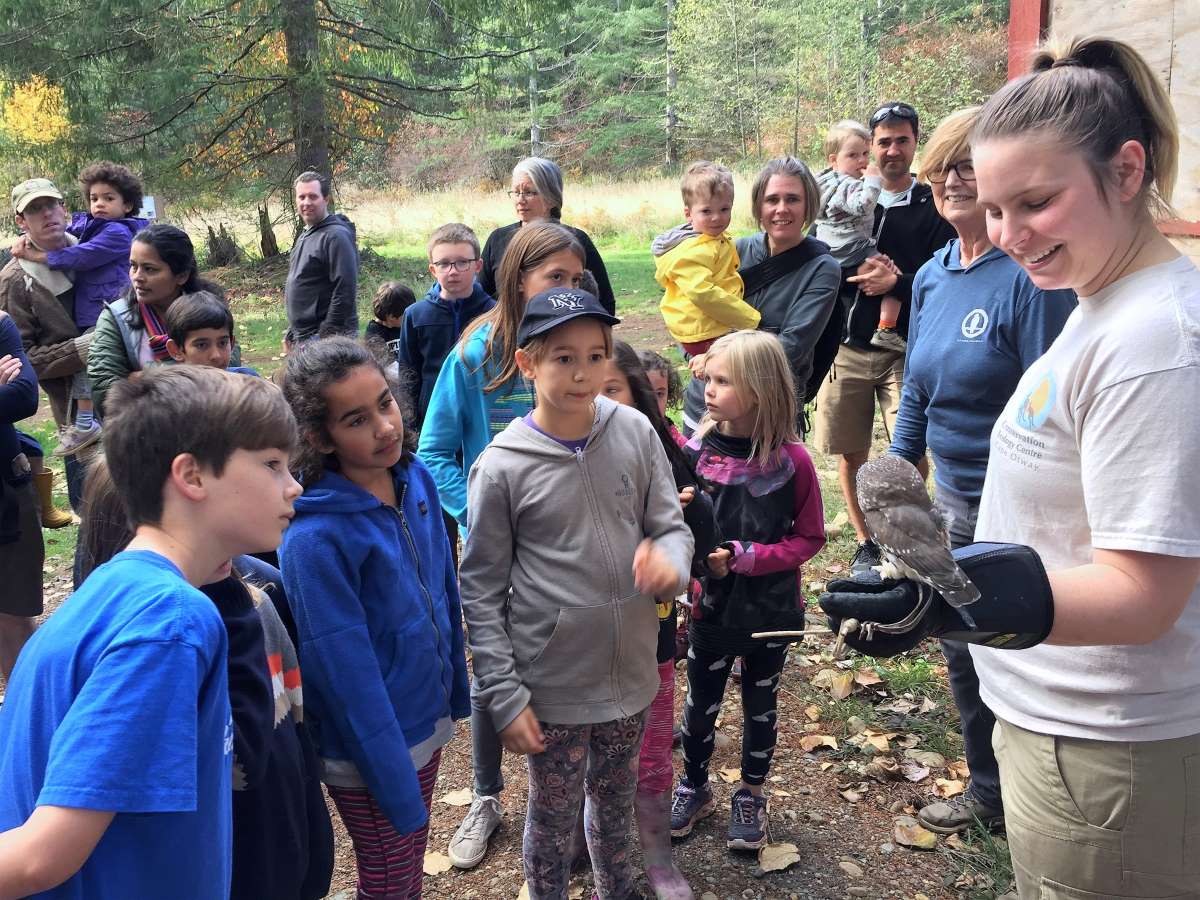
Learning about BC wildlife with nature mentor Jo Style. Photo credit H. Datoo.

More BC families will get outdoors to explore, learn and take action for nature, thanks to a $37,977 grant to NatureKids BC’s Nature Clubs program. The program’s network of more than 25 volunteer-led nature clubs encourages kids and their families to learn about BC’s wildlife, plants and wild spaces by connecting with the outdoors.

Sarah Lockman, Executive Director of NatureKids BC, says that strengthening the connection between people and the outdoors is more important than ever, as increasing numbers of British Columbians live in urban environments. Over the next year, more than 1,500 BC youth and their families will participate in over 2,500 outdoor adventures and projects through the Nature Clubs program. Activities include maintaining nest boxes, creating interpretive signage, bird counts and other citizen science projects.

The grant to support the Nature Clubs program was one of 170 provided by the Habitat Conservation Trust Foundation (HCTF) this year for BC conservation projects.

“HCTF has been a core funder of NatureKids BC for more than 10 years and we are privileged to have them as a partner,” said Lockman. “Relationships like these are critical to creating the next generation of nature lovers and environmental stewards and to ensuring that families are supported to get in touch with nature in their own backyards.”

HCTF Chair Dr. Winifred Kessler agrees. “Getting youth involved in conservation helps them build a lifelong connection to nature and feel that they can make a difference,” said Dr. Kessler. “We fund Nature Clubs and other environmental education projects because we know how important it is to create stewards – people who understand, value and help conserve biodiversity in BC.”

NatureKids BC also publishes NatureWILD, a quarterly magazine for families and elementary school students. This year they have also launched a Citizen Science project focused on bat education and advocacy. For more information, or to find a Nature Club near you, visit https://www.naturekidsbc.ca/


Photo:
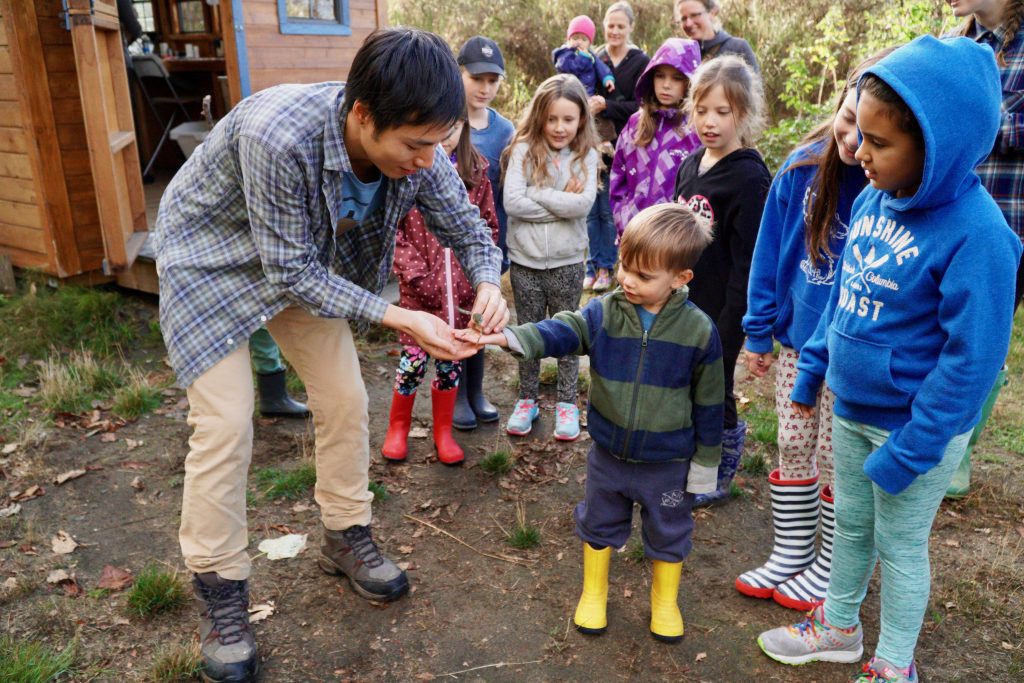
Bird banding. Photo credit: C. McQuillan


HCTF Contact:
Shannon West
Manager, Program Development
[email protected]
250 940-9789                                                  


NatureKids BC Contact:
Sarah Lockman
Executive Director, NatureKids BC
[email protected]
604 985-3059


Quick Facts:

  • The Habitat Conservation Trust Foundation (HCTF) began as an initiative of BC anglers, hunters, trappers and guide outfitters.
  • Since 1981, HCTF has provided over $180 million in grants for more than 2600 conservation projects across BC. This year, a total of $9 million has been awarded for projects in all regions of the province. You can find a complete list of HCTF-funded projects at https://hctf.ca/achievements/project-list/
  • Since 2000, more than 20,000 BC children aged 5-12 have participated in NatureKids BC Explorer Days and enjoyed NatureWILD magazine and other programs
Wed, 6 Feb 2019

WANTED: Reports of dead bats and of bats flying during winter

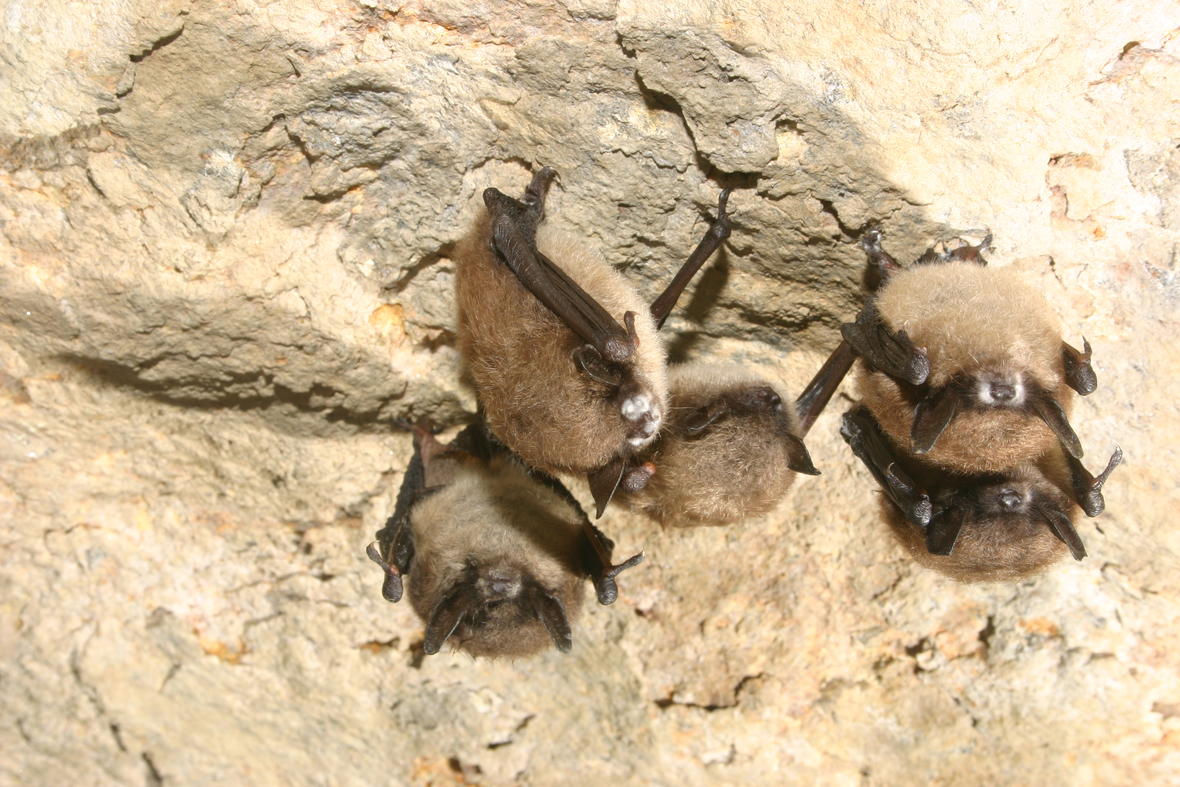
Hibernating Little Brown Bats - Al Hicks

Pubic help needed to monitor for bat disease

BC bats are threatened by disease, and researchers are again asking for the public to help. White Nose Syndrome (WNS), a fungal disease responsible for the death of millions of bats in eastern North America, has moved to the west coast.

Confirmed in Washington State just 150 km south of the BC-US border, the presence of the fungus is very worrisome for the health of our bat populations. The disease has near 100% mortality for some species of bats exposed to the fungus, including the familiar Little Brown Myotis. Although devastating for bats, WNS does not affect humans.

The BC Community Bat Program in collaboration with the BC government is requesting the public’s help in monitoring the spread of this disease. “We believe that our bats hibernate in relatively small groups across the province” says Mandy Kellner. “Detecting WNS in our province will require many eyes on the ground”. The typical first sign of this disease is bats flying during the winter, an unusual sighting at a time of year when bats should be hibernating. Another sign of the presence of WNS is the appearance of dead bats outdoors as they succumb to the effects of WNS.

“We are encouraging the public to report dead bats or any sightings of winter bat activity to the Community Bat Project (CBP) toll-free phone number, website, or email below. Bat carcasses will be submitted for testing for White Nose Syndrome and would provide the earliest indication of the presence of the disease in BC” says Kellner. Reports of winter bat activity will help focus research, monitoring and protection efforts.

If you find a dead bat, report it to the CBP (1-855-922-2287 ext 24 or [email protected]) as soon as possible for further information. Never touch a dead bat with your bare hands. Please note that if you or your pet has been in direct contact with the bat you will need further information regarding the risk of rabies to you and your pet.

Currently there are no treatments for White Nose Syndrome. However, mitigating other threats to bat populations and preserving and restoring bat habitat may provide bat populations with the resilience to rebound. This is where the BC Community Bat Program and the general public can help.

Funded by the Habitat Conservation Trust Foundation, the Forest Enhancement Society of BC, the Province of BC, and the Habitat Stewardship Program, the BC Community Bat Program works with the government and others on public outreach activities, public reports of roosting bats in buildings, and our citizen-science bat monitoring program.

To contact the BC Community Bat Program, see www.bcbats.ca, email [email protected] or call 1-855-922-2287 ext. 24.

HCTF is providing funding for the BC Community Bat Program through grants to project 0-476, Got Bats? B.C. Community Outreach, Conservation and Citizen Science Project