Mon, 16 Sep 2024

Restoring Black Cottonwood Forests of the Kettle River

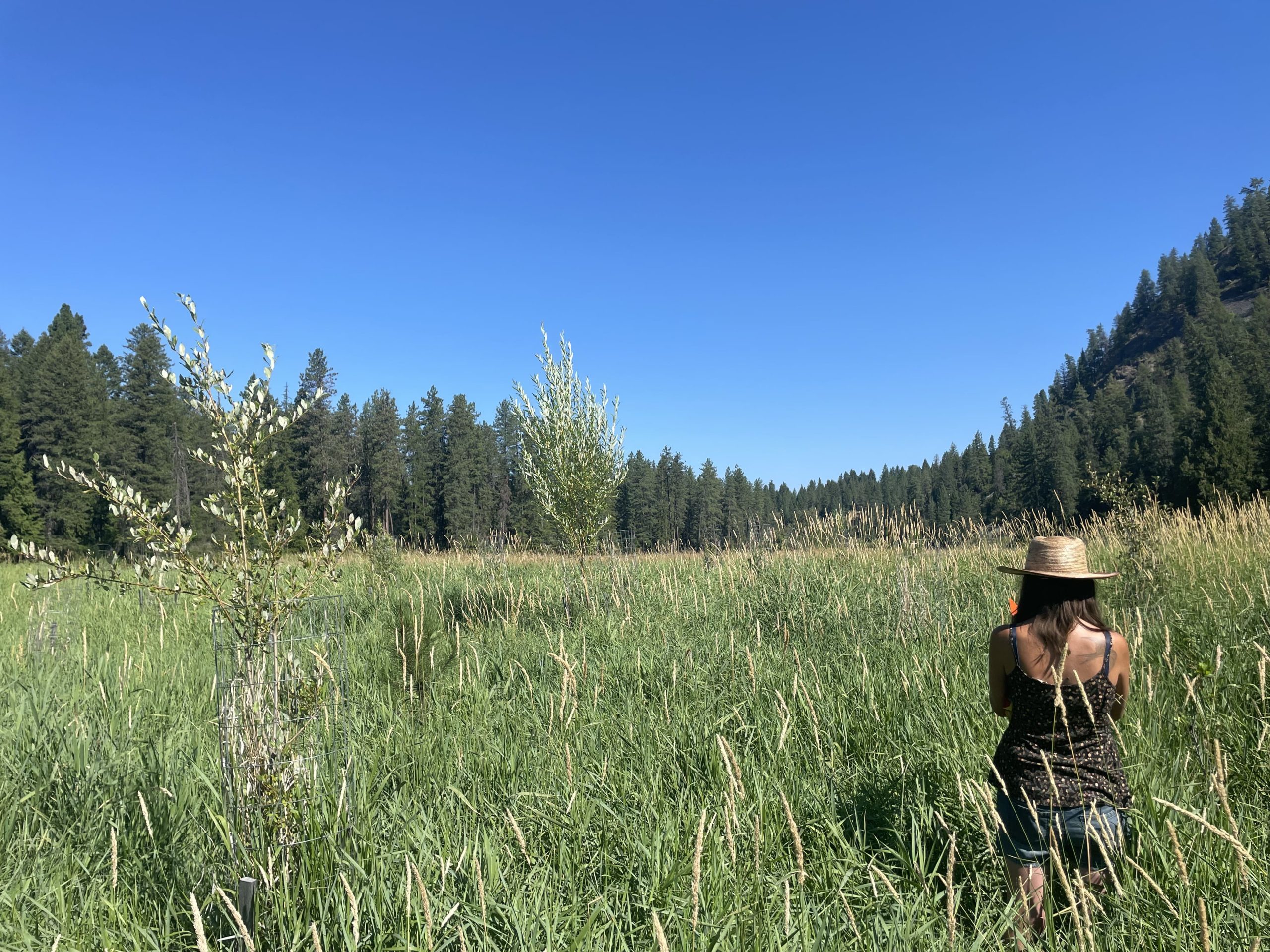
3-year-old cottonwoods growing amongst highly competitive reed canary grass - Barb Stewart

HCTF is proud to commit over $1.3 million in funding for wildlife conservation and conservation stewardship projects in the Kootenay Boundary region this year.

Among this year’s projects in the region is a multi-year project working to conserve the rare black cottonwood forests of the Kettle River. The riparian ecosystems (which help connect land to water and provide fish habitat in B.C.) are home to several species at risk and The Granby Wilderness Society has undertaken restoration work for several years to improve habitat. This year the Society is increasing its stewardship efforts by working with landowners to identify habitat concerns and assist with additional restoration efforts: “The biggest project successes are meeting landowners that have healthy riparian areas and are good stewards. Private lands play such an important role in conservation,” said project leader Jenny Coleshill.
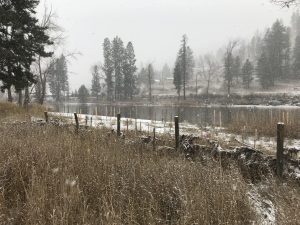
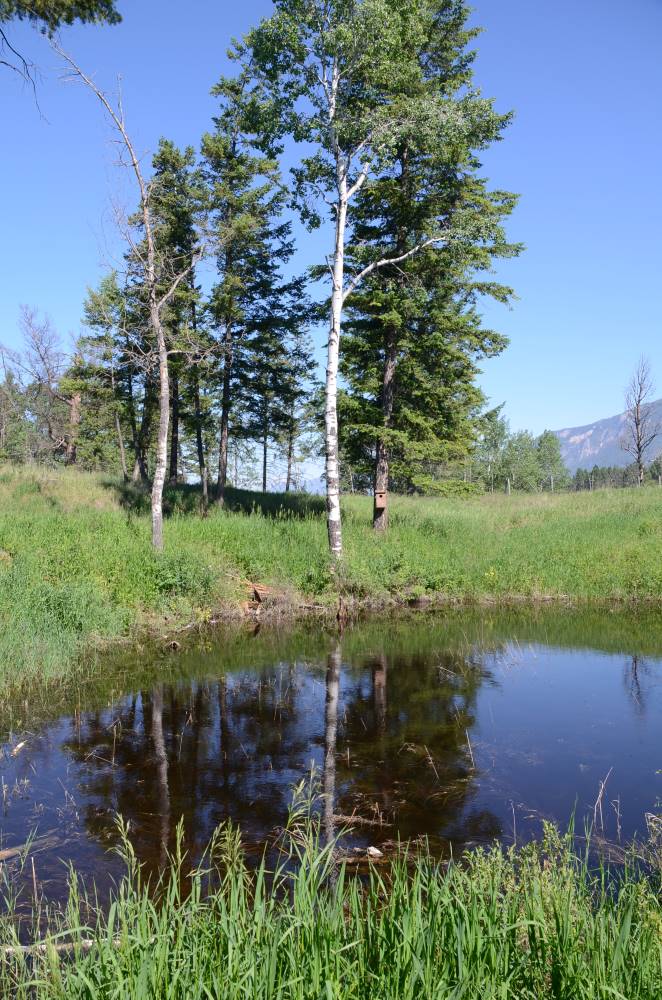
A site planted with rooted stock on the Kettle River north of Rock Creek – Barb Stewart

The project is being supported by the HCTF and the Forest Enhancement Society of BC (FESBC) with $30,480 in co-funding this year.

”HCTF and FESBC believe in the power of a partnership; just like the Granby Wilderness Society, local governments, and landowners who are working together to enhance riparian areas along the river,” said Dan Buffett, CEO of HCTF. “Establishing healthy riparian black cottonwood stands along the Kettle River supports our rivers as they are dynamic systems shifting between flood and drought states. A healthy riparian zone lessens flooding and drought impacts, improves water quality, and supports a more diverse and abundant population of aquatic and terrestrial species along with their habitats.”

Other HCTF-funded projects taking place in the Kootenays include:

  • $130,500 for a River Guardian program in eight Kootenay region watersheds to maintain or improve angling quality and protect our native freshwater fish populations.
  • $83,830 to enhance 112 hectares of elk winter range in the Upper Kicking Horse Canyon through thinning of immature forest to promote forage growth and allow ease of elk movement.
  • $70,150 to restore habitat on approximately 105 km of roads within the Columbia North herd of the Southern Mountain Caribou ecotype.
  • $38,222 for improving the basking log habitat for the blue-listed (Indigenous species which are vulnerable to the region) Western Painted Turtle on Erie Lake.
  • $50,000 for the 2024 Wetlands Institute in the East Kootenays, a seven-day workshop that provides practitioners with the tools and knowledge to initiate wetland stewardship projects.
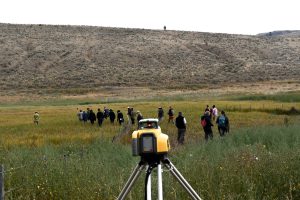
2023 Wetlands Institute Restoration Design – Jamie Long
Wed, 7 Jul 2021

Project Profile: Amoco Road Restoration Project

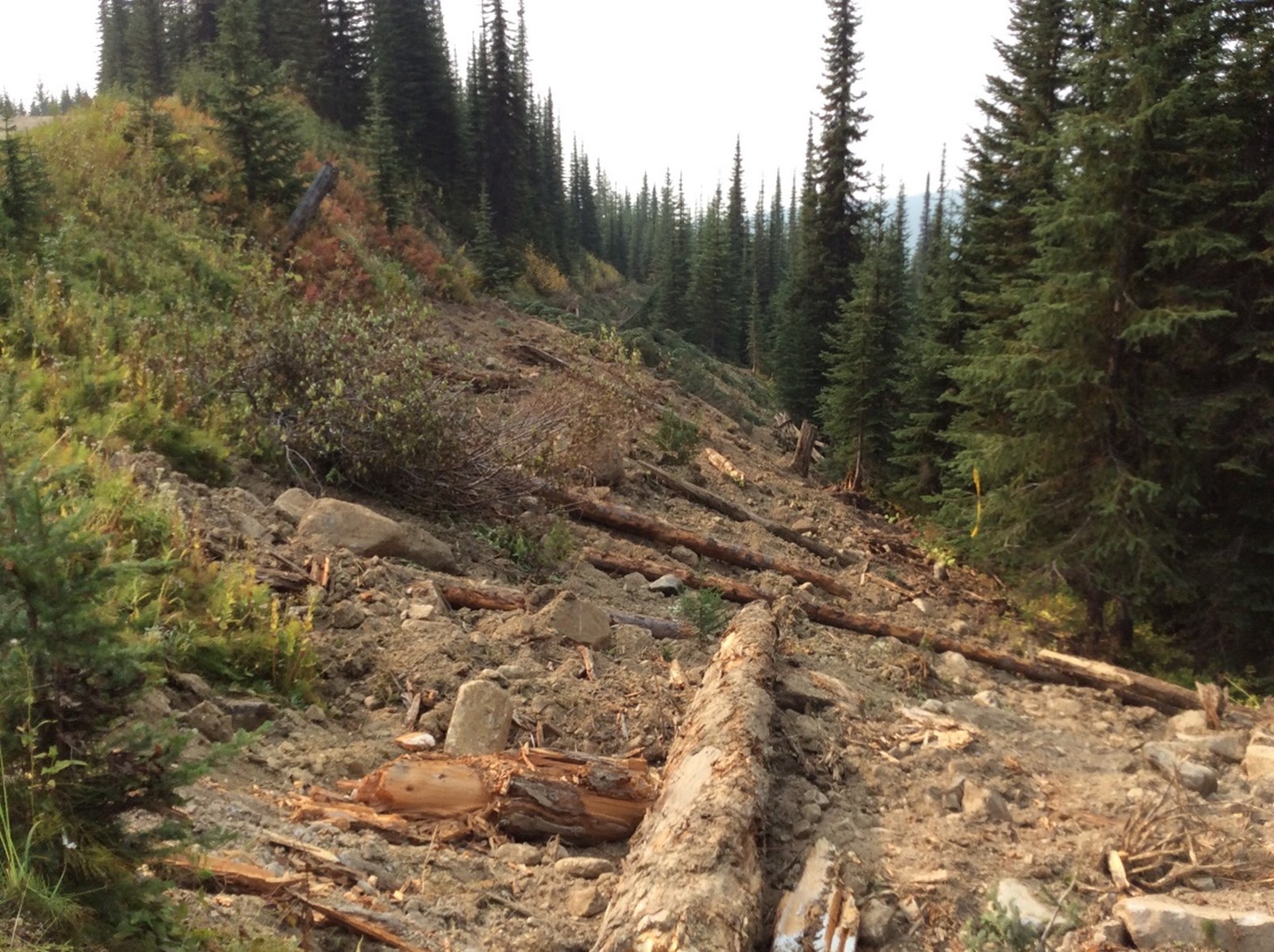
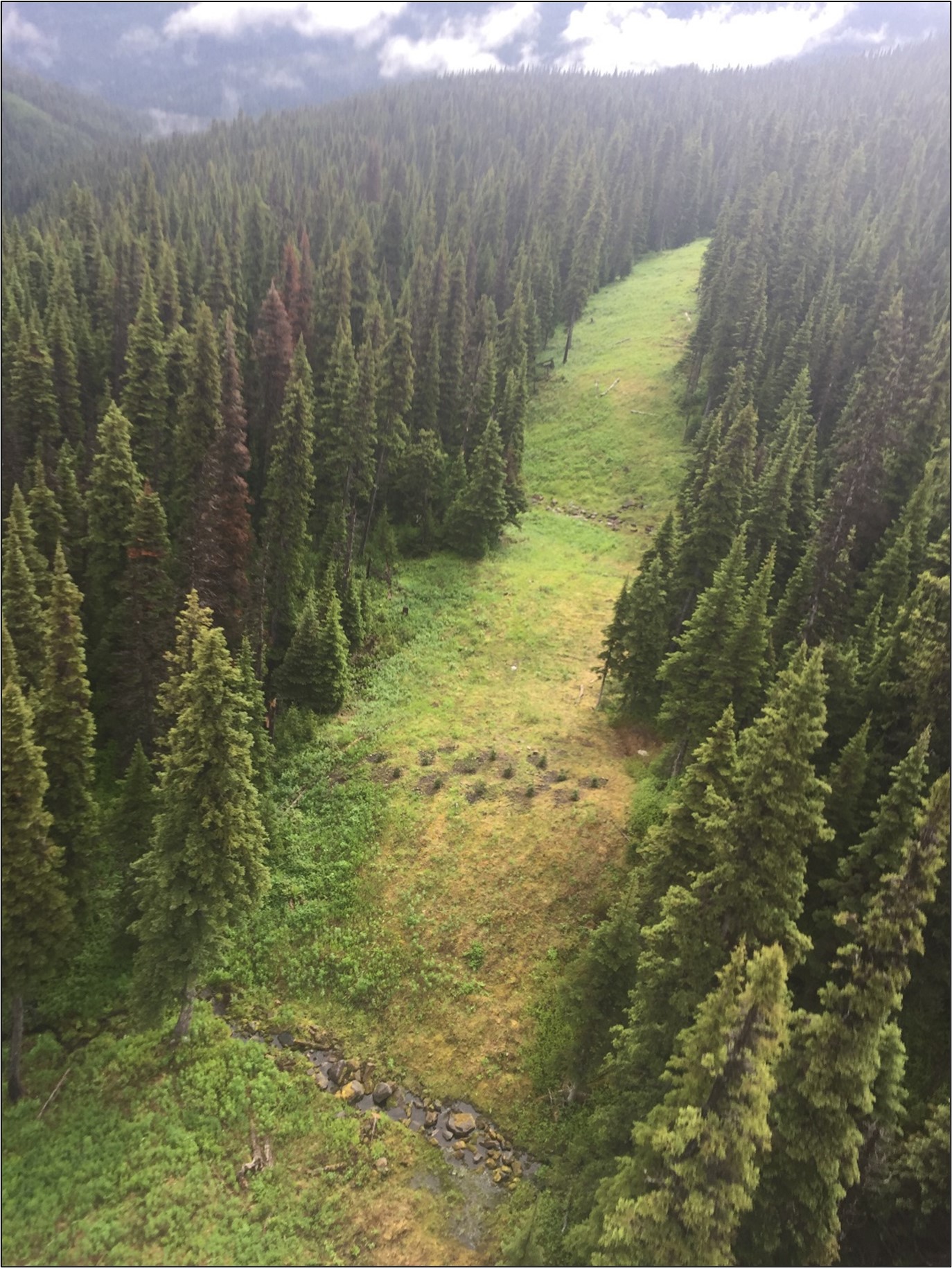
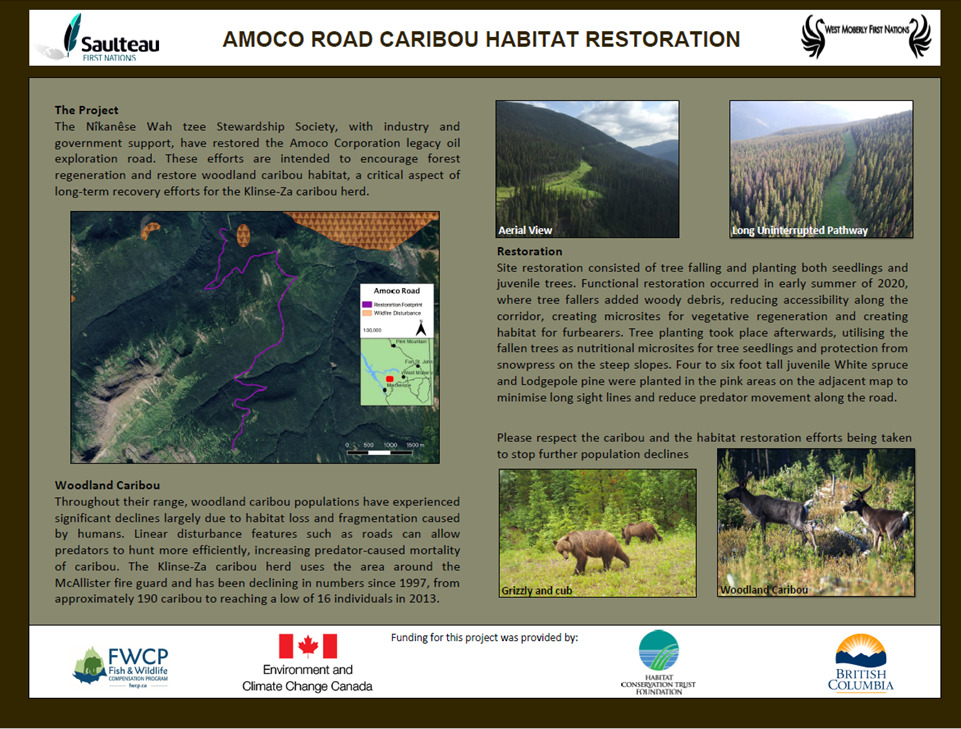
The Amoco Road restoration site is a legacy oil and gas road that stretches from valley bottom to the alpine in the Klinse-Za caribou herd in northeastern BC. Twenty-two years after the road was installed, the site is still dominated by non-native grass species, which has prevented naturally re-seeded seedlings from establishing and growing. As a result, the road remains a large scar on the landscape and fragments the mature forest ecosystem. The road also creates an easy travel route for predators to access critical caribou habitat in the alpine, and large stretches of open road also enable predators to spot caribou further away, improving their hunting efficiency. Use of the road by snowmobiles during the winter allows wolves easy travel along the packed trails into the alpine, increasing risk of predation on caribou. To speed up forest recovery and reduce the use of the road by predators, the Nîkanêse Wah tzee Stewardship Society has undertaken steps to restore the road to a forested ecosystem, thereby restoring critical caribou habitat. Restoration activities such as the planting of seedlings and juvenile trees along the road and the falling of dead trees across the road surface were completed in Summer 2020. These restoration activities will speed up natural forest regeneration and limit the ability of predators to use the corridor to access critical caribou habitat. Moving forward, activities, such as tree regeneration surveys and wildlife use monitoring, will be continued to determine the success of the restoration activities.

This Caribou Habitat Restoration Fund project was undertaken with the financial support of the Province of British Columbia and the Government of Canada through the federal Department of Environment and Climate Change.


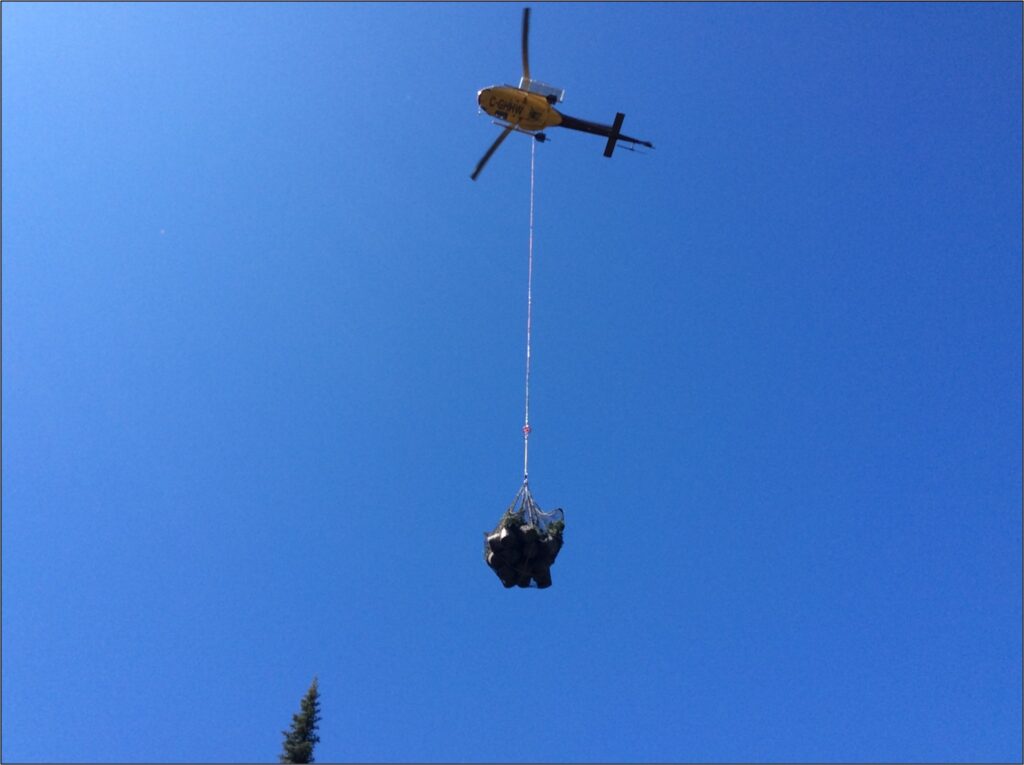
Amoco Road restoration helicopter

Juvenile hybrid spruce and lodgepole pine trees being transported onto Amoco Road restoration site, Summer 2020.


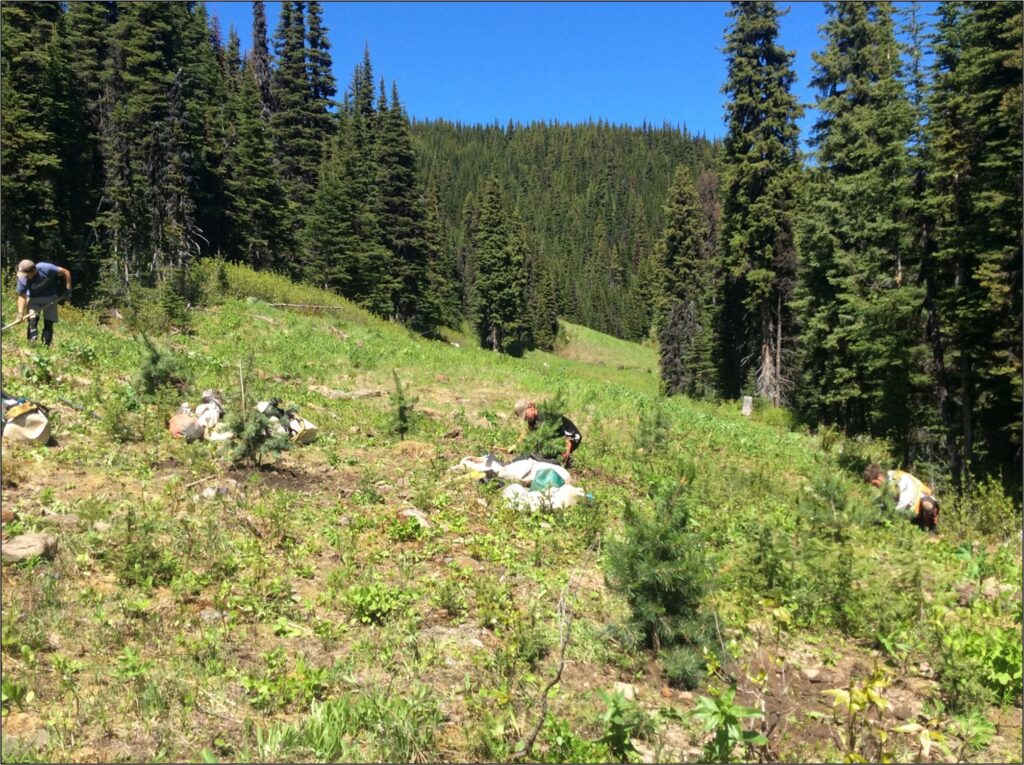
Crews planting juvenile hybrid spruce and lodgepole pine trees on Amoco Road.

Crews planting juvenile hybrid spruce and lodgepole pine trees on Amoco Road restoration site, Summer 2020.

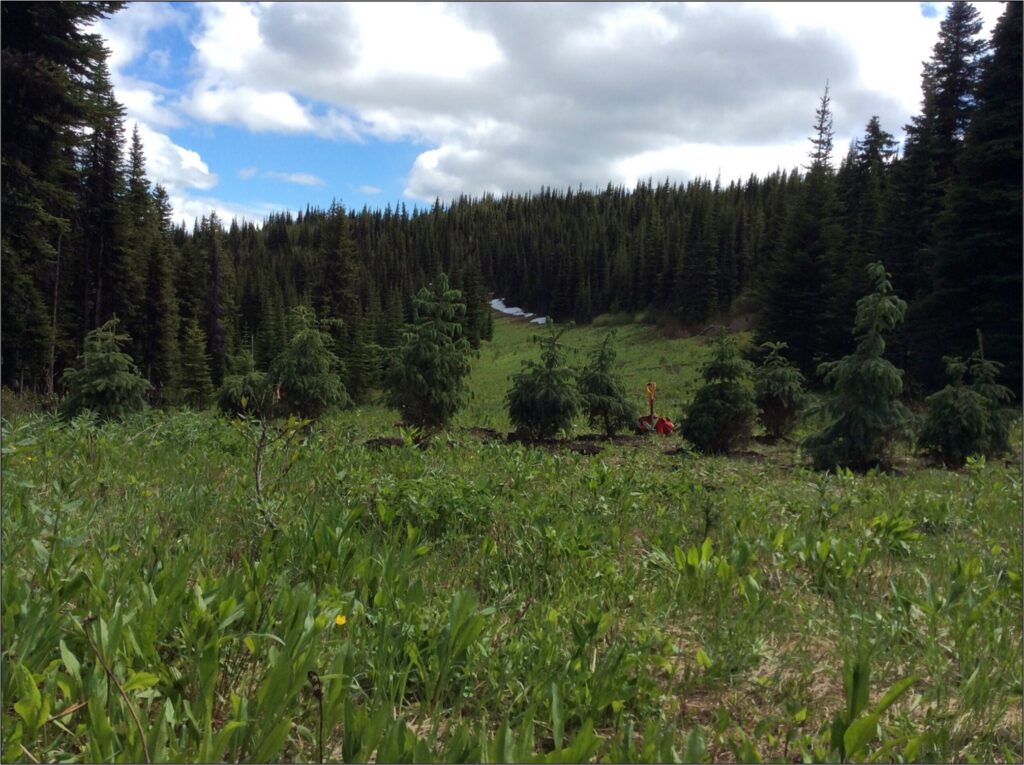
Juvenile hybrid spruce and lodgepole pine trees planted on Amoco Road.

Juvenile hybrid spruce and lodgepole pine trees planted in theatre-style spacing on one of the seven planting sites on Amoco Road restoration site, Summer 2020.

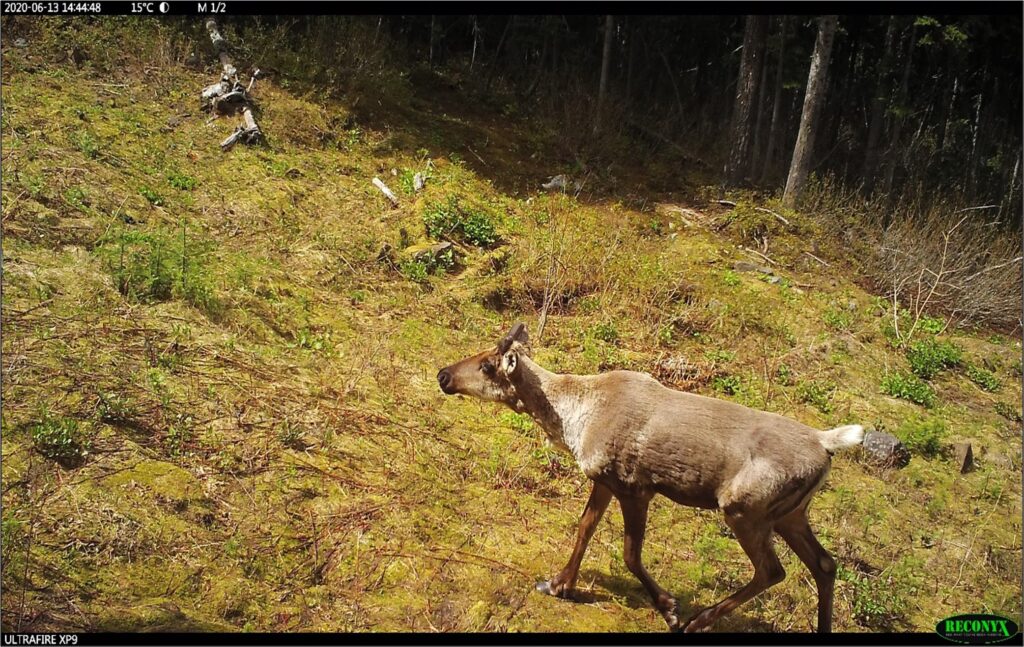
Caribou detected on a camera trap on Amoco Road restoration site, Summer 2020.

Caribou detected on a camera trap on Amoco Road restoration site, Summer 2020.


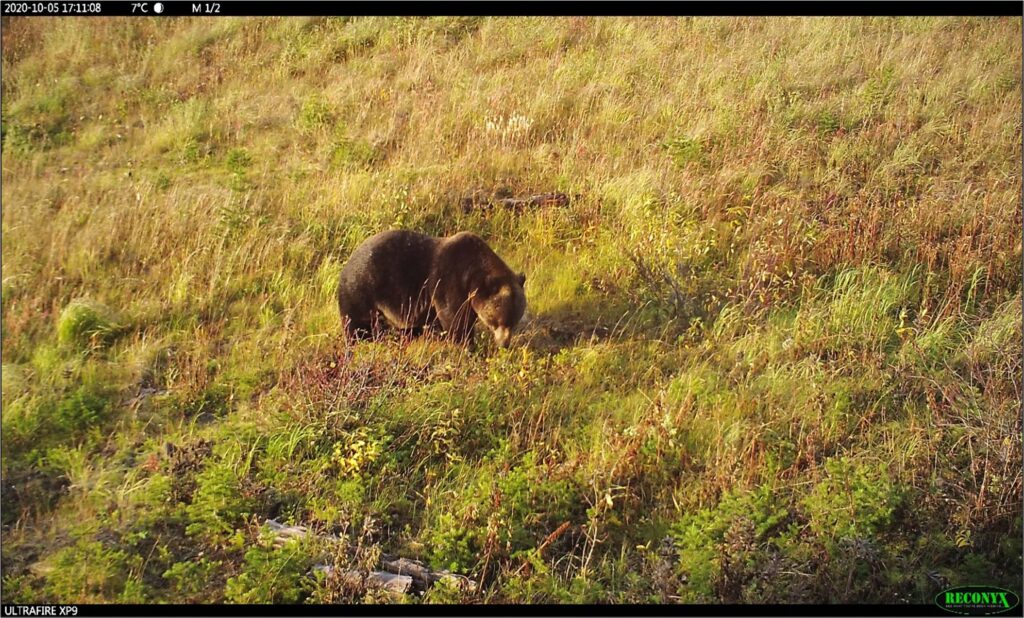
Grizzly bear

Grizzly bear detected on a camera trap on Amoco Road restoration site, Fall 2020.


Thu, 1 Jul 2021

Project Profile: Kotcho Lake Restoration Project

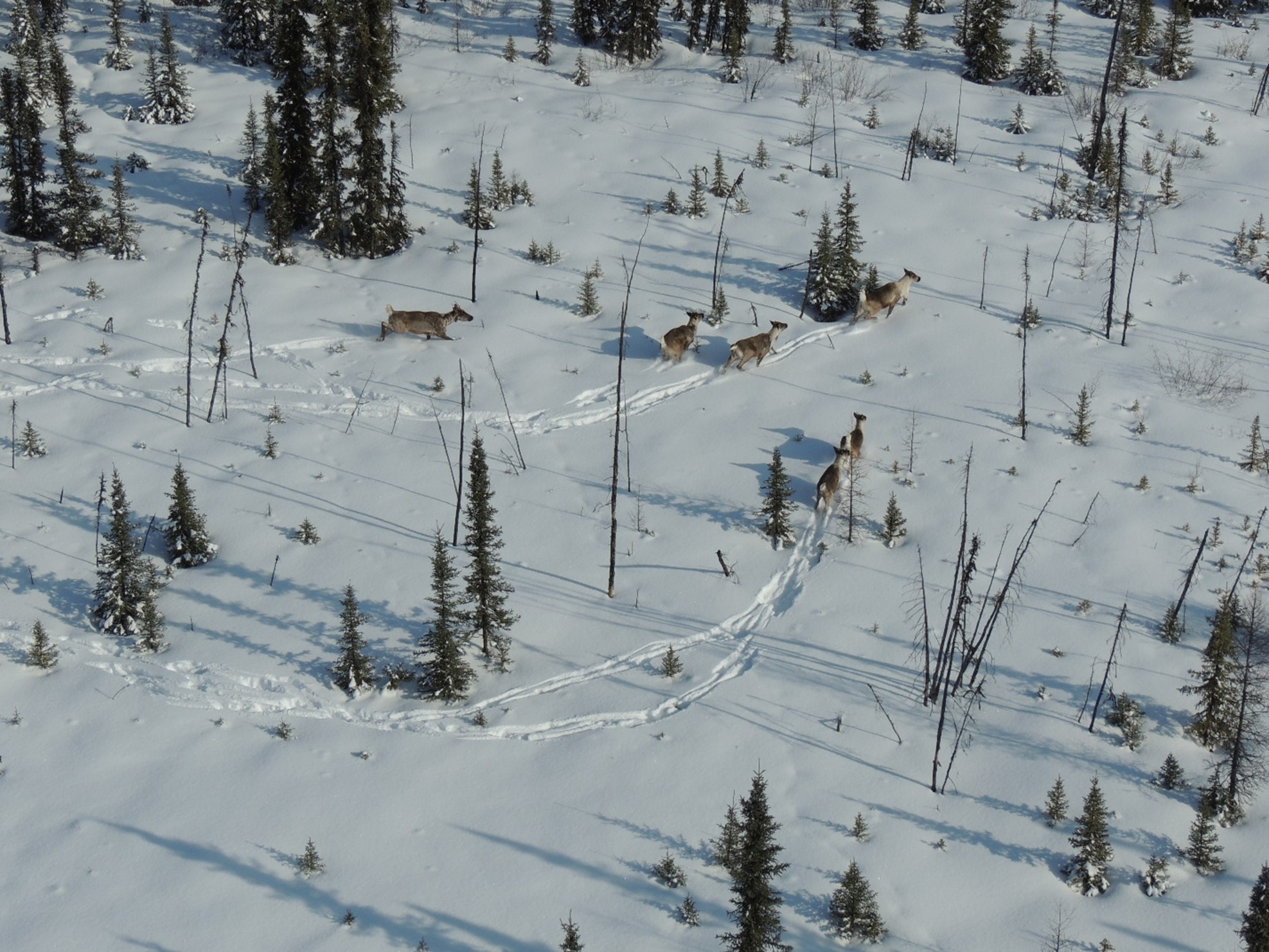
Aerial photo of caribou in Kotch Lake restoration area.

The Kotcho Lake Caribou Habitat Restoration Fund project is focused on restoring legacy seismic lines in core boreal caribou habitat located in the Snake Sahtenah range. Fort Nelson First Nation (FNFN) identified this area as a high priority for restoration due to the cultural importance of the area, the value of the area for caribou and other species, and the very high density of old seismic lines, which were not recovering on their own. Restoration work is conducted in the late summer, using light machinery to access intersections of old seismic lines and transplant “donor” mounds from areas beside the seismic lines. Donor mounds are then transplanted with black spruce seedlings, and trees are felled around the transplanted sites to block the lines until the mounds can establish. By treating in the summer, FNFN believe that restored sites will more closely resemble natural sites than areas treated in the winter. Summer treatments may also prove less expensive than winter work, which is currently the industry standard for restoring these sites. FNFN’s hypothesis is that the donor mounds will quickly establish on seismic lines and accelerate ecological recovery. By treating line intersections, they anticipate seeing reduced use of the untreated areas between the intersections by wolves and other predators. Overall, FNFN hope this approach (treating in the summer; hummock transplants and tree falling; focusing on intersections; and selecting key access routes) can result in effective restoration over a large area of the landscape. Monitoring of the vegetation response, the wildlife use of treated and untreated areas, and the overall cost of the treatments in comparison to winter work is ongoing to determine treatment effectiveness. You can read the full Year 2 technical report about this project here.

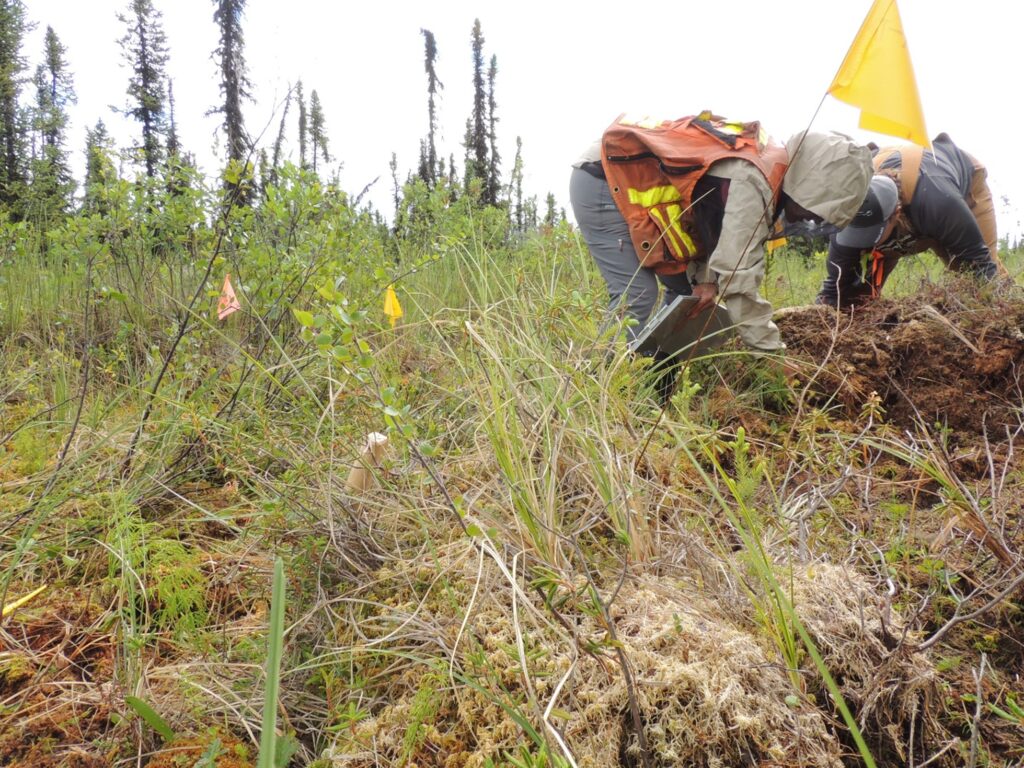
Katherine and Susan monitoring restoration works

Katherine and Susan monitoring restoration works

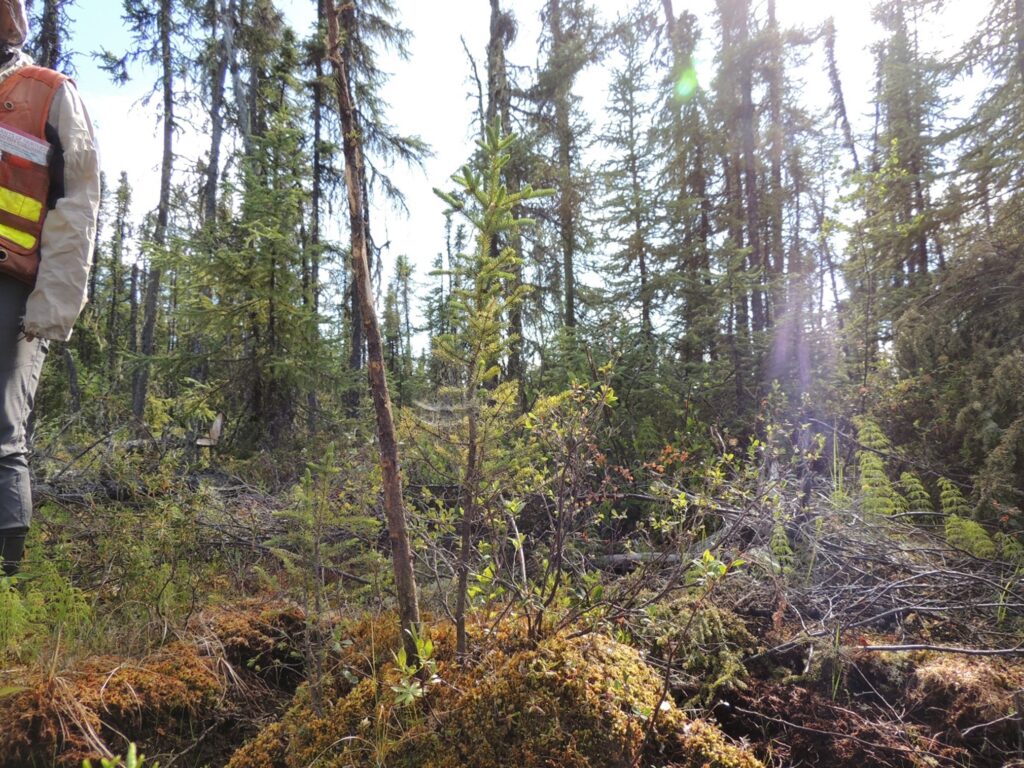
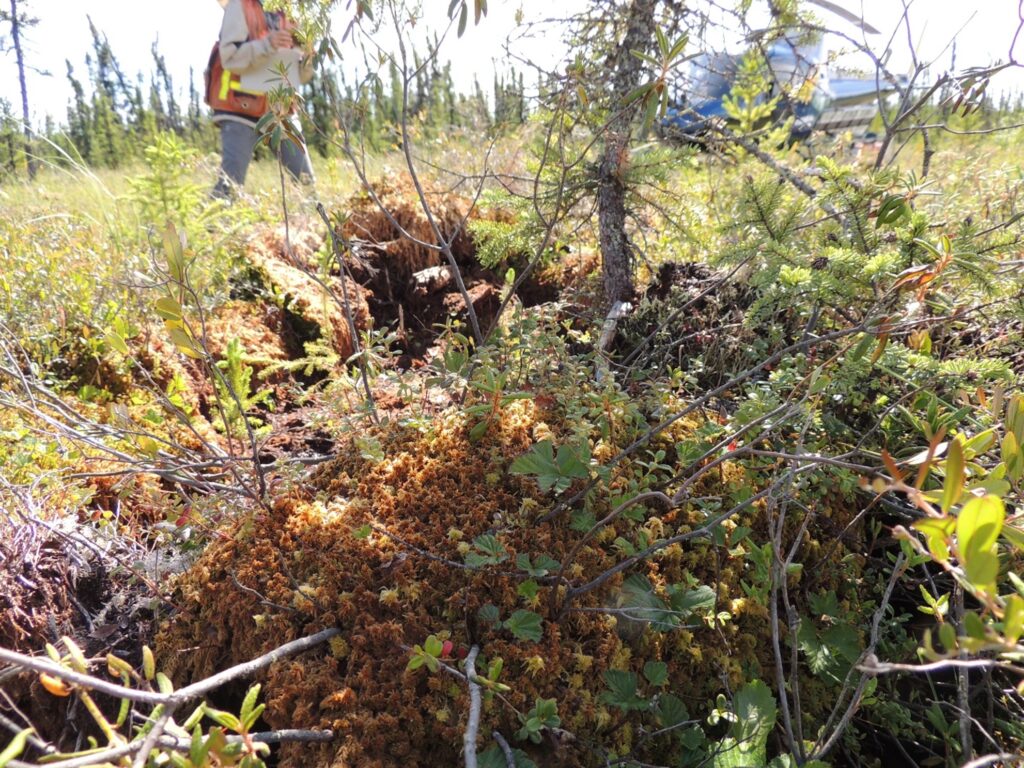
Tree growing like a boss in a transplanted hummock.

Tree growing in a transplanted hummock.


Woody vascular species also appear to be growing well on the hummocks.

We gratefully acknowledge the financial support of the Province of British Columbia through the Ministry of Forests, Lands, Natural Resource Operations and Rural Development for making this project possible.

Fri, 11 Jun 2021

Project Profile: Adams Groundhog Road Rehabilitation and Reforestation Project

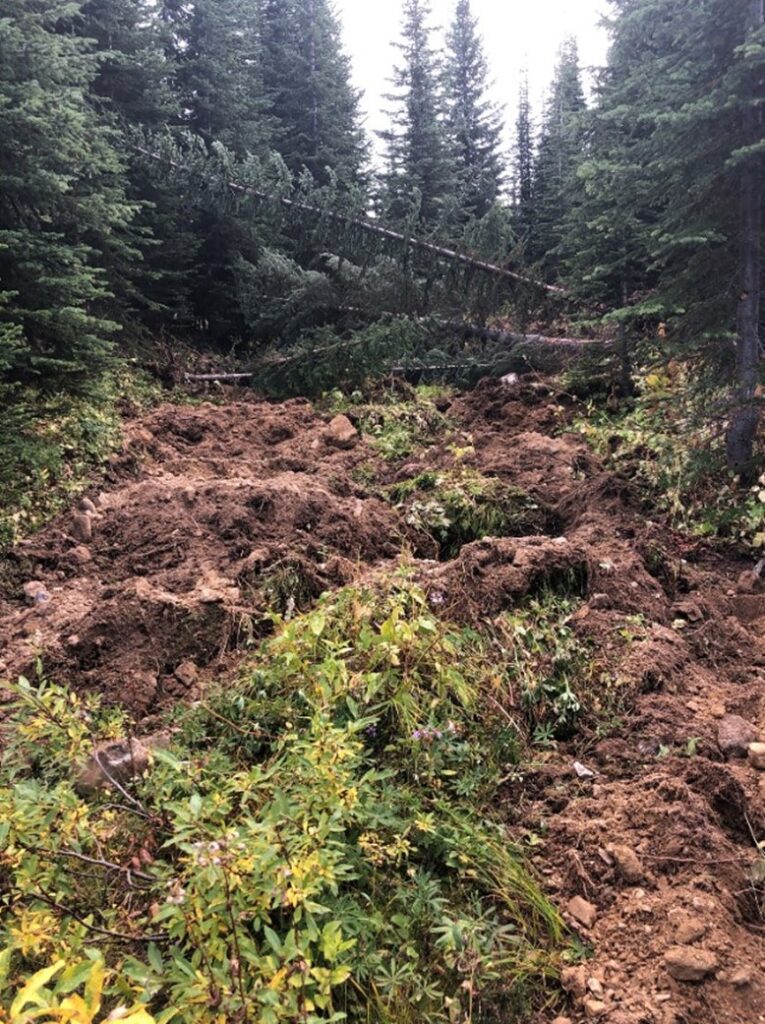
Goat Creek Road following treatment

This Caribou Habitat Restoration Fund project is designed to benefit the Groundhog caribou herd in the Upper Adams River Valley and is led by the Ministry of Forests, Lands, Natural Resource Operations and Rural Development. The project targets forest roads within, adjacent or leading to critical high elevation caribou habitat.

Forest professionals assessed and prescribed treatments on suitable roads that were no longer needed. In 2019-20, a total of 41 km of road was assessed and this led to 14.1 km of treatments being prescribed and completed in 2020. The primary treatment was road rehabilitation using an excavator to decompact the road surface, redistribute woody debris & organic material, and restore natural drainage patterns. Rehabilitation treatments prepared the sites for reforestation (tree planting) in 2021. Support and participation of First Nations was integral to the success of this project. Local First Nations supported restoration at this site and the Adams Lake Indian Band had the capacity and resources to complete all road works and provide professional oversight.

Before:

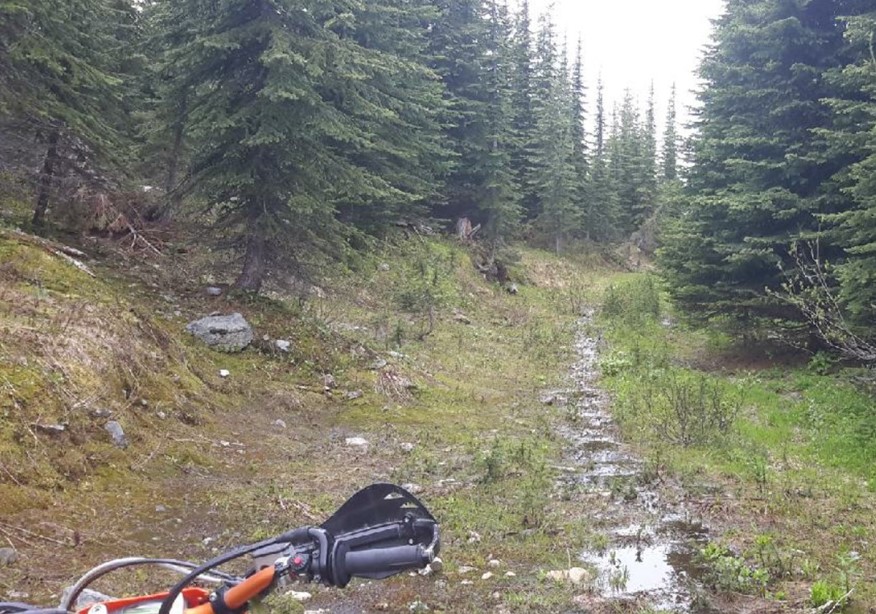
Goat Creek Road prior to restoration

Goat Creek Road prior to restoration.


After:

Goat Creek Road after restoration

Goat Creek Road after restoration

We gratefully acknowledge the financial support of the Province of British Columbia through the Ministry of Forests, Lands, Natural Resource Operations and Rural Development for making the Caribou Habitat Restoration Fund possible.

Sun, 21 Jul 2019

Saving Land for Bears and Badgers

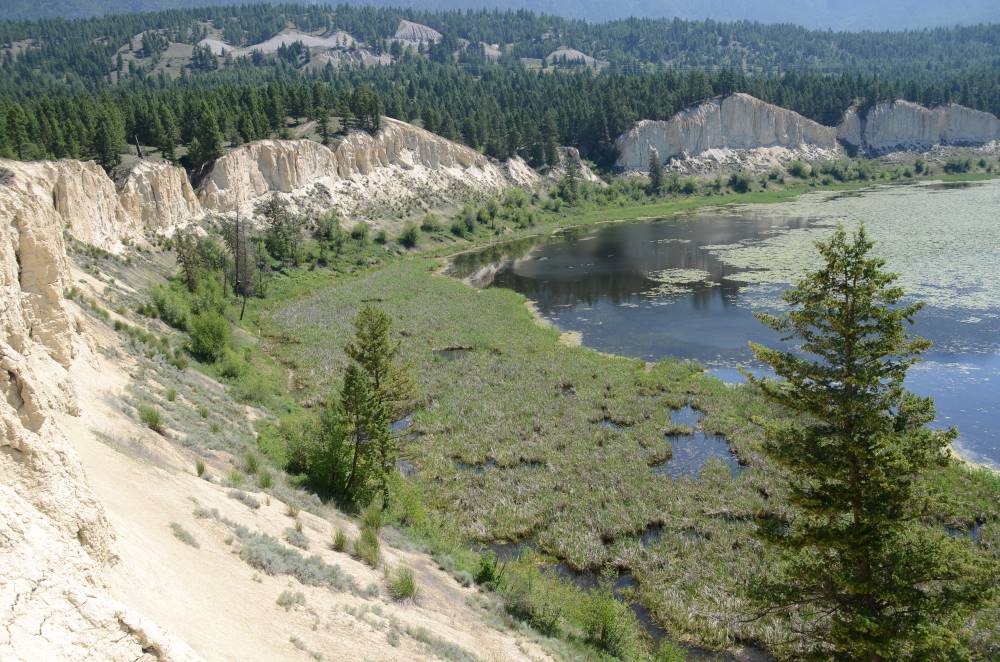
Edgewater property

The Habitat Conservation Trust Foundation is pleased to announce a new conservation property in the Kootenays.

Located near the community of Edgewater, the Columbia River Wetlands – Edgewater property covers 423 acres (171.5 hectares) and features outstanding habitat and connectivity for Grizzly Bears and American Badgers. It also provides winter range for Mule Deer, White-tailed Deer and Moose.

“The Habitat Conservation Trust Foundation is very pleased to support The Nature Trust of BC’s purchase of this conservation property, which provides important connectivity to the Columbia Wetlands,” said HCTF CEO Brian Springinotic. “Since 1981, HCTF has invested millions to help purchase over 20 conservation properties in the Kootenays, using funds provided largely by anglers, hunters, trappers and guides – the Edgewater project is the latest in a long history of investing for conservation in BC.”


This property will complement nearby Nature Trust conservation lands that are managed as part of the Columbia National Wildlife Area and Columbia Wetlands Wildlife Management Area. An additional benefit for wildlife is that the Edgewater property adjoins the Columbia Wetlands Wildlife Management Area which serves as significant migratory bird habitat for over 200 species.

“The Edgewater property has incredible diversity, ranging from wetlands to grasslands and open forest habitats,” said Chris Bosman, Kootenay Conservation Land Manager for The Nature Trust of BC. “From the upper benches, the views across the Columbia Valley and up and down the Rocky Mountain Trench are stunning. As a multi-generational family ranch, the land has been well cared for over the years by a conservation minded family. The Nature Trust looks forward to carrying on the tradition of responsible land stewardship.”