Mon, 7 Jan 2019

New Year, New Land

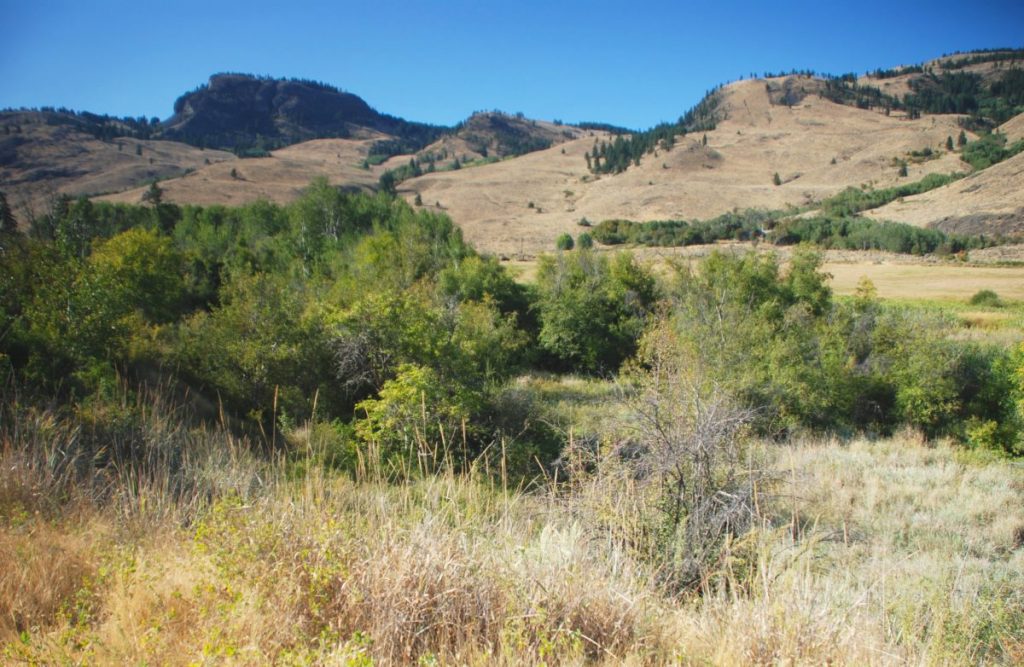
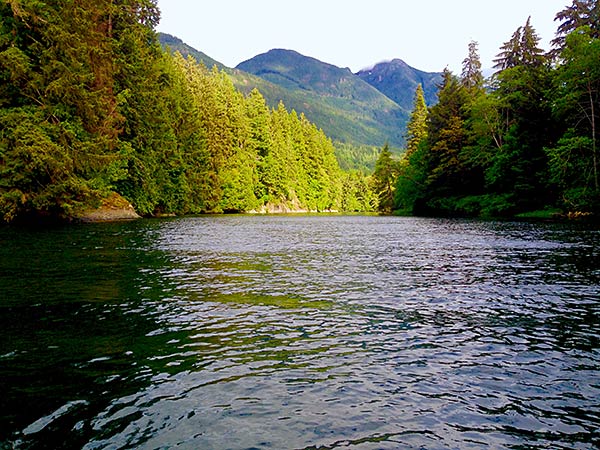
Park Rill Creek by Nick Burdock

HCTF is pleased to announce the acquisition of two new parcels of land in the Okanagan. A hotspot of biodiversity and of species at risk in Canada, the Okanagan has experienced significant conversion of wild land to other uses in recent decades.

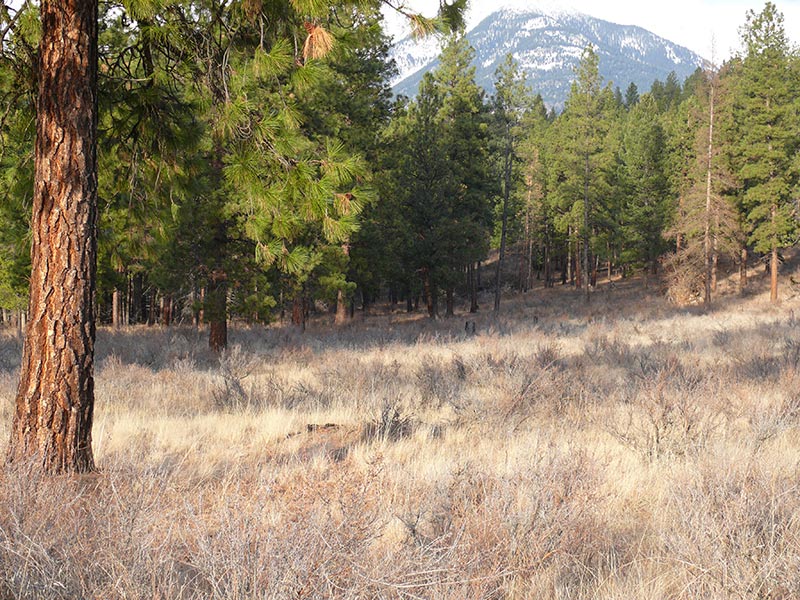
The Park Rill Creek property was purchased by The Nature Trust of BC. Located in the White Lake Basin in the South Okanagan, this 32.2 hectare (80 acre) parcel is home to some of the most endangered and rare species in our province such as the endangered Half-moon Hairstreak butterfly and the rare Painted Turtle. The property is rich with vegetation including aromatic gray sagebrush, desert grassland and broadleaf woodlands.

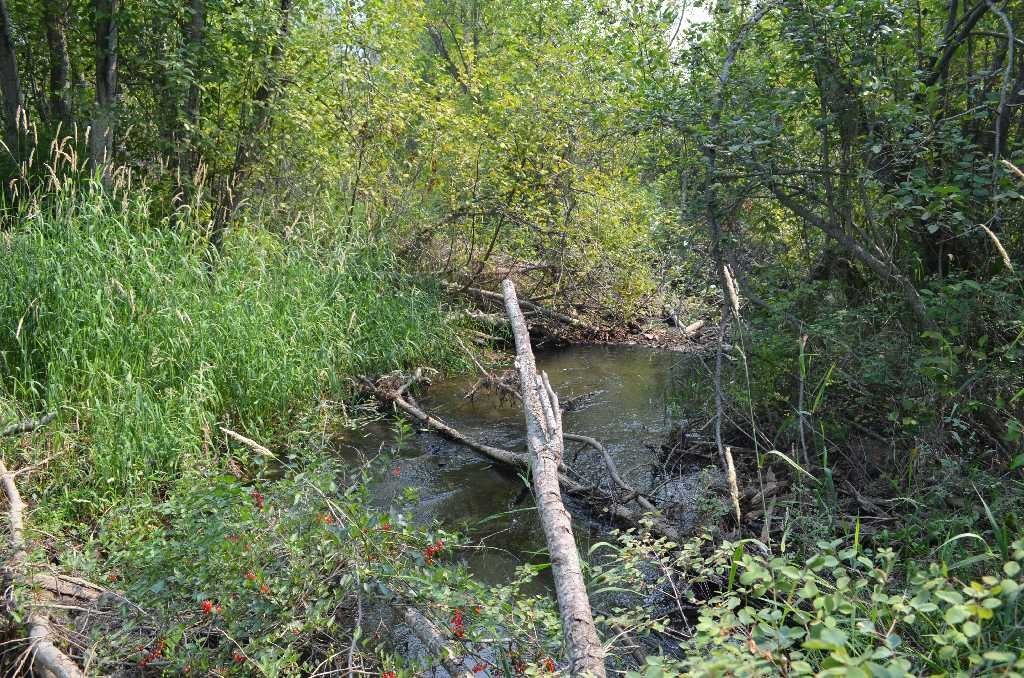
The R.E. Taylor Conservation Property, is named in honour of Ron Taylor of Winfield, BC, whose dedication and commitment to wildlife conservation in BC has spanned more than half a century. Ron helped to create the Southern Interior Land Trust (SILT), the purchasers of this property.

The property is a gem of intact streamside Water Birch forest, one of very few remaining in the Okanagan-Similkameen. It provides habitat for at least five federally-listed species at risk, including the Yellow-breasted Chat, Western Screech Owl and Lewis’s Woodpecker. It is also good habitat for deer, bear, bobcat and badger that travel across the valley, and for rainbow trout in the creek.

Significant contributions from HCTF, along with other funders mean long-term protection for these valuable ecosystems.

Thu, 3 May 2018

Premier Announces Eagle Heights Purchase

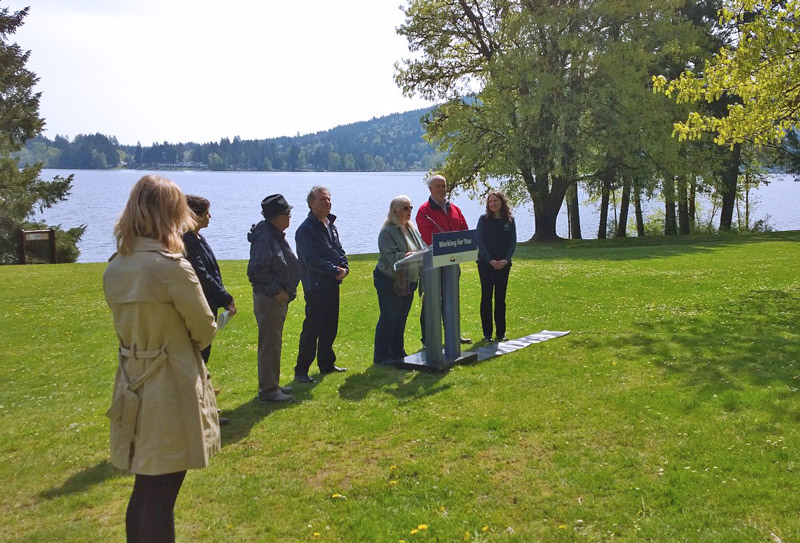
Premier John Horgan Announces the purchase and protection of the Eagle Heights property on Vancouver Island

Victoria, BC – Premier John Horgan has announced the successful acquisition of Eagle Heights Grasslands near Koksilah River Provincial Park. Premier Horgan, along with Ministry of Environment and Climate Change Strategy Minister George Heyman and Cowichan Valley MLA Sonia Furstenau, made the announcement on Thursday morning at West Shawnigan Lake Park. They were joined by representatives from Cowichan Tribes, the Cowichan Valley Naturalists and Habitat Conservation Trust Foundation (HCTF) who spoke about their roles in protecting this property and the value of partnerships.

HCTF contributed $400,000 to the purchase of Eagle Heights as part of its habitat acquisition granting program. HCTF CEO Brian Springinotic said the Foundation’s decision to partner with BC Parks on the purchase was because the property contains high-value habitat for many species of wildlife. “Eagle Heights is an interesting mix of habitat types, from pocket grasslands to old-growth forest,” said Springinotic. “These support a diverse assemblage of wildlife, including cougar, black bear, Roosevelt elk, and threatened species like Western Screech Owl and Northern Goshawk.” The Federal Recovery Strategy for the Northern Goshawk laingi subspecies has identified Eagle Heights Grasslands as one of 10 critical habitats on Vancouver Island. The property is also home to many rare and endangered plant communities.

Springinotic credits the province’s hunters and anglers for providing HCTF with the funding used to secure important habitat. “The reason we’re able to help with the purchase of Eagle Heights and the many other conservation properties we’ve helped fund over the years is the conservation surcharge on all angling, hunting, trapping and guide outfitting licences sold in BC,” says Springinotic. “We put a lot of effort into making sure the money raised through licence sales is invested into projects that will make a real difference for fish and wildlife. Buying land to protect its habitat in perpetuity is one way we are working to conserve this province’s incredible natural assets, for the benefit of all British Columbians.”

Thu, 24 Aug 2017

87+ Acres Conserved for Bighorn Sheep

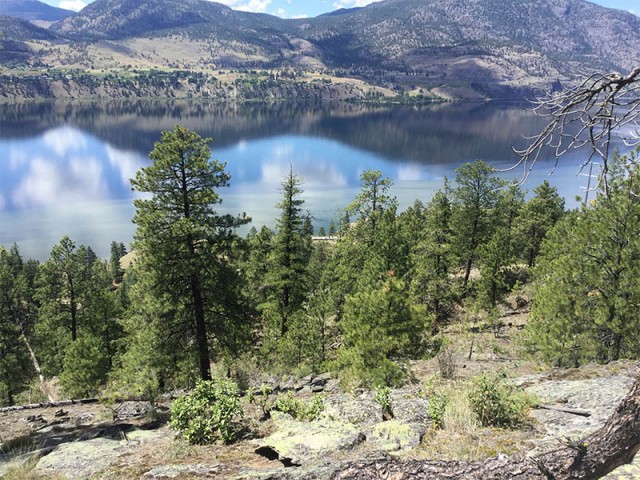
Skaha_Lake_eastside

Penticton—The Nature Trust of British Columbia is pleased to announce the purchase of the Skaha Lake Eastside property near Penticton with the support of many partners and donors.

“So glad there’s been success with the Skaha Lake property,” said Judie Steeves, West Kelowna freelance writer. “As a kid, I used to go hike up on those bluffs and sit and contemplate the future as I looked out over Skaha Lake. I love that area. Saw my first rattler in the wild there, too.”

This property which spans 35.4 hectares (87.5 acres) features critical habitat for Bighorn Sheep and other wildlife on the eastside of Skaha Lake. It is adjacent to our existing Skaha Lake Property complex which is included in the McTaggart-Cowan/Ns?k’?niw’t Wildlife Management Area.

This land has a variety of habitat ideal for Bighorn Sheep. The open grassland dotted with ponderosa pines and Douglas-fir provides grazing area and the rocky steep bluffs provide protection from predators.

“This property is one of the last remaining undeveloped benchlands on the eastside of Skaha Lake,” said Nicholas Burdock, The Nature Trust of BC’s Okanagan Conservation Land Coordinator. “It takes you only a few steps to recognize how beautiful this location is and why it is so important that it remain in a natural state. There are many rare plants and animals that rely on this landscape; it really is a special place in the South Okanagan.”

The Skaha Lake parcel is located in two of the most endangered biogeoclimatic zones: Bunchgrass and Ponderosa Pine. In addition to Bighorn Sheep, this property supports other species at risk such as the White-throated Swift and Western Rattlesnake and potentially the endangered American Badger.

This property is an infill piece, surrounded by our conservation lands to the north and east with the Eastside Road to the west and the south adjacent to a housing development.

“You only have to take one look at a map to understand the risk of this property being developed and its habitat values lost forever,” said Ross Peck, Chair of the Habitat Conservation Trust Foundation. “By helping The Nature Trust purchase these lands for conservation, we’re confident they’ll continue to support Okanagan wildlife in perpetuity.”

Management objectives will focus on increasing the quality of Bighorn Sheep habitat, improving connectivity and sheep movement within the adjacent Wildlife Management Area and decreasing human caused disturbance. Purchasing the property will reduce the risk of disease transmission by excluding domestic sheep and goats.

This project was made possible with the generous support of the Habitat Conservation Trust Foundation, BC Conservation Foundation, Sitka Foundation, Gosling Foundation, Wild Sheep Society of BC, Habitat Stewardship Program for Species at Risk (Government of Canada through Environment and Climate Change Canada) and individual donors.

The Nature Trust of British Columbia is dedicated to protecting BC’s natural diversity of plants and wildlife through the acquisition and management of ecologically significant land. Since 1971 The Nature Trust along with our partners has invested more than $95 million to secure over 71,000 hectares (175,000 acres) across British Columbia.

Wed, 26 Apr 2017

Bull River Bighorn Herd Helped by Land Purchase

Bull River property.

The Nature Trust of BC has just announced the successful acquisition of the Bull River Grassland Corridor property in the East Kootenays.


Nature Trust CEO Jasper Lament said the 67 hectare property is an exciting addition to existing conservation lands in the lower Bull River: “Bighorn sheep use this property as part of their traditional winter range,” said Lament. “Because it is bounded on three sides by other conservation lands, it is a very strategically important acquisition.”? The securement of this property removes threats of disease transmission from domestic livestock to the Bull River bighorn sheep herd. It also protects winter range for elk and deer, and protects habitat for the provincially Redlisted American Badger. This project was completed with incredible support from the Habitat Conservation Trust Foundation, BC Conservation Foundation, Fish & Wildlife Compensation Program, and Environment and Climate Change Canada through the Natural Areas Conservation Program facilitated by the Nature Conservancy of Canada. The Habitat Conservation Trust Foundation provided over $350,000 to the purchase of this property, and is also funding a project studying the health and movements of the Bull River bighorn herd. “The Bull River herd has partially recovered from a die-off in the 1980s, and we felt it was critical that this key piece of their winter range was protected from any type of development that could be detrimental to the herd’s survival,” said HCTF CEO Brian Springinotic.

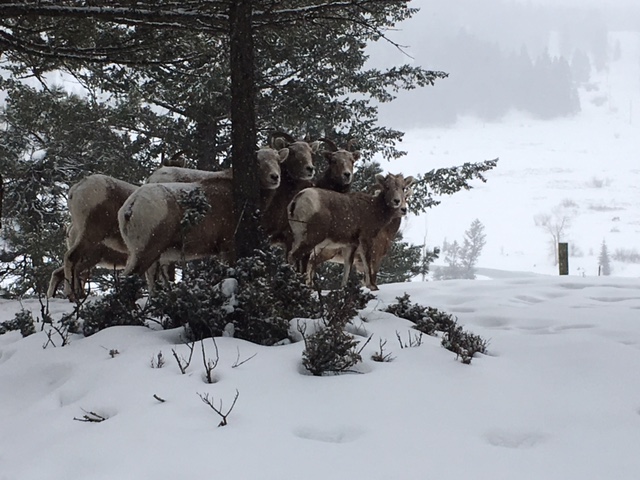
The Bull River bighorn herd in winter.

Each year, HCTF provides approximately half a million dollars to BC conservation organizations purchasing land to protect wildlife habitat. The Foundation also provides over $6M in grants annually for projects benefitting fish and wildlife in BC.

Wed, 5 Aug 2015

Salmon River Success

Photo of the Salmon River from the newly-acquired conservation property.

has announced the purchase of 165 acres in the Salmon River estuary near Campbell River on Vancouver Island. This new acquisition is connected to conservation lands previously secured by The Nature Trust and its partners over the past four decades.

“Like many Nature Trust projects, conservation of the Salmon River estuary has been years in the making,” said Dr. Jasper Lament, CEO of The Nature Trust of BC. “This business takes time and patience. We are very grateful to our conservation partners and to the many people who helped make this deal possible.”

Major funding was provided by the Habitat Conservation Trust Foundation and the Fish & Wildlife Compensation Program. Additional support was provided by the Campbell River Salmon Foundation, Barnet Rifle Club, Steelhead Society of BC, Kingfishers Rod & Gun Club, Ducks Unlimited Canada, Totem Fly Fishers, Parksville-Qualicum Fish & Game Association, BC Federation of Fly Fishers, and individual donors from across BC.

“The Salmon River project is the latest purchase of conservation land made possible through the contributions of the anglers, hunters, guide outfitters and trappers of BC,” said Brian Springinotic, CEO of the Habitat Conservation Trust Foundation. “The securement of this high-value habitat will benefit a variety of species, as well as providing additional recreational opportunities.”
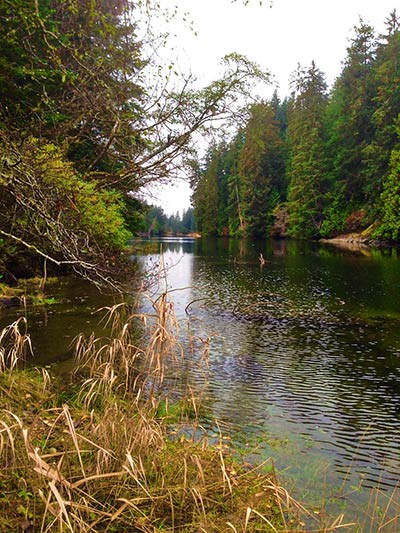
1-606_Salmon_River_left_bank.jpg“The Fish and Wildlife Compensation Program is pleased to support this land purchase,” said Program Manager, Trevor Oussoren. “Strategic land acquisitions such as this play an important role in helping fish and wildlife for generations to come.”

The Salmon River estuary is the only significant area of coastal wetland habitat located on the relatively steep and rugged 250 km stretch of coastline from Campbell River to the network of estuaries on the Quatsino lowlands. This strategic location provides critical habitat to numerous species of fish and wildlife, including Great Blue Heron, Marbled Murrelet, Northern Pygmy Owl, Roosevelt Elk, migratory waterfowl and eight species of salmonids. All five species of Pacific salmon are found in the river: Coho, Chinook, Chum, Pink and Sockeye. Anadromous steelhead, cutthroat and Dolly Varden char are all present, as well as resident trout and other native fish species.

Of the approximately 3,200 Roosevelt Elk in British Columbia, the vast majority live on Vancouver Island. Efforts continue to restore them to their historic range, but northern Vancouver Island, including the Salmon River, remains the core of their range in Canada.

“The Salmon River supports a rich diversity of fish and wildlife along with spectacular natural beauty,” said CEO Jasper Lament. “This Vancouver Island conservation treasure is both a tribute to The Nature Trust’s proud history and a wonderful gift to future generations.”

You can view a map of HCTF’s other acquisition investments here.

Mon, 20 Oct 2014

Historic Grasslands Conserved

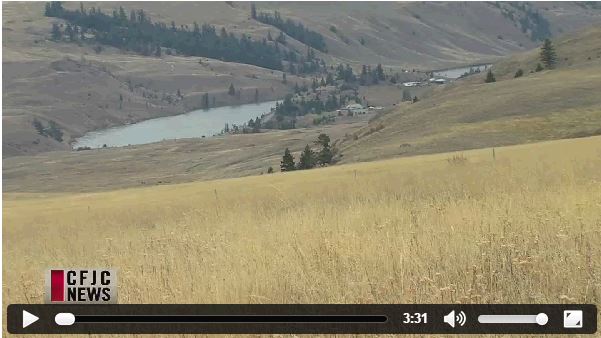
Last Friday, HCTF Board member Ian McGregor joined the Nature Conservancy of Canada (NCC) in Kamloops to celebrate the successful acquisition of 525 hectares of native grassland in the Nicola Valley. HCTF contributed a quarter of a million dollars to the Napier Lake Ranch project, which will protect habitat for migratory birds, rare grassland plants and mammals such as moose and mule deer.

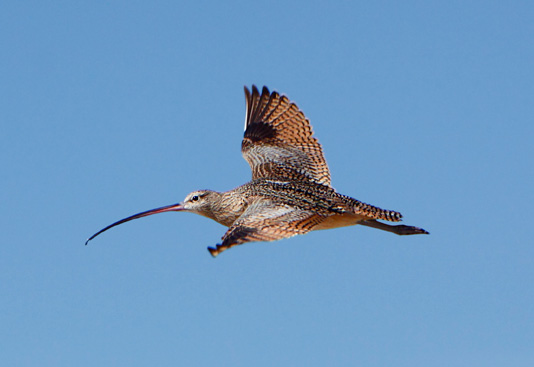
“Like all of HCTF’s acquisition investments, Napier Lake Ranch was funded because it contains significant habitat values that were under threat of fragmentation,” said McGregor. “By supporting NCC’s purchase of these lands, we can be assured that grasslands, and the plants and animals that live there, will be protected now and forever. This means future generations may have the opportunity to witness Sharp-tailed grouse, spot a Swainson’s hawk, or hear the sounds of Sandhill cranes rolling across the grasslands.”

Napier_Lake_Grasslands_video.JPG

Long_billed_curlew_in_flight_CC_Alan_Vernon_small.jpgIndeed, both Sharp-tailed grouse and Sandhill cranes were observed by celebration participants on an NCC-led tour of the newly-acquired lands. One of those participants was the land’s former owner, Agnes Jackson. Her family sustainably managed these grasslands for over 40 years, and her decision to sell to the Conservancy was based on her desire to see them remain a haven for many plants and animals.


“Grasslands hold more endangered species than any other climatic zone,” said Jackson. “Keeping large tracts of land intact is really the only way to protect them.”

In a CBC radio interview earlier this year, Jackson spoke about her hope that others would be able to experience these lands and enjoy them as much as she did. NCC plans to allow non-motorized vehicle access to the property, allowing people to further their connection to grassland conservation.

As part of the celebration, NCC acknowledged the many groups who contributed to this project, including the Government of Canada, the Jackson Family, The Sitka Foundation, the Estate of Thomas T. Forbes and HCTF. HCTF funding of this and other recent NCC conservation land acquisitions was made possible through the contributions of the province’s anglers, hunters, trappers and guides, whose licence surcharges provide approximately $6 Million for conservation projects annually. To find out more about the different types of projects HCTF supports, including conservation land acquisitions, click here.