Tue, 20 Jan 2026

Reflecting on the Northern B.C. Ecosystem Restoration CoP

Reflecting on the Northern B.C. Ecosystem Restoration Community of Practice (CoP) 2025 Annual Workshop + Conference

Contributed by Mae Whyte, SERNbc

Uda dune Baiyoh (House of Ancestors), Prince George, B.C. and online
November 25-27, 2025

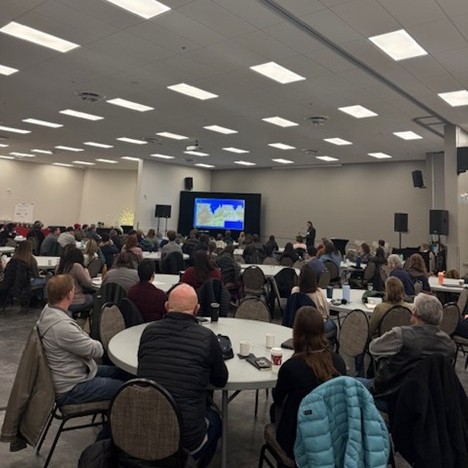
From caribou ranges to wetlands and wildfire-scarred forests, the collective will to address ecosystem degradation is enormous. Despite winter weather and illness limiting attendance, more than 120 restoration practitioners gathered online and in-person to build, develop, and strengthen our community of practice.

People from multiple sectors with wide-ranging experiences met over two-and-a-half days. The energy in the room was unmistakable and infectious. The workshop brought together voices from across British Columbia and beyond, all united by a shared goal: healing lands, waters, and relationships.

Speakers shared lessons learned from real projects, while attendees compared notes, debated ideas, and built new connections. Informal meet-ups, shared meals, and side events helped turn a group of professionals into a genuine community. We brainstormed and crowdsourced ways to solve our restoration challenges while enjoying some of the best food in the Omineca!

By the time people headed home, it was clear that the November 2025 workshop was not just a conference—it was a turning point. New working groups, webinars, and online hubs are already being built to keep the momentum going through 2026 and beyond.

Stay connected with the CoP:

The Community of Practice Organizing Team is comprised of: Society for Ecosystem Restoration in Northern BC (SERNbc), the Habitat Conservation Trust Foundation (HCTF) via the Caribou Habitat Restoration Fund (CHRF), Fish & Wildlife Compensation Program (FWCP), and the BC Wildlife Federation (BCWF).

Wed, 17 Sep 2025
Tags: F&W / News

Funding Available for Fraser Valley Raptor Projects

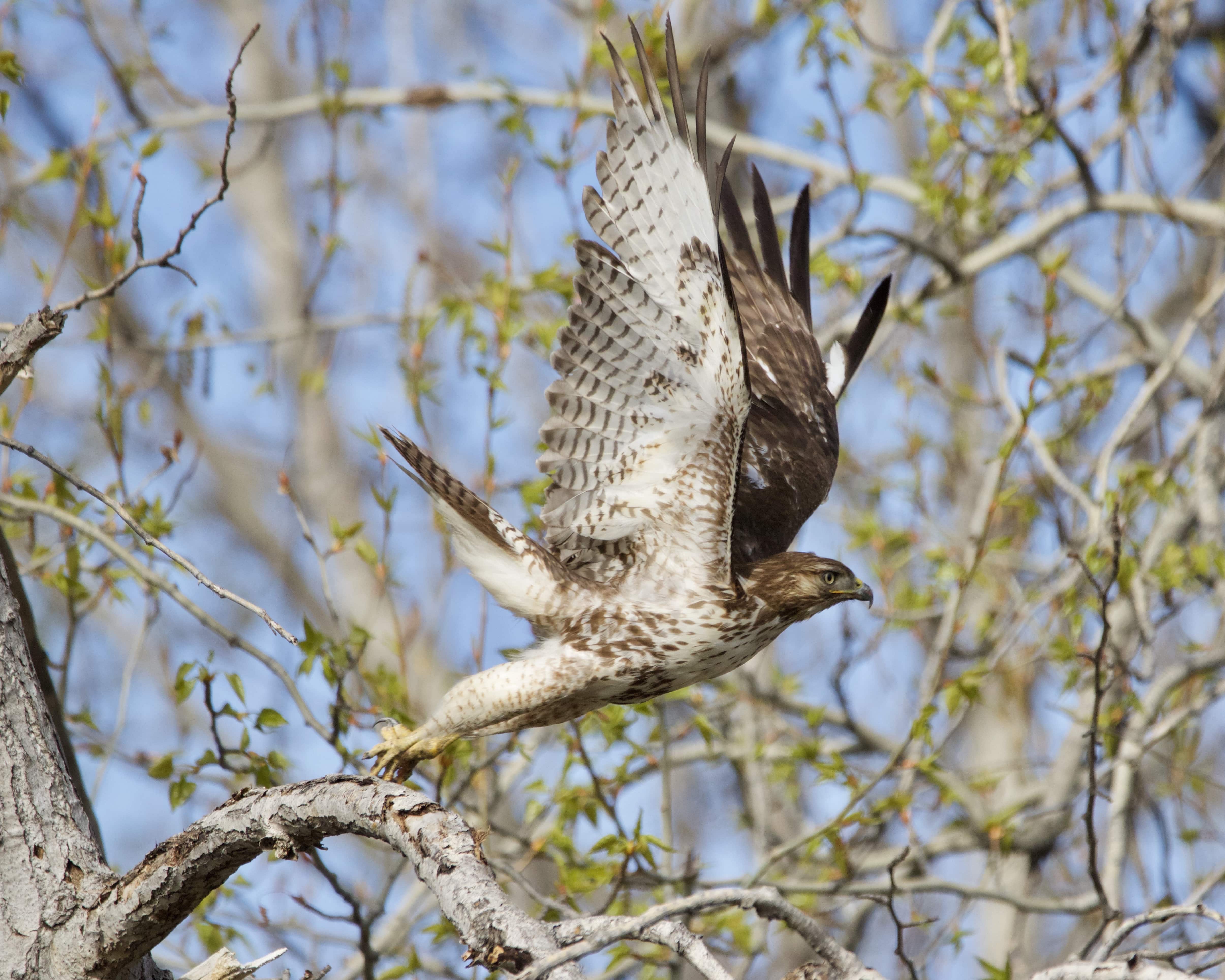
Photo by Susie McAdam

HCTF is pleased to announce a new funding opportunity beginning in the 2026-27 grant year, “Raptors of the Fraser Valley Lowlands.” This opportunity stems from a collaboration between HCTF, the B.C. Ministry of Water, Land and Resource Stewardship, and the Hancock Wildlife Foundation.

HCTF has a long history of investing in projects that restore, conserve, or enhance fish and wildlife populations and habitats, including avian raptor populations at risk. This new fund will support prioritized activities that improve outcomes for raptors (eagles, hawks, falcons, owls, etc.) of the Fraser Valley Lowlands (FVL) of B.C. (Hope to Richmond/Delta). These outcomes include both direct and indirect improvements to populations or habitat for these birds.
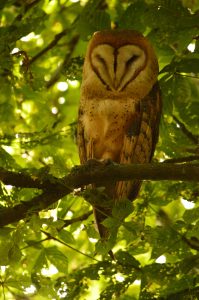
Photo by Laura Thede

The Fraser Valley is recognized as one of the most ecologically significant areas in B.C. for raptor populations. Its unique geography, climate, and historic land use patterns have created ideal conditions for a wide variety of raptor species throughout the year. The habitat mosaic of wetlands, estuaries, riparian corridors, agricultural fields, and forested areas supports foraging, nesting, and roosting for over 20 species of raptors.

Updated October 28, 2025

Priority outcomes for the new fund are to focus on those species and habitats most at risk that represent the unique characteristics of the Fraser Valley Lowlands and prioritize those species that serve as ‘umbrellas’ where their conservation indirectly protects many other species that share their habitat. The three major goals of the fund are:

  • Protect and/or restore lowland grasslands, agricultural areas and wetlands for raptor breeding and/or foraging in the FVL;
  • Improve our understanding of the use and dependence by FVL raptors of remaining lowland grasslands, agricultural areas and wetlands for breeding and foraging to support their protection; and,
  • Establish clear, flexible and realistic raptor breeding and foraging habitat supply objectives for the FVL to drive and inform their protection.

HCTF will consider project proposals aligned with the above priority outcomes along with the following recommendations:

  • The first year of this funding grant should focus on initiating small projects (potentially suitable for HCTF seed grants or small Fish & Wildlife Grants). These projects should include literature reviews and/or data mining to develop a current status of breeding and feeding habitat requirements and condition, pulling together appropriate landcover data for habitat mapping, and assessing gaps in current knowledge and practices.
  • An initial focal species list includes Short-eared Owl, Northern Harrier, Snowy Owl, Barn Owl, and American Kestrel.
  • Findings from these scoping projects will guide multi-year project proposals such as collaborative conservation actions to protect, enhance, and restore lowland grasslands, agricultural areas and wetlands in the Fraser Valley Lowlands; and, where necessary, implementing applied research, habitat modeling, and communication efforts to support direct conservation actions.

The approximate geographic extent of this initiative is represented by the yellow polygon on the image below:

Applicants should use the Word worksheet provided on the HCTF Resources tab to draft the application(s) prior to transferring text (via cut-and-paste) over to the Survey Apply online application form.

Photo by Allan Farrant

Applying for Funding

This funding is currently available under HCTF’s existing Fish & Wildlife granting program, which is now open receive proposals until November 7, 2025, at 4:30pm (PST). To apply under the current intake, review the guidance document and additional information on the Apply tab. If you believe that your project would be a good fit for this funding, please add the acronym “FVL” at the beginning of your project title in your Survey Apply application.

We will provide additional guidance in 2026 if the funding expands to other programs, such as Action Grants or scholarships.

This will be a long-term program with available funding for at least the next 5 years, so applicants are welcome to submit multi-year proposals (note: the maximum duration of a continuing Fish & Wildlife proposal is 3 years). It is estimated that approximately $200,000 will be available each year. There is no minimum or maximum amount that one project can apply for, but the intention is to fund multiple projects per year, so applicants are encouraged to budget accordingly. There is no leveraging (match-funding) requirement, but additional partnership or in-kind funding will be viewed as a strength to an application.

Please direct any project-related inquiries to grants@hctf.ca for further assistance.

Mon, 28 Apr 2025

HCTF Approves $8.6 Million for Fish & Wildlife Conservation Projects

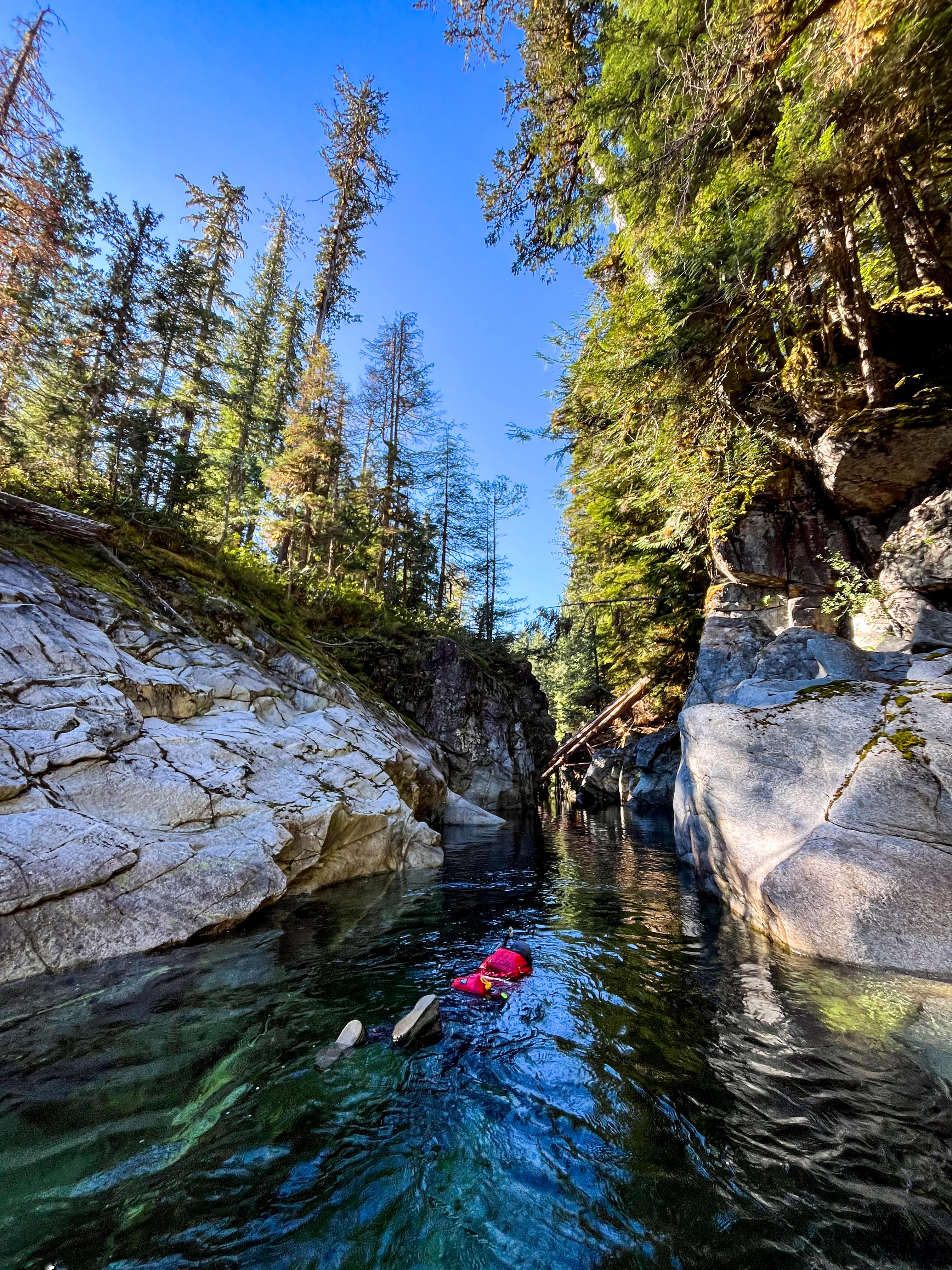
1-826 Vancouver Island Steelhead Stock Decline Investigations, BC Conservation Foundation - Upper Gold Snorkel Survey, photo by Danny Swainson

The Habitat Conservation Trust Foundation is proud to announce over $8.6 million in funding for 110 conservation projects throughout British Columbia.

For over forty years, the Habitat Conservation Trust Foundation (HCTF) has provided grants with over $242 million contributed to conservation projects and programs. The range of project leaders and conservation actions supported all share the goal of conserving B.C.’s freshwater fish, wildlife, and habitats today for generations.

As a registered charity and foundation, HCTF’s unique funding model is led by a surcharge on hunting, fishing, trapping, and guide outfitting licences. “Each year, the conservation surcharge from these contributors funds over one hundred fish, wildlife, and habitat projects above and beyond government funding,” says HCTF’s CEO, Dan Buffett. “Yet, we recognize that government funding, such as the Together for Wildlife Strategy, along with funding from partners, First Nations and other organizations and individuals, remains crucial to meet the shared goals to conserve and enhance B.C.’s fish, wildlife and their habitats.”

7-570 Stone’s sheep seasonal range use in the Omineca Region
Wild Sheep Society of BC

“Our government has been working alongside First Nations, conservation organizations and other key partners for many years to help protect and restore important ecosystems throughout this beautiful province,” says Randene Neill, Minister of Water, Land and Resource Stewardship. “It is deeply rewarding to see the ongoing progress of this crucial work, which is improving the lives of British Columbians today and will continue to benefit future generations. The surcharge revenue, which is dedicated to the Habitat Conservation Trust Foundation’s funding program, complements a suite of integrated conservation initiatives in B.C., including the Together for Wildlife Strategy, the Tripartite Framework Agreement on Nature Conservation, the Conservation Lands Program, the draft Biodiversity and Ecosystem Health Framework, and our commitment to protect 30% of the province’s land base by 2030.”

Projects supported this year include:

  • $84,000 to replace aging infrastructure at the Redfish Creek Spawning Channel to continue to supply stock conservation and fishery benefits
  • $68,224 to restore whitebark pine ecosystems for bear habitat in the Skeena region
  • $94,050 for the restoration of year-round fish passage and improvement of aquatic and riparian habitat at the Westside Road weirs in Six Mile Creek
  • $262,650 towards restoring caribou habitat on approximately 86 km of roads within the Whitesail Priority Restoration Area
  • $99,621 to conduct cultural burns to enhance forest health in the Mount Currie/Líl̓wat area and improve habitats for grizzly bears, black bears, deer, and elk
  • $45,645 to better understand the factors that limit porcupine survival in north central B.C., given the limited ecological knowledge of this species

To see the complete list of HCTF-funded projects and learn more about the conservation work being done near you, view the 2025-26 Approved Project List.

In addition to Fish and Wildlife grants, HCTF provides grants for conservation stewardship and education. Additional projects will be announced in June under our Action, Capacity, and Community Grant programs, and scholarship recipients in autumn.

Update June 18, 2025: The Approved Project List now includes 2025-26 Invasive Mussel Monitoring Grants and Highland Valley Enhancement Fund projects. There are now a total of 122 projects and over $8.9M in funding.

Thu, 24 Oct 2024

Rare Grasslands Protected in Similkameen Valley

Nighthawk Hill Grassland - Photo: Julian Zelazny

Thanks to the generosity of the local community, The Nature Trust of BC has protected some of the rarest and at-risk ecological habitats in British Columbia for future generations, including creating a safe and undisturbed passage for wildlife to access water in the arid Interior landscape.

The Nature Trust of British Columbia is thrilled to announce the successful acquisition and protection of 11 hectares of vulnerable habitat in the Similkameen Valley, thanks to the incredible generosity of the local community and key donors. This new conservation area, Nighthawk Hill Grasslands, is in the picturesque and ecologically fragile Similkameen Valley near Keremeos, within the unceded and traditional territory of the Lower Similkameen Indian Band (Sməlqmix), member of the Okanagan Nation (Syilx People).

The new Nighthawk Hill Grasslands conservation area, located directly beside the South Okanagan Grasslands Provincial Protected Area, bridges the crucial link needed for wildlife to access almost 100 meters of the Similkameen River safely and undisturbed in this very arid landscape, even during the hot Interior summer. The area is home to a diverse range of Species at Risk, including mammals, birds, reptiles, amphibians and invertebrates. From the American badger to pallid bat, to the tiger salamander and sage thrasher, a wide array of wildlife find refuge in this unique landscape.

More than just a beautiful place, this new conservation area contains temperate grasslands – one of the most altered terrestrial ecosystems on earth and endangered on most continents. Rare and endangered big sagebrush and bluebunch wheatgrass ecological communities are prominent throughout the Nighthawk Hill Grasslands—bunchgrass ecosystems being some of the rarest land cover types in B.C.

View of Nighthawk Hill Grasslands and the Similkameen River looking southwest. Photo: Bryn White

“Nighthawk Hill Grasslands are carbon storage superheroes, and the breeding grounds for threatened common nighthawks that migrate all the way to South America,” said Dr. Jasper Lament, CEO, The Nature Trust of BC

The conservation of Nighthawk Hill Grasslands marks an important milestone towards preserving the vulnerable and at-risk ecosystems across B.C., addressing the twin crises of biodiversity loss and climate change. Thanks to this conservation effort, Nighthawk Hill Grasslands will remain a wild, undisturbed landscape, forever protected from development. The project was made possible by the Government of Canada, through the Natural Heritage Conservation Program, part of Canada’s Nature Fund. Thanks also goes to the dedicated donors and the Okanagan community, whose generosity and passion for nature made this conservation milestone possible, and the Habitat Conservation Trust Foundation (HCTF).

“HCTF is proud to support The Nature Trust of BC in securing Nighthawk Hill Grasslands, conserving biological diversity and protecting crucial wildlife habitat. Through partnerships with local communities and partners, this acquisition protects more grassland habitat for many creatures using this land and the adjacent South Okanagan Grasslands Provincial Protected Area; this is a great achievement for habitat conservation in the region,” said Dan Buffett, CEO of HCTF.

Tue, 22 Oct 2024

Guidance for Applicants: Ecological Corridors Funding

Photo By: British Columbia Conservation Foundation
Project 1-664

Additional information for the ecological corridors funding opportunity for the 2025-26 fiscal year.

The Ecological Corridor funding focuses on identifying, planning, developing, and recognizing ecological corridors, and catalyzing action to maintain or restore ecological connectivity and protect Indigenous stewardship values within them. Check the National Priority Areas of Ecological Corridors 1 to 6 in B.C. (seen here: National priority areas for ecological corridors (canada.ca)).

For more background info on the funding, click here.

This funding is available for applications through the Fish & Wildlife proposal intake. Eligibility for applications to utilize the Ecological Corridors funding is assessed through the same criteria as the Fish & Wildlife Grant and is within the same proposal intake and the same timeline.

Specific aspects of the Fish & Wildlife Grant that are also supported by the Ecological Corridor funding include:

  • On-the-ground fish and wildlife habitat restoration and planning projects (including components that create project plans, restoration plans, and associated land use planning);
  • Population assessment and monitoring for fish and wildlife species to inform habitat management or stewardship; and
  • Monitoring, mapping, and/or application of traditional knowledge that will create habitat conservation, restoration, or enhancement.

Objectives must be to directly inform the management, conservation, restoration, or enhancement of fish & wildlife habitat (i.e. preliminary planning objectives on their own will not be eligible).

Ecological Corridor funding will be applied to projects up to January 2026 including preliminary activities. After this date (i.e. projects assessed in January 2027) will continue to apply to the main Fish & Wildlife Grant, including continuing projects.

It is strongly encouraged that applications demonstrate that a project will be secure in the long term and have a durable impact through its legacy.

Proposals are to be submitted through the regular Fish & Wildlife Grant Survey Apply application process. If you believe that your project would be a good fit for this funding, please add the words “Ecological Corridors” at the end of your project title in your Survey Apply application.

The application deadline for Fish & Wildlife Grants is Friday, November 1, 2024, at 4:30pm PDT.

For questions regarding the ecological corridor funding or Fish & Wildlife Grants, please contact HCTF’s Grants Officer Amy Perkins at amy.perkins@hctf.ca or 250-940-3014.

Projects that have already received funding elsewhere through the Nationals Ecological Corridor program or through the BC-Canada Agreement for Ecological Corridor Stewardship may not be eligible.


Mon, 23 Sep 2024

Al Martin Fellowship Recipients 2024

Photo: BC Conservation Foundation

HCTF and HCTF Education are proud to announce this year’s Al Martin Conservation Fellowship recipients: Adam Kanigan, Carlie O’Brien, and Tessa Rehill.

The Al Martin HCTF Conservation Fellowship supports graduate students aspiring to careers in fish or wildlife conservation and management in British Columbia. Each recipient is awarded a $10,000 scholarship to advance their research.

The fellowship honors Al Martin, a respected figure in conservation who began his career in 1977 as a biologist in Penticton, BC. Over the years, Al held key positions including Fisheries Manager, Director of the Watershed Restoration Program, Director of the Fish and Wildlife Branch, Executive Director, and Assistant Deputy Minister of Agriculture and Fisheries.

After retiring from BC public service, Al continued his leadership in conservation as Director of Strategic Initiatives for the BC Wildlife Federation and served on HCTF’s board. Though Al passed away in October 2019, his legacy of integrity, humor, and passion for preserving fish and wildlife habitats for future generations endures.

More About Al

2024 Recipients

Adam Kanigan

Adam Kanigan is a Ph.D. candidate at the University of British Columbia, working under the supervision of Dr. Scott Hinch (UBC) and Dr. Nathan Furey (University of New Hampshire). Adam’s research is focused on predator-prey interactions between bull trout and sockeye salmon, and how such interactions between these species may be influenced by climate change.

More About Adam

Carlie O’Brien

Carlie O’Brien is an MSc student in the Wildlife and Ecosystem Bioindicators Lab at the University of Northern British Columbia working under the supervision of Dr. Heather Bryan in collaboration with the British Columbia Moose Research Group. She holds a Bachelor of Science degree with a specialization in Conservation Biology from Trent University.

More About Carlie

Tessa Rehill

Tessa Rehill is an MSc student studying at the University of Victoria. Tessa’s study is investigating urchin distribution and control methods to help revive threatened kelp forest ecosystems in BC. In the underwater seascapes of the North Pacific, kelp forests serve as critical habitats for a diversity of marine life, including important fish, like salmon and herring. Tessa’s study aims to map urchin distributions and test different strategies to mitigate herbivory to achieve targeted and enhanced kelp forest restoration and conservation.

More About Tessa