
The results are in for the 2023 HCTF Photo Contest!
This year the contest returned to 3 categories: Wildlife or Freshwater Fish, Landscapes, and Conservation Lands. We received photos from all across our beautiful province, showcasing a broad range of species and habitats. Thank you to everyone who submitted a photo, and congratulations to our winners!
Category: Karen Wipond Award (Conservation Lands)
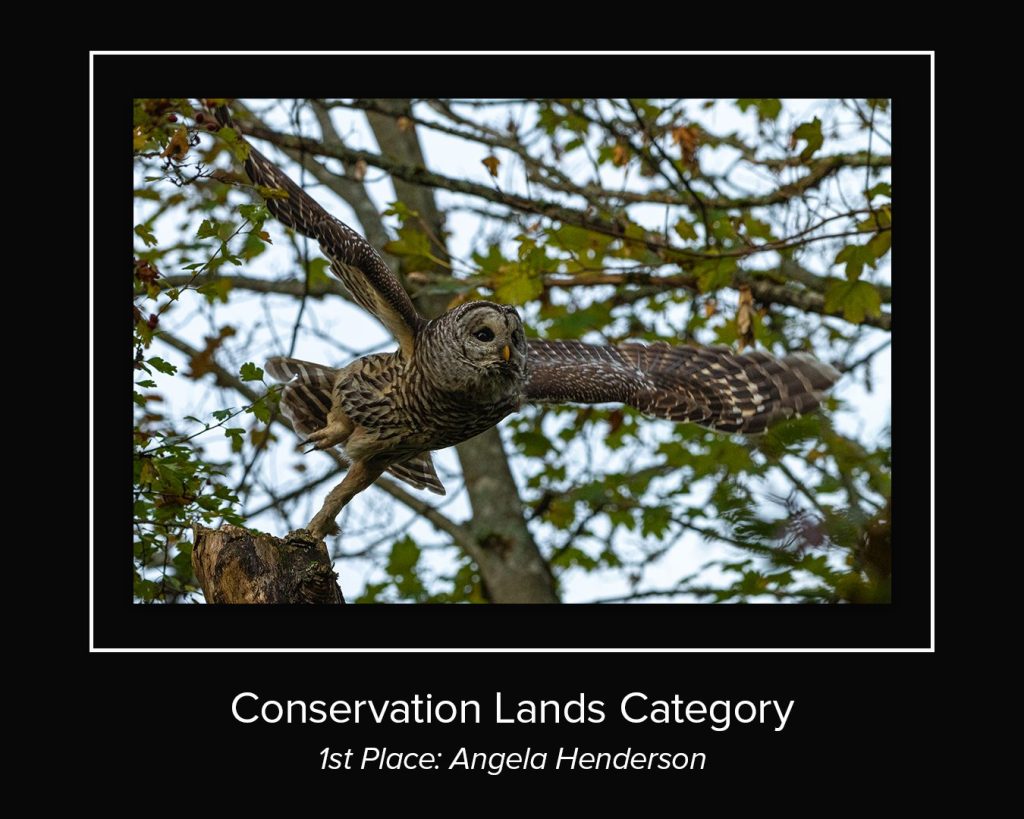 Angela captured this barred owl taking off in Buttertubs Marsh, a reclaimed urban wetland conservation land near Nanaimo BC. Barred owls often pose a threat to other owl species, and are considered invasive.
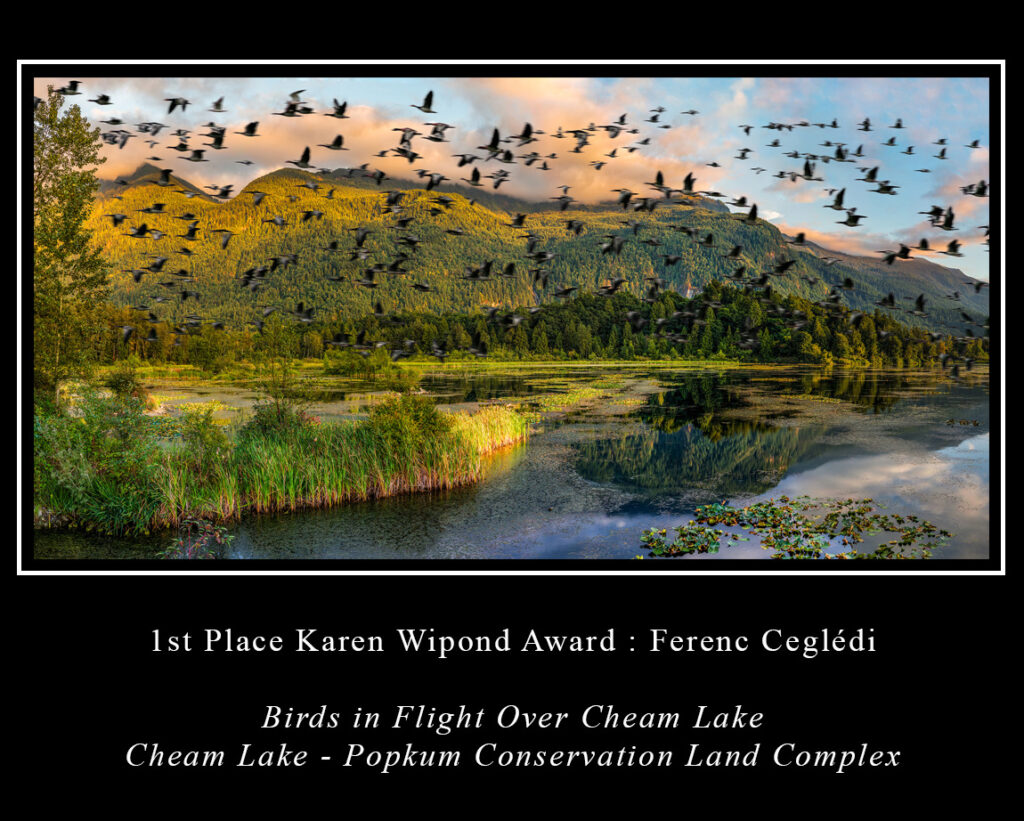
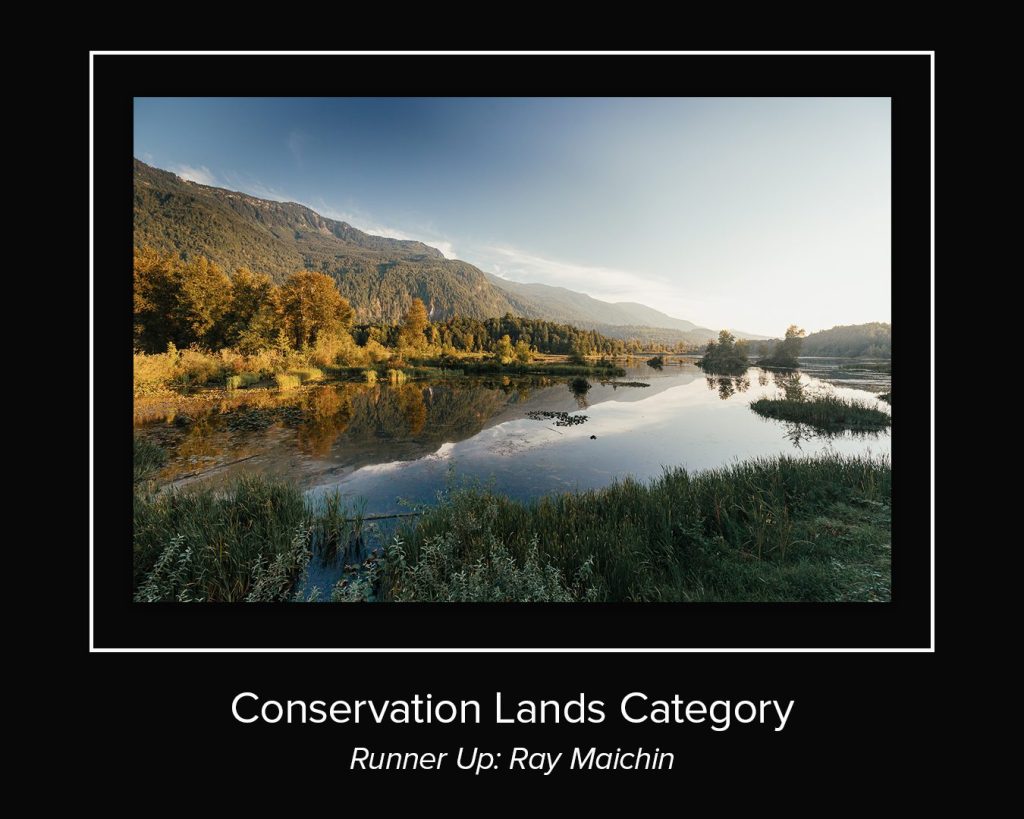 Ray took this beautiful image at Cheam Lake – Popkum, a 56 hectare biodiversity hotspot east of Chilliwack.
-
More info on Conservation Lands
Photographs for the Conservation Lands (Karen Wipond Award) category must have been taken within the boundaries of a provincially administered Conservation Lands area in the province of British Columbia (see map below). While we encourage photographers and all nature-minded individuals to explore BC’s Conservation Lands we recommend that you research the Conservation Land you intend to visit beforehand, obey all safety requirements, public access best practices, and ethical guidelines when taking pictures of wildlife (for recommended ethical wildlife photography see the Audubon Society’s Guide). Conservation Lands are protected and managed for the purposes of conserving important habitat and ecosystem functions, and it is important that visitors do their part to maintain these sites for generations to come.
Category: Wildlife or Freshwater Fish
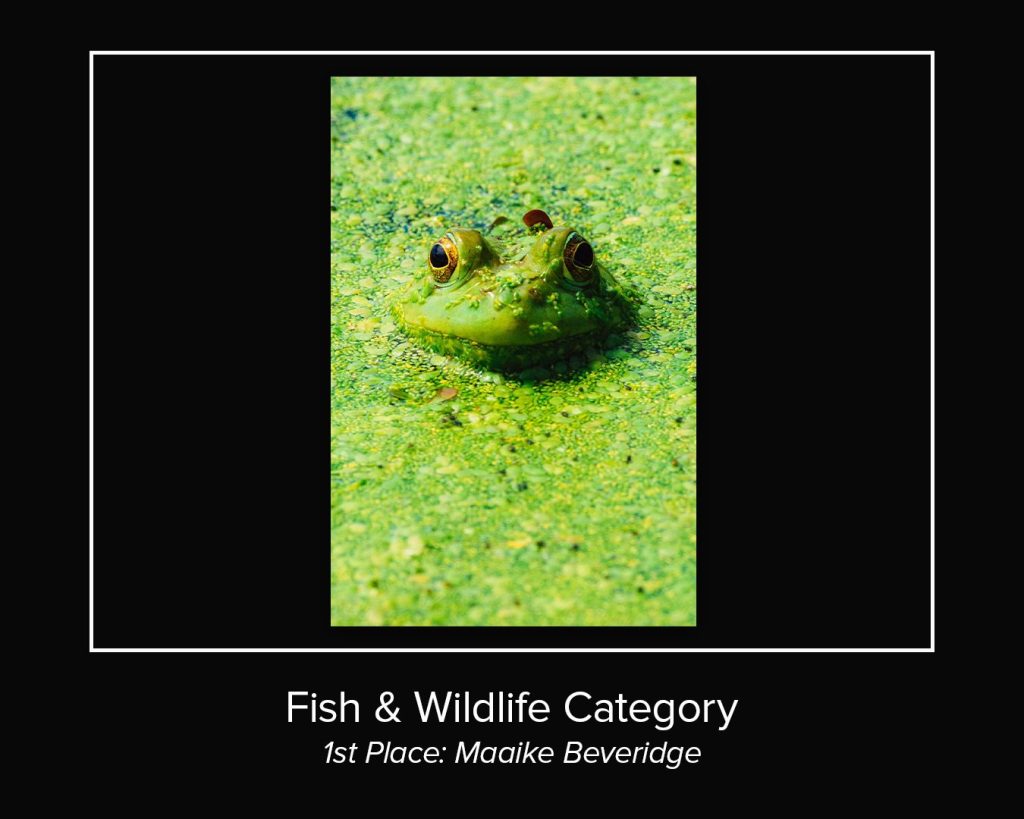 This captivating photo also highlights invasive species awareness. While a seemingly cute creature, this green frog is not native to the location where it was spotted near Victoria. For more info on invasive species of BC, visit bcinvasives.ca. Report sightings of invasive species via the Report Invasive Species app or online at gov.bc.ca/industry/report-an-invasive-species.
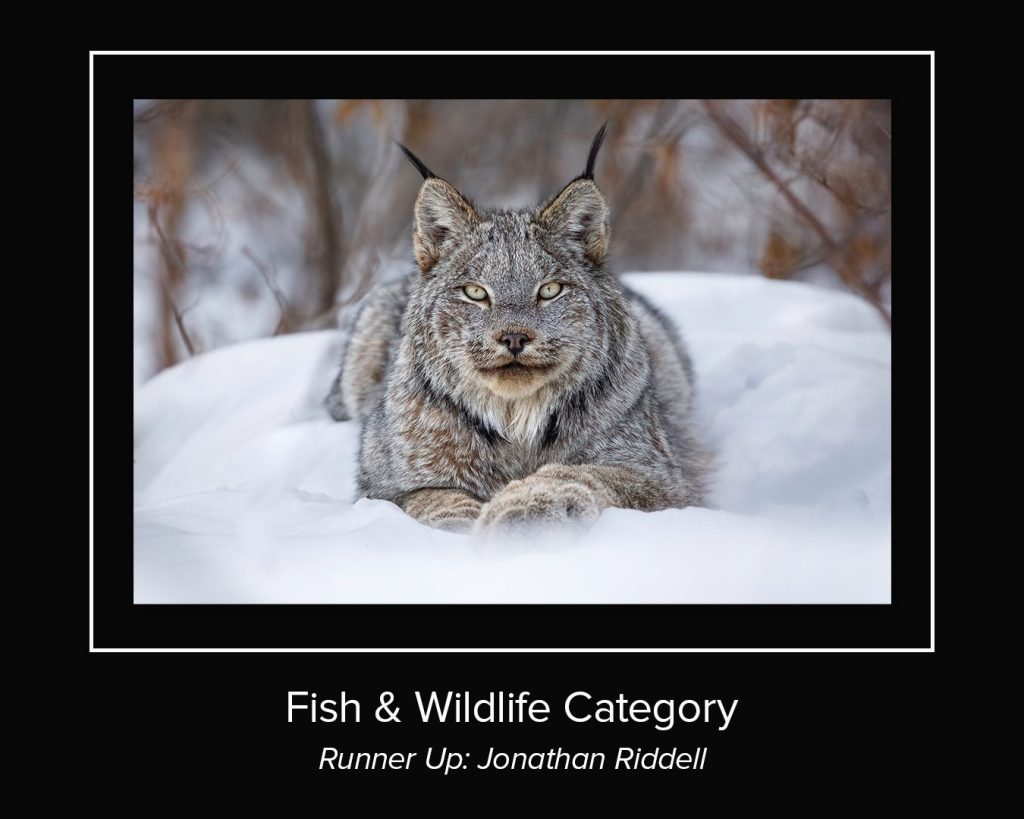 Jon snapped this beautiful lynx photo in the Taiga Plains eco-region of northeast BC, near Fort Nelson.
Category: Landscape
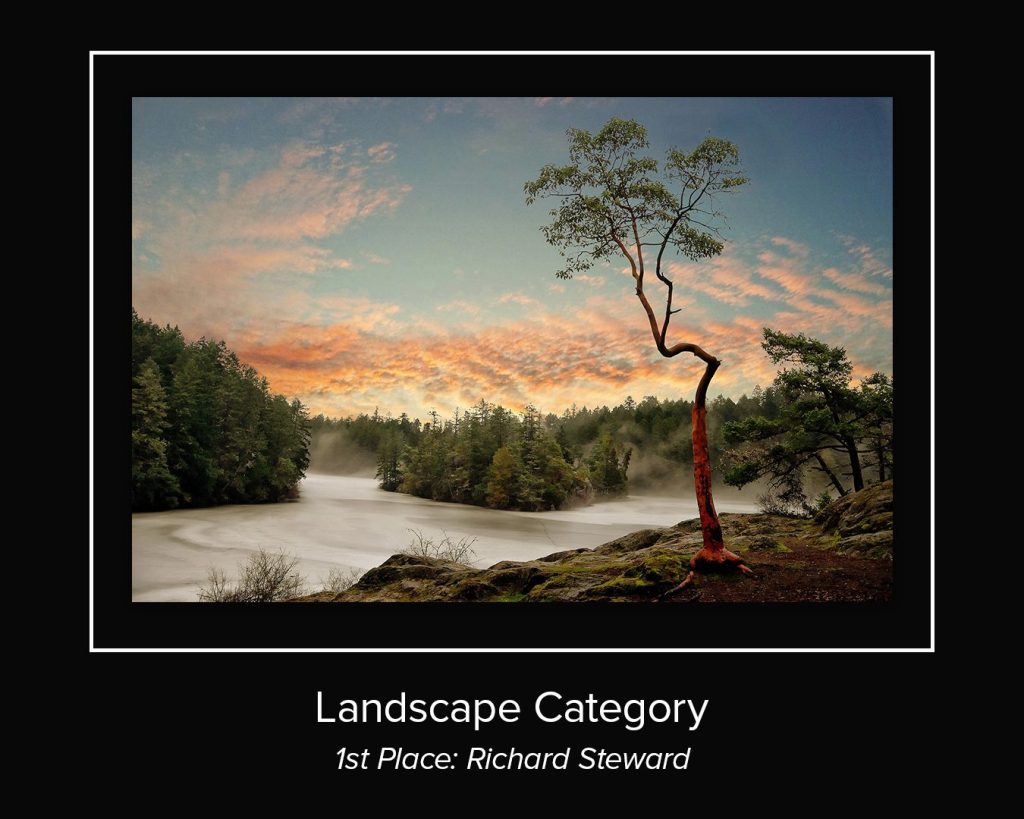 Richard’s incredible photo was taken in upper Thetis Lake, near View Royal BC. A brief cold snap formed a thin layer of flat ice on the lake which provided a beautiful background for a lone arbutus.
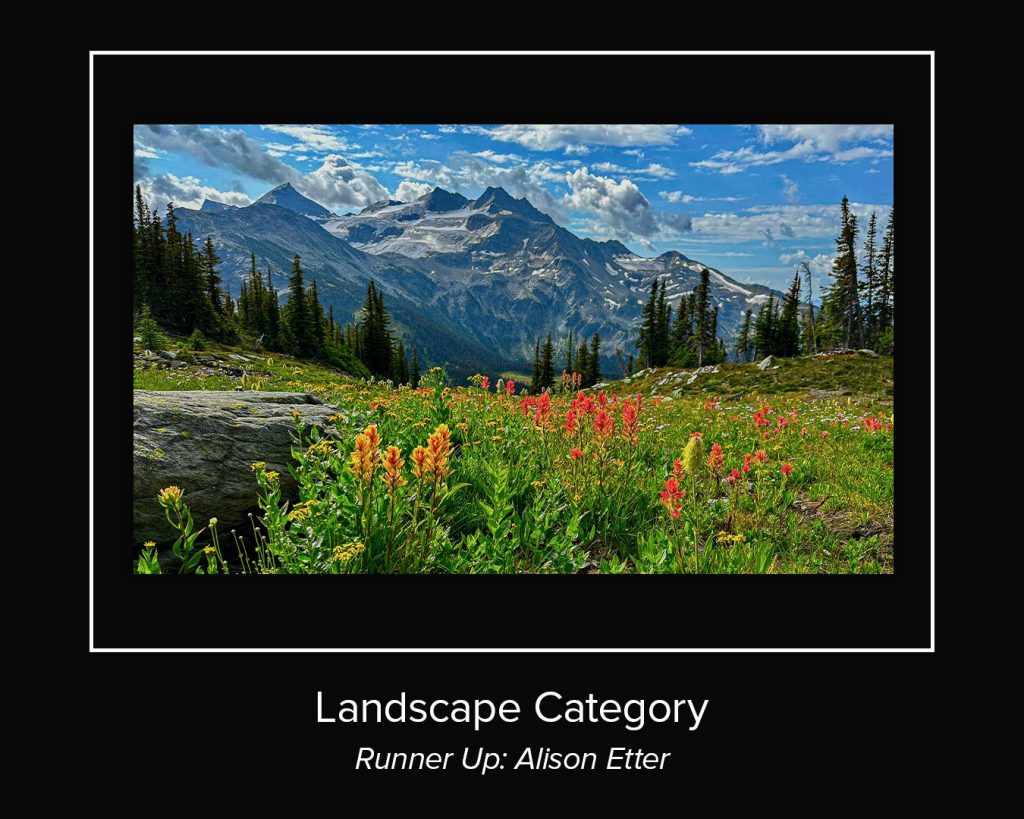 Alison’s beautiful photo, taken in the Silent Pass area near Golden, has the Spillimacheen Glacier in the background and red paintbrush and Arnica blooms in the foreground.