
Tue, 15 Sep 2026

Funding Available for Tree Planting Projects

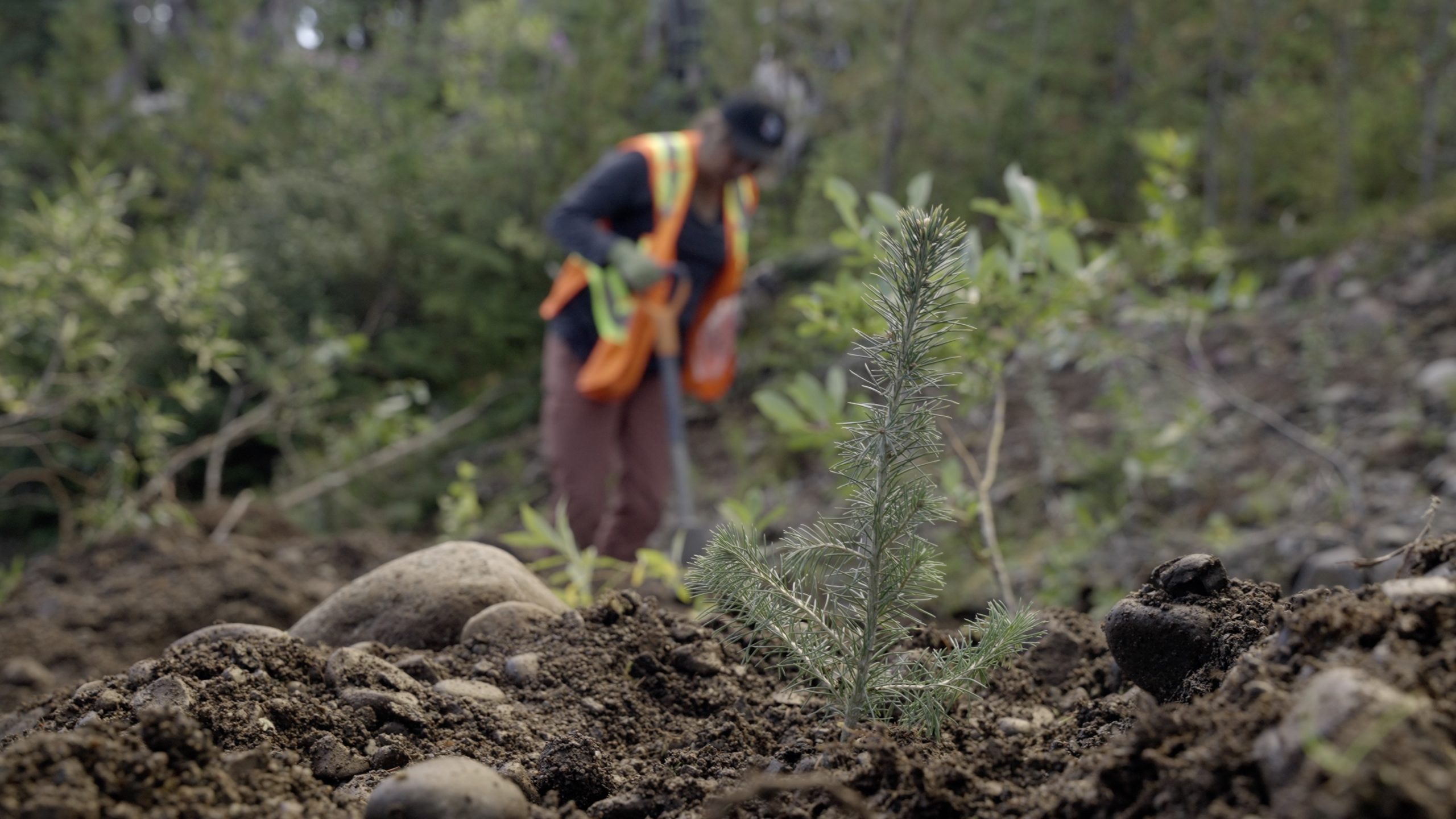
Planted Seedling - Chu Cho Environmental LLP

Funding is available for restoration projects that include tree planting to restore and enhance wildlife and fish habitat in British Columbia.

The Habitat Conservation Trust Foundation (HCTF) is pleased to announce a new funding opportunity for habitat restoration projects that include tree planting components to enhance or restore fish and wildlife habitat.
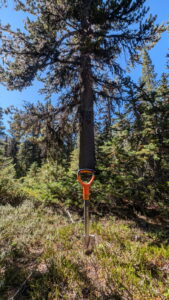
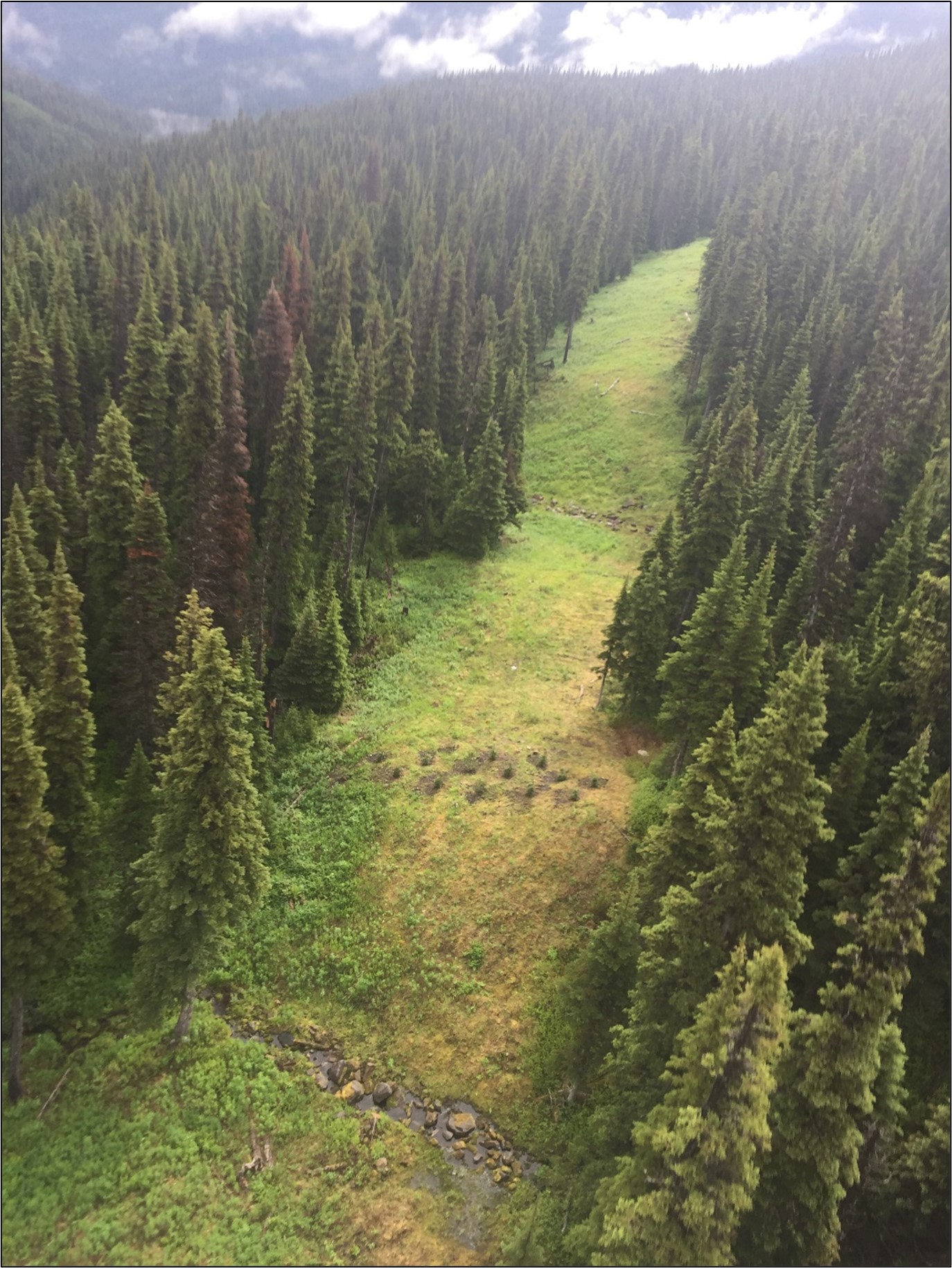
Sibola restoration site – Jen Atkins, Bulkley Valley Research Centre

Applications should demonstrate:

  • Focus on habitats and species-at-risk or species of concern;
  • Longevity of the restoration or enhancement activities, ideally in or adjacent to protected areas, wildlife habitat areas or conservation lands;
  • Planting prescription details (if known) but including species and approximate number of seedlings (include maps, shapefiles or other details);
  • Overall objectives and eligible activities, which may include:
    • Strategic planning
    • Archaeological assessment
    • Surveys and site preparations
    • Planting prescription
    • Planting activities
    • Monitoring

To target this restricted funding, please apply through the Fish & Wildlife Grant program and select “Restricted Funding” from the Project Group and “Tree Planting” from the funding options.

** Note: Projects that have already secured funding through other Federal initiatives, including 2BTrees Funding, are not eligible. Projects where tree planting is required to meet a legal obligation are not eligible.

For more information, including priority considerations, click here.
Wed, 7 Jul 2021

Project Profile: Amoco Road Restoration Project

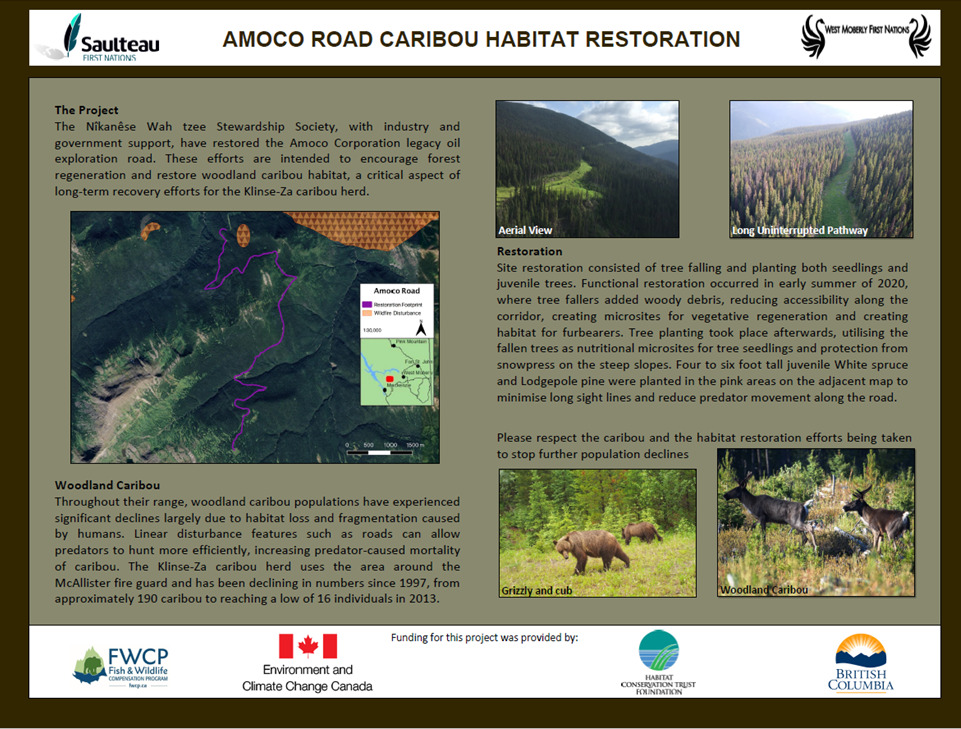
The Amoco Road restoration site is a legacy oil and gas road that stretches from valley bottom to the alpine in the Klinse-Za caribou herd in northeastern BC.  Twenty-two years after the road was installed, the site is still dominated by non-native grass species, which has prevented naturally re-seeded seedlings from establishing and growing.  As a result, the road remains a large scar on the landscape and fragments the mature forest ecosystem.  The road also creates an easy travel route for predators to access critical caribou habitat in the alpine, and large stretches of open road also enable predators to spot caribou further away, improving their hunting efficiency.  Use of the road by snowmobiles during the winter allows wolves easy travel along the packed trails into the alpine, increasing risk of predation on caribou.  To speed up forest recovery and reduce the use of the road by predators, the Nîkanêse Wah tzee Stewardship Society has undertaken steps to restore the road to a forested ecosystem, thereby restoring critical caribou habitat.  Restoration activities such as the planting of seedlings and juvenile trees along the road and the falling of dead trees across the road surface were completed in Summer 2020. These restoration activities will speed up natural forest regeneration and limit the ability of predators to use the corridor to access critical caribou habitat.  Moving forward, activities, such as tree regeneration surveys and wildlife use monitoring, will be continued to determine the success of the restoration activities.

This Caribou Habitat Restoration Fund project was undertaken with the financial support of the Province of British Columbia and the  Government of Canada through the federal Department of Environment and Climate Change.


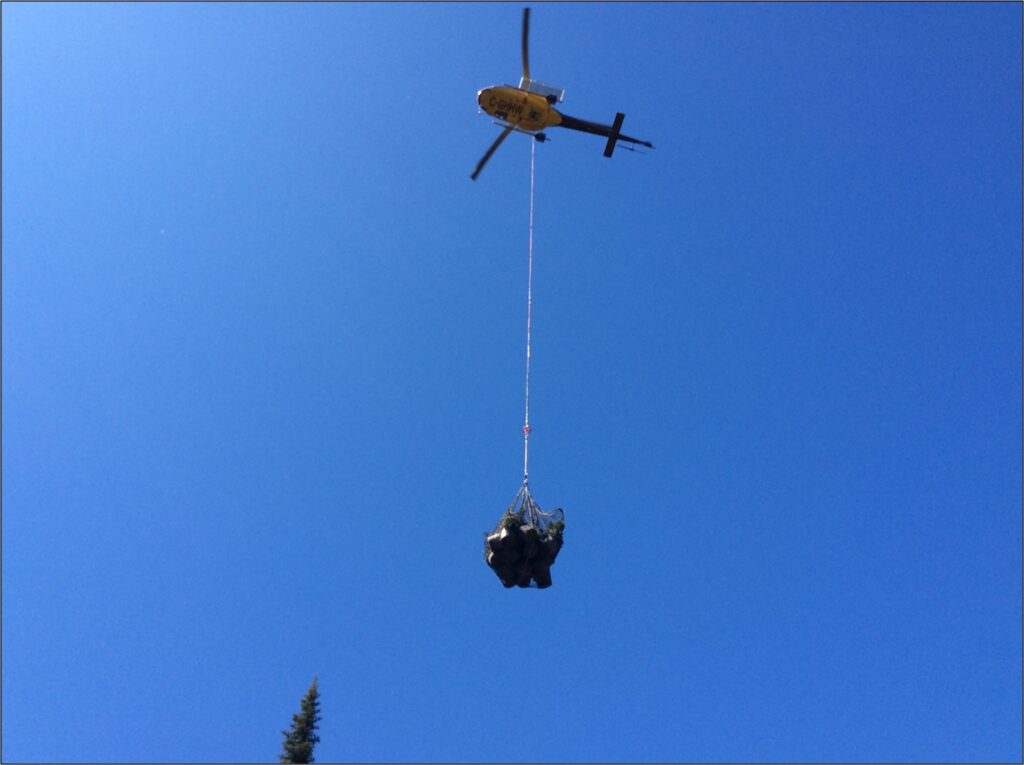
Amoco Road restoration helicopter

Juvenile hybrid spruce and lodgepole pine trees being transported onto Amoco Road restoration site, Summer 2020.


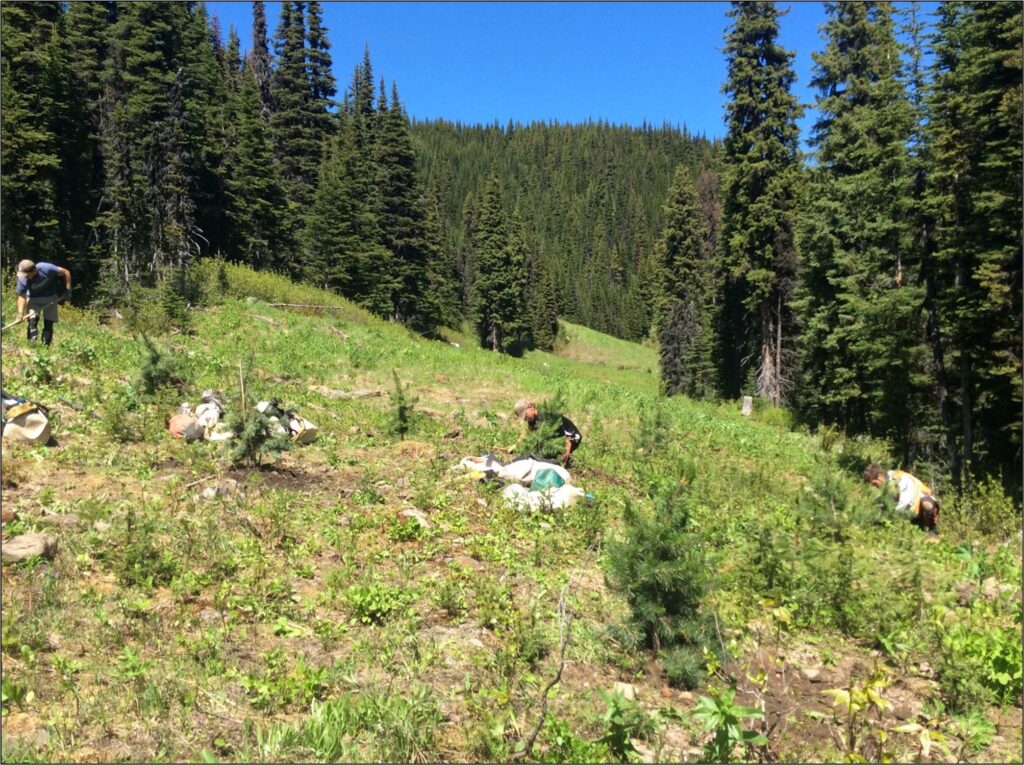
Crews planting juvenile hybrid spruce and lodgepole pine trees on Amoco Road.

Crews planting juvenile hybrid spruce and lodgepole pine trees on Amoco Road restoration site, Summer 2020.

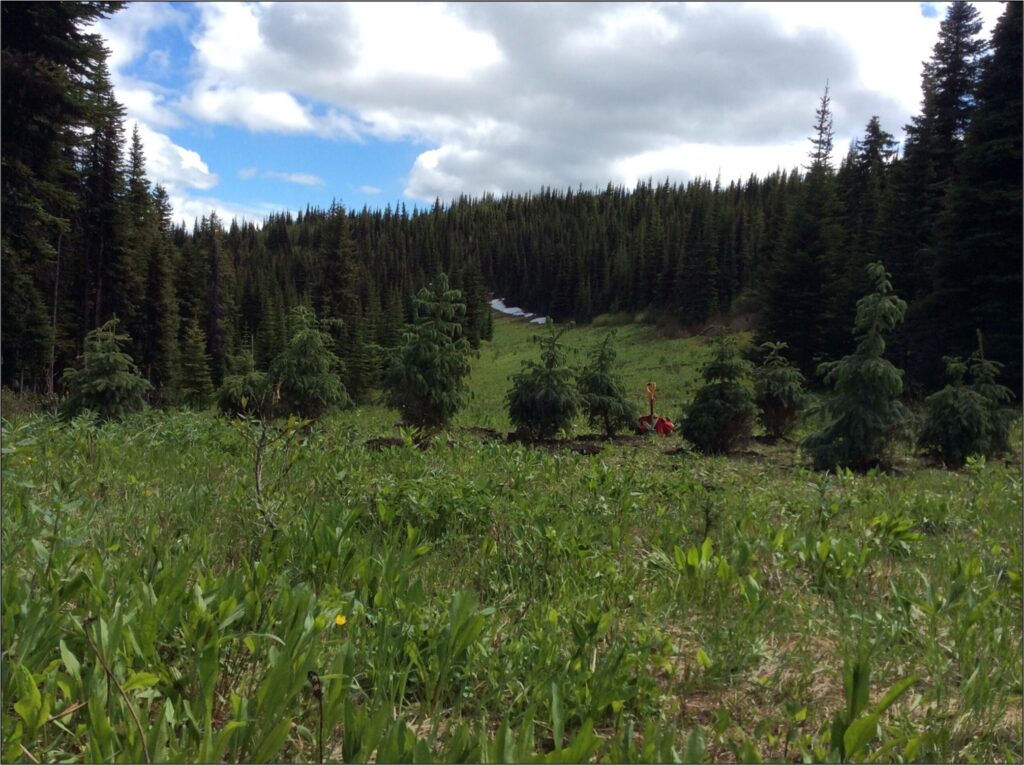
Juvenile hybrid spruce and lodgepole pine trees planted on Amoco Road.

Juvenile hybrid spruce and lodgepole pine trees planted in theatre-style spacing on one of the seven planting sites on Amoco Road restoration site, Summer 2020.

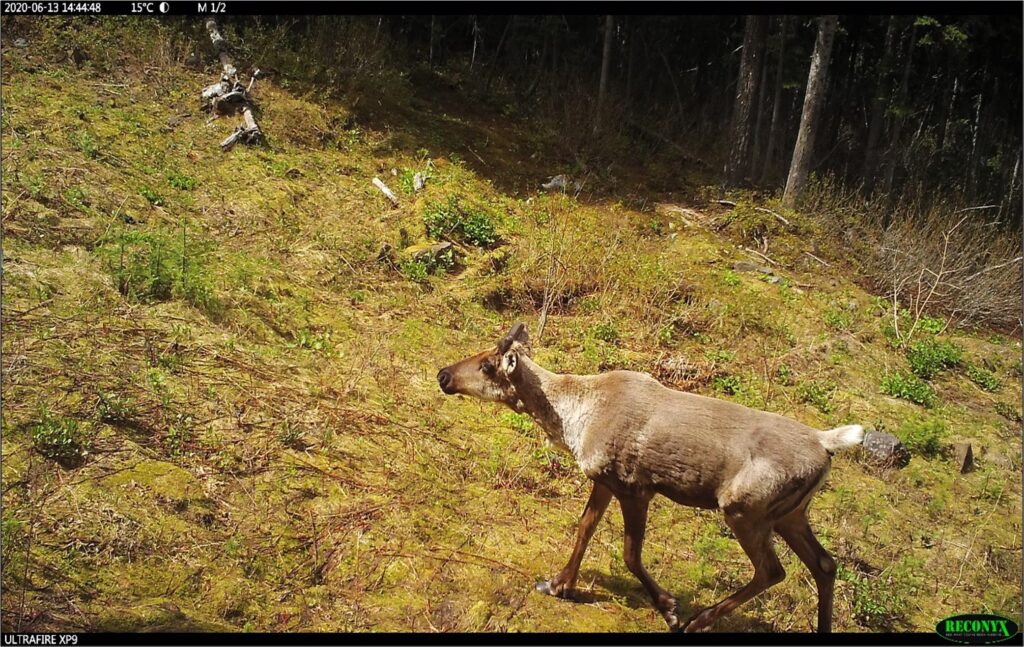
Caribou detected on a camera trap on Amoco Road restoration site, Summer 2020.

Caribou detected on a camera trap on Amoco Road restoration site, Summer 2020.


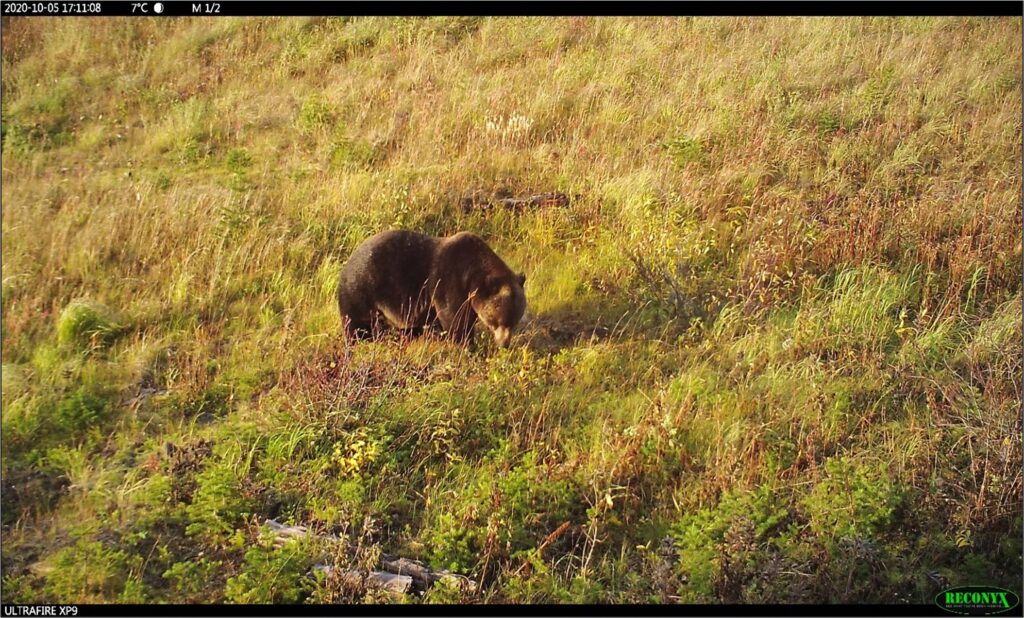
Grizzly bear

Grizzly bear detected on a camera trap on Amoco Road restoration site, Fall 2020.


Thu, 1 Jul 2021

Project Profile: Kotcho Lake Restoration Project

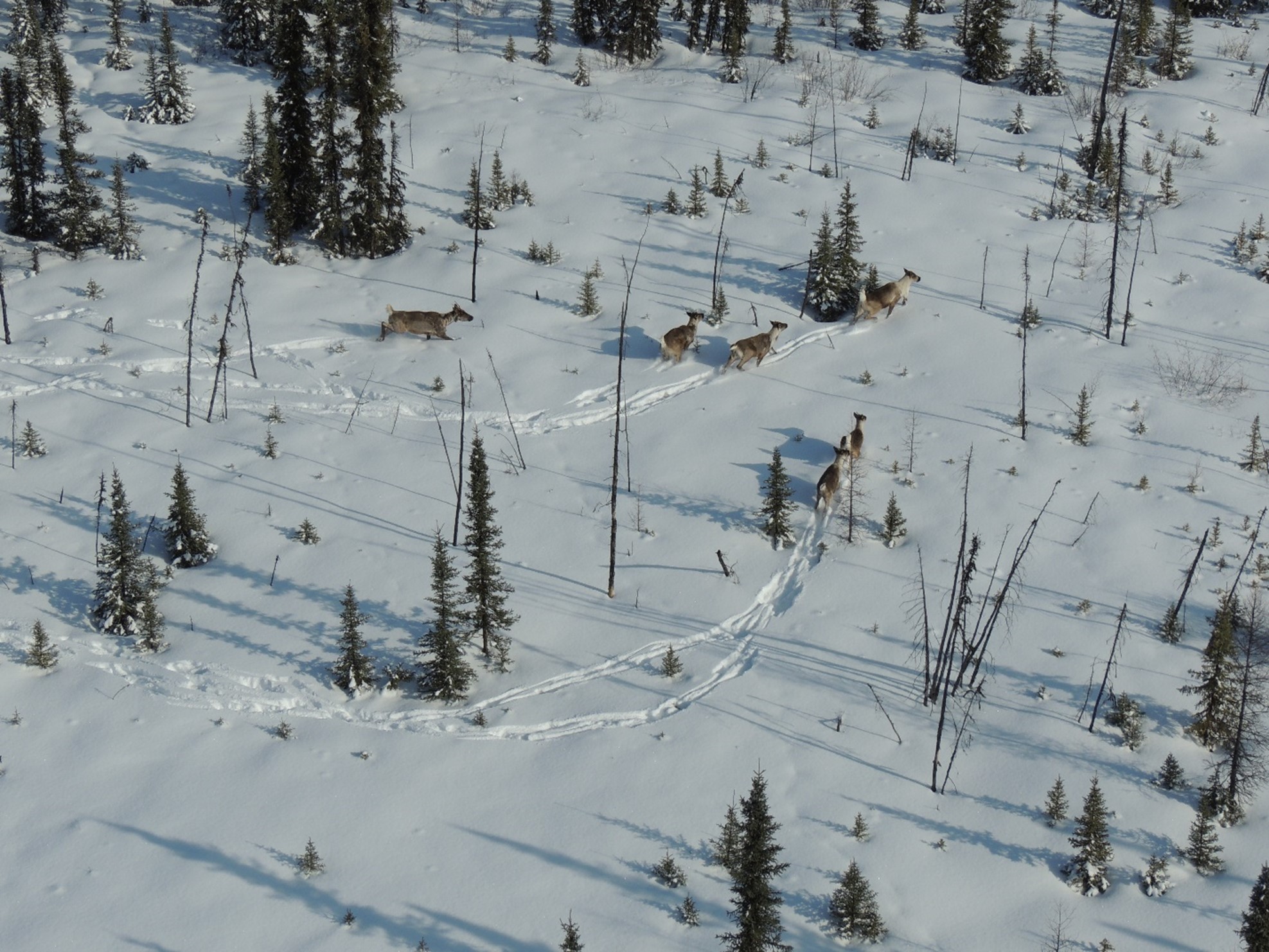
Aerial photo of caribou in Kotch Lake restoration area.

The Kotcho Lake Caribou Habitat Restoration Fund project is focused on restoring legacy seismic lines in core boreal caribou habitat located in the Snake Sahtenah range. Fort Nelson First Nation (FNFN) identified this area as a high priority for restoration due to the cultural importance of the area, the value of the area for caribou and other species, and the very high density of old seismic lines, which were not recovering on their own. Restoration work is conducted in the late summer, using light machinery to access intersections of old seismic lines and transplant “donor” mounds from areas beside the seismic lines. Donor mounds are then transplanted with black spruce seedlings, and trees are felled around the transplanted sites to block the lines until the mounds can establish. By treating in the summer, FNFN believe that restored sites will more closely resemble natural sites than areas treated in the winter. Summer treatments may also prove less expensive than winter work, which is currently the industry standard for restoring these sites. FNFN’s hypothesis is that the donor mounds will quickly establish on seismic lines and accelerate ecological recovery. By treating line intersections, they anticipate seeing reduced use of the untreated areas between the intersections by wolves and other predators. Overall, FNFN hope this approach (treating in the summer; hummock transplants and tree falling; focusing on intersections; and selecting key access routes) can result in effective restoration over a large area of the landscape. Monitoring of the vegetation response, the wildlife use of treated and untreated areas, and the overall cost of the treatments in comparison to winter work is ongoing to determine treatment effectiveness. You can read the full Year 2 technical report about this project here.

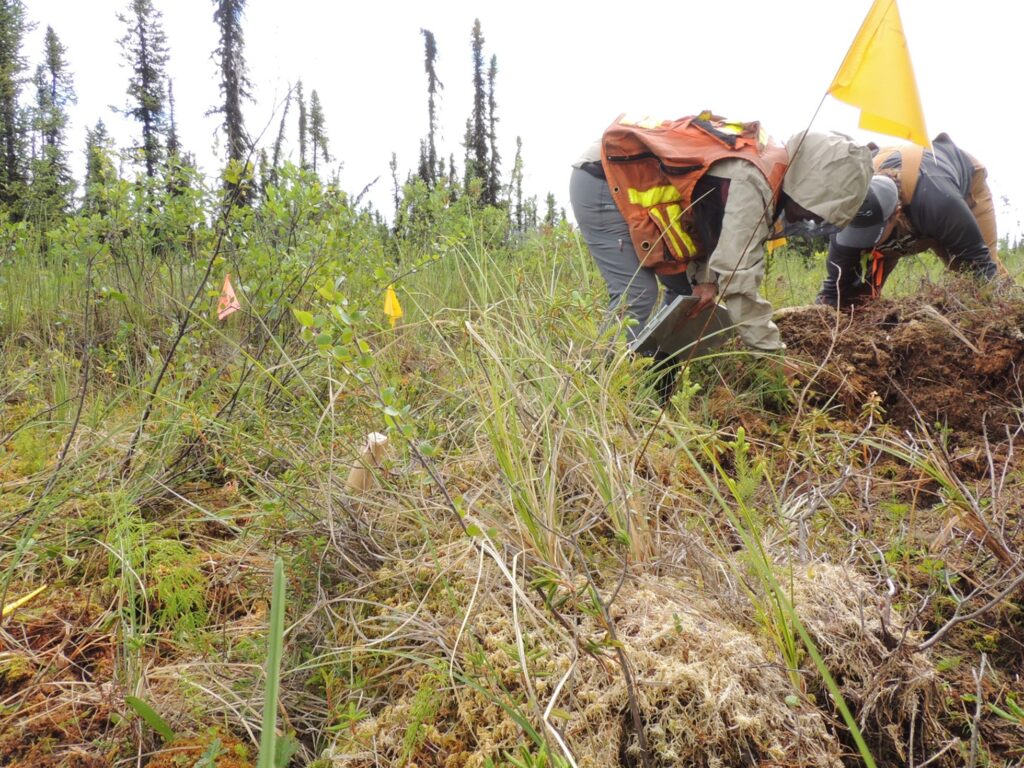
Katherine and Susan monitoring restoration works

Katherine and Susan monitoring restoration works

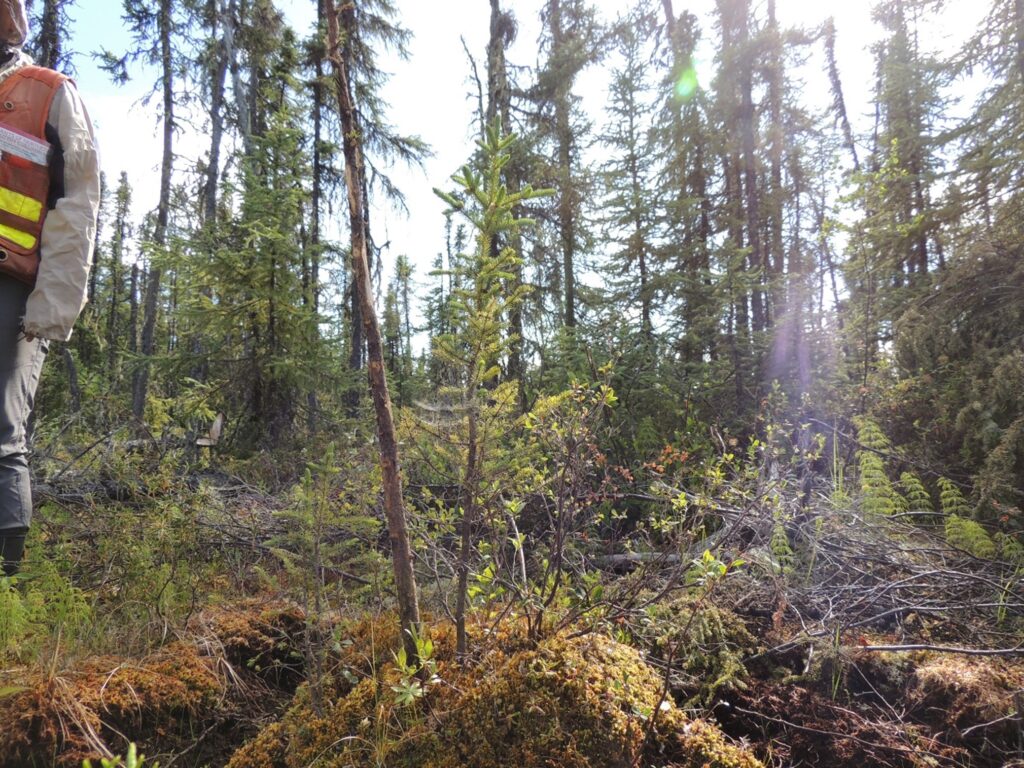
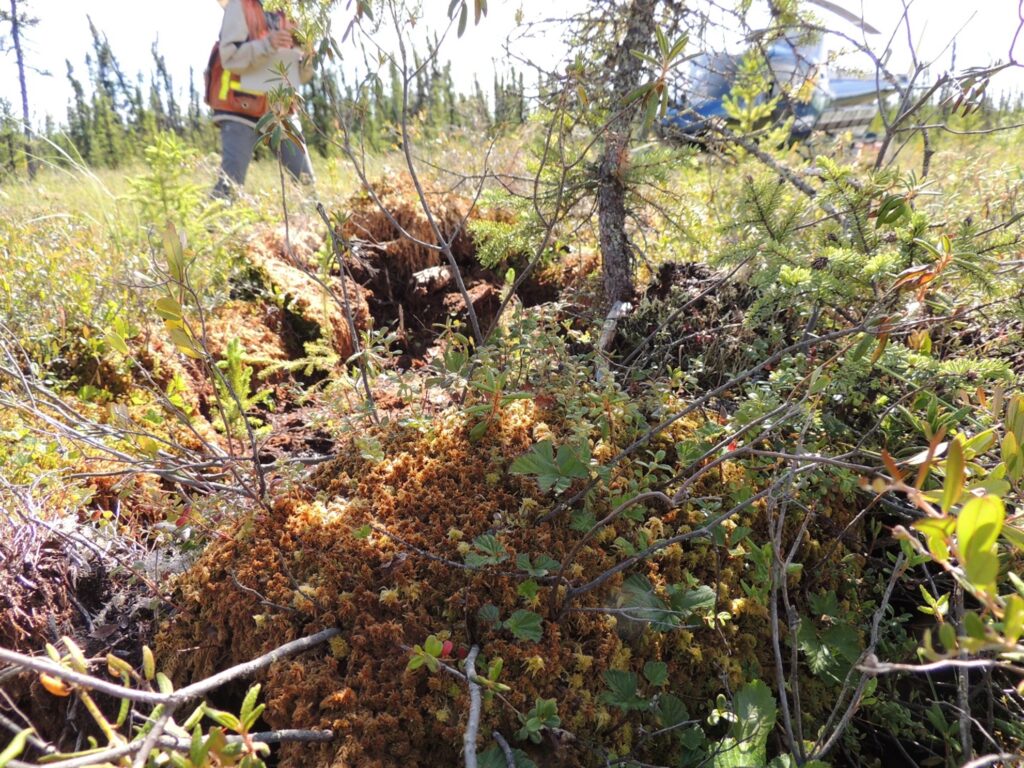
Tree growing like a boss in a transplanted hummock.

Tree growing in a transplanted hummock.


Woody vascular species also appear to be growing well on the hummocks.

We gratefully acknowledge the financial support of the Province of British Columbia through the Ministry of Forests, Lands, Natural Resource Operations and Rural Development for making this project possible.

Fri, 11 Jun 2021

Project Profile: Adams Groundhog Road Rehabilitation and Reforestation Project

Goat Creek Road following treatment

This Caribou Habitat Restoration Fund project is designed to benefit the Groundhog caribou herd in the Upper Adams River Valley and is led by the Ministry of Forests, Lands, Natural Resource Operations and Rural Development. The project targets forest roads within, adjacent or leading to critical high elevation caribou habitat.

Forest professionals assessed and prescribed treatments on suitable roads that were no longer needed. In 2019-20, a total of 41 km of road was assessed and this led to 14.1 km of treatments being prescribed and completed in 2020. The primary treatment was road rehabilitation using an excavator to decompact the road surface, redistribute woody debris & organic material, and restore natural drainage patterns. Rehabilitation treatments prepared the sites for reforestation (tree planting) in 2021. Support and participation of First Nations was integral to the success of this project. Local First Nations supported restoration at this site and the Adams Lake Indian Band had the capacity and resources to complete all road works and provide professional oversight.

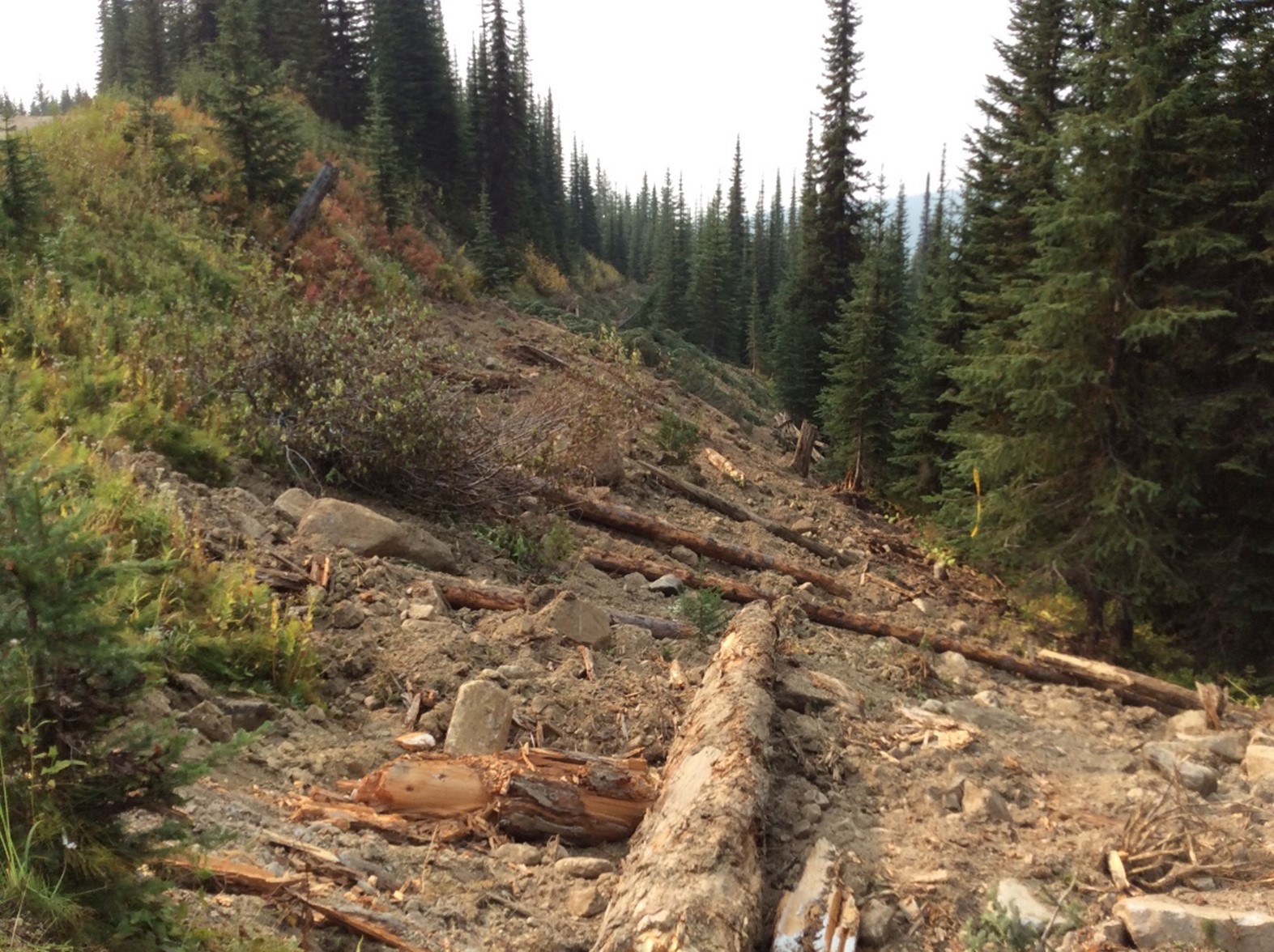
Before:

Goat Creek Road prior to restoration

Goat Creek Road prior to restoration.


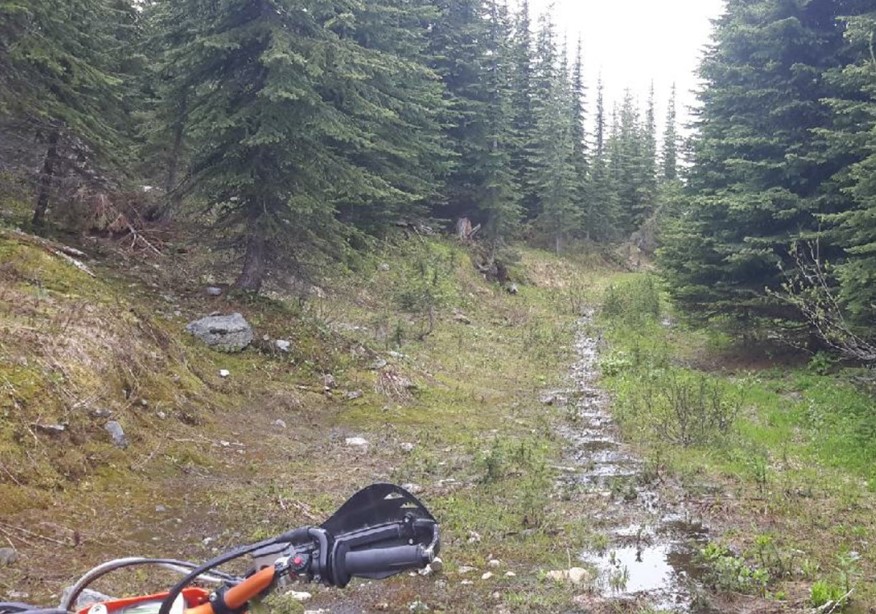
After:

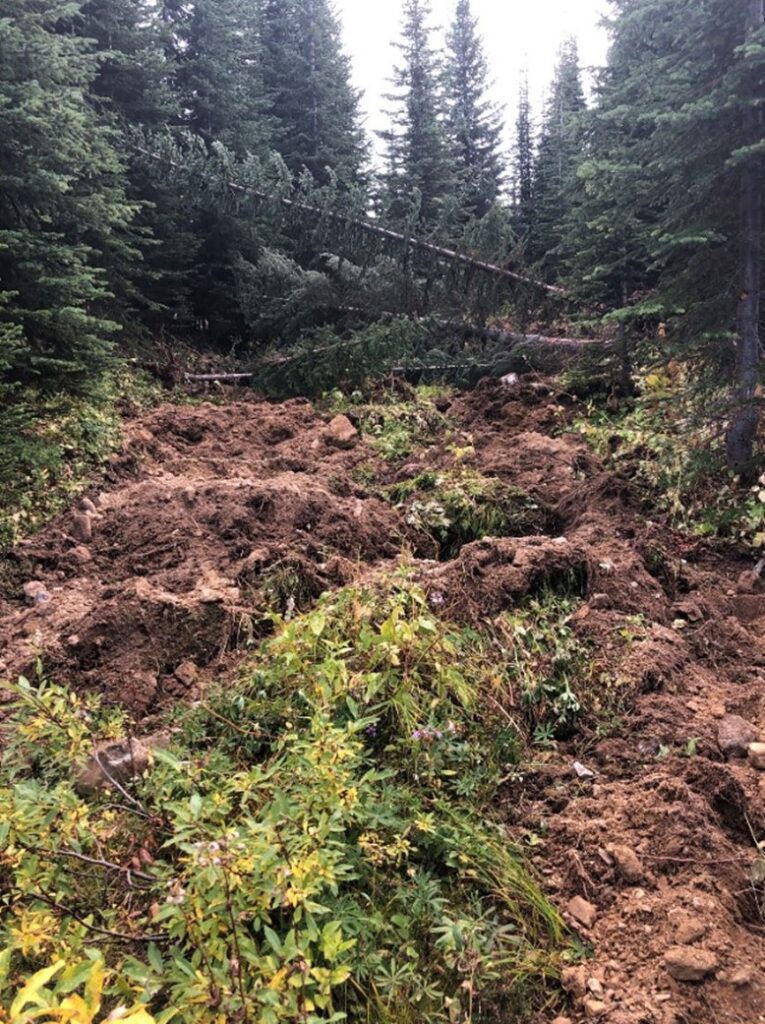
Goat Creek Road after restoration

Goat Creek Road after restoration

We gratefully acknowledge the financial support of the Province of British Columbia through the Ministry of Forests, Lands, Natural Resource Operations and Rural Development for making the Caribou Habitat Restoration Fund possible.  

Fri, 13 Dec 2019

COSEWIC Announces 21 Newly Assessed Species-At-Risk

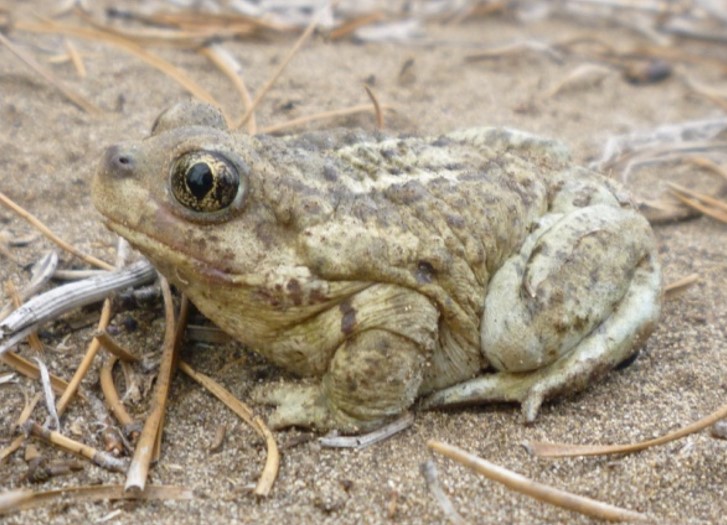
Great Basin Spadefoot (courtesy of Jocelyn Garner, Karl Larsen & Roger Packham)

This past week the Committee on the Status of Endangered Wildlife in Canada (COSEWIC) released the results of its November species assessment. In this most recent COSEWIC review, 21 unique Canadian flora and fauna were added to the national list of species at risk of extinction in categories ranging from “Special Concern” to “Endangered”. Given the unique habitats and wealth of species biodiversity in our province, the largest proportion of these species can be found right here in British Columbia.

Of the 8 newly recognized species-at-risk occurring in BC, the Western Harvest Mouse’s megalotis population, Great Basin Spadefoot toad, Slender Yoke-Moss, and 3 species of Sculpin are found nowhere else in Canada. In particular, the Slender Yoke-Moss’s entire global range is known to occupy a single square meter of limestone cliff on Haida Gwaii. While the Great Basin Spadefoot’s range extends widely into the United States but the the species is experiencing rapid habitat loss in its northern habitat due to increased human development throughout the Okanagan Valley. These decreasing populations are indicative of the wider threats facing species and habitats across British Columbia and the world. Through the Habitat Acquisition Grants program the Habitat Conservation Trust Foundation (HCTF) helps conservation organizations and communities protect and maintain vulnerable habitats throughout BC. Securing important and increasingly under pressure habitat types (such as wetlands & grasslands) is an important first step in giving species-at-risk and the ecosystems they occupy the opportunity to recover.

This newest list of assessed species is notable for the abundance of smaller, less well studied species. Although we typically hear about more charismatic species such as caribou and other large mammals it is important to recognize that British Columbia (much like the rest of the planet) is experiencing general biodiversity loss among all species. When developing conservation projects and planning habitat protection efforts it is important to remember that each species in a habitat has an important role to play within the larger ecosystem. Loss of biodiversity in any given ecosystem can significantly impact that habitat’s ability to resist threats and impacts of climate change.

For more information on the efforts being taken to conserve BC’s unique and diverse ecosystems, as well as tips on how you can get involved in efforts to conserve habitats and species in your own backyard stay tuned to the HCTF’s blog at https://hctf.ca/blog/.