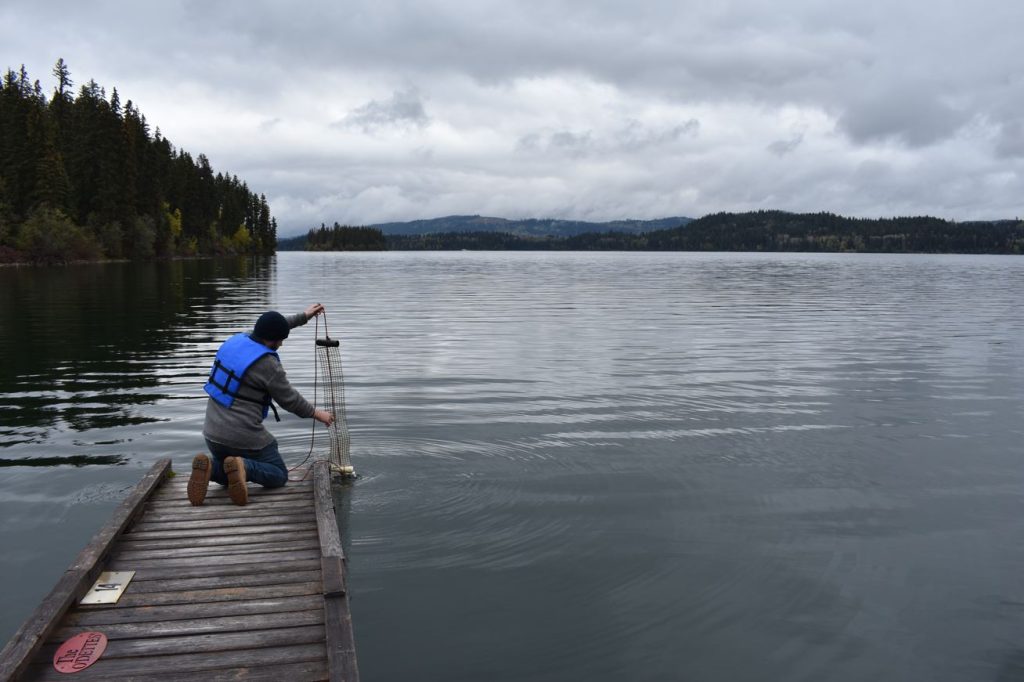
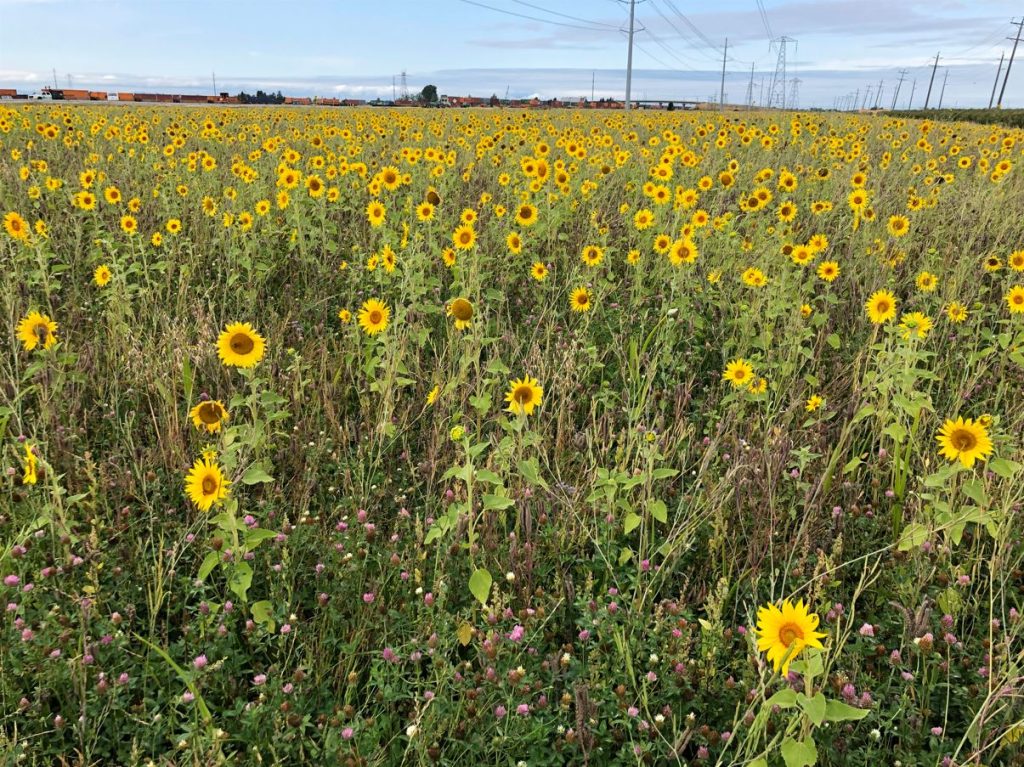
Mon, 9 Sep 2024
Tags: F&W / News / Wildlife

Owl Habitat Suitability in Post-Fire Forests

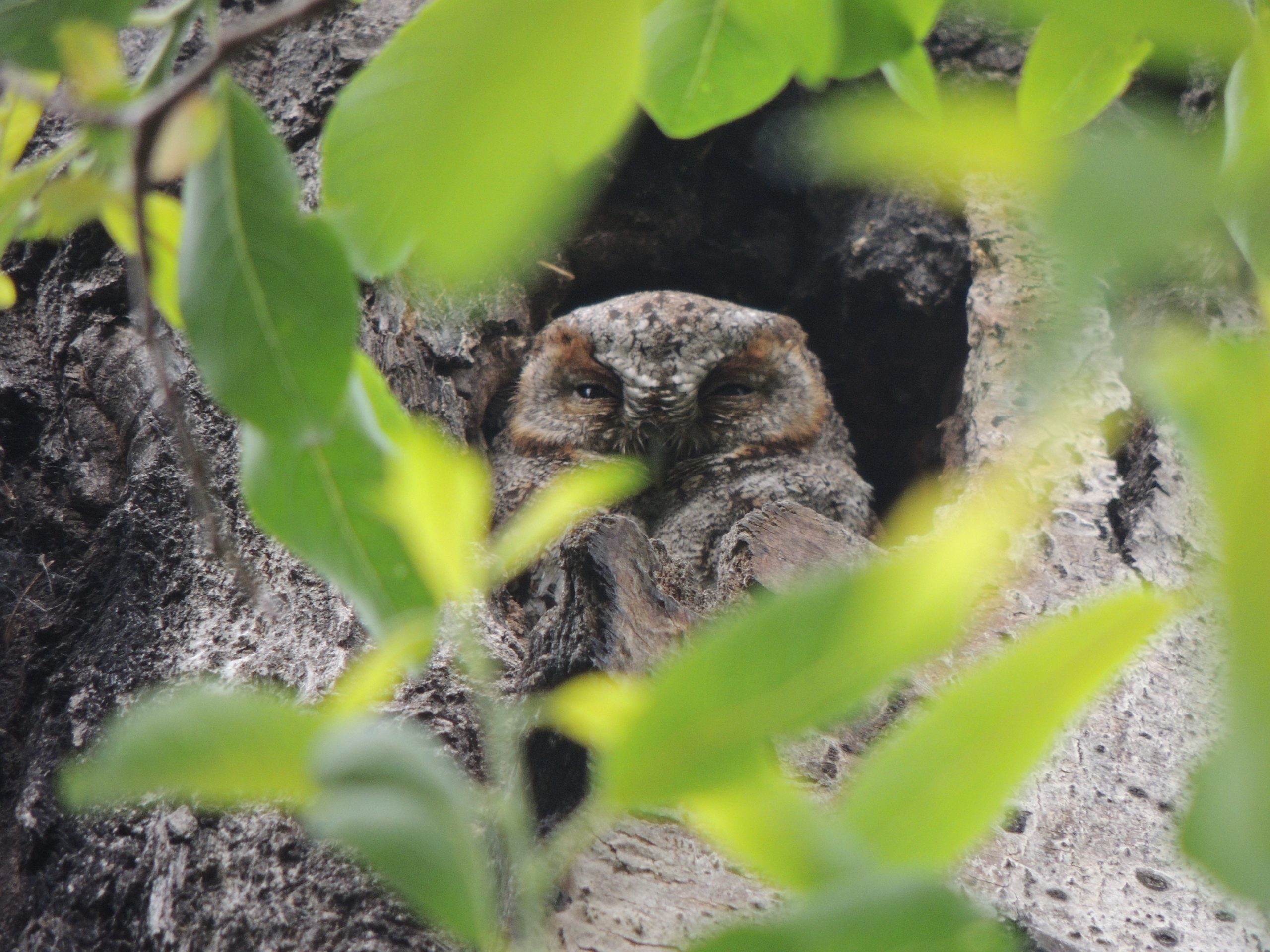
An owl spotted during the study - photo by Marcus Cosentino

HCTF is proud to support 178 fish and wildlife conservation and conservation stewardship projects across B.C. this year, with more than $1.5M in funding allocated to projects in the Thompson Okanagan region.

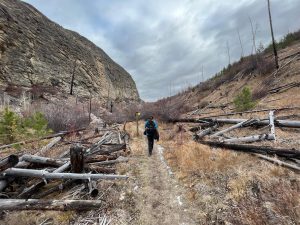
Among this year’s projects in the region is a two-year study of how wildfires of different ages affect the distribution of owls in the Okanagan Valley. “Owls help regulate prey populations and are culturally significant to local Indigenous communities. They are threatened by wildfire, which removes forest features needed for breeding and hunting,” says project leader Karen Hodges of the University of British Columbia Okanagan. MSc student Steffani Singh is surveying which owl species are present in post-fire forests and determining where owl nests are and what the owls are eating in these burned landscapes. The project will thus inform the management about what features of burned forests are essential for owls, leading to better habitat conservation. The project is being supported by the HCTF and the Forest Enhancement Society of BC (FESBC), with $66,401 in funding this year.

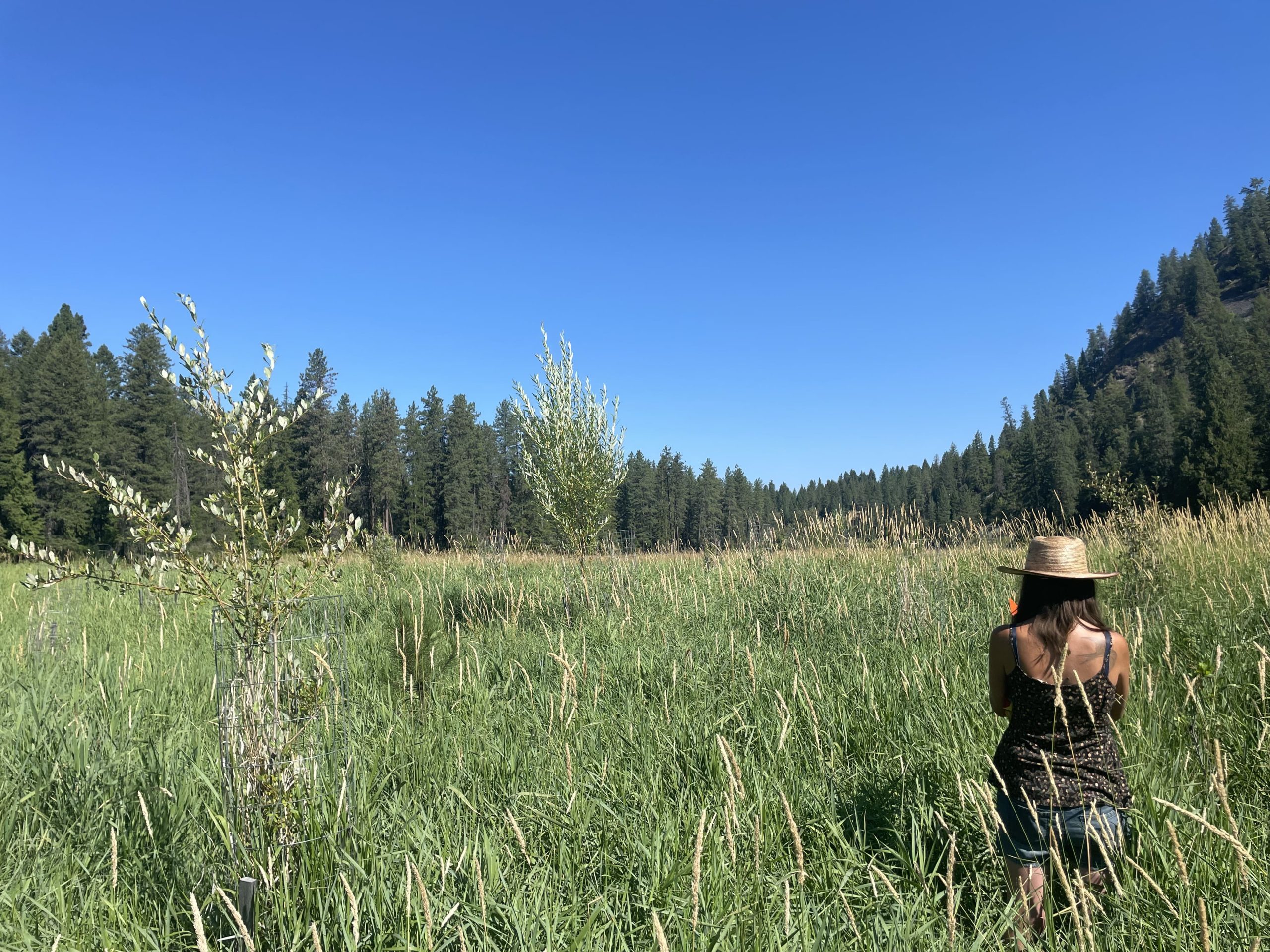
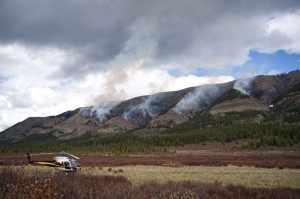
View of an area post-wildfire – photo by Nikita Karitsky

Dan Buffett, CEO of HCTF, said, “Over the last seven years, FESBC contributed over $4.5M to HCTF to fund wildlife projects in our forests. Our partnership enables project leaders such as UBCO to assess the impact of wildfires on wildlife and develop guidance on how to better manage forests for wildlife. Projects such as Dr. Hodge’s work on owls, along with many other wildlife projects, will continue to fill our knowledge gaps to improve habitat for wildlife.”

Learn more: listen to an interview with project lead Steffani Singh here.

Other HCTF-funded projects taking place in Thompson Okanagan include:

  • $22,730 to measure how changes in Douglas-fir forests affect mule deer habitat and how to better support the mule deer population in the Bald Mountain range west of Summerland (co-funded by FESBC).
  • $295,500 to rebuild the Mission Creek Spawning Channel intake, ensuring spawning migration access and higher survival rates for juvenile kokanee.
  • $62,750 to restore habitat on approximately 23 km of roads within the Caribou North and Groundhog caribou herds’ range.
  • $93,615 to install a resistivity counter in the Upper Shuswap River to monitor Bull trout migration and provide spawning and movement patterns.
  • $24,906 to build capacity for and understanding of environmental and wildlife initiatives in the Nlaka’pamux Homeland.
Fri, 6 Sep 2024
Tags: News / Wildlife

How Prescribed Fire is Helping Enhance Stone’s Sheep Habitat in B.C.

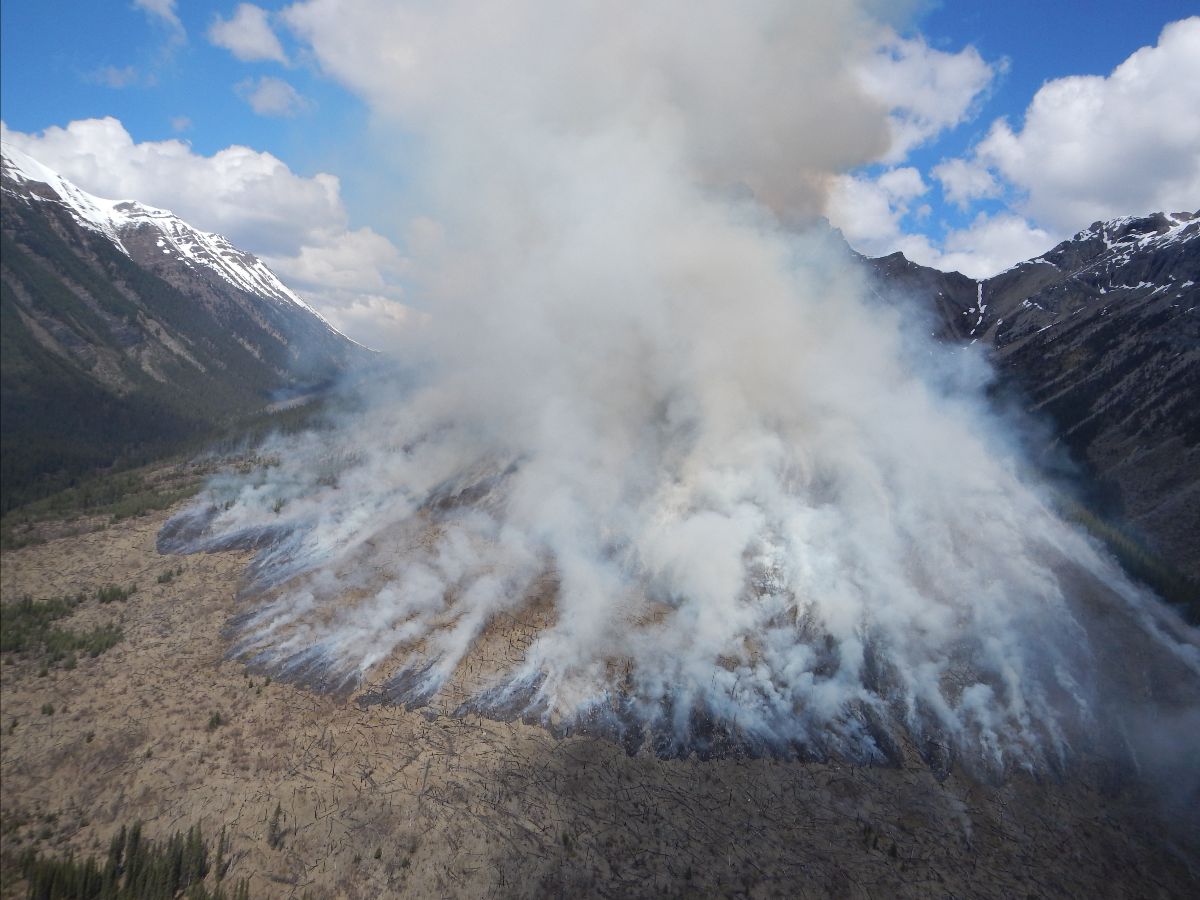
Implementation of a prescribed burn for Stone’s sheep habitat - Ridgeline Wildlife Enhancement

In the remote, rugged, Northeastern terrain of B.C., nearly half of the world’s Stone’s sheep habitat can be found. These sheep and the ecosystem surrounding them have been supported through careful forest management practices since the 1970s. One such practice, jointly funded in recent years by HCTF and the Forest Enhancement Society of BC (FESBC), is prescribed fire.

In May 2022, approximately 160 hectares of Stone’s sheep winter habitat were treated with prescribed fire. This initiative targeted four specific slopes (hillsides), utilizing aerial ignition techniques (dropping fire from helicopters) to reduce woody vegetation, enhance forage quality, and improve predator detection capabilities for the sheep. This treatment was part of a broader objective to restore and maintain habitat not only for Stone’s sheep but, in future project years, also for bighorn sheep, which inhabit the southernmost extent of the region.

“Prescribed fire is a long-standing management practice to restore important foraging habitats for wild sheep and many other species such as moose, elk and mule deer. HCTF is proud to co-fund this work with FESBC so that our project leader can complete this critical work to benefit Stone’s sheep in the Peace Region,” remarks Dan Buffett, CEO of HCTF. “It’s a great project involving a wide variety of partners generating benefits well beyond wildlife to improve the broader forest ecosystem and create a better patchwork of grasslands and different aged forest stands over the landscape.” Viewed from above, the patches appear to be irregular in size, shape, and distribution. This is what natural landscapes often look like when fire is allowed.

In May 2024, before the summer season of wildfires experienced throughout the province, Ridgeline Wildlife Enhancement Inc., on behalf of the Wild Sheep Society of BC, worked on the project to undertake two prescribed burns. They successfully enhanced over 600 hectares or 1,400 acres of Stone’s sheep habitat using prescribed burning treatments. The resulting post-burn habitat will improve forage (food for sheep) quality and reduce dense shrub cover (so the sheep can see predators from a distance).

“The funds provided by HCTF and FESBC result in a direct, on-the-ground, immediate benefit to Stone’s sheep and their habitat,” explained Alicia Woods, a wildlife biologist with Ridgeline Wildlife Enhancement. “Within 10 days post-burn, new vegetation was visible on-site, and by eight weeks post-burn, the site was beginning to revegetate with new forage. We often see sheep move into a burned area within a few weeks to graze on the new growth. Funding for prescribed burning projects also contributes to landscape-level ecosystem restoration, reducing fuel loads, and includes benefits to other species that rely on sub-alpine grasslands.”

During and 6 weeks after a burn, seeing the return of the forage – Ridgeline Wildlife Enhancement

While the primary objective focused on strategically removing of brush and old vegetation to promote the growth of new, nutrient-rich vegetation, Woods emphasized the prescribed burns’ dual benefits, both for habitat management and as a proactive measure against uncontrolled wildfires. “By reducing the fuel load through controlled burns, we not only helped improve habitat quality but also helped mitigate the risk of severe wildfires,” she said.

An interesting objective of this project is that Woods’ team also focuses on studying and researching the impact of prescribed burns on sheep health and their habitat.

“In addition to the on-the-ground habitat benefits, funding contributed by HCTF and FESBC support a research component of the project that includes an assessment of wildlife and vegetation response to prescribed burns. In partnership with the University of Northern British Columbia, PhD students will further investigate how the habitat treated with fire may affect Stone’s sheep health. In a region that supports 50 per cent of the global population of Stone’s sheep, the enhancement of sheep habitat through this prescribed burn program has substantial benefits to this iconic species,” said Woods.

A novel aspect of the project focuses on the indirect assessment of sheep health by analyzing pellet samples for stress hormones and nutritional status indicators. This method offers a non-invasive way to gauge the potential health benefits of the burns to the sheep.
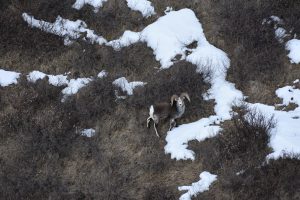
A Stone sheep returning to a site post-burn – Ridgeline Wildlife Enhancement

“As professional foresters making forest management decisions, we are often asked to manage multiple resources and values. The partnership between HCTF and FESBC provides funds to help research, investigate and find solutions in an ever-changing forest landscape on forest stewardship, specifically focused on wildlife and associated ecosystems and habitats,” said Tyler Field, Registered Forest Professional, operations manager with FESBC. “This year, for example, we are jointly funding several long-term projects that look at the effects of wildfire on certain wildlife species, which could help forest professionals make decisions in the future on using fire as a forest management tool in cultural and prescribed burns.”

While in the past couple of years, the project leaders have seen success, they have faced several challenges to get to this point:

  1. The logistics of such an extensive project, especially for reaching remote areas, are extremely difficult. For example, one helicopter trip to the more remote study areas costs roughly $6,000, and the project team needs to visit the sites for monitoring at least four times a year. That is why, apart from the HCTF and FESBC support, the project has additional support from the Wild Sheep Society of BC, Wild Sheep Foundation, North Peace Rod & Gun Club, and the University of Northern BC.
  2. Obtaining necessary government permits is a lengthy and complex process Woods shared, often taking years to navigate through bureaucratic layers. The project has submitted 25 burn permit applications and notably secured 14 burn permits, of which they have already treated six areas.
  3. Even after burn permits are secured, it isn’t as straightforward as implementing the burns. “Spring prescribed burns occur in a narrow window that happens sometime between when the slopes become snow-free and before the site greens up. Sometimes, this window can be as narrow as one week,” explained Woods. The narrow window for suitable burning conditions requires precise timing and flexibility, and the unpredictable weather patterns of recent years and increasing dry periods due to climate change have complicated scheduling and increased the risk of unintended fire escapes from the target burn area.
  4. For Woods, it is important for the public to be aware of the differences between wildfires and prescribed burns and learn why these burns are essential for maintaining ecological balance. “Prescribed burns are done in a very controlled fashion. There are very specific targets with very specific objectives. How we do it, and the conditions we do it under, are also carefully chosen,” said Woods. “The devastation of wildfires we see on the news is not how a prescribed burn site looks; after a prescribed burn the site flourishes with new vegetation.”

Woods also wants people to understand that controlled burns have always been an integral part of Indigenous practices and culture.

“The support and involvement of local First Nations, such as Fort Nelson First Nation, Halfway River First Nation, Doig River First Nation, and communities in the Kaska and Kwadacha traditional areas is not just beneficial but essential. They bring a perspective that enriches our understanding and approach,” said Woods, adding, “What they tell us about burning is also what we see, which is exciting because it confirms what I see on the ground. We conduct the burns similarly to how the First Nations used to do it – during the spring when the frost is still in the ground, so the burn doesn’t harm the soils – as a tool of controlled burning for the benefit of enhancing wildlife habitat and improving the ecological balance in the area.”

The project has become a leading example of how integrating Indigenous ecological knowledge with contemporary scientific practices can lead to more effective and sustainable forest management. Next, the project plans to expand the treated areas, aiming to cover between 500 to 1,000 hectares annually across multiple study areas.

“Our goal is to establish a cycle of burns that continuously rejuvenates the habitat,” she explained. “Ideally, we’re looking to manage these lands in a way that maintains ecosystem diversity across the landscape, which will, in turn, support the wildlife the northeast is renowned for.”

Through the dedicated efforts of Woods and her team, the prescribed burning projects in Northeastern B.C. demonstrate that thoughtful, well-managed fire regimes can profoundly benefit wildlife and ecosystems.


Tue, 16 Apr 2024

Announcing $7.5M for Conservation in B.C.

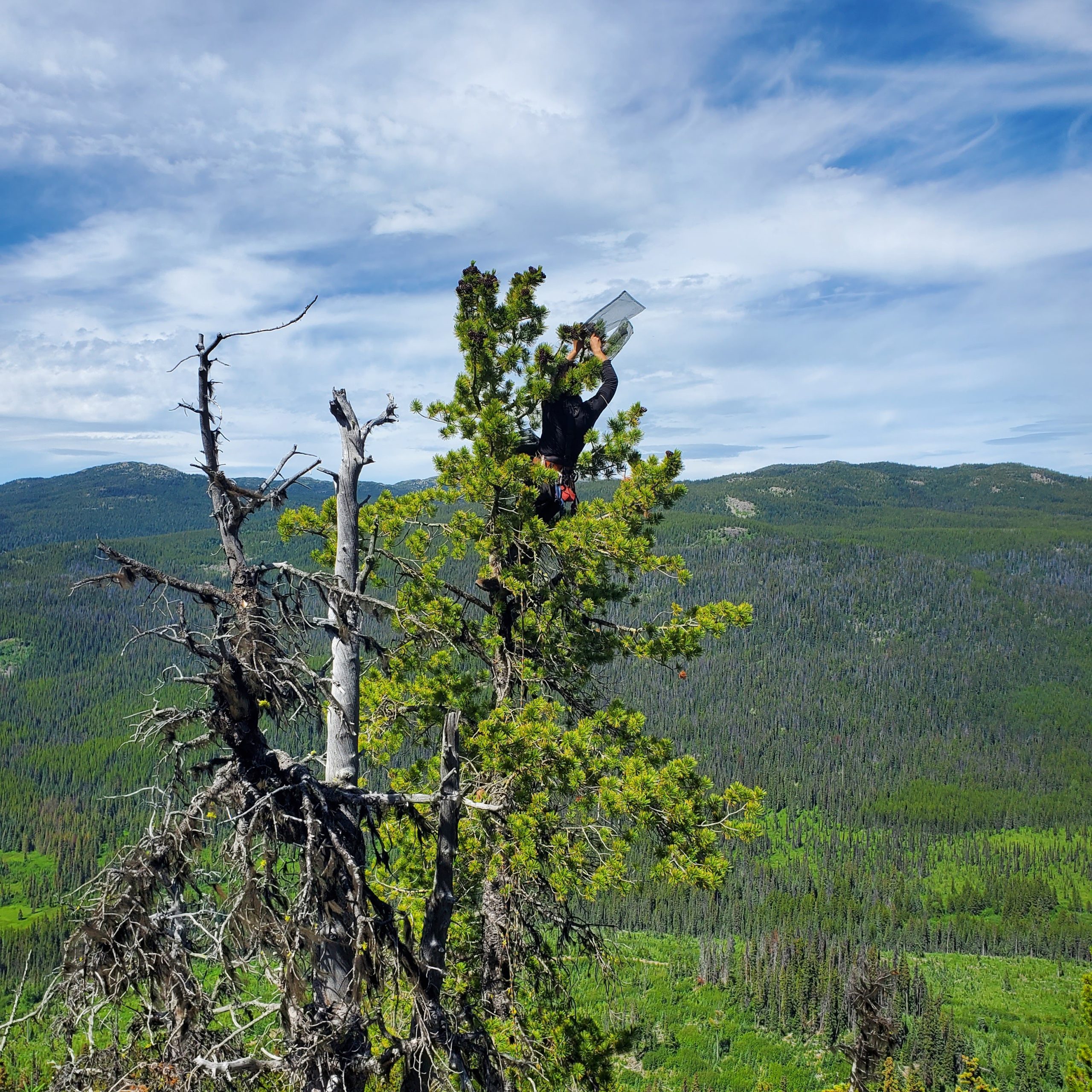
6-227 Restoring Whitebark Pine Ecosystems to Enhance Subalpine Bear Habitat - Smoke Mountain cone collection

The Habitat Conservation Trust Foundation is proud to release the 2024-25 approved project list.

Over $7.5 million in funding has been awarded to 123 projects that will benefit fish, wildlife, and their habitats across B.C.

Included in the list are the approved projects under the Fish & Wildlife Grant, Caribou Habitat Restoration Fund, and Quality Waters program, as well as the provincially-led Conservation Lands and Fisheries O&M programs.

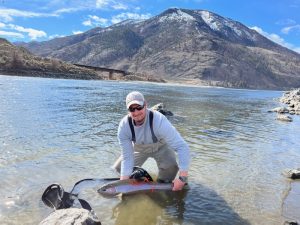
3-251: Interior Fraser Wild Steelhead Conservation – Steelhead tagging for spawning population estimate in the Nicola watershed.

Projects include:

  • $91,500 to restore the wetland habitat at a former sawmill site in the heart of the salmonid migratory corridor for the watersheds of two major rivers in Comox Valley
  • $152,001 to capture and tag juvenile White Sturgeon in the Fraser River to improve understanding of distribution abundance, recruitment trends, and growth rates
  • $45,890 to analyze data on small mammal and vegetation communities in Thompson-Nicola grasslands to better manage BC’s threatened grassland ecosystems
  • $83,380 to enhance 112 hectares of elk winter range in Upper Kicking Horse Canyon
  • $47,700 to implement recommendations from the Middle and Upper Fraser Bull Trout Management Plan to support sustainable angling and long-term stock conservation
  • $37,909 to understand habitat use, movement ecology, and survival of Tawéi (Tlingit word for thinhorn sheep) near Atlin to support sustainable stewardship of the species
  • $183,906 for functional and ecological restoration techniques to add an additional 2,358 hectares to intact areas of habitat within the Klinse-Za caribou herd range
  • $30,480 for the restoration of riparian black cottonwood forests in the Kettle River watershed

7-540: Prescribed Burns for Wild Sheep Enhancement in Northeastern BC – Implementation of prescribed burn for Stone’s sheep habitat.

To see the list of HCTF-funded projects for 2024-25, click here (PDF download).

Please note that this list does not include Action, Capacity, or Community Grants, for which notifications will go out in the summer. Invasive Mussel Monitoring Grant applicants will be notified in May.

Update May 10th, 2024: The Approved Project List now includes 2024-25 Invasive Mussel Monitoring Grants, Highland Valley Enhancement Fund projects, and funding towards the Invasive Mussel Defense Program. There are now a total of 136 projects and over $7.9M in funding.

Tue, 19 Sep 2023

Additional Funding Available for Marbled Murrelet and Northern Goshawk Projects

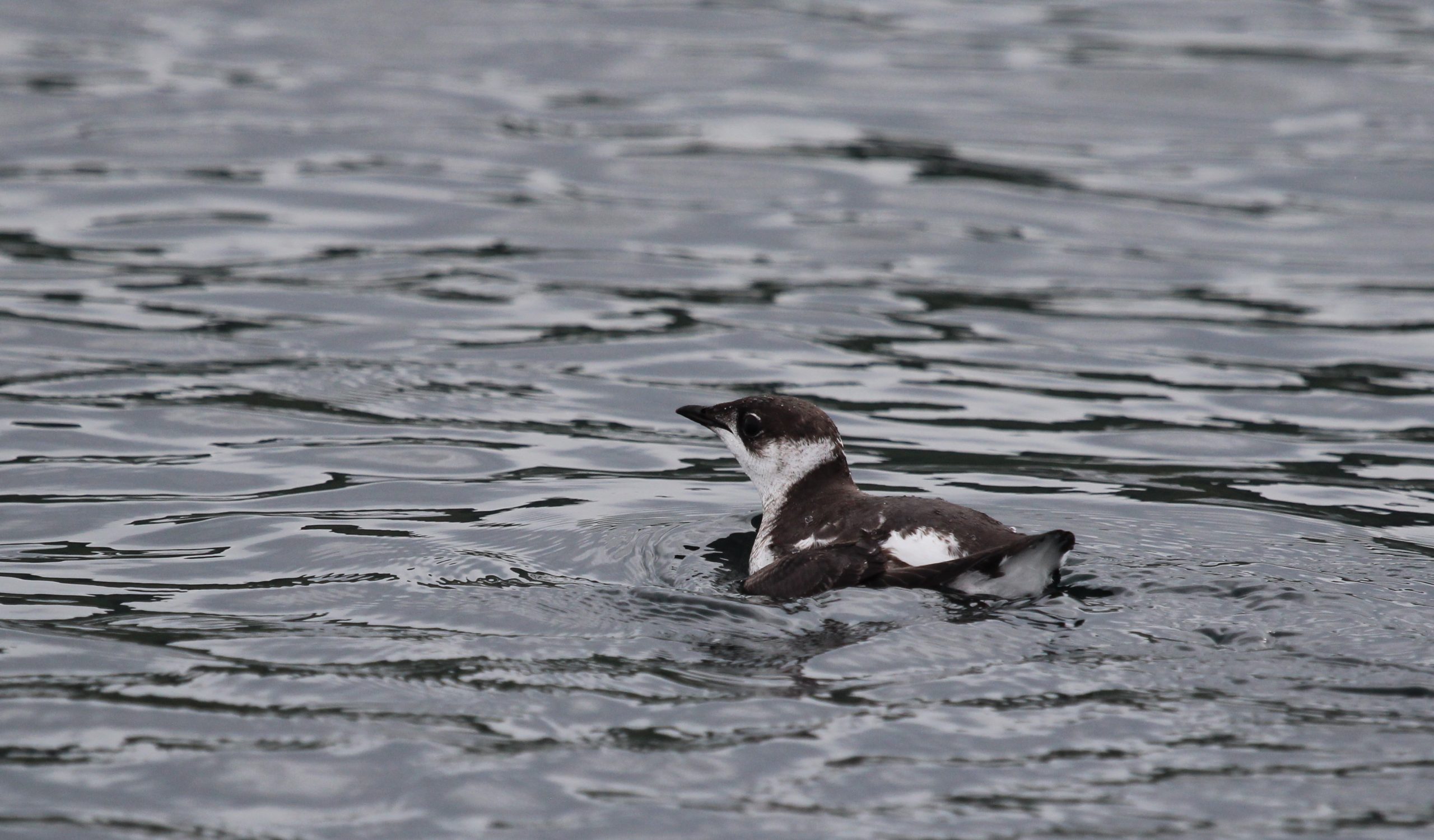
Marbled Murrelet near south Vancouver Island. Photo by Jenna Cragg.

Ongoing efforts to help two threatened birds in B.C. will get a lift this year. The Province of B.C. has dedicated $257,000 towards projects that support the Northern Goshawk, laingi subspecies (“NOGO”) and the Marbled Murrelet (“MAMU”), to be administered by HCTF.

Proposals are to be submitted through the regular Fish & Wildlife (formerly Enhancement & Restoration) Grant SurveyApply application process. They will then be evaluated according to their alignment with either the NOGO or MAMU Implementation Plans and their respective Implementation Actions – see Actions and Performance Measures tables:

Marbled Murrelet Implementation Plan
Northern Goshawk Implementation Plan

The application deadline for Fish & Wildlife Grants is Friday, November 3, 2023, at 4:30pm PDT.

For questions regarding the NOGO/MAMU funding or Fish & Wildlife Grants, please contact HCTF’s Grants Officer Amy Perkins at amy.perkins@hctf.ca or 250-940-3014.

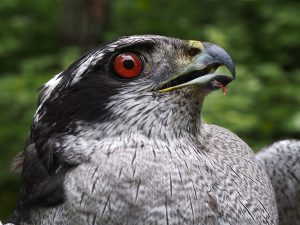
Adult male goshawk captured in the Squamish area. Photo by Melanie Wilson.

Mon, 24 Apr 2023

$8 Million in Funding Approved for Conservation Projects Across B.C.

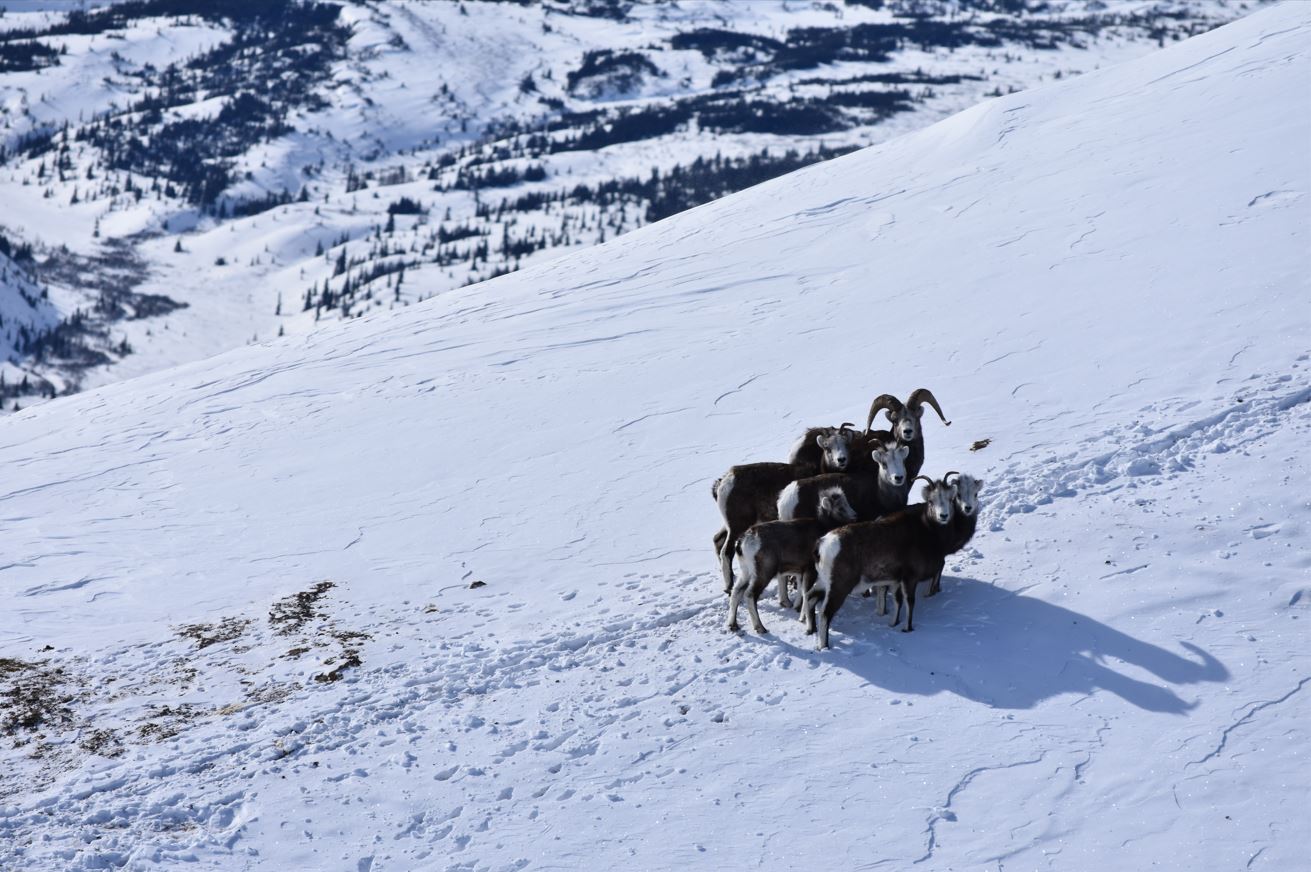
A group of Stone's sheep observed during an annual recruitment survey - Alicia Woods, Ridgeline Wildlife Enhancement

The Habitat Conservation Trust Foundation today announced over $8 million that will fund 167 fish and wildlife conservation projects across B.C.

2023-24 HCTF Project List

For over 40 years, the Habitat Conservation Trust Foundation (HCTF) has provided grants to a large network of recipients who undertake conservation projects each year. With support from HCTF, a wide range of nonprofit organizations, First Nations and Indigenous communities, Provincial ministries, and community groups implement projects that protect B.C.’s wildlife, freshwater fish, and their habitats. Since 1981, the HCTF has funded over 3,550 projects representing an investment of over $215 million for conservation in B.C.

CEO Dan Buffett is pleased with the diversity of projects as “each project undergoes a multi-step technical review process to direct funding to the best projects for fish, wildlife and their habitats.”

Project 5-310: Invasive Mussel Monitoring for the Cariboo Regional District

A significant source of funding for projects is the conservation surcharge paid by B.C.’s anglers, hunters, trappers, and guide outfitters when they purchase their respective licenses. HCTF also receives substantial funding from partner organizations like the Forest Enhancement Society of B.C. (FESBC), provincial government contributions, court awards, and endowments.

FESBC’s Executive Director Steve Kozuki is “thrilled to partner with the trusted and respected Habitat Conservation Trust Foundation to improve wildlife habitat. With their first-in-class management of funds and projects by talented and professional staff, we know that we are maximizing benefits for wildlife in British Columbia.”

This year’s approved projects include:

  • $254,809 for functional and ecological restoration of approximately 16 km of linear corridors in the Clearwater Valley, led by the Nîkanêse Wah tzee Stewardship Society.
  • $146,747 to enhance 200 km2 of moose habitat in Nazko First Nation territory including rehabilitation of 100 km of forest resource roads.
  • $130,794 to determine the migration behaviour and habitat use of juvenile white sturgeon in the Pitt River watershed of the Lower Fraser River to develop habitat protections and restoration prescriptions.
  • $92,938 for the restoration of a former sawmill site in the heart of the salmonid migratory corridor of the Puntledge and Tsolum Rivers watersheds in the Comox Valley; this will restore the forested tidal wetland and reconnect the site to the floodplain of the Courtenay River, benefiting salmon, trout, and many other wildlife species.
  • $95,940 for the enhancement of critical habitat for mule deer, white-tailed deer, and Rocky Mountain elk between Raymond and Red Canyon Creeks in the Galton Range. Efforts will focus on slashing treatments and invasive plant management.

Project 2-349: Enhancing Upland Farmland for Wildlife in the Fraser River Delta

The B.C. Wildlife Federation also received funding this year: “Funding from HCTF will help the B.C. Wildlife Federation to train a new generation of habitat stewards through our Wetlands Institute,” said Neil Fletcher, BCWF Director of Conservation Stewardship. “With the support of HCTF, we offer a seven-day boot camp to qualified British Columbians who are pursuing projects in their communities. The grant for the Water, Water, Everywhere project will enable the BCWF to strategically place wetlands designed to mimic beaver dams with ability to restore and enhance wildlife habitat and riparian areas all over B.C.,” Fletcher added. “Installing beaver dam analogues with local partners will allow us to share our skills and expand our network of conservation stewards.”

To see the complete list of HCTF funded projects or explore the conservation work being done near you, view the 2023-24 Approved Project List.

Wed, 15 Mar 2023

Preliminary Approved Project List 2023-24

A preliminary list of HCTF approved projects for 2023-24 is now available.

Preliminary Approved Project List 2023-24

Projects included on this preliminary list have been approved in principle but may have reduced budgets or funding conditions. All applicants will receive official notification emails including HCTF Board and technical committee comments. For approved projects, these emails will include the grant amount and funding conditions (if applicable). Please note that HCTF staff cannot provide further information to you before the Notifications are issued.

Proponents of approved projects will receive a Conditional Grant Agreement. Please be aware that until both you and HCTF have reviewed, accepted and signed the Conditional Grant Agreement, there is no confirmation of funding and no legal commitment in place.

Congratulations to all successful proponents! To those applicants who were not funded this time, thank you for your interest. The next opportunity to apply for an HCTF Enhancement and Restoration, Stewardship or Caribou Habitat Restoration Grant will be Fall of 2023 (Deadline: Friday November 3, 2023).

How are Grant Applications Reviewed?

Each proposal undergoes a multi-level, objective technical review prior to final Board decisions. For more information on what reviewers look for when evaluating a proposal, see our Grant Apply page.