Mon, 6 Feb 2017

WANTED: Reports of BC Bats in Winter, Dead or Alive

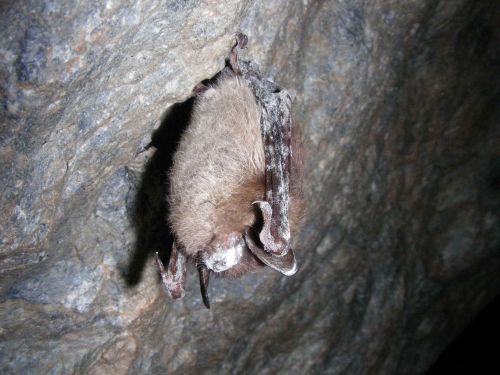
Little Brown Bat displaying White Nose Syndrome in Vermont. Photo by Marvin Moriarty, US Fish & Wildlife Service.

White Nose Syndrome (WNS), a fungal disease responsible for the death of millions of bats in eastern North America, has moved to the west coast and was confirmed in Washington State in 2016. This is very worrisome for the health of bat populations in British Columbia, with near 100% mortality for some species of bats exposed to the fungus. Although devastating for bats, WNS does not affect humans.

The BC Community Bat Program in collaboration with the BC government is requesting the public’s help in monitoring the spread of this disease. “We knew this deadly fungus was moving westward across North America” says Mandy Kellner, Coordinator of the BC Community Bat Program, “but we thought we had many years to prepare”. Instead, the disease was confirmed near Seattle last March, and the group is gearing up to look for it in BC this winter.

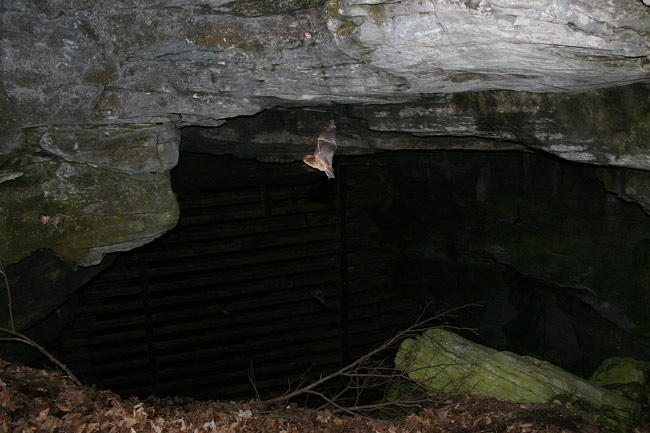
The typical first sign of this disease is bats flying during the winter, an unusual sighting at a time of year when bats are hibernating. Another sign of the presence of WNS is the appearance of dead bats as they succumb to the effects of WNS. “We are encouraging the public to report dead bats or any sightings of winter bat activity to the Community Bat Project (CBP) toll-free phone number, website, or email below. Bat carcasses will be submitted for testing for White Nose Syndrome and would provide the earliest indication of the presence of the disease in BC” says Kellner. Reports of winter bat activity will help focus research, monitoring and protection efforts.

If you find a dead bat, report it to the CBP (1-855-922-2287 ext 24 or info@bcbats.ca) as soon as possible for further information. Never touch a dead bat with your bare hands. Please note that if you or your pet has been in direct contact with the bat you will need further information regarding the risk of rabies to you and your pet.

Currently there are no treatments for White Nose Syndrome. However, mitigating other threats to bat populations and preserving and restoring bat habitat may provide bat populations with the resilience to rebound. This is where the BC Community Bat Program and the general public can help.

Funded by the Habitat Conservation Trust Foundation, the Province of BC, and the Habitat Stewardship Program, the BC Community Bat Program works with the government and others on public outreach activities, public reports of roosting bats in buildings, and our citizen-science bat monitoring program.

To contact the BC Community Bat Program, see www.bcbats.ca, email info@bcbats.ca or call 1-855-922-2287 ext. 24.


HCTF is providing funding for the BC Community Bat Program through grants to project 0-476, Got Bats? B.C. Community Outreach, Conservation and Citizen Science Project


Thu, 2 Feb 2017

Two Weeks Until GO Grant Deadline

GO_Grants_17.jpg


Attention teachers – the application deadline for GO Grants is February 15th. Apply now for a grant to help get your class outside this spring, learning about nature in nature! Educators can apply for up to $600/class or $3500/school to pay for bus transportation, project materials, and leader/program fees for outdoor environmental learning experiences – full grant criteria and links to application forms are available here. For more information, contact HCTF Education at 250-940-9786 or email gogrants@hctf.ca


Fri, 6 Jan 2017

Meet Our New Conservation Specialist

christina_waddle_photo.jpgWe are thrilled to be starting 2017 with a new staff member! Christina Waddle has joined HCTF as our Conservation Specialist. This is a new position at HCTF, created to help administer our growing investments in conservation lands management, as well as our acquisition and fisheries operations & maintenance granting programs. Christina has a wealth of experience in both administration and conservation lands management. She completed her Bachelor of Science degree with the University of Manitoba in 2001. Following graduation, she moved to Victoria and began working for The Land Conservancy of BC in various positions, eventually as Regional Manager for Vancouver Island. More recently, she spent 5 years with the University of Victoria’s Ocean Networks Canada in administrative roles. Welcome Christina!


Mon, 26 Dec 2016

Happy Holidays from HCTF

Our best wishes for a safe and happy holiday season. Please note that our office will be closed December 26th through January 2nd. We look forward to working with you in 2017.

Mon, 21 Nov 2016

HCTF Announces Partnership with Forest Enhancement Society of BC

HCTF_logo.JPG FESBC_logo.JPG

We are pleased to announce that the Habitat Conservation Trust Foundation (HCTF) has signed a Letter of Agreement (LOA) with the Forest Enhancement Society of British Columbia (FESBC). This one-year agreement will result in increased funding available for wildlife habitat projects, with FESBC prepared to contribute up to half a million dollars. This will be in addition to the two to three million dollars that HCTF grants to wildlife projects annually.


About FEBSC

In February 2016, the BC Government announced the formation of a new organization called the Forest Enhancement Society of BC (FESBC). At the time of its formation, the BC Government provided an initial contribution of $85 million to the Society.

The purpose of the Society is as follows:

A. To advance environmental and resource stewardship of British Columbia’s forests by:

  • preventing and mitigating the impact of wildfires;
  • improving damaged or low value forests;
  • improving habitat for wildlife;
  • supporting the use of fibre from damaged and low value forests; and
  • treating forests to improve the management of greenhouse gases.

B. To advocate for the environmental and resource stewardship of British Columbia’s forests.

C. To do all such other things as are incidental and ancillary to the attainment of the foregoing purposes and the exercise of the powers of the Society.

You can find out more about FESBC by visiting their website at www.fesbc.ca


HCTF and FESBC: Natural Partners

Both HCTF and FESBC have a mandate to improve habitat for wildlife. HCTF has over 35 years of experience in administering grants for projects that enhance wildlife habitat in BC. By partnering with HCTF, FESBC will be able to efficiently identify high-quality projects that fulfill their mandate and make a meaningful contribution to conservation in BC. The partnership between HCTF and FESBC will also reduce the administrative burden on funding recipients by consolidating grant application and reporting requirements.


Investment of FESBC Funds

FESBC has chosen to use the HCTF application and technical review process to help select wildlife habitat projects they would like to fund. Proposals submitted to HCTF for enhancement & restoration grants by the November 4, 2016 deadline will be reviewed by committees of scientific experts to identify those that are technically sound, address important wildlife conservation issues, and have a high likelihood of success. Projects meeting these criteria will be considered by FESBC for funding, based on alignment with their mandate. Once FESBC has determined the amount they would like to contribute to selected projects, they will transfer this sum to HCTF, who will administer the grants. Recipients of FESBC funding will be notified by HCTF in March 2017, and HCTF and FESBC will jointly announce the list of grant recipients in April 2017.

Quote from Greg Anderson, Executive Director of the Forest Enhancement Society of BC:

“Improving wildlife habitat is an important part of FESBC’s mandate to advance stewardship of BC’s forests. We’ve chosen to partner with HCTF on the administration of these funds as they have a strong record of investing in scientifically-sound projects that have made important contributions to conservation in BC.”

Quote from Brian Springinotic, CEO of the Habitat Conservation Trust Foundation:

“HCTF is happy to have entered into a partnership with the Forest Enhancement Society of BC. This new funding will help meet an increasing need for resources to protect, restore and enhance wildlife habitat, to the benefit of all British Columbians.”