Fri, 7 Oct 2016

Volunteer at Salmon River Estuary

The Nature Trust (TNT) of BC ia hosting a volunteer event October 12-14 at the Salmon River Estuary Conservation Area near Sayward, Vancouver Island. Organizers are looking for volunteers to help replant native shrubs and trees to help restore this important wetland and riparian habitat.

This conservation property was purchased in 2015 by the Nature Trust of BC, with funding support from the Habitat Conservation Trust Foundation, Fish and Wildlife Compensation Program, Campbell River Salmon Foundation, Barnet Rifle Club, Steelhead Society of BC, Kingfishers Rod & Gun Club, Ducks Unlimited Canada, Totem Fly Fishers, Parksville-Qualicum Fish & Game Association, BC Federation of Fly Fishers, and individual donors from across BC. You can read more about the property here

Anyone interested in helping with the planting is welcome to join TNT staff for all or part of the time. Bring your lunch, rain gear, gloves, and a shovel, if possible. The property is located south of the Village of Sayward, on the west side of the Salmon River, on Sayward Road, east of Frenchman Road, between the Salmon River and Hammond Creek bridges. Go to map>> For more information, contact Karen Barry on 250-713-3193

Tue, 4 Oct 2016

HCTF Now Accepting Proposals for 2017-18 Enhancement and Restoration Grants


Each year, HCTF provides approximately $6M in Enhancement and Restoration Grants for projects benefiting BC’s fish, wildlife and habitats. Proponents seeking HCTF funding for enhancement and restoration work taking place in 2017-18 must submit a proposal through HCTF’s web-based application portal, HCTF Online. The deadline for application submission is Friday, November 4, 2016 at 4:30pm PST. You may submit a proposal anytime between now and the deadline.

To begin your application, review the information on the Enhancement & Restoration Grant Overview, then continue on to the HCTF Online webpage where you will find instructions, examples and additional information to facilitate the application process. From this webpage, you can request a User ID and log on to the online application system.

What happens next?

Over the next few months, technical review committees assess each proposal and make recommendations to the HCTF Board. In early March, the Board meets to make final funding decisions and shortly thereafter a preliminary list of approved projects will be posted on this website. Proponents will then be notified by email of the status of their proposals in mid-March.

Fri, 30 Sep 2016

Job Posting – Conservation Specialist

HCTF is looking for a Conservation Specialist to join our team.  For details, visit our Careers webpage.

Thu, 22 Sep 2016

Calling Volunteers in Victoria

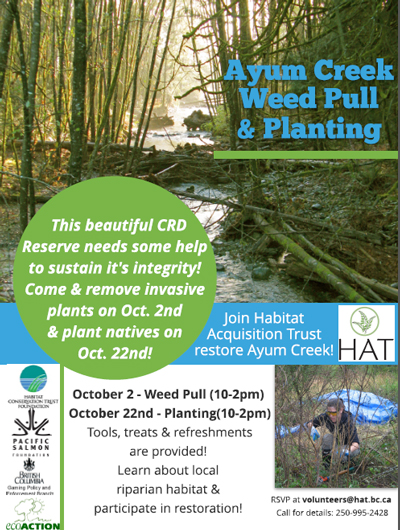
Ayum_Creek_Poster.jpgThe Habitat Acquisition Trust is organizing two riparian restoration days next month as part of the Good Neighbours Program funded by HCTF.

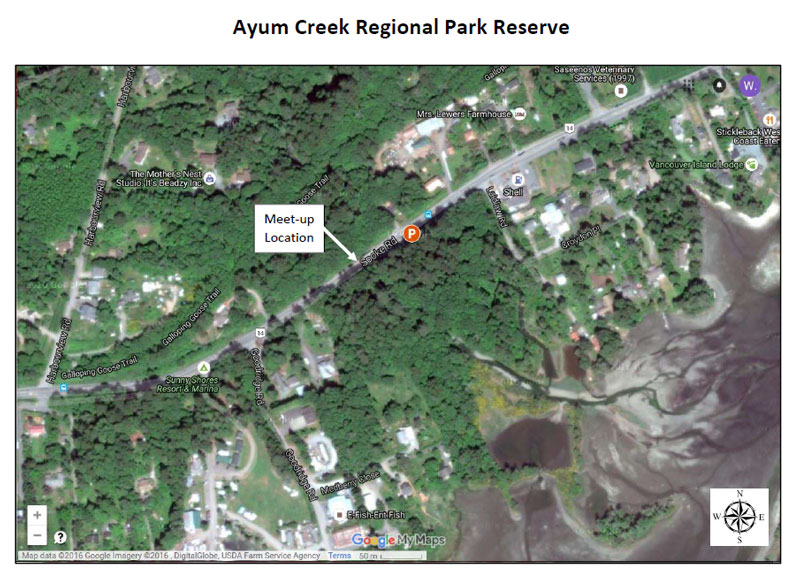
The events will be held at Ayum Creek in Sooke on Oct 2 and Oct 22nd from 10 – 2 pm.

Ayum_Creek_Map.jpg


On Oct 2nd, HAT staff and volunteers will be removing invasive species (particularly Scotch Broom) from around the creek. On Oct 22nd they will be replanting native species. Tools, training, and food will be provided. Rides can also be arranged. Ayum Creek is also conveniently located along the #61 Bus route. These events may be an excellent opportunity to see salmon spawning along the creek, and the entire Ayum Estuary area provides for great birding and other wildlife viewing opportunities.

Interested? Please call 250 995 2428 for more details, or RSVP to volunteers@hat.bc.ca


Fri, 9 Sep 2016

Logan Lake Wetlands Open House September 17th


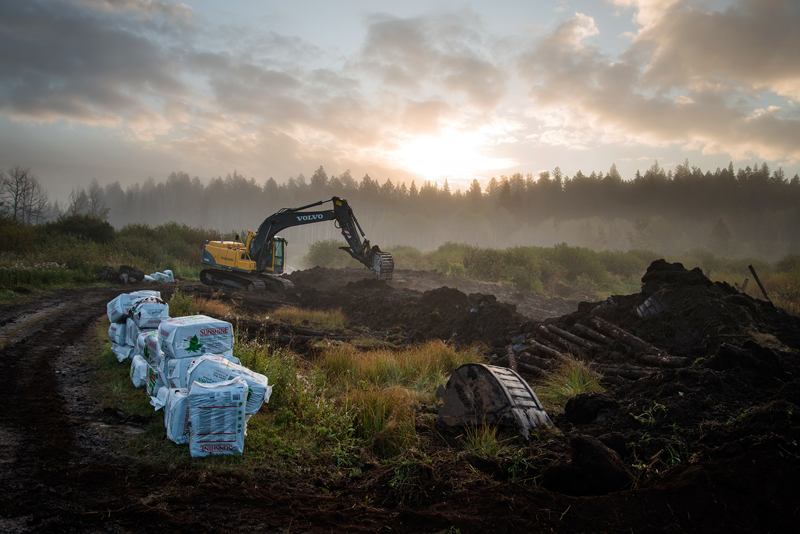
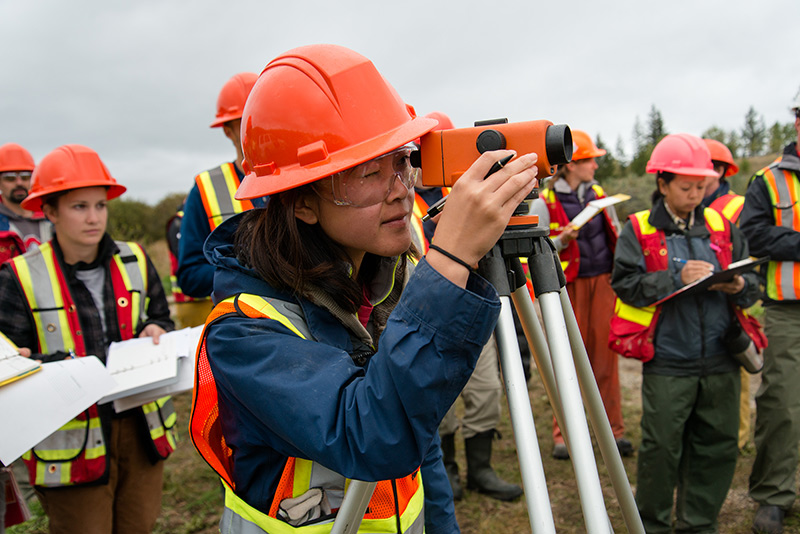
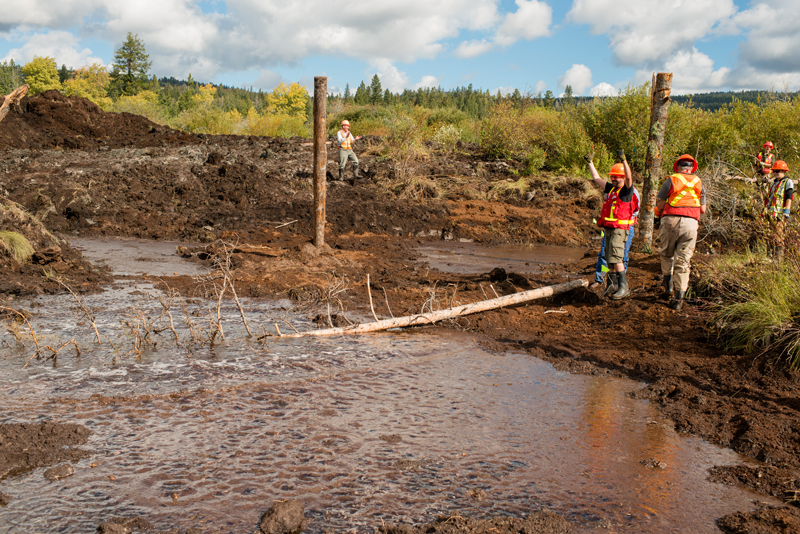
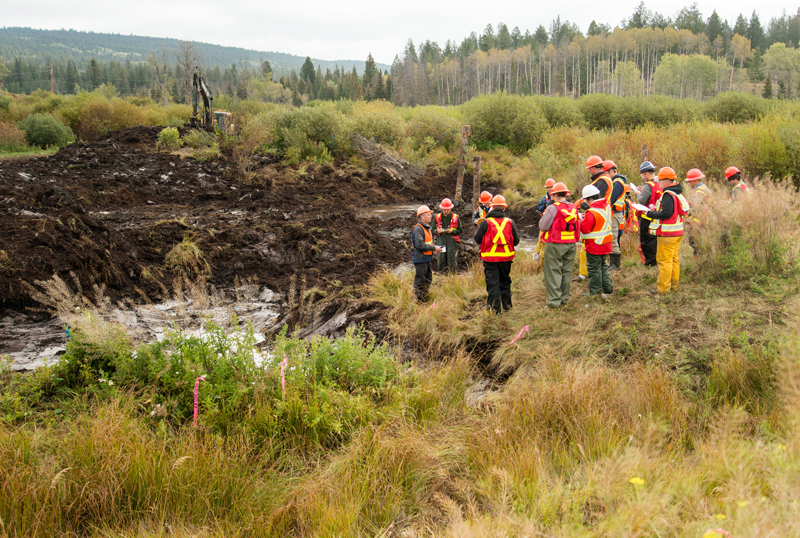
Wetlands provide important benefits for humans, fish and wildlife. Over the past five years, more than one hundred students from the BC Institute of Technology (BCIT) Ecological Restoration Program have worked together with the District of Logan Lake, Ministry of Environment, and wetland expert Tom Biebighauser to restore wetlands at the Meadow Creek Golf Club, upstream of Logan Lake. The restored wetlands act as natural water purifiers and have the potential to help improve the water quality of Logan Lake. They are also providing new habitat for a variety of wildlife. Following another week of hands-on learning about wetland construction, students from BCIT’s Ecological Restoration Program will hold an open house to share what they’ve learned and accomplished with the community.

When: Saturday, Sept 17th, noon to 4 pm

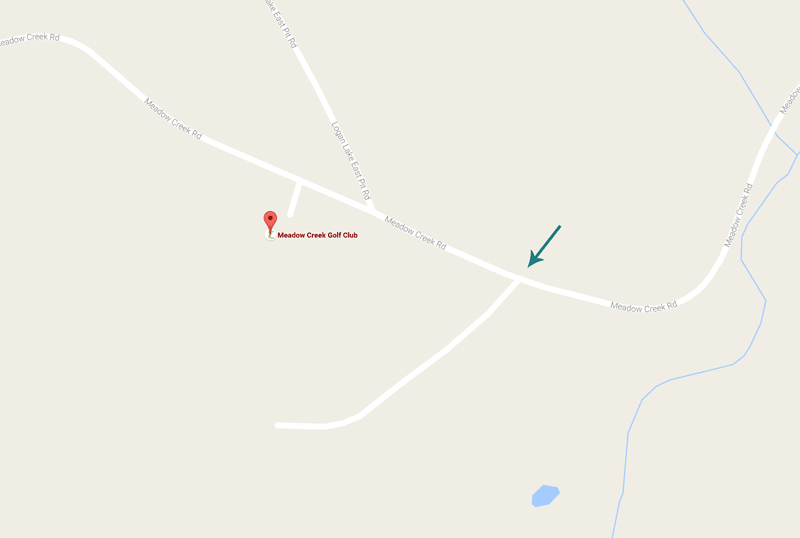
Where: Dumois Creek on the Meadow Creek Golf Course near the maintenance area. Access is via the service road north of the Meadow Creek Golf Course (arrow indicates service road on map below). Please park in the golf course parking lot or along the road and walk in along the service road to the maintenance area.


Logan_Lake_map.gif


What: BCIT students from the Ecological Restoration Program will lead a tour of the wetlands they’ve helped create on this property and answer questions about the project. You’ll learn how wetlands improve and store water, influence climate and how they can be restored.

Light refreshments will be available.

The Meadow Creek Golf Course Wetlands Restoration Project was made possible by funding from the Habitat Conservation Trust Foundation, BCIT, the District of Logan Lake, Teck Highland Valley Copper Environment Canada and donations from London Drugs.


Download as pdf

_____________________________________________________________________________________

CONTACT INFORMATION

Dr. Ken Ashley

Director of the BCIT Rivers Institute

Phone (604) 432-8270

Email Ken_Ashley@bcit.ca


Dave Harper

Instructor, BCIT Rivers Institute

Email dharper@bcit.ca


Photos (click on image for larger version of the file):


Logan_Lake_Wetland_Construction_800.jpg


BCIT_student_wetlands_Logan_Lake_800.jpg


Logan_lake_wetland_tree_800.jpg


Logan_Lake_Wetland_Students_800.jpg


Video:

Drone Footage of Wetland Construction on Youtube


Past Press Coverage of the Project:

Wetlands a Welcome Addition to Logan Lake

October 2014, Merritt Herald

Wed, 31 Aug 2016
Tags: Education

Transformed School Grounds Enhance Environmental Learning


Nestled in the heart of the Fraser Valley lies the small rural community of Dewdney. Three years ago, declining enrollment threatened the future of the community’s only school, but today, Dewdney Elementary has become a shining example of how re-creating outdoor space can strengthen student learning and bring together a community. Led by the vision of their Principal, Mrs. McLeod, and the implementation of the Community Outdoor Recreation and Environmental Education (CORE) program, this small school has been hugely successful in incorporating environmental education, stewardship and restoration into everyday learning.


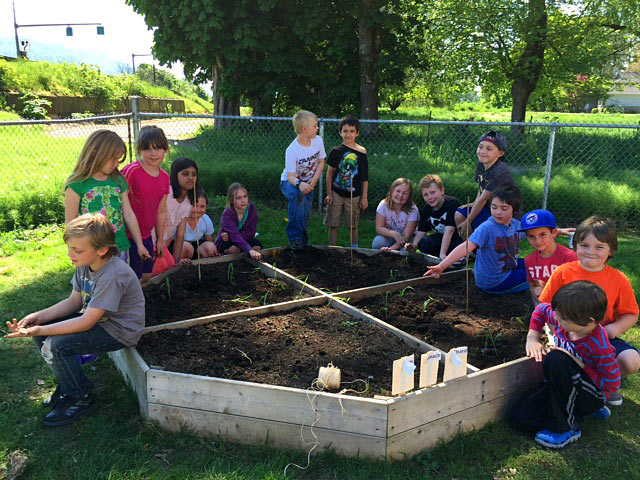
The school transformed a soggy field of grass into a naturalized area full of opportunities for play, growth and learning. Students participated in the design and construction of various features, including a “mud kitchen” and garden boxes for growing food. They also planted and cared for fruit trees, edible berry bushes and other native plants. A wooden tree-cookie pathway leads the young learners through the landscape, past apple trees and strawberry plantings into a free play area with loose natural materials for making whatever the students can imagine come to life. Not without modern conveniences, the site also boasts rainwater harvesting, biofiltration swales, and a power-generating windmill for a covered shelter appropriately named “the Den”.
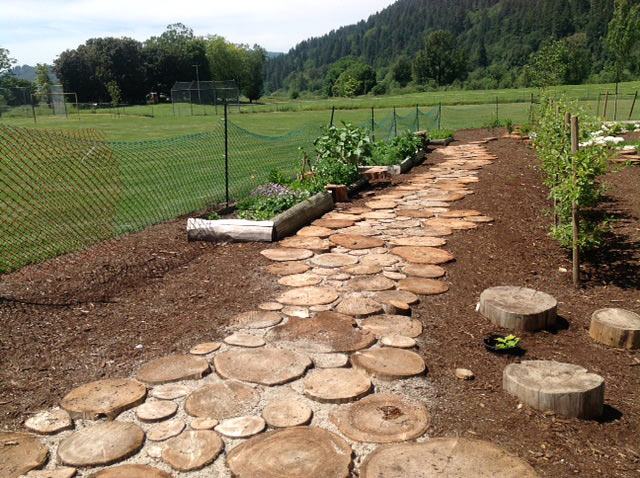
 

Dewdney_elementary_tree_cookie_path.jpg

Teachers at Dewdney have used the concepts from HCTF’s Wild Schools and the Get Outdoors resources to augment the student’s use of the learning area during free time, as well as more deeply infusing it into the learning process while doing inquiry based work and while planting and maintaining the planter boxes. Using a GO Grant, classes were able to create and nurture food gardens including a three-sisters planting concept of beans, corn and squash . In the fall, they will harvest, prepare and preserve their garden’s bounty with the help of community partners.

Experiences in the outdoor space integrate curriculum concepts of numeracy, language, science and physical education. Students learn from their successes and also failures; they’ve witnessed some of their gardening work quickly undone by nighttime critters, and gained an understanding of the interactions between plants and wildlife in the process. Seeds that fail to sprout prompt questions as to why, providing an opportunity for inquiry-based learning. These experiences are only the beginning; Dewdney’s efforts to integrate ecology and stewardship into student learning recently won them $25,000 of technology from Staples to help further their environmental and educational programs. These include restoring and expanding a wetland are covered in invasive reed canary plants and the addition of a large greenhouse.

While replicating the success of Dewdney Elementary’s schoolyard transformation may seem daunting to those starting with a blank schoolyard canvas, Dewdney’s administration encourages interested schools to start small and build as you grow. “Our project and any successes that come along with it, are the result of teachers, parents, community members, businesses working together to make a difference in their corner of the world,” says Sue McLeod, the school’s principal. “It is not the size of the project that is important, but the willingness to jump in and get their hands dirty. That is the most fun of all!”


Thanks to WildBC facilitator Lisa Fox for sharing this story with us! For more information on HCTF Education’s projects and programs, visit hctfeducation.ca


UPDATE: Read about how Dewdney Elementary School is making their school yard even greener through the HCTF-funded Wetlands Institute.