
Making time to get outdoors and connect with nature is a great way to reduce stress during what is often a hectic time of year. Even taking a short break to immerse yourself in a natural setting has been shown to improve mood, and even boost performance on tasks requiring sustained mental focus. It can be as easy as bundling up for a walk through your neighborhood greenspace, but you may also want to check out the following conservation-themed events put on by our partners this holiday season:
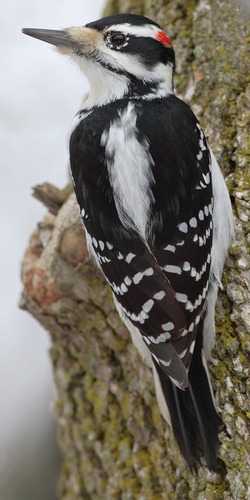 Christmas Bird Count: The annual Christmas Bird Count kicks off this Sunday. Find a count near you and participate in the longest-running citizen science survey in the world. Started by the Audobon Society on Christmas Day in 1900, this early winter bird census involves thousands of volunteers across the Western Hemisphere counting birds in designated areas over a 24 hour period. The counts are held on specific days between December 14th and January 5th. Anyone can participate (it’s free!) but you have to make arrangements in advance with the person designated as circle compiler. You can get the contact details for the circle compiler in your area here from Bird Studies Canada.
Winter Celebration at Marion Creek: If you’re in the East Kootenays on Sunday, December 14th, join the Nature Conservancy of Canada from 11am- 2pm for a winter celebration at the Marion Creek Benchlands on the west side of Columbia Lake. HCTF contributed to the purchase of this conservation property in 2010, which provides critical winter range for ungulates as well as being home to badgers and an endangered cattail community. The focus of Sunday’s celebration will be on having winter fun, with a bonfire, snowshoeing, cross-country skiing, ice-skating and a free barbecue. A limited number of trees will be made available for people to cut and take home for Christmas: the trees are the remnants of a Christmas Tree farm on the property during the 1970s (please bring your own cutting & transportation tools). The event is free, but guests are asked to RSVP and obtain an event map by emailing canadianrockies@natureconservancy.ca or calling 250-342-5521.
Learn to Ice Fish: The Freshwater Fisheries Society of BC will be offering “Learn to Ice Fish” sessions in the Okanagan, Thompson-Nicola, and East Kootenay regions to families interested in trying ice fishing this winter. The interactive program covers everything you and your family will need to know to go ice fishing on your own. The lessons include safety on ice, fish identification, tackle, ice fishing techniques, proper fish handling, and of course, actual ice fishing time. HCTF provides funding approximately $80,000 annually to FFSBC’s Learn-to-Fish program as a way of encouraging families to connect with nature and learn about BC’s freshwater fish and habitats. Check out FFSBC’s website for information on learn-to-fish dates and times.
Please note : As HCTF is not directly involved in organizing any of the above events, please be sure to contact the organization to confirm dates, times and event details.
Have a conservation-themed event you’d like to share? Contact Us.