Tue, 28 Jun 2022

HCTF Visits the Tweedsmuir Caribou Ranges

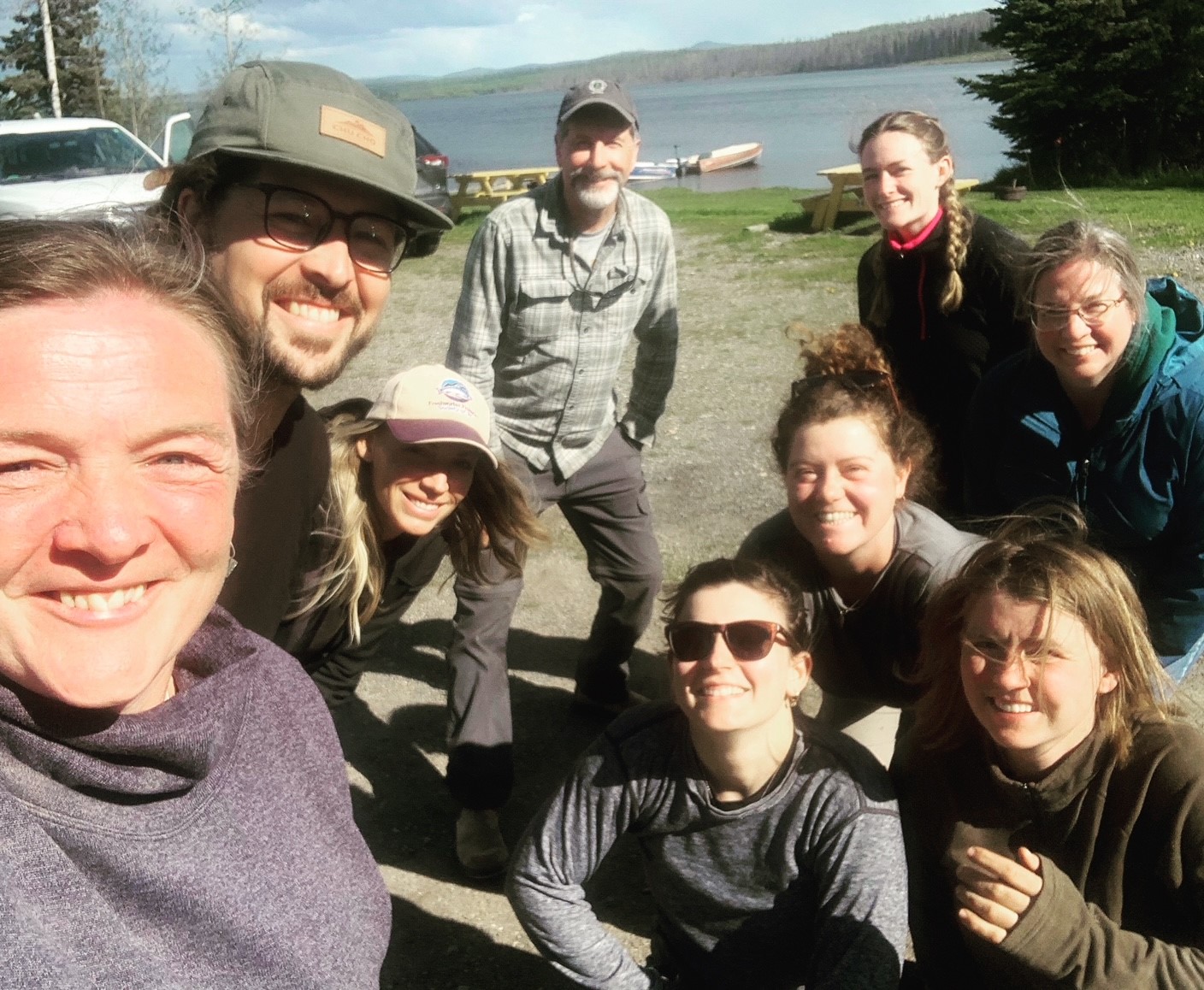
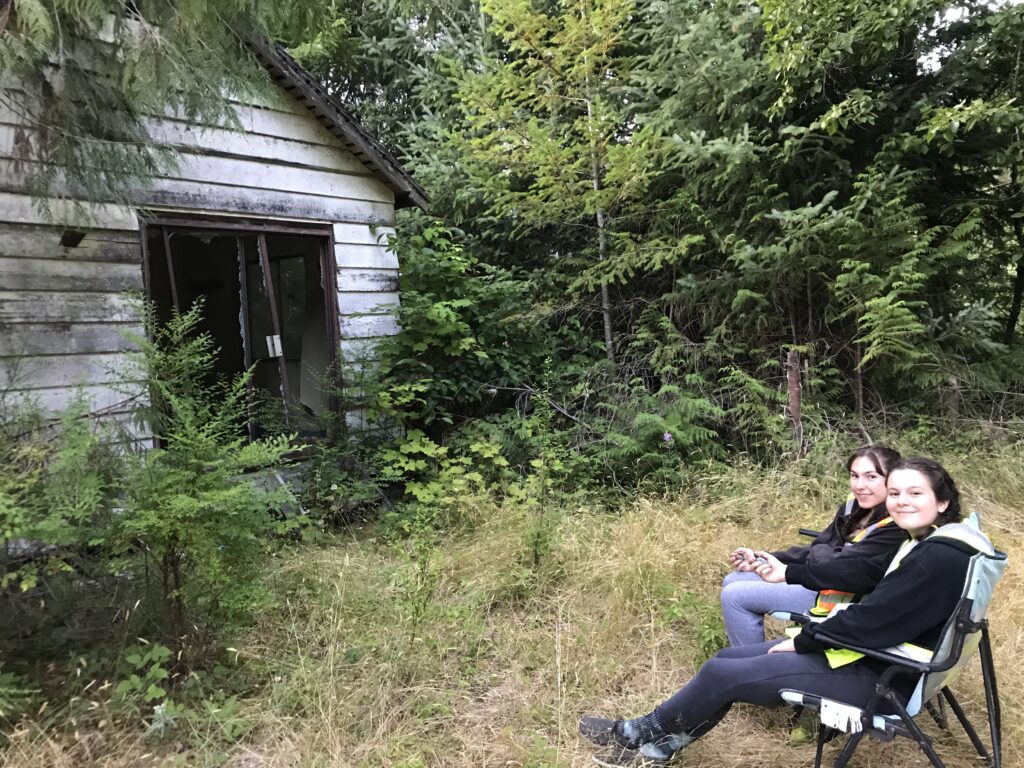
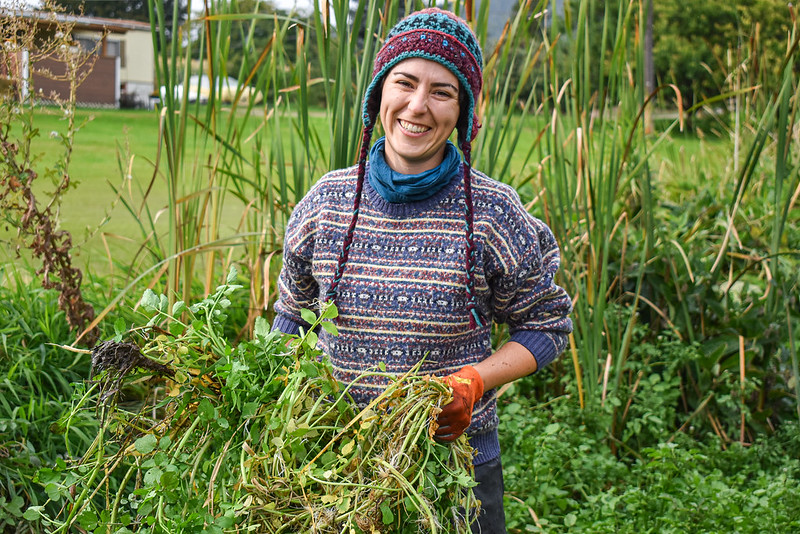
Pic 3_Selfie from Chelaslie Rd
Members of the Project Team and HCTF Staff member.

In June 2022, HCTF’s Wildlife Program Coordinator Sophia Cuthbert travelled to the habitat of the Tweedsmuir caribou herd ranges in northern BC, approximately 60 km south of Burns Lake, 230 km west of Prince George. The Tweedsmuir caribou herds are within the traditional territory of the Cheslatta Carrier Nation, where their peoples lived for centuries along the shores of Cheslatta and Murray Lakes. Sophia met up with a project team comprised of Cheslatta Carrier Nation members and biologists from the Province of BC to see first-hand the cumulative impacts of logging, disease, and fire on the forest ecosystem, as well as several efforts undertaken to restore some of these areas.

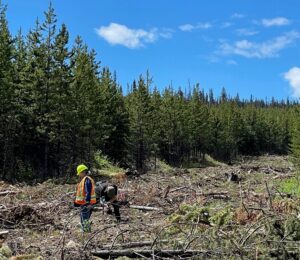
Fire Guard Undergoing Functional Restoration Treatment

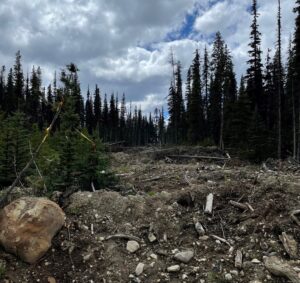
Through the Caribou Habitat Restoration Fund (CHRF), HCTF funds the restoration of linear disturbances, such as logging roads, access roads and fire guards, to minimize access routes that can be used by humans, and predators of caribou like wolves, into caribou habitat. This is achieved by functional restoration of the linear corridors; in this case, trees are felled, and coarse woody debris is distributed over the area, and large berms and ditches are constructed to limit vehicle and snowmobile access, as well as limit the line-of-sight for predators. During functional restoration projects, the road surfaces are also ripped, or loosened, and mounding and contouring is done to assist in vegetation reestablishment. Next, the linear disturbances are replanted with local plant species to help initiate natural vegetation growth which will eventually slow predator access and blend the feature into the surrounding landscape.

Example of Berms and Mounding for Functional Restoration of Linear Disturbance

The June site visit follows a 1-day workshop hosted by HCTF for the caribou habitat restoration community supported by the Caribou Habitat Restoration Fund (CHRF), in which restoration biologists and practitioners came together to share learnings and techniques on the relatively new practice of linear disturbance restoration. It became clear from the workshop that strategies that work well for one area of BC may not work in another location. The variation of habitat type presents its own unique challenges, and techniques and best practices are constantly evolving. Speaking on site with project manager and biologist Anne-Marie Roberts, Ministry of Land, Water, and Resource Stewardship, she explained that project managers need to be able to pivot and adapt to a changing landscape. They face challenges accessing certain areas, dealing with the elements, and logistics of site selection and long-term monitoring. Anne-Marie recognized the importance of working alongside Cheslatta Carrier Nation as a pivotal in advancing this work. Working together has also been extremely important for the ongoing success of the project, and for Cheslatta Carrier Nation in managing their lands and improving habitat for the species that live there.

The CHRF program continues to fund caribou habitat restoration projects across the province, with the next intake of proposals opening in September, 2022. The deadline for 2023-24 funding proposals is November 4th, 2022. Please refer to our CHRF webpage for more details.

Funding for this work is made possible by contributions from the Province of BC and Environment and Climate Change Canada.

Tue, 10 May 2022

BC Annual Bat Count Seeks Bat Roosts and Volunteers

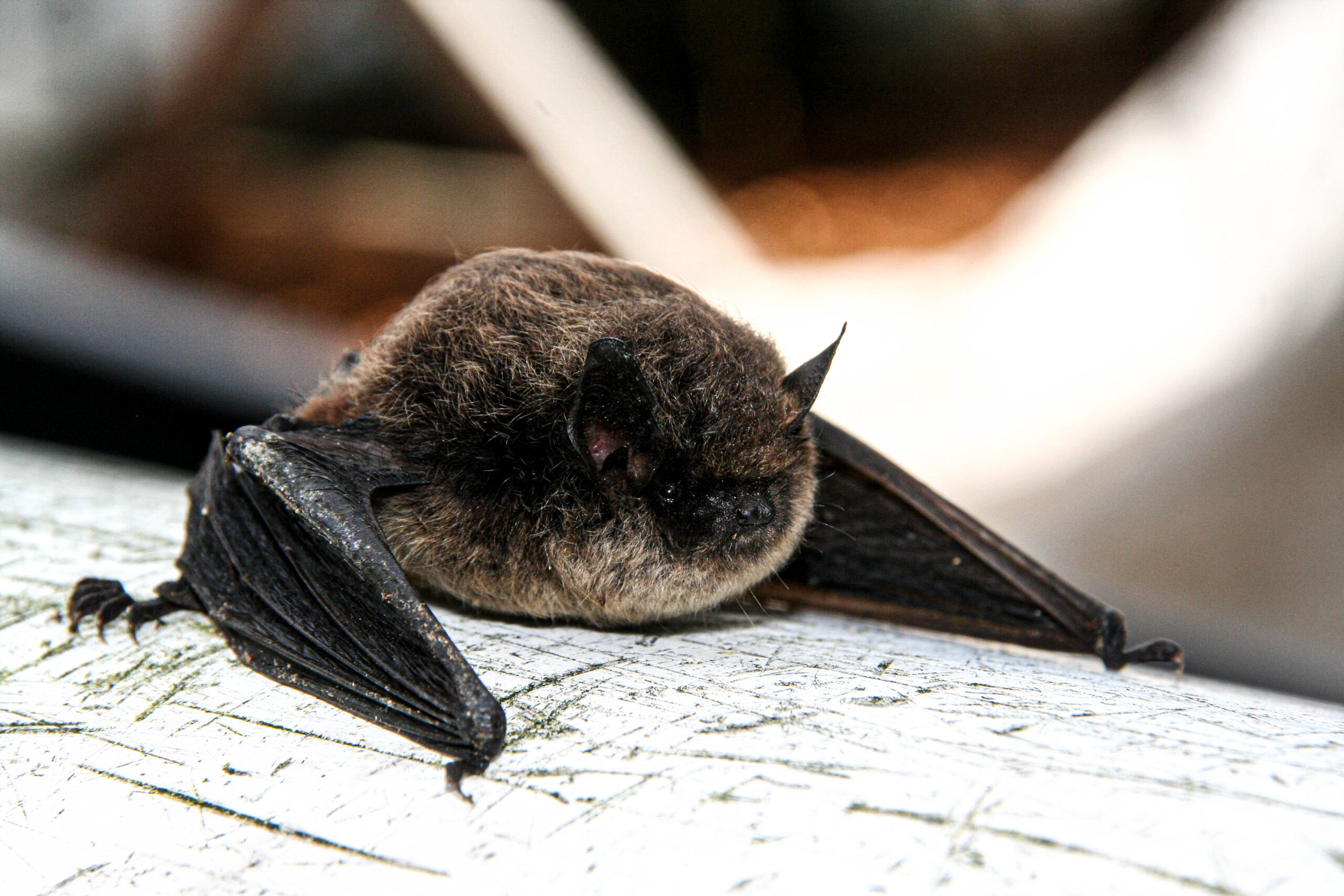
Four species of bats that are commonly found in buildings in BC (photo by Sunshine Coast Wildlife Project)

Bat Count helps monitor endangered wildlife

Spring is here, with rain, flowers, insects, and – bats! Our BC bats are now returning to summer roost sites. One of our more familiar species in buildings and bat boxes is the Little Brown Myotis. Like all BC bats, the Little Brown Myotis is an essential part of our ecology, consuming many insect pests each night. Unfortunately, the Little Brown Myotis is now endangered in Canada. In fact, bats in BC suffer from many threats, and almost half of our 15 species are ‘at-risk’.

A simple way to support bats is to participate in the BC Annual Bat Count this June. The BC Community Bat Program is requesting colony reports and volunteer assistance for this citizen-science initiative that encourages residents to count bats at local roost sites.

Volunteers counting bats ( photo by Sunshine Coast Wildlife Project)

The BC Annual Bat Count is easy, fun, and safe, not to mention vital for monitoring bat populations. “The counts are a wonderful way for people to get outside, learn about bats, and be involved in collecting important scientific information,” says biologist Mandy Kellner, coordinator of the BC Community Bat Program. Volunteers wait outside a known roost site, such as a bat-box, barn, or attic, and count bats as they fly out at twilight. A guano sample can also be sent in to identify the species of bat at the roost site. Find more information at https://bcbats.ca/get-involved/counting-bats/.

The count data helps biologists understand bat distribution and monitor for impacts of the devastating bat disease called white-nose syndrome. White-nose syndrome is an introduced fungal disease, fatal for bats but not for other animals or humans. Not yet identified in BC, the disease continues to spread in Washington State, less than 100 km from our border. Results from the Bat Count may help prioritize areas in BC for research into treatment options and recovery actions.

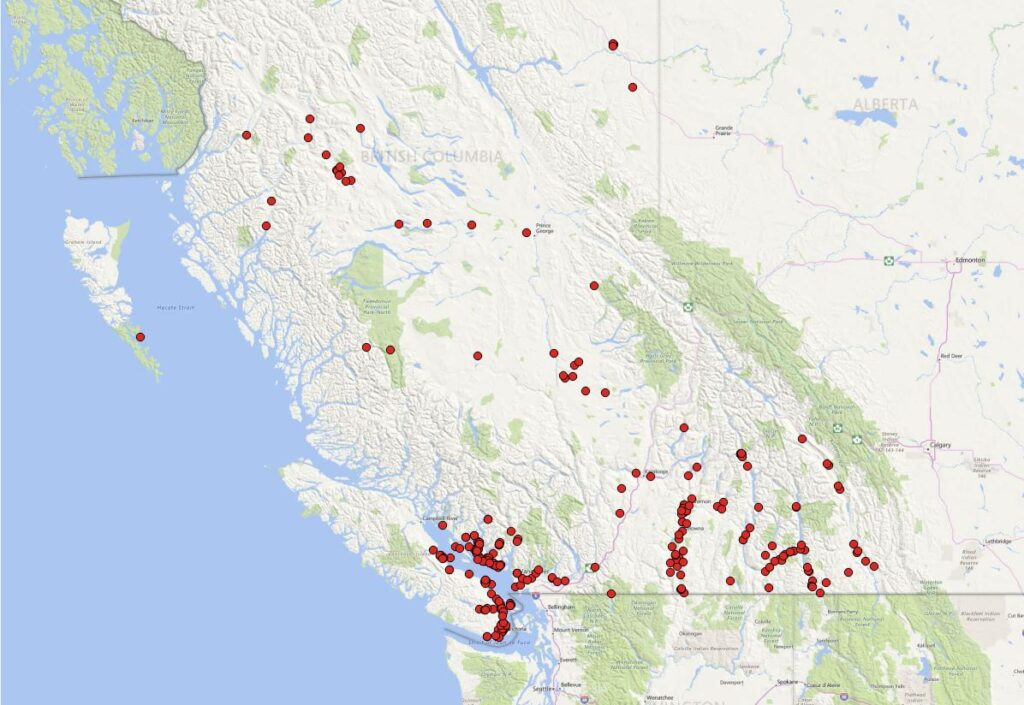
Map of bat count sites across BC. (photo by BC Community Bat Project)

Funded by the Habitat Conservation Trust Foundation, the Forest Enhancement Society of BC, the Habitat Stewardship Program, and many local funders, and with the support of the BC Conservation Foundation and the Province of BC, the BC Community Bat Program provides information for people dealing with bat issues on their property or who have questions about how to attract bats. To find out more about bat counts or white-nose syndrome, to report a dead bat, or to get advice on managing bats in buildings, visit www.bcbats.ca or call 1-855-9BC-BATS.

Wed, 16 Mar 2022

2022-23 Preliminary List of Approved Projects

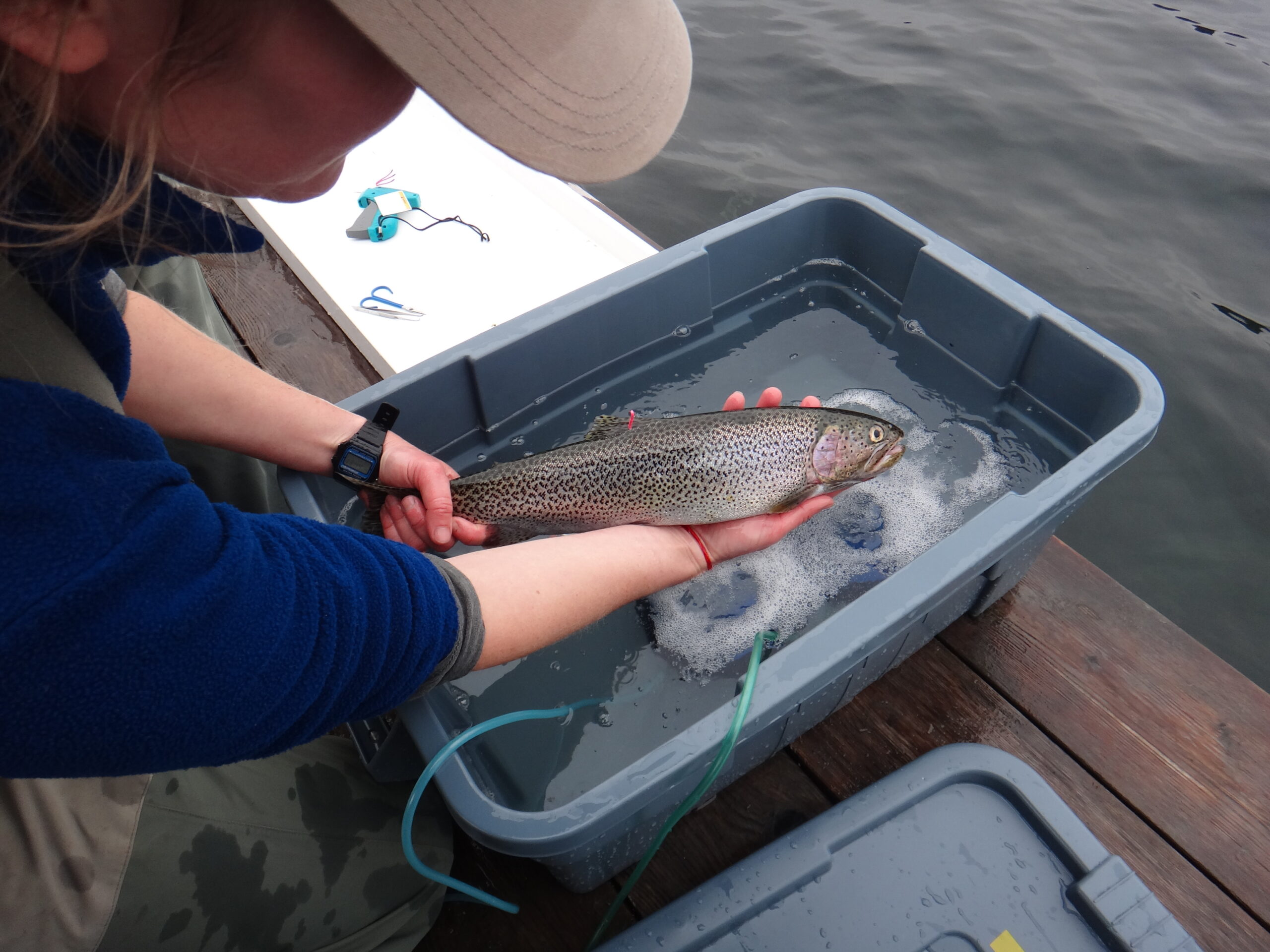
Project #1-728: Cutthroat Trout Study on Cowichan Lake

A preliminary list of HCTF approved projects for 2022-23 is now available.

2022-23 Preliminary Approved Project List

Projects included on this preliminary list have been approved in principle but may have reduced budgets or funding conditions. Over the next few weeks, all applicants will receive official notification emails including HCTF Board and technical committee comments. For approved projects, these emails will include the grant amount and funding conditions (if applicable). Please note that HCTF staff cannot provide further information to you before the Notifications are issued.

Proponents of approved projects will receive a Conditional Grant Agreement. Please be aware that until both you and HCTF have reviewed, accepted and signed the Conditional Grant Agreement, there is no confirmation of funding and no legal commitment in place.

Congratulations to all successful proponents! To those applicants who were not funded this time, thank you for your interest. The next opportunity to apply for an HCTF Enhancement and Restoration, Stewardship or Caribou Habitat Restoration Grant will be Fall of 2022 (Deadline: Friday, November 4, 2022).

How are Grant Applications Reviewed?

Each proposal goes through a multi-level, objective technical review process prior to final Board decisions. Proposals are assessed by a primary reviewer and evaluated by a technical committee prior to being sent to the HCTF Board for final funding decisions. For more information on what these reviewers look for when evaluating a proposal, see our Grant Review page.


Wed, 9 Jun 2021

Farewells and Goodbyes – 2021 Board of Directors Update

Spring 2021 at HCTF has brought an election of our at-large Directors, and some changes to our Board. We want to thank our outgoing Directors who have graciously and generously given their time and expertise to lead our organization over many years. The following is a small excerpt about our outgoing Directors:

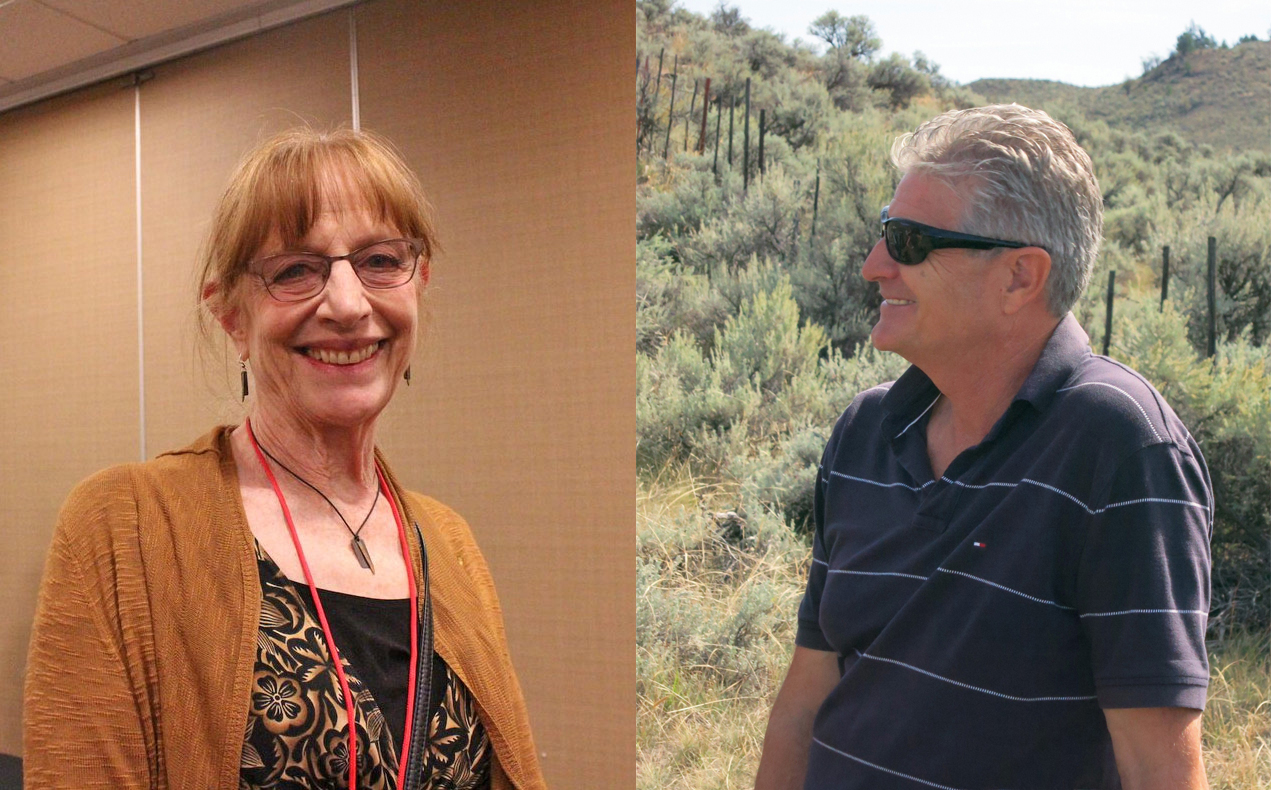
Our longest-serving Board member Winifred Kessler joined in 1997 when the organization was known as the Habitat Conservation Trust Fund. Over her 24 years of dedicated service, Wini regularly took up a leadership role on the Board (Chair or Vice-Chair). She was a champion of the organization and a strong promoter of the education program. An internationally recognized wildlife biologist, Wini always brought a strong sense of energy and enthusiasm for conservation to her work.

As a Director for 9 years, Ian McGregor led the organization’s strategic planning and chaired our communications committee. Having joined HCTF after first serving on the Freshwater Fisheries Society of BC’s Board, Ian understood the importance of cooperation and partnership between like minded conservation organizations in BC. Along with his significant technical fisheries expertise, Ian reveled in celebrating and raising awareness of HCTF – and recognising that the hundreds of habitat conservation projects that HCTF funds are implemented only with many partners working together.

We also welcome our new Director Kathy Parker. Kathy is a wildlife ecologist and physiologist with extensive experience throughout BC and Alaska. At the University of Northern British Columbia, she was a researcher and teacher for 25 years and was a founding member of what is now the Ecosystem Science and Management program. Kathy has also been named a Fellow of The Wildlife Society (an award given to individuals who have distinguished themselves through exceptional service to the profession).

Following our Director elections, we selected our Board leadership (Chair, Vice-Chairs). Greg Anderson will lead our Board as Chair, along with Harvey Andrusak and Ken Ashley as our Vice-Chairs. All three are multi-term Directors at HCTF, and as with all our Directors bring a significant amount expertise of BC’s fish, wildlife and habitat conservation.

For a complete biography of Kathy, Greg, Harvey, Ken and our other Directors, you can find their bios here.

Wed, 14 Apr 2021

Now Accepting PCAF Grant Applications for 2021-22

Removing invasive plant species in Kamloops (photo by Neil Fletcher)

HCTF is now accepting applications for the Public Conservation Assistance Fund (PCAF)! Applications can be submitted through HCTF’s NEW online system before 4:30pm (PST) on Friday, May 14, 2021.

HCTF has launched a new Survey Apply application system this year. The overall application form is similar to previous years, but this new cloud-based system will provide significant improvements by streamlining workflow and adding automated services to increase convenience for applicants.

Before beginning your application on the Survey Apply system, we strongly recommend that you complete your application on the Word worksheets posted on our website. Once completed you can copy-and-paste your answers into the online form. The worksheets also provide a useful overview of the questions and information requirements.

Please visit our PCAF FAQ to find useful tips and guidance for the new Survey Apply system. To access application resources and the link to apply, visit our PCAF Apply webpage.

Questions? Please contact Lisa Wielinga for further details.

Mon, 15 Mar 2021

2021-22 Preliminary List of Approved Projects

Project 3-419 - Fraser River Bighorns: Fraser West Disease Assessment and Herd Recovery

A preliminary list of HCTF approved projects for 2021-22 is now available.

2021-22 Preliminary Approved Project List


Projects included on this preliminary list have been approved in principle but may have reduced budgets or funding conditions. Over the next few weeks, all applicants will receive official notification emails including HCTF Board and technical committee comments. For approved projects, these emails will include the grant amount and funding conditions (if applicable). Please note that HCTF staff cannot provide further information to you before the Notifications are issued.

Proponents of approved projects will receive a Conditional Grant Agreement by mail. Please be aware that until both you and HCTF have reviewed, accepted, and signed the Conditional Grant Agreement, there is no confirmation of funding and no legal commitment in place.
Congratulations to all successful proponents! To those applicants who were not funded this time, thank you for your interest. The next opportunity to apply for an HCTF Enhancement and Restoration, Stewardship or Caribou Habitat Restoration Grant will be Fall of 2021 (Deadline: Friday, November 5, 2021).

How are Grant Applications Reviewed?

Each proposal goes through a multi-level, objective technical review process prior to final Board decisions. Proposals are assessed by a primary reviewer and evaluated by a technical committee prior to being sent to the HCTF Board for final funding decisions. For more information on what these reviewers look for when evaluating a proposal, see our Grant Review page.