Tue, 20 Aug 2019

Grants Support Bat Conservation, Education, and Fight Against White-nose Syndrome

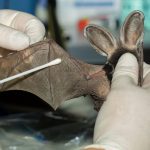
This spotted bat’s wing is being swabbed to look for bacteria that naturally prevent growth of Pd, the fungus that causes WNS. Photo: Jared Hobbs

Organizations working to protect BC’s threatened bat species just got a boost — over $185,000 in grants to monitor bat populations, encourage public participation in bat conservation and support research into a promising new probiotic that could prevent white-nose syndrome.

The grants are part of a multi-million dollar investment by the Habitat Conservation Trust Foundation (HCTF) and Forest Enhancement Society of BC (FESBC) into wildlife conservation projects happening this year.

The “Got Bats?” project is a BC-wide network increasing bat conservation through community involvement. Implemented by the BC Conservation Foundation, “Got Bats?” encourages public participation in annual bat counts that promote bat stewardship while collecting valuable information on bat population numbers. Other activities include promoting bat-friendly communities, working with landowners to preserve colonies, building bat houses, and providing information on bats through presentations at schools and community events.

Mandy Kellner, coordinator of the “Got Bats?” program, says support from HCTF and other funders has allowed the program to respond to record numbers of enquiries about bats via email (info@bcbats.ca) and their toll-free information line (1-855-922-2287). “We want to make sure British Columbians have a resource where they can get accurate information about bats,” says Kellner. “Bats are an essential part of the ecosystem, eating insects and controlling agricultural and forest pests, but misinformation and fear can really have a negative impact on efforts to protect existing colonies.” Kellner says the program’s community outreach and citizen science initiatives are also important in the fight against another serious threat to bats, white-nose syndrome.

White-nose syndrome has killed millions of bats in the eastern U.S and Canada since 2006 and was found in Washington State in 2016. Cori Lausen, a bat specialist with the Wildlife Conservation Society of Canada, is leading two HCTF-funded projects so B.C. is ready if the disease is found here. “Bat species in the west are hard to monitor because they hibernate in small numbers in trees and rock crevices, and occasionally in buildings,” she says. “Through these projects, we have great baseline data so we will know when white-nose syndrome arrives, and have developed a probiotic and applicator so we can help the bats survive if it does. It’s a race against the clock, involving cutting-edge work where we continue to learn something new every day.”


Cori Lausen glues a transmitter onto a bat in fall which will help locate roosts as well as provide valuable information about hibernation behaviours and physiology, needed to understand how white-nose syndrome may impact bats in BC.Read more about the bat probiotic project: Seeking ways to protect western bats from deadly white-nose syndrome

See CBC’s recent story on the bat probiotics project: Fighting a bat killer: B.C. scientists testing new way to protect against deadly fungus


This spotted bat’s wing is being swabbed to look for bacteria that naturally prevent growth of Pd, the fungus that causes WNS. Photo: Jared Hobbs


Download larger version of image

Caption: This spotted bat’s wing is being swabbed to look for bacteria that naturally prevent growth of Pd, the fungus that causes WNS. Photo: Jared Hobbs


Project Contacts

Got Bats? Program:

Mandy Kellner, Provincial Coordinator

BC Community Bat Program

bcbats@gmail.com


White Nose Syndrome Study

Cori Lausen, Associate Research Scientist

Wildlife Conservation Society Canada

clausen@wcs.org


HCTF Contact

Shannon West

Manager, Program Development, HCTF

shannon.west@hctf.ca

250-940-9789


Quick Facts:


  • The Habitat Conservation Trust Foundation (HCTF) began as an initiative of BC anglers, hunters, trappers and guide outfitters.
  • Since 1981, HCTF has provided over $180 million in grants for more than 2600 conservation projects across BC. This year, a total of $9 million has been awarded for conservation projects in all regions of the province.
  • The Forest Enhancement Society of BC (FESBC) provides funding for wildlife conservation projects through the Habitat Conservation Trust Foundation’s granting process. Find out more about FESBC at https://www.fesbc.ca/
  • You can find a complete list of HCTF-funded projects on the Foundation’s website at https://hctf.ca/achievements/project-list/
Wed, 31 Jul 2019

HCTF 2019 Photo Contest

Update: The Habitat Conservation Trust Foundation photo contest is now closed! Thank you to everyone that submitted photos. The winners will be announced by November 1st.

The Habitat Conservation Trust Foundation photo contest is back! If you’ve captured a fantastic image of British Columbia’s wildlife, fish, landscapes or people participating in activities that connect them to nature, you could enter to win a VISA gift card.

Categories and Prizes:

  • BC Wildlife or Freshwater Fish (excluding marine animals and those in captivity) Prize: $400.00 CAD VISA gift card
  • BC Landscape (lakes, rivers, wetlands, mountains, forests, etc.) Prize: $300.00 CAD Visa gift card
  • People in Nature (people engaging in activities that connect them with BC’s fish, wildlife and habitats) Prize: $300.00 CAD Visa gift card

The winning entries will be selected by a panel established by the Habitat Conservation Trust Foundation (HCTF). Each photo shall be judged on originality, technical excellence, composition, overall impact and artistic merit. The top entries in each category will be featured on our website and social media platforms. Please note that entries may be used by HCTF to communicate about the contest, the Foundation and conservation in BC, both during and after the contest period.

An individual may enter up to five photos in each category. Photos must have been taken in the province of British Columbia to be eligible.

Deadline:

Entries must be received by 4:30pm PST on September 30th, 2019.

Official Contest Rules and Regulations:

Official contest rules and regulations


Photo Credit: Linnea Halverson

Mon, 29 Jul 2019

Nature Clubs Program Connects BC Families with the Outdoors

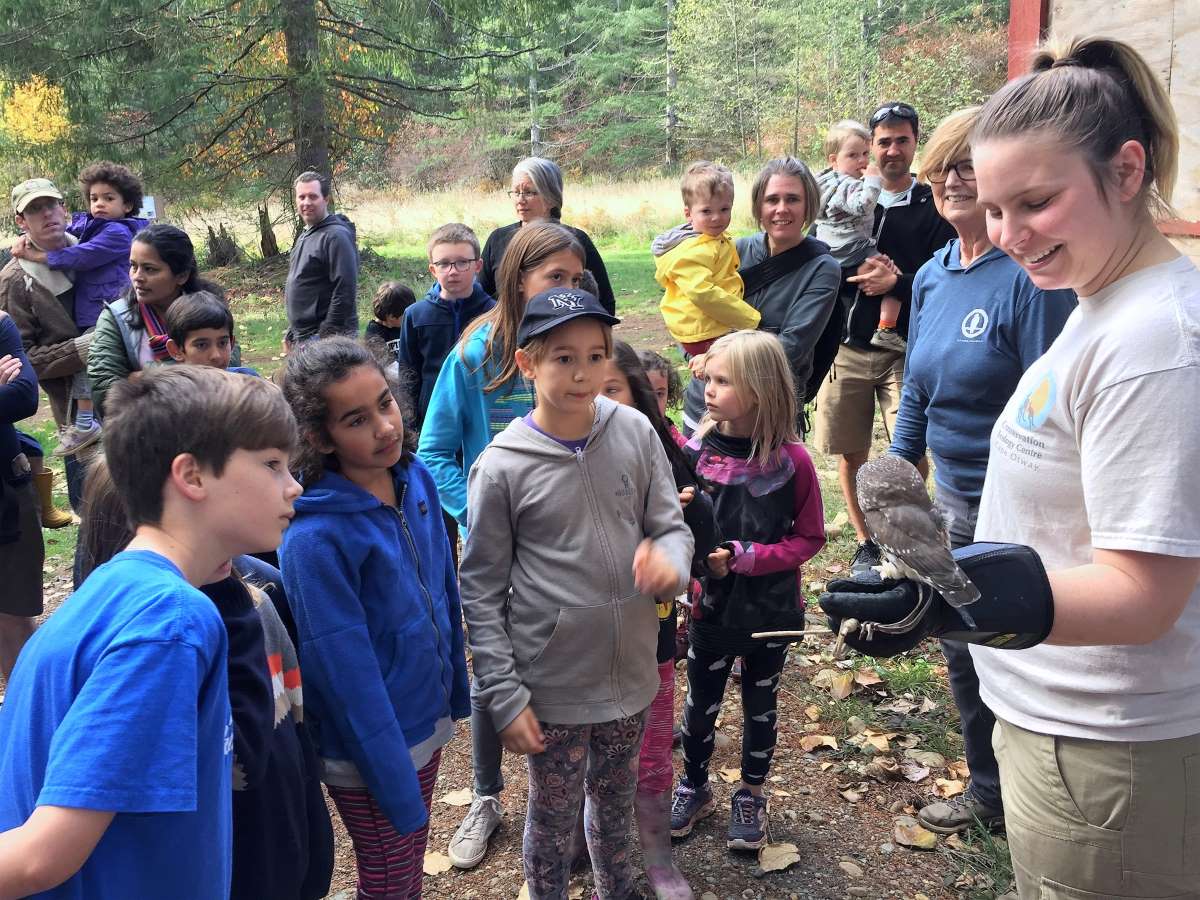
Learning about BC wildlife with nature mentor Jo Style. Photo credit H. Datoo.

More BC families will get outdoors to explore, learn and take action for nature, thanks to a $37,977 grant to NatureKids BC’s Nature Clubs program. The program’s network of more than 25 volunteer-led nature clubs encourages kids and their families to learn about BC’s wildlife, plants and wild spaces by connecting with the outdoors.

Sarah Lockman, Executive Director of NatureKids BC, says that strengthening the connection between people and the outdoors is more important than ever, as increasing numbers of British Columbians live in urban environments. Over the next year, more than 1,500 BC youth and their families will participate in over 2,500 outdoor adventures and projects through the Nature Clubs program. Activities include maintaining nest boxes, creating interpretive signage, bird counts and other citizen science projects.

The grant to support the Nature Clubs program was one of 170 provided by the Habitat Conservation Trust Foundation (HCTF) this year for BC conservation projects.

“HCTF has been a core funder of NatureKids BC for more than 10 years and we are privileged to have them as a partner,” said Lockman. “Relationships like these are critical to creating the next generation of nature lovers and environmental stewards and to ensuring that families are supported to get in touch with nature in their own backyards.”

HCTF Chair Dr. Winifred Kessler agrees. “Getting youth involved in conservation helps them build a lifelong connection to nature and feel that they can make a difference,” said Dr. Kessler. “We fund Nature Clubs and other environmental education projects because we know how important it is to create stewards – people who understand, value and help conserve biodiversity in BC.”

NatureKids BC also publishes NatureWILD, a quarterly magazine for families and elementary school students. This year they have also launched a Citizen Science project focused on bat education and advocacy. For more information, or to find a Nature Club near you, visit https://www.naturekidsbc.ca/


Photo:

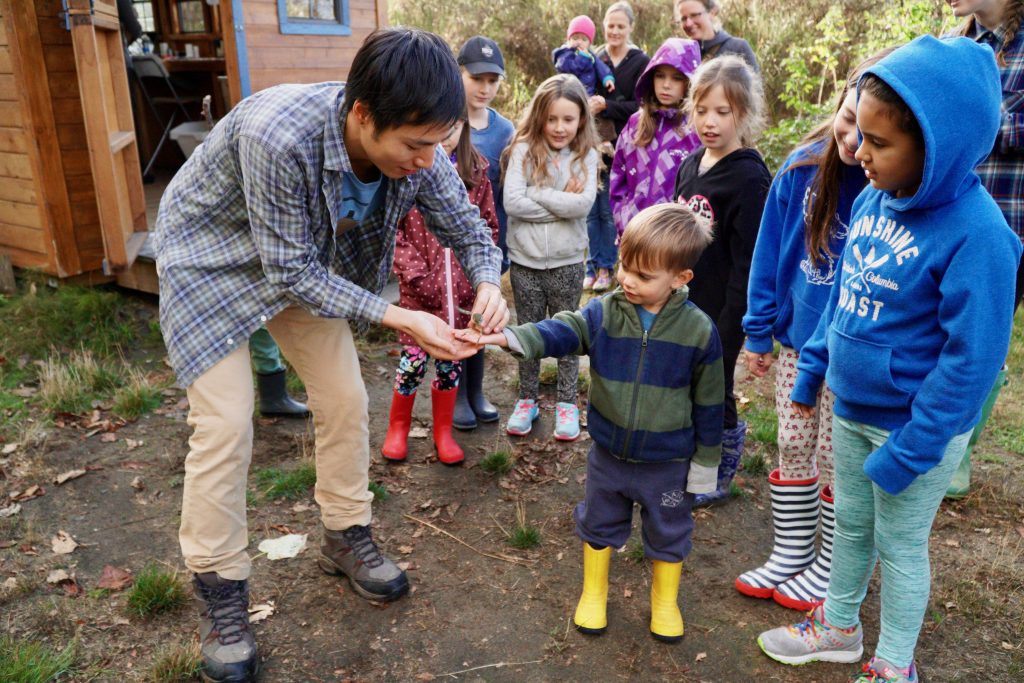
Bird banding. Photo credit: C. McQuillan


HCTF Contact:
Shannon West
Manager, Program Development
Shannon.west@hctf.ca
250 940-9789


NatureKids BC Contact:
Sarah Lockman
Executive Director, NatureKids BC
sarahlockman@naturekids.bc.ca
604 985-3059


Quick Facts:

  • The Habitat Conservation Trust Foundation (HCTF) began as an initiative of BC anglers, hunters, trappers and guide outfitters.
  • Since 1981, HCTF has provided over $180 million in grants for more than 2600 conservation projects across BC. This year, a total of $9 million has been awarded for projects in all regions of the province. You can find a complete list of HCTF-funded projects at https://hctf.ca/achievements/project-list/
  • Since 2000, more than 20,000 BC children aged 5-12 have participated in NatureKids BC Explorer Days and enjoyed NatureWILD magazine and other programs
Mon, 22 Jul 2019

Career Opportunity – HCTF Communications Officer

HCTF is now recruiting for the position of Communications Officer. We are looking for an experienced communications professional who is responsible, self-directed and has a positive approach towards their work and colleagues. This is a fantastic opportunity to use your communications skills to help conserve British Columbia’s fish, wildlife and habitats. For more information on this full-time position located in Victoria, BC, visit our Careers webpage.

Sun, 14 Jul 2019
Tags: PCAF / Stewardship

Haliburton Wetland Turns Ten!

Haliburton wetland

A decade ago, a group of volunteers began an ambitious project: transform a field overgrown with invasive reed canary grass into a wetland able to support wildlife. Today, Haliburton Wetland in Saanich, BC, stands as a fantastic example of how people and nature can co-exist.

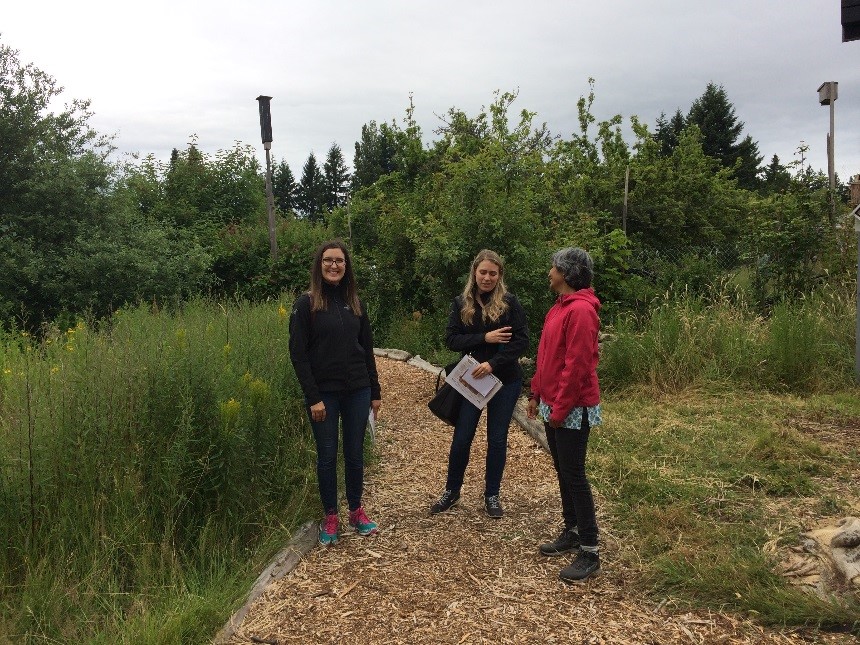
Last week, Dr. Purnima Govindarajulu gave HCTF staff members Karen Barry, Jade Neilson and Courtney Sieben a tour of the wetland located at Haliburton Community Organic Farm. Although it took some time for the constructed wetland to look natural, it is now fully functioning and has become home to a variety of wildlife species such as tree frogs, long-toed salamanders, and birds.

Over the years, HCTF has provided a total of $24,600 from the Enhancement and Restoration granting stream and from the Public Conservation Assistance Fund (PCAF) for this project. It’s great to see that this project is continuing to make a difference for wildlife species ten years on! You can read more about the Haliburton Wetland in the following HCTF project profile.


Background

The property is a former reservoir site for Saanich under the ALR. In 2001, the property was slated for a housing development but Saanich stepped in to purchase the land and lease it to the Haliburton Community Organic Farm Society. It is now run as a community farm and several producers grow food for consumption, plus there is a native plant nursery on site. The wetland was created in an adjacent area that was formally dominated by grasses.

HCTF provided $10,000 for wetland restoration and creation of a demonstration project, and later $5000 seed funding. More recently, the project received $9,600 from PCAF for tools, native plants, construction of watershed models and stream restoration expertise.

To see a video of the wetland construction (17 min), see https://haliburtonfarm.org/biodiversity/

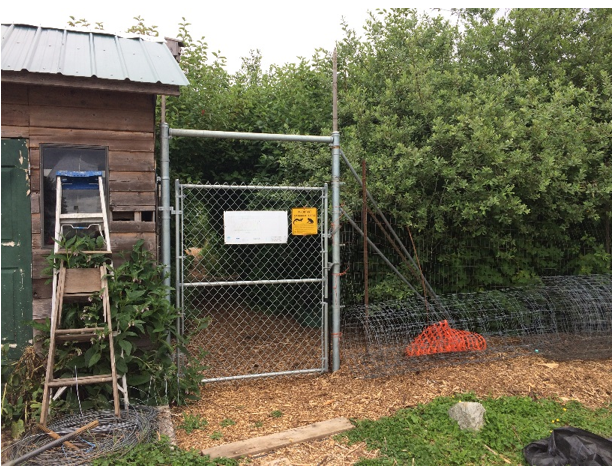
Entrance to the wetland site

Entrance to the wetland site

Enhancement and Restoration Activities

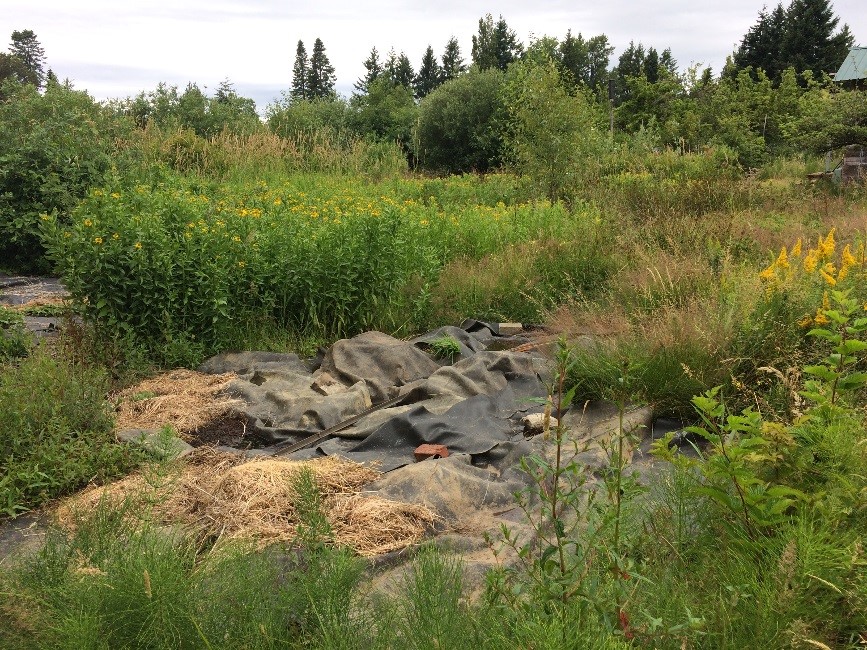
The wetland site was overgrown with reed canary grass so early efforts focused on installing mats and removing the grass and other non-native species. Experts were called in to assist with designing the wetland. It took a few years for the constructed wetland to look natural.

Pond liner laid down to smother reed canary grass


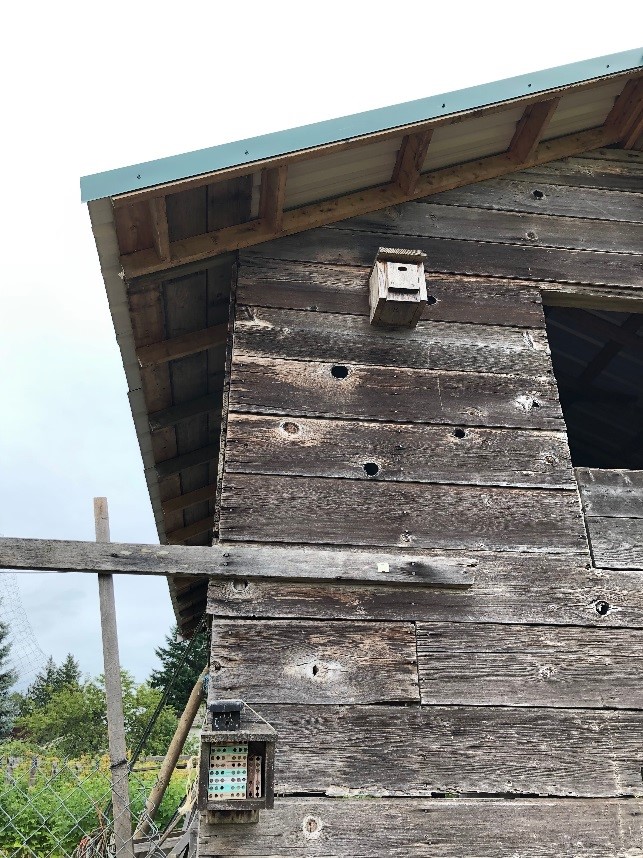
Now that the wetland is functioning, tree frogs and long-toed salamanders have moved in, as well as wetland birds (herons, red-winged black birds). Other enhancement activities include installing bird nest boxes and maternal bat houses. Chickadees, Violet-green swallows, and Bewicks wrens have nested in the boxes, but the bat boxes have not been used yet.

Monitoring activities are conducted regularly and include checking bird boxes, minnow trapping the wetland, and checking wood structures and pit fall traps for amphibians.

Bird box and mason bee box


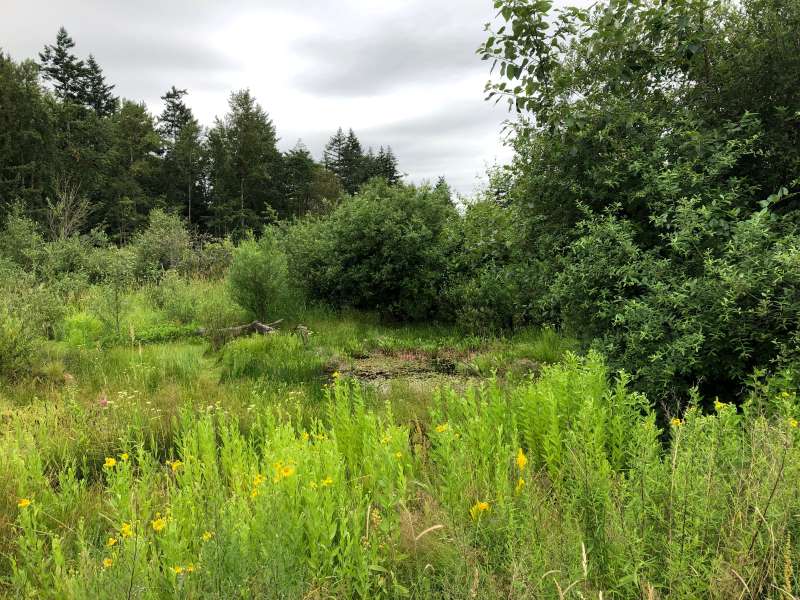
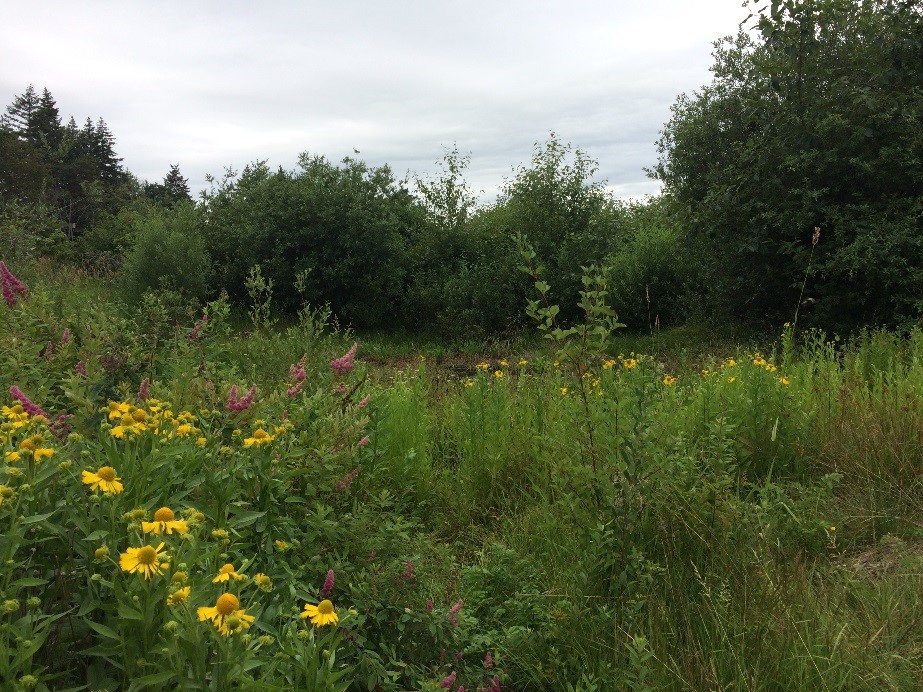
Wetland and replanted area

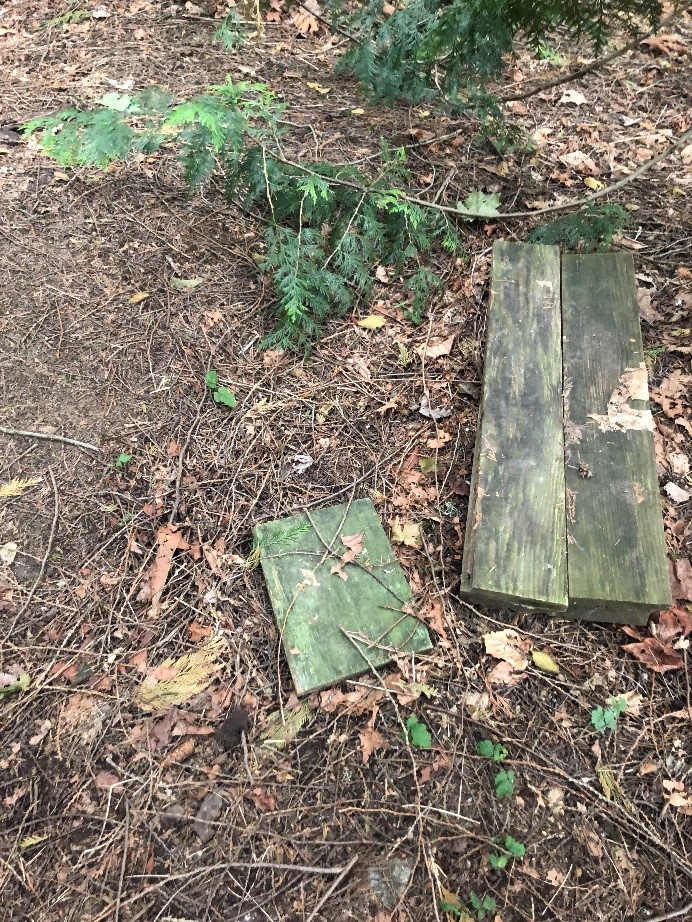
Wooden cover boards used as an active trap for salamanders

Challenges

The restored area will require ongoing maintenance. In other words, it’s not possible to leave it and “let nature take its course”. In particular, removal of invasive plants is a significant challenge (morning glory, thistles, reed canary grass, etc.). The group has limited capacity for conducting detailed monitoring, so there is a desire to have more student groups, graduate students, and volunteers involved.

Another concern is the high number of non-native European wall lizards. With the increase in these lizards, there seems to be a decline in crickets at the site and it’s possible these lizards are eating many native insects.

Future plans

  • To create more riparian area in order to provide suitable habitat for red-legged frogs.
  • To create another series of small vernal ponds.
  • To increase the involvement of students and initiate an ongoing education program linked to school curriculum.

Purnima with Jade and Courtney

Sun, 23 Jun 2019

24 Community Conservation Projects Receive PCAF Funding

HCTF’s Public Conservation Assistance Fund (PCAF) will be providing grants to 23 different organizations working to complete volunteer-based conservation projects in BC. The Foundation approved over $140,000 in PCAF grants this year for projects ranging from removal of invasive plants to citizen science projects collecting information on the health of bighorn sheep herds. A full list of this year’s grant recipients is below. We look forward to providing updates on these projects as they progress.

You can find out more about HCTF’s PCAF program here.


Arden Creek Riparian Restoration Project

Grant recipient: Lake Trail Middle School

The goal of this project is to restore sections of Arden Creek to its natural state. The project has two major objectives: 1) Action- repopulate the stream banks with native plant species and redirect foot traffic away from the stream banks 2) Education- teach the youth and public about the importance of riparian habitat and share traditional ecological knowledge.


Bats of Burrvilla At Risk

Grant recipient: South Coast Bat Conservation Society

Citizen scientists will initiate a long-term passive monitoring program a significant bat maternity roost with the goal of elevating the profile of bat conservation in southwest BC and detecting population trends associated with a devastating wildlife disease.


Community-based Monitoring to Guide Wildlife Conservation on the Sunshine Coast

Grant recipient: Sunshine Coast Wildlife Project

With assistance from the community, this project aims to monitor local wildlife in order to identify priority sites, guide stewardship activities, and evaluate the success of mitigation measures. This project aims to accomplish dual goals of increasing data about local species and habitats to guide conservation, and increasing community participation in wildlife stewardship activities. Volunteers will participate in surveys for a variety of species including turtles, bats, swallows, amphibians, snakes, ducks and owls.


Connected Waters: Fieldwork and Mapping Project

Grant recipient: Watershed Watch Salmon Society

The purpose of this project is to develop a list of priorities for upgrades based on the potential quality and quantity of fish habitat upstream from flood control structures and based on the current function and need for the flood control structures with consideration of required/planned upgrades. All data will be stored on our publicly accessible Connected Waters Atlas hosted by our partners at the Community Mapping Network.


Fishing Forever

Grant recipient: BC Wildlife Federation

This year there are 21 events happening in 12 communities around the Province, including: Abbotsford, Surrey, Nanaimo, Courtenay, Nelson, Vanderhoof, Lumby, Vernon, Peachland, Williams Lake, Kamloops, Parksville, Bulkley, and Osoyoos. Each event takes place on a unique day in the respective community, from May through August.


Golden Rocky Mountain Bighorn Sheep Project-Phase 1

Grant recipient: Wildsight Golden

This project involves public engagement, habitat health, use and restoration assessment plus a sheep health analyses in an attempt to determine the limiting factors on the blue listed Rocky Mountain Bighorn Sheep herd in Kicking Horse Canyon. Fecal analysis will be used to determine pregnancy, stress hormone levels, parasite loads, inbreeding and diet. Sighting data will inform about highway mortality and high wildlife use areas along our highways.


Grizzly Bear DNA Monitoring 2019

Grant recipient: St’át’imc Government Services – Land and Resources Department

This project will continue research on an isolated and Critically Endangered grizzly bear population which has been monitored using DNA hair snag sampling since 2005. Data generated from the project will allow a better estimate of the apparent recruitment and mortality of the Stein grizzly bears and thus the overall trend of this population.The project will engage various St’át’imc community volunteers/members to assist in the deployment of hair snag and remote camera stations and collection of samples.


Habitat Restoration Program

Grant recipient: Habitat Acquisition Trust

Habitat Acquisition Trust works from spring to fall each year to restore natural habitat for native wildlife through its Habitat Restoration Program. Each year we rely on the help of a team of volunteers to remove invasive plants including Scotch broom, Laurel-leaved daphne, among others, and plant native grasses, shrubs, seeds and bulbs to improve habitat for native pollinators, birds, amphibians, reptiles and mammals on our protected covenant lands.


Improving water quality & wetland habitat at Trout Lake in Vancouver BC

Grant recipient: Wildcoast Ecological Society

This project’s aim is to combine the ecological restoration and water quality improvement measures of a highly utilized urban ecosystem, with community-wide environmental education and volunteer opportunities in and around Trout Lake in John Hendry Park, Vancouver, BC.


Little Qualicum River estuary Mill Pond

Grant recipient: BC Conservation Foundation

This proposal compliments a Little Qualicum River estuary restoration project under development since 2016, which is aimed at restoring an area known as Mill Pond. This project will install herbivore exclosures and an irritation system that will be used by volunteers from Qualicum Beach Streamkeepers to support native plant reestablishment.


MacKay Creek Spirit Trail Habitat Rejuvenation

Grant recipient: Wildcoast Ecological Society

This project aims to restore the riparian habitat along the Mackay Creek Spirit Trail by collecting garbage and debris, removing any newly growing invasive plants,planting site-specific vegetation, and installing habitat structures for birds, bats and local pollinators to increase habitat availability at this site. This project will also educate community members about protecting existing habitat to ensure the continued health of this important ecosystem


Metchosin Parks Holly Eradication

Grant recipient: Metchosin Invasive Species Cooperative (MISC)

Invasive species in the Metchosin area are becoming a significant concern in our parks and boulevards. The Metchosin Parks and Trails Committee aims to utilize volunteer labour to eradicate holly from all Metchosin parks using mechanical means.


Nature Stewards Pemberton – Enhancing and Restoring Biodiversity with Landowners and Partners in the Pemberton Valley

Grant recipient: Pemberton Wildlife Association (PWA)

Wildlife habitat in the Pemberton Valley has been devasted by a dyking and drainage program which started in 1947. Lowering of the water table for agricultural purposes resulted in huge losses of wetlands.This project aims to work with supportive landowners in the Pemberton valley to complete an environmental assessment and habitat restoration and enhancement activities, with the goal of establishing stable healthy native habitat over time.


Restoring Centennial Park pond Duncan BC

Grant recipient: Jubilee Community Garden Society

The primary aim of this project is to make the area around the pond in Centennial Park a more pleasant area for the community to enjoy and help native species to reestablish themselves. The project plans to restore the pond to its natural state by removing invasive species on banks and replacing with native plants.


Restoring Plant Diversity to Maplewood Flats Bird Conservation Area Wetlands

Grant recipient: Wild Bird Trust of British Columbia

The goals of this project are to restore quality wetland habitat and build community engagement in ecological stewardship activities. This will be accomplished by addressing three issues for restoration in their wetlands: 1) invasive species, 2) loss of indigenous plant diversity, and 3) contamination of a wetland with high copper.


Restoring the Carex lyngbyei sedge marsh platform to the Little Qualicum River Estuary

Grant recipient: Guardians of Mid-Island Estuaries

This project will create ten new exclosures in the Little Qualicum River to protect existing Carex lyngbyei vegetation and newly transplanted areas from goose herbivory pressure. Protecting and restoring these Carex lyngbyei-dominated channel edge areas is key to the overall restoration of the marshes and their critical role in the salmon life cycle and for many other wildlife species.


Shuswap Yellow Flag Iris Treatment (White Lake and Little White Lake)

Grant recipient: Columbia Shuswap Invasive Species Society

The aim of the project is to fully treat and eradicate known yellow flag iris infestations at White Lake and Little White Lake and other water bodies, using benthic barriers.Community weed pulls to contain the species through dead-heading will also be completed at 6 sites (White Lake, Little White Lake, Gardom Lake, SABNES trail, McGuire Lake and Turner Creek).


South Brooks Peninsula Beach Clean up

Grant recipient: BC Marine Trails Network Association

The project will be a cleanup of shoreline and uplands area of several beaches and upland areas in the South Brooks area. It is located on the south side of the Brooks Peninsula. The purpose of this project is to remove a large amount of plastics and debris.


South Coast Species at Risk Conservation

Grant recipient: Coastal Partners in Conservation Society

Federally endangered and provincially red-listed, the Western Painted Turtle (Pacific Coast population) face many threats including wetland loss and degradation, nesting habitat destruction, predators, poaching, invasive species, human disturbance, and road mortality. While focusing on this charismatic species and incorporating species with already known overlapping occurrences at some sites including; the Western Screech-owl, Little Brown Myotis and Townsend’s Big-eared Bat, we will conduct threat mitigation, monitoring and outreach throughout the South Coast of BC.


Spallumcheen Wetland Restoration

Grant recipient: New Beginnings Benevolent Society

Conservation efforts planned for this year are focusing on raising awareness of the important role small wetlands play in climate change adaptation. This project will work with North Okanagan/Shuswap school district youth counselors to engage indigenous and non-indigenous youth as wetland ambassadors. Wetland ambassadors will have the opportunity for hands on learning by participating in riparian planting and monitoring activities.


Stewardship Initiatives for Invasive Plant Management on Public and Crown Lands of the RDEK

Grant recipient: East Kootenay Invasive Species Council

This project involves a series of volunteer-powered weed pulling events throughout the Regional District of the East Kootenay (RDEK). The East Kootenay Invasive Species Council (EKISC) will plan and facilitate 9 large weed pulls in the RDEK (one in each major town: Cranbrook, Fernie, Kimberley, Invermere, Sparwood, Canal Flats, Radium, Elkford, and Jaffray) during the summer of 2019, and two smaller weed pulls in the communities of Bull River and Elko. These events will target areas where native habitat is being negatively impacted by the presence of invasives plant species, and where mechanical treatments are an effective means of controlling the plant infestation.


Summerland Bat Friendly Community

Grant recipient: Summerland Environmental Science Group (SESG)

This project has an overarching goal of certifying the District of Summerland as a “Bat-Friendly community”, as a means of taking local action on many aspects of bat conservation. Steps towards becoming a bat-friendly community that will be addressed as part of this project include: mapping suitable habitat and conducting bat counts; educating and engaging citizens; and incorporating protection of bat habitat into municipal planning processes. The end result is a community where bat habitat is valued and protected, where residents are aware of bats and the threats they face locally and nationally, and residents are engaged in educational and stewardship activities to protect bats and bat habitat.


The Kootenay Lake Kokanee Salmon Spawning Habitat Research and Restoration Project

Grant recipient: Friends of Kootenay Lake Stewardship Society

This project will focus on improving Kokanee spawning habitat on Kootenay Lake’s West Arm. This salmon species is genetically distinct to our area and has been facing many challenges related to low water levels on Kootenay Lake. This project seeks to provide the ideal substrate for Shore Spawners at a lower elevation than the low water mark. This will include a method of adding a layer of clean gravel over top of existing substrate which will provide Kokanee with material that can be readily made into redds and deposit eggs within. The other component of this project is increased community awareness of Shore Spawners. By attending community events and working with youth in a classroom setting we hope to create awareness and foster community interest in protecting Shore Spawning Kokanee.


Weeds Out of Our Wetlands

Grant recipient: Elk River Watershed Alliance

This project aims to reduce the presence of invasive plant species and aggressive reed canary grass within the Sparwood Beaver/Jewel wetland and replace these plants with native vegetation that will provide habitat to numerous wetland species and increase browsing value for ungulates. In addition, this project will improve education surrounding wetland health and invasive plant species identification through community stewardship action.