
Mon, 28 Sep 2026

Courtenay’s Old Sawmill Restored into Thriving Wetland

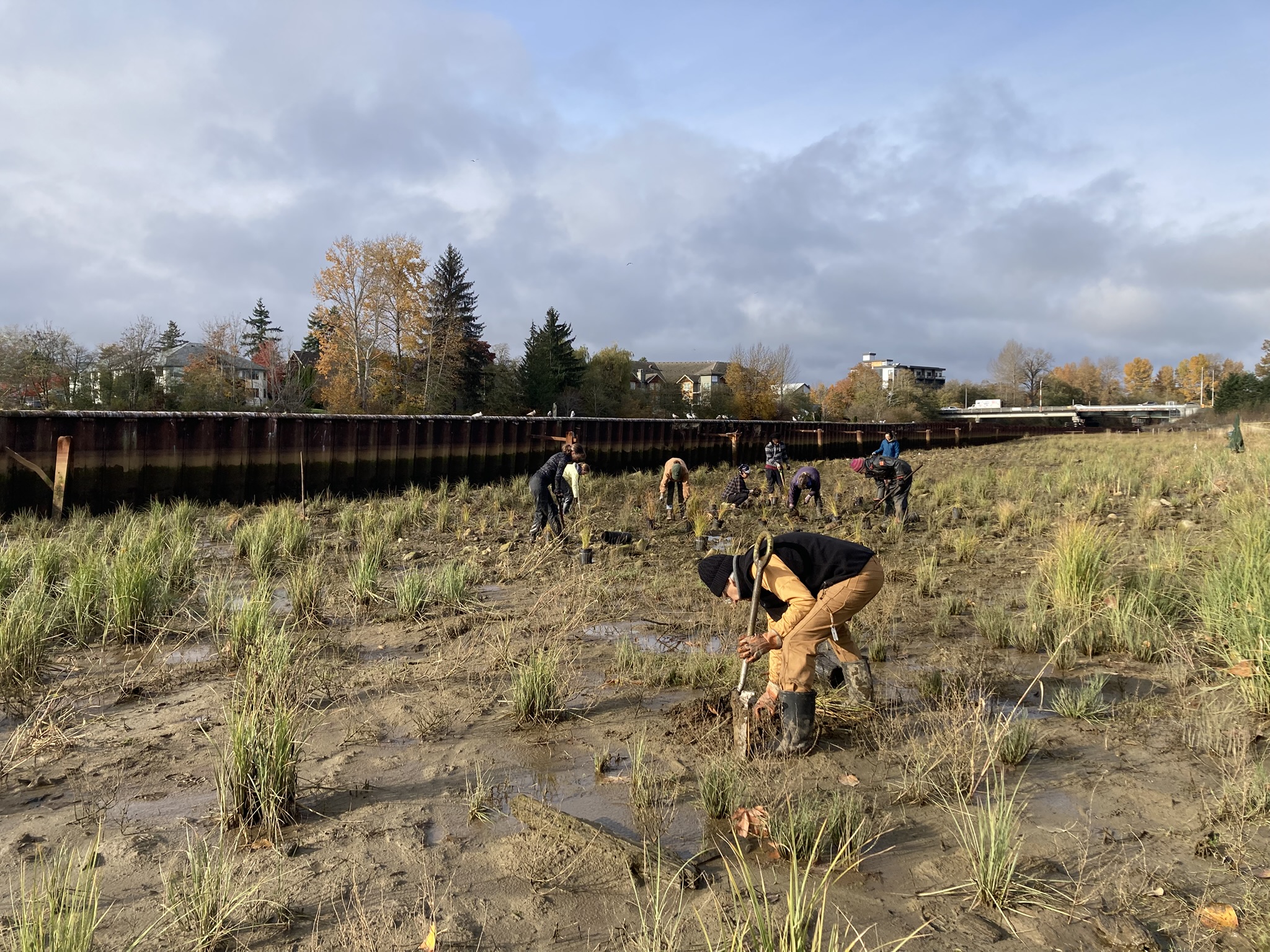
Project Watershed volunteers planting lower bench tidal marsh plants such as Lyngbye sedge, Baltic rush, and Pacific silverweed - photo by Casey Doucet

Thriving wildlife habitat doesn’t have to be far from where people live. Within walking distance of downtown Courtenay, B.C., fish and wildlife are beginning to call a shoreline home again.

It’s where the old Fields sawmill stood out of service for two decades. Soon, the site – called Kus-kus-sum – will have its title transferred to the local K’ómoks First Nation.

The serene landscape conceals the massive effort required to restore it. “Nobody would ever know it was anything but a tidal marsh,” says Caitlin Pierzchalski, executive director of Project Watershed, the non-profit that led the ambitious restoration.

The project is a collaborative effort led by the Comox Valley Project Watershed Society, in partnership with the K’ómoks First Nation and the City of Courtenay. Habitat Conservation Trust Foundation supported the project from 2021-2026 with over $340,000 through the Fish & Wildlife Grant program, and we are grateful to stand alongside the many donors whose support helped restore the site’s ecological function and return the land to its original stewards.
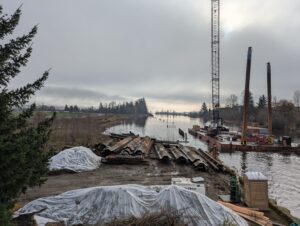
The final phase of Kus-kus-sum restoration was the removal of the steel retaining wall. From Jan-Feb 2026, each panel of the wall was lifted out by a crane on a floating barge before being trucked away for recycling – photo by Caila Holbrook

Salmonids and native plants return to Kus-kus-sum
Transforming a former sawmill into a habitat where fish and wildlife can thrive is an audacious task. Toxic soils have to be disposed of safely. Carting off tonnes of steel, concrete, and other heavy materials takes months of careful work. Like many riverside sawmills, this one was bordered by a steel wall to prevent flooding. Somehow, dismantling and removing all 400 metres of it turned out to be one of the project’s more straightforward challenges, Pierzchalski recalls.

Project Watershed knew the ecological benefits would be worth the effort from the start. In 2012, the Comox Valley-based nonprofit identified Kus-kus-sum as a top priority for restoration, despite the scale of the undertaking. The sawmill’s location had severely degraded habitat for salmonids, a family of fish that includes trout and char (and of course, salmon).

A 1977 government report preceded this sentiment, identifying the surrounding Comox Estuary as one of the most productive in Canada and recommended relocating the sawmill. The K’ómoks people had long known this. Their ancestors established a fishing village, relying on the area’s abundant salmon.

Today, volunteers have planted thousands of native plants across the site. Beneath the river surface, logs and other woody material offer refuge for juvenile Chinook salmon and cutthroat trout. Monitoring cameras are already showing promising data on their numbers.

Cultural significance and land title
Returning this site to those who came before doesn’t just mean wildlife and native plants. Up until 1949, when the sawmill was built, the K’ómoks people depended on this area for their livelihoods and cultural practices. They fished nearby and also laid community members to rest at that site through tree burials. In a tree burial, bodies are encased in wood or cloth, and placed high up in the branches so that they would be closer to the sky.

For Pierzchalski and Project Watershed, restoring traditional stewardship to Indigenous leaders is central to the project’s story. Before work began, Project Watershed entered into an agreement with the City of Courtenay and the K’ómoks First Nation that said the non-profit’s job was to look after the site’s restoration, after which title to the land would be transferred to the nation.

“Most people see this as the old Fields sawmill site. Now they see it as a restoration site. But they’re not often thinking of the pre-industrialized context of the site,” says Pierzchalski.

Hope for other industrial shorelines in B.C.
Aging industrial shorelines are now increasingly common across B.C. Former sawmills, pulp mills, and coal-coking sites have left contaminated soils and heavy infrastructure in their wake. Restoring these sites can be complicated and expensive. Some sites sit dormant without a clear path forward. Others are repurposed for more contemporary industries that benefit from similar infrastructure.

But Kus-kus-sum shows what can happen when a community chooses naturalization. The restored shoreline is showing stability day by day. The site was designed to also help protect against flooding and rising sea levels. The native plant species, though early in their growth, are already establishing well, and Project Watershed hopes to see more juvenile Chinook and Coho salmon using the site over time.

Project Watershed has also built knowledge that can help others pursue similarly ambitious restorations, particularly when it comes to navigating evolving regulations. Requirements for handling and disposing of contaminated materials changed throughout the project, creating challenges for which there was little precedent. Having found a way through, the team can now share what it learned with those undertaking similar work.

What was once a barrier between land and water is now a place where migrating fish stop to rest and native plants take root again. With the removal of the steel wall and reconnection of the site to the Courtenay River, Kus-kus-sum has been transformed from an industrial site into a thriving estuarine habitat that supports fish, wildlife, and plants, while creating a lasting space for cultural connection, ecological resilience, and community stewardship.
 

Tue, 15 Sep 2026

Funding Available for Tree Planting Projects

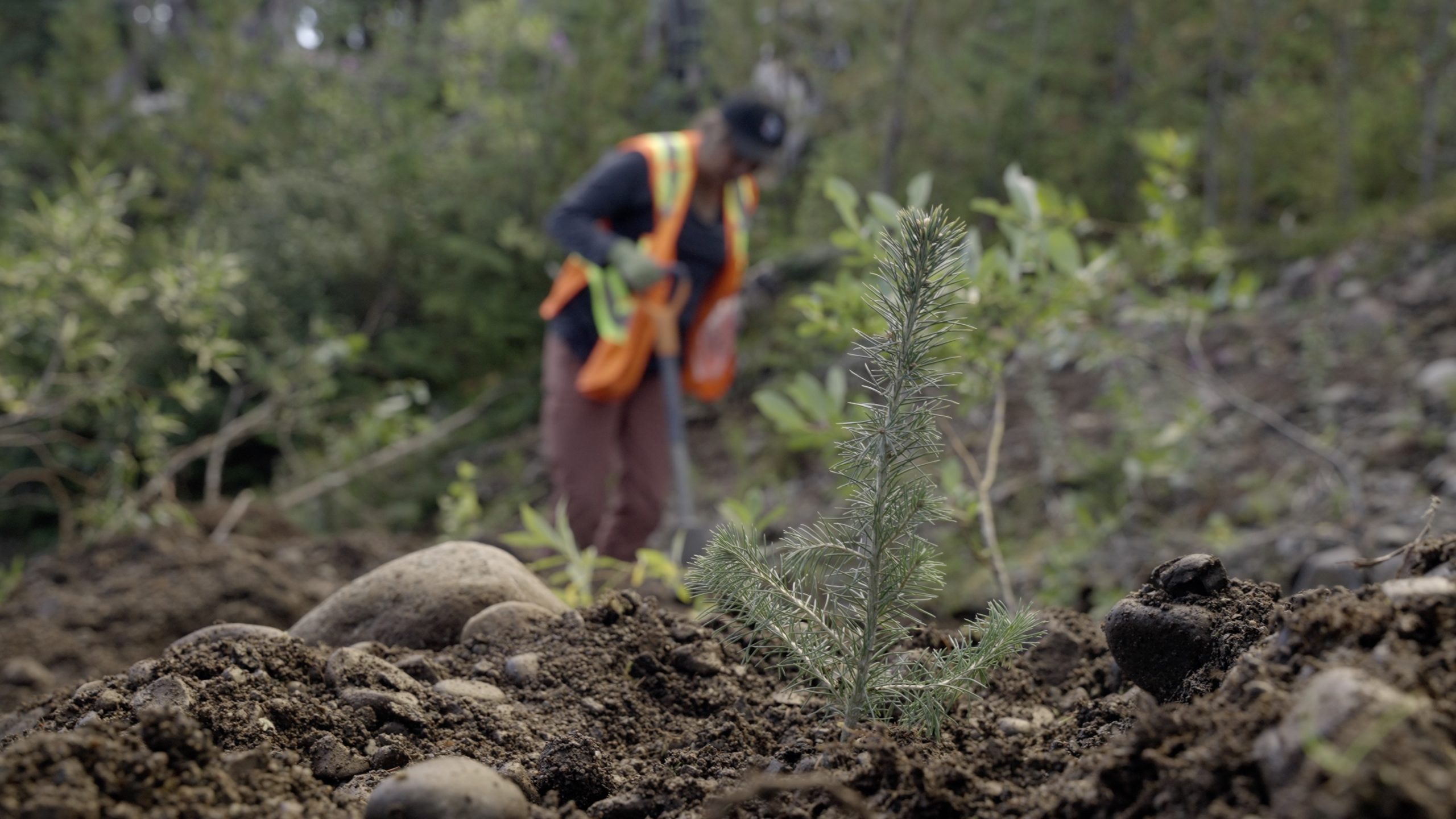
Planted Seedling - Chu Cho Environmental LLP

Funding is available for restoration projects that include tree planting to restore and enhance wildlife and fish habitat in British Columbia.

The Habitat Conservation Trust Foundation (HCTF) is pleased to announce a new funding opportunity for habitat restoration projects that include tree planting components to enhance or restore fish and wildlife habitat.

Sibola restoration site – Jen Atkins, Bulkley Valley Research Centre

Applications should demonstrate:

  • Focus on habitats and species-at-risk or species of concern;
  • Longevity of the restoration or enhancement activities, ideally in or adjacent to protected areas, wildlife habitat areas or conservation lands;
  • Planting prescription details (if known) but including species and approximate number of seedlings (include maps, shapefiles or other details);
  • Overall objectives and eligible activities, which may include:
    • Strategic planning
    • Archaeological assessment
    • Surveys and site preparations
    • Planting prescription
    • Planting activities
    • Monitoring

To target this restricted funding, please apply through the Fish & Wildlife Grant program and select “Restricted Funding” from the Project Group and “Tree Planting” from the funding options.

** Note: Projects that have already secured funding through other Federal initiatives, including 2BTrees Funding, are not eligible. Projects where tree planting is required to meet a legal obligation are not eligible.

For more information, including priority considerations, click here.

Mon, 28 Apr 2025

HCTF Approves $8.6 Million for Fish & Wildlife Conservation Projects

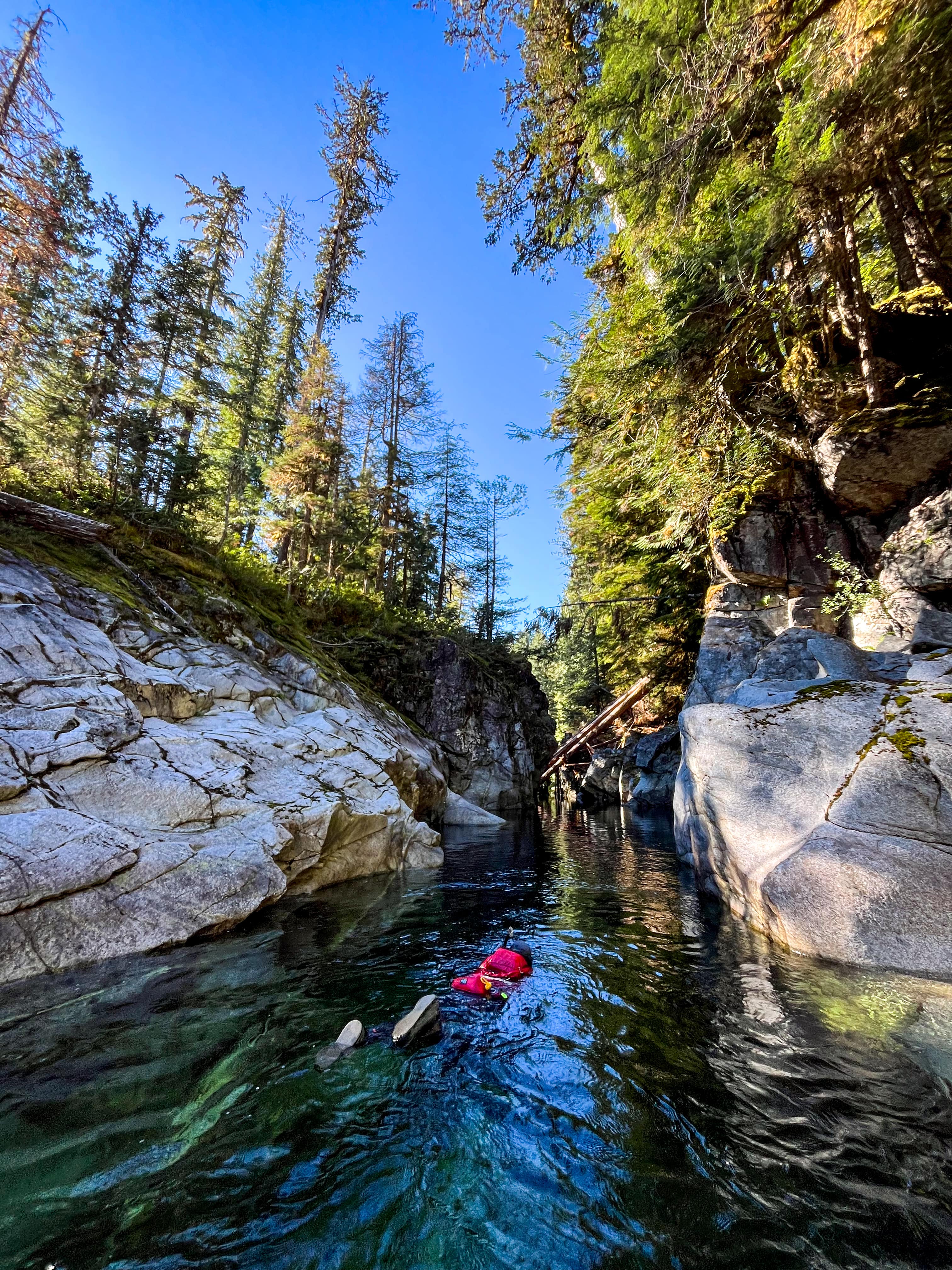
1-826 Vancouver Island Steelhead Stock Decline Investigations, BC Conservation Foundation - Upper Gold Snorkel Survey, photo by Danny Swainson

The Habitat Conservation Trust Foundation is proud to announce over $8.6 million in funding for 110 conservation projects throughout British Columbia. 

For over forty years, the Habitat Conservation Trust Foundation (HCTF) has provided grants with over $242 million contributed to conservation projects and programs. The range of project leaders and conservation actions supported all share the goal of conserving B.C.’s freshwater fish, wildlife, and habitats today for generations. 

As a registered charity and foundation, HCTF’s unique funding model is led by a surcharge on hunting, fishing, trapping, and guide outfitting licences. “Each year, the conservation surcharge from these contributors funds over one hundred fish, wildlife, and habitat projects above and beyond government funding,” says HCTF’s CEO, Dan Buffett. “Yet, we recognize that government funding, such as the Together for Wildlife Strategy, along with funding from partners, First Nations and other organizations and individuals, remains crucial to meet the shared goals to conserve and enhance B.C.’s fish, wildlife and their habitats.” 

7-570 Stone’s sheep seasonal range use in the Omineca Region
Wild Sheep Society of BC

“Our government has been working alongside First Nations, conservation organizations and other key partners for many years to help protect and restore important ecosystems throughout this beautiful province,” says Randene Neill, Minister of Water, Land and Resource Stewardship. “It is deeply rewarding to see the ongoing progress of this crucial work, which is improving the lives of British Columbians today and will continue to benefit future generations. The surcharge revenue, which is dedicated to the Habitat Conservation Trust Foundation’s funding program, complements a suite of integrated conservation initiatives in B.C., including the Together for Wildlife Strategy, the Tripartite Framework Agreement on Nature Conservation, the Conservation Lands Program, the draft Biodiversity and Ecosystem Health Framework, and our commitment to protect 30% of the province’s land base by 2030.” 

Projects supported this year include: 

  • $84,000 to replace aging infrastructure at the Redfish Creek Spawning Channel to continue to supply stock conservation and fishery benefits 
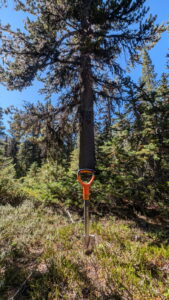
  • $68,224 to restore whitebark pine ecosystems for bear habitat in the Skeena region 
  • $94,050 for the restoration of year-round fish passage and improvement of aquatic and riparian habitat at the Westside Road weirs in Six Mile Creek 
  • $262,650 towards restoring caribou habitat on approximately 86 km of roads within the Whitesail Priority Restoration Area 
  • $99,621 to conduct cultural burns to enhance forest health in the Mount Currie/Líl̓wat area and improve habitats for grizzly bears, black bears, deer, and elk 
  • $45,645 to better understand the factors that limit porcupine survival in north central B.C., given the limited ecological knowledge of this species 

To see the complete list of HCTF-funded projects and learn more about the conservation work being done near you, view the 2025-26 Approved Project List. 

In addition to Fish and Wildlife grants, HCTF provides grants for conservation stewardship and education. Additional projects will be announced in June under our Action, Capacity, and Community Grant programs, and scholarship recipients in autumn.

Update June 18, 2025: The Approved Project List now includes 2025-26 Invasive Mussel Monitoring Grants and Highland Valley Enhancement Fund projects. There are now a total of 122 projects and over $8.9M in funding.

Tue, 22 Oct 2024

Guidance for Applicants: Ecological Corridors Funding

Photo By: British Columbia Conservation Foundation
Project 1-664

Additional information for the ecological corridors funding opportunity for the 2025-26 fiscal year.

The Ecological Corridor funding focuses on identifying, planning, developing, and recognizing ecological corridors, and catalyzing action to maintain or restore ecological connectivity and protect Indigenous stewardship values within them. Check the National Priority Areas of Ecological Corridors 1 to 6 in B.C. (seen here: National priority areas for ecological corridors (canada.ca)).

For more background info on the funding, click here.

This funding is available for applications through the Fish & Wildlife proposal intake. Eligibility for applications to utilize the Ecological Corridors funding is assessed through the same criteria as the Fish & Wildlife Grant and is within the same proposal intake and the same timeline.

Specific aspects of the Fish & Wildlife Grant that are also supported by the Ecological Corridor funding include:

  • On-the-ground fish and wildlife habitat restoration and planning projects (including components that create project plans, restoration plans, and associated land use planning);
  • Population assessment and monitoring for fish and wildlife species to inform habitat management or stewardship; and
  • Monitoring, mapping, and/or application of traditional knowledge that will create habitat conservation, restoration, or enhancement.

Objectives must be to directly inform the management, conservation, restoration, or enhancement of fish & wildlife habitat (i.e. preliminary planning objectives on their own will not be eligible).

Ecological Corridor funding will be applied to projects up to January 2026 including preliminary activities. After this date (i.e. projects assessed in January 2027) will continue to apply to the main Fish & Wildlife Grant, including continuing projects.

It is strongly encouraged that applications demonstrate that a project will be secure in the long term and have a durable impact through its legacy.

Proposals are to be submitted through the regular Fish & Wildlife Grant Survey Apply application process. If you believe that your project would be a good fit for this funding, please add the words “Ecological Corridors” at the end of your project title in your Survey Apply application.

The application deadline for Fish & Wildlife Grants is Friday, November 1, 2024, at 4:30pm PDT.

For questions regarding the ecological corridor funding or Fish & Wildlife Grants, please contact HCTF’s Grants Officer Amy Perkins at [email protected] or 250-940-3014.

Projects that have already received funding elsewhere through the Nationals Ecological Corridor program or through the BC-Canada Agreement for Ecological Corridor Stewardship may not be eligible.


Fri, 20 Sep 2024

New Funding Available for Ecological Corridors

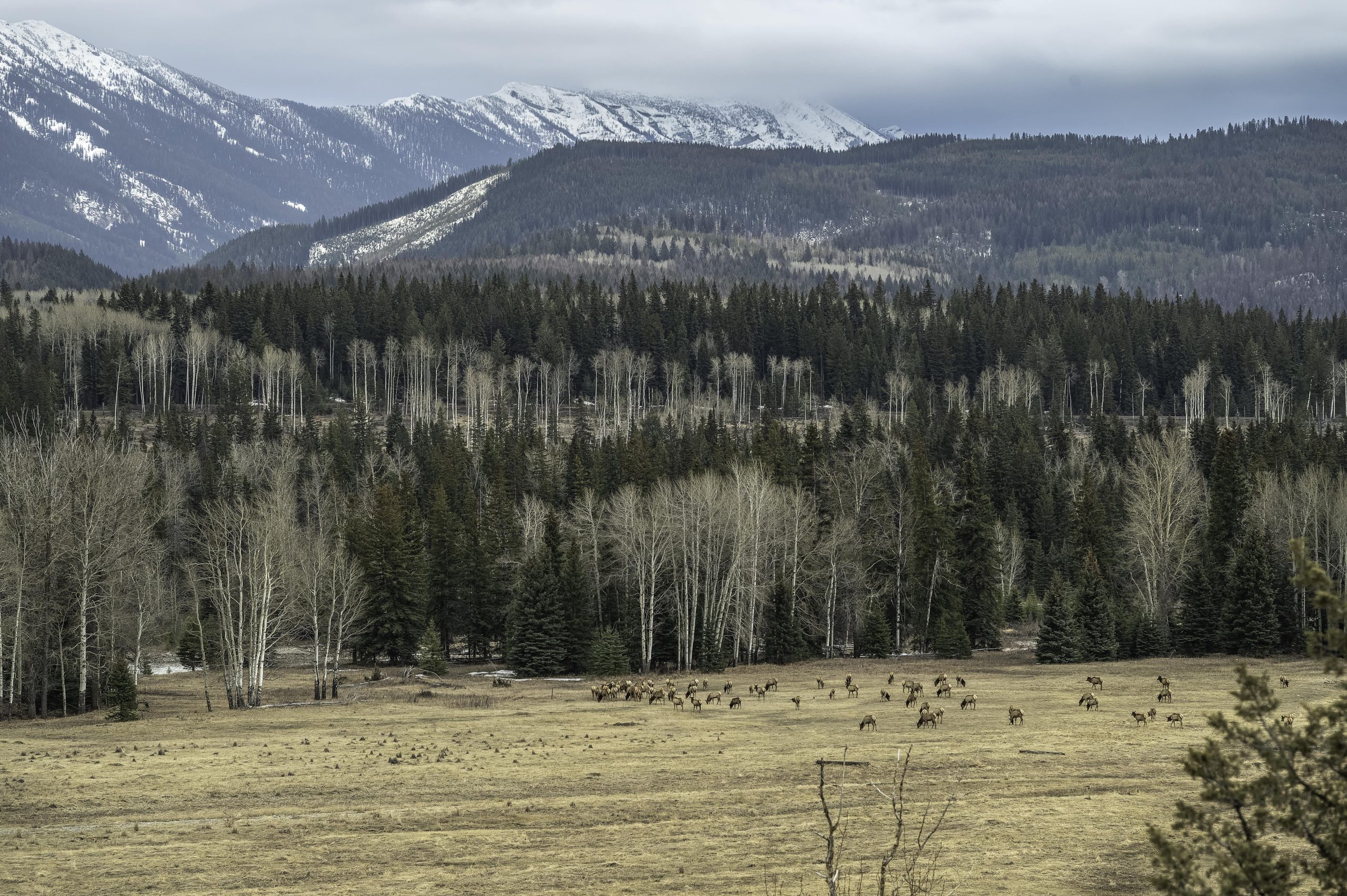
Elk Herd at Big Ranch Conservation Area - photo by Michael Schumacher

In support of the Parks Canada/BC Agreement on the Stewardship of Ecological Corridors in British Columbia program, HCTF is pleased to announce a new funding opportunity for the 2025-26 fiscal year.

This opportunity stems from a collaboration between the Parks Canada National Program for Ecological Corridors and the B.C. Ministry of Water, Land and Resource Stewardship.

The available funding is focused on identifying, planning, developing, and recognizing ecological corridors, and catalyzing action to maintain or restore ecological connectivity and protect Indigenous stewardship values within them. The work is to take place in National Priority Areas of Ecological Corridors 1 to 6 in B.C. (seen here: National priority areas for ecological corridors (canada.ca)).  Within these National priority areas, projects will be favored that coincide with areas of Environment Stewardship Initiative Forums, collaborative stewardship forums, strategic planning processes, or similar government-to-government forums.

The funding is targeted for ecological corridor and habitat connectivity stewardship, through support for
1) area-based planning and local action, like habitat restoration and management, and
2) knowledge acquisition, science, and information development, such as monitoring, mapping, and/or application of traditional knowledge. All area-based planning and local action projects must involve leadership by First Nations or other active First Nations engagement. Knowledge acquisition, science and information development projects with participation from First Nations will be favored although this is not a requirement for work focused on collecting, mapping, and/or modelling ecological data.

Quadra Hill seen from Vanilla Leaf – Galiano Conservancy Association

All projects will need to deliver work that will support durable, long-term ecosystem connectivity before January 2026, or to deliver by the same date a product (e.g., a plan or information to be used in a planning process) that is expected to have a durable impact through its legacy. This funding opportunity is not intended to directly support the construction or purchase of major infrastructure (e.g., wildlife highway overpass), but can be used to support partners in these activities through science, planning, or similar work, or through the purchase of smaller equipment and supplies (e.g., signage, fencing, etc.).

Proposals are to be submitted through the regular Fish & Wildlife Grant Survey Apply application process. If you believe that your project would be a good fit for this funding, please add the words “Ecological Corridors” at the end of your project title in your Survey Apply application.

The application deadline for Fish & Wildlife Grants is Friday, November 1, 2024, at 4:30pm PDT.

For questions regarding the ecological corridor funding or Fish & Wildlife Grants, please contact HCTF’s Grants Officer Amy Perkins at [email protected] or 250-940-3014.

Projects that have already received funding elsewhere through the Nationals Ecological Corridor program or through the BC-Canada Agreement for Ecological Corridor Stewardship may not be eligible.

Tue, 16 Apr 2024

Announcing $7.5M for Conservation in B.C.

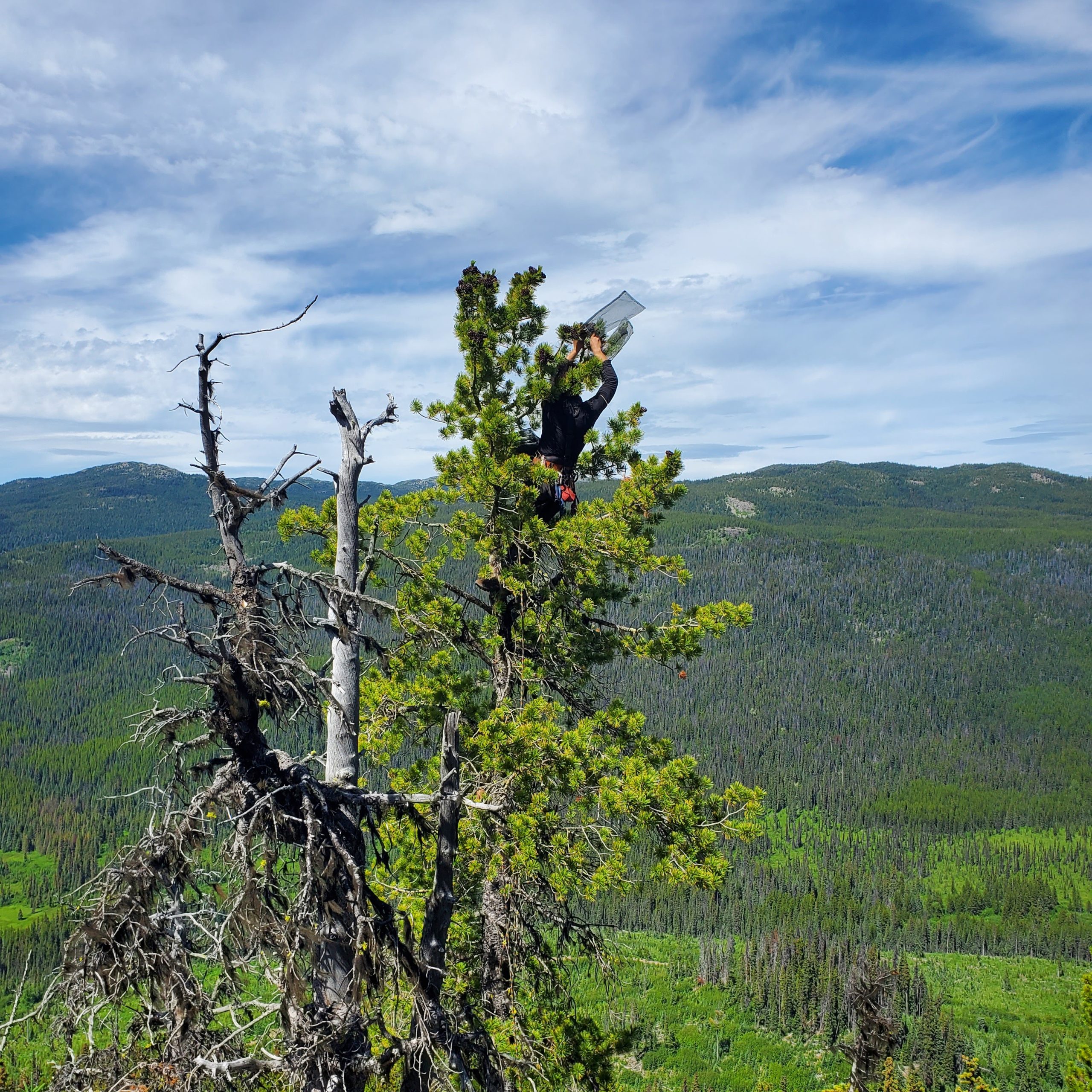
6-227 Restoring Whitebark Pine Ecosystems to Enhance Subalpine Bear Habitat - Smoke Mountain cone collection

The Habitat Conservation Trust Foundation is proud to release the 2024-25 approved project list.

Over $7.5 million in funding has been awarded to 123 projects that will benefit fish, wildlife, and their habitats across B.C.

Included in the list are the approved projects under the Fish & Wildlife Grant, Caribou Habitat Restoration Fund, and Quality Waters program, as well as the provincially-led Conservation Lands and Fisheries O&M programs.

3-251: Interior Fraser Wild Steelhead Conservation – Steelhead tagging for spawning population estimate in the Nicola watershed.

Projects include:

  • $91,500 to restore the wetland habitat at a former sawmill site in the heart of the salmonid migratory corridor for the watersheds of two major rivers in Comox Valley
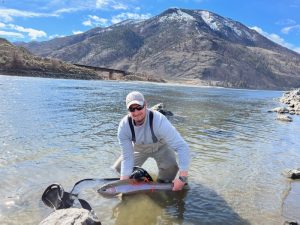
  • $152,001 to capture and tag juvenile White Sturgeon in the Fraser River to improve understanding of distribution abundance, recruitment trends, and growth rates
  • $45,890 to analyze data on small mammal and vegetation communities in Thompson-Nicola grasslands to better manage BC’s threatened grassland ecosystems
  • $83,380 to enhance 112 hectares of elk winter range in Upper Kicking Horse Canyon
  • $47,700 to implement recommendations from the Middle and Upper Fraser Bull Trout Management Plan to support sustainable angling and long-term stock conservation
  • $37,909 to understand habitat use, movement ecology, and survival of Tawéi (Tlingit word for thinhorn sheep) near Atlin to support sustainable stewardship of the species
  • $183,906 for functional and ecological restoration techniques to add an additional 2,358 hectares to intact areas of habitat within the Klinse-Za caribou herd range
  • $30,480 for the restoration of riparian black cottonwood forests in the Kettle River watershed

7-540: Prescribed Burns for Wild Sheep Enhancement in Northeastern BC – Implementation of prescribed burn for Stone’s sheep habitat.

To see the list of HCTF-funded projects for 2024-25, click here (PDF download).

Please note that this list does not include Action, Capacity, or Community Grants, for which notifications will go out in the summer. Invasive Mussel Monitoring Grant applicants will be notified in May.

Update May 10th, 2024: The Approved Project List now includes 2024-25 Invasive Mussel Monitoring Grants, Highland Valley Enhancement Fund projects, and funding towards the Invasive Mussel Defense Program. There are now a total of 136 projects and over $7.9M in funding.