Tue, 19 Sep 2023

Additional Funding Available for Marbled Murrelet and Northern Goshawk Projects

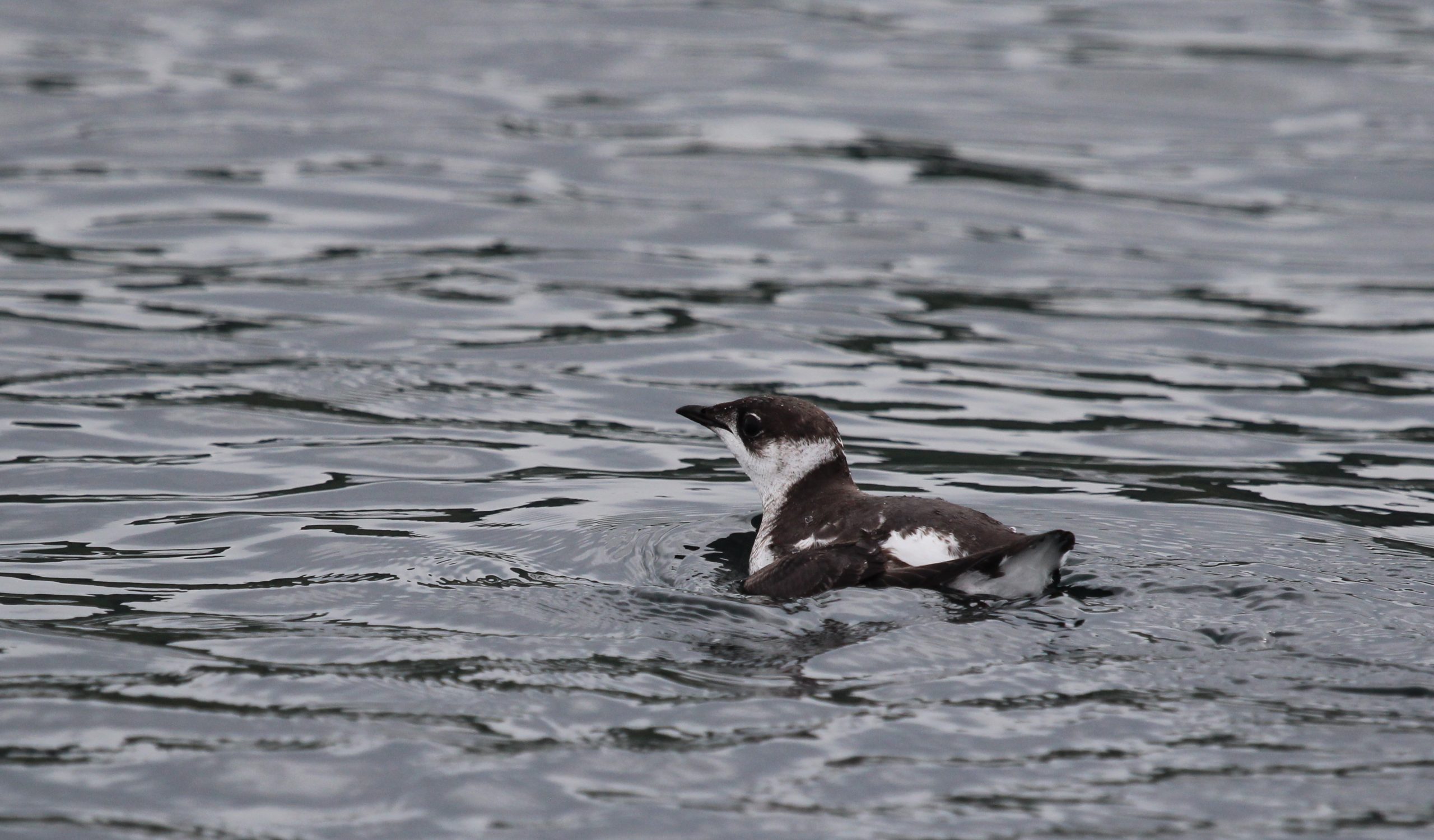
Marbled Murrelet near south Vancouver Island. Photo by Jenna Cragg.

Ongoing efforts to help two threatened birds in B.C. will get a lift this year. The Province of B.C. has dedicated $257,000 towards projects that support the Northern Goshawk, laingi subspecies (“NOGO”) and the Marbled Murrelet (“MAMU”), to be administered by HCTF.

Proposals are to be submitted through the regular Fish & Wildlife (formerly Enhancement & Restoration) Grant SurveyApply application process. They will then be evaluated according to their alignment with either the NOGO or MAMU Implementation Plans and their respective Implementation Actions – see Actions and Performance Measures tables:

Marbled Murrelet Implementation Plan
Northern Goshawk Implementation Plan

The application deadline for Fish & Wildlife Grants is Friday, November 3, 2023, at 4:30pm PDT.

For questions regarding the NOGO/MAMU funding or Fish & Wildlife Grants, please contact HCTF’s Grants Officer Amy Perkins at [email protected] or 250-940-3014.

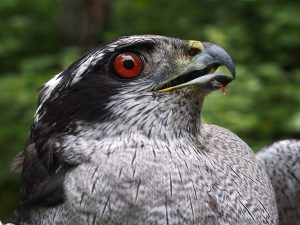
Adult male goshawk captured in the Squamish area. Photo by Melanie Wilson.

Mon, 24 Apr 2023

$8 Million in Funding Approved for Conservation Projects Across B.C.

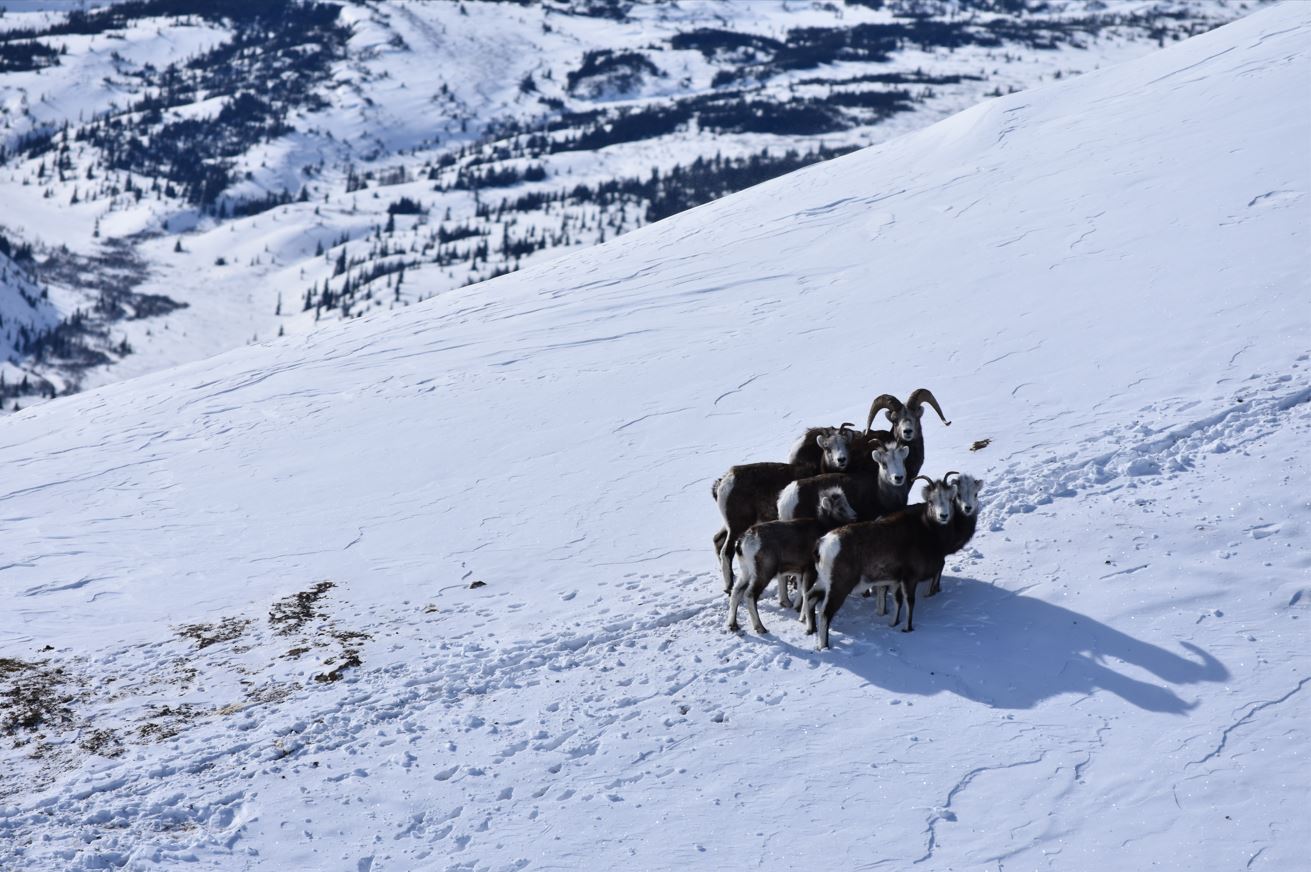
A group of Stone's sheep observed during an annual recruitment survey - Alicia Woods, Ridgeline Wildlife Enhancement

The Habitat Conservation Trust Foundation today announced over $8 million that will fund 167 fish and wildlife conservation projects across B.C. 

2023-24 HCTF Project List

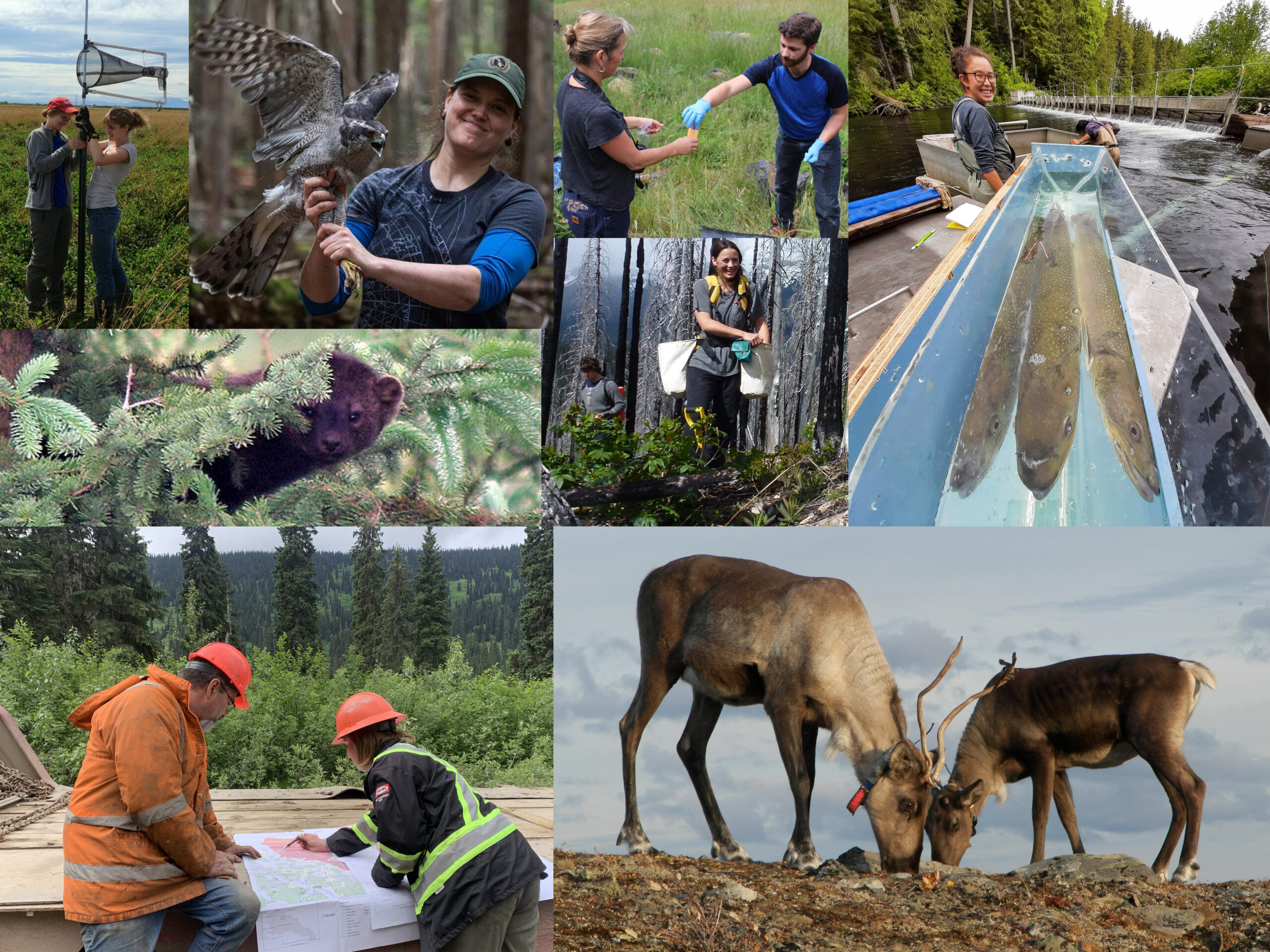
For over 40 years, the Habitat Conservation Trust Foundation (HCTF) has provided grants to a large network of recipients who undertake conservation projects each year. With support from HCTF, a wide range of nonprofit organizations, First Nations and Indigenous communities, Provincial ministries, and community groups implement projects that protect B.C.’s wildlife, freshwater fish, and their habitats. Since 1981, the HCTF has funded over 3,550 projects representing an investment of over $215 million for conservation in B.C.

CEO Dan Buffett is pleased with the diversity of projects as “each project undergoes a multi-step technical review process to direct funding to the best projects for fish, wildlife and their habitats.”

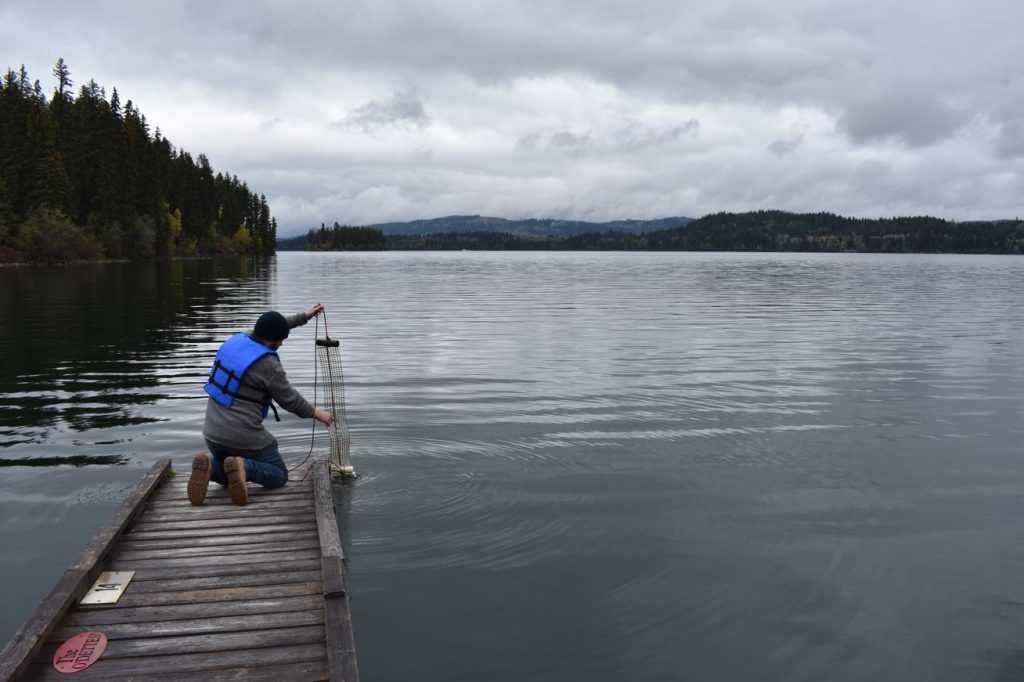
Project 5-310: Invasive Mussel Monitoring for the Cariboo Regional District

A significant source of funding for projects is the conservation surcharge paid by B.C.’s anglers, hunters, trappers, and guide outfitters when they purchase their respective licenses. HCTF also receives substantial funding from partner organizations like the Forest Enhancement Society of B.C. (FESBC), provincial government contributions, court awards, and endowments.

FESBC’s Executive Director Steve Kozuki is “thrilled to partner with the trusted and respected Habitat Conservation Trust Foundation to improve wildlife habitat. With their first-in-class management of funds and projects by talented and professional staff, we know that we are maximizing benefits for wildlife in British Columbia.”

This year’s approved projects include:

  • $254,809 for functional and ecological restoration of approximately 16 km of linear corridors in the Clearwater Valley, led by the Nîkanêse Wah tzee Stewardship Society.
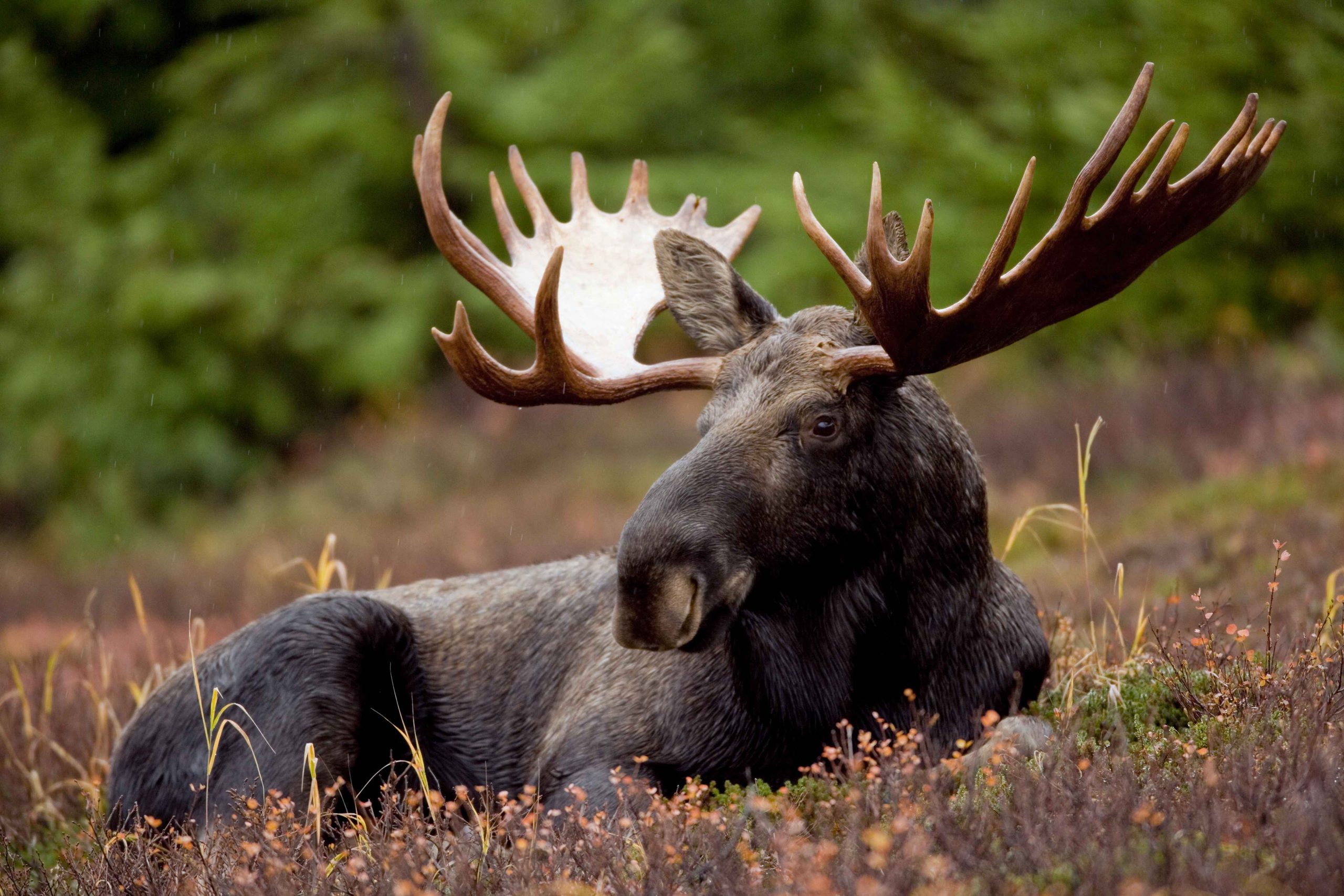
  • $146,747 to enhance 200 km2 of moose habitat in Nazko First Nation territory including rehabilitation of 100 km of forest resource roads.
  • $130,794 to determine the migration behaviour and habitat use of juvenile white sturgeon in the Pitt River watershed of the Lower Fraser River to develop habitat protections and restoration prescriptions.
  • $92,938 for the restoration of a former sawmill site in the heart of the salmonid migratory corridor of the Puntledge and Tsolum Rivers watersheds in the Comox Valley; this will restore the forested tidal wetland and reconnect the site to the floodplain of the Courtenay River, benefiting salmon, trout, and many other wildlife species.
  • $95,940 for the enhancement of critical habitat for mule deer, white-tailed deer, and Rocky Mountain elk between Raymond and Red Canyon Creeks in the Galton Range. Efforts will focus on slashing treatments and invasive plant management.

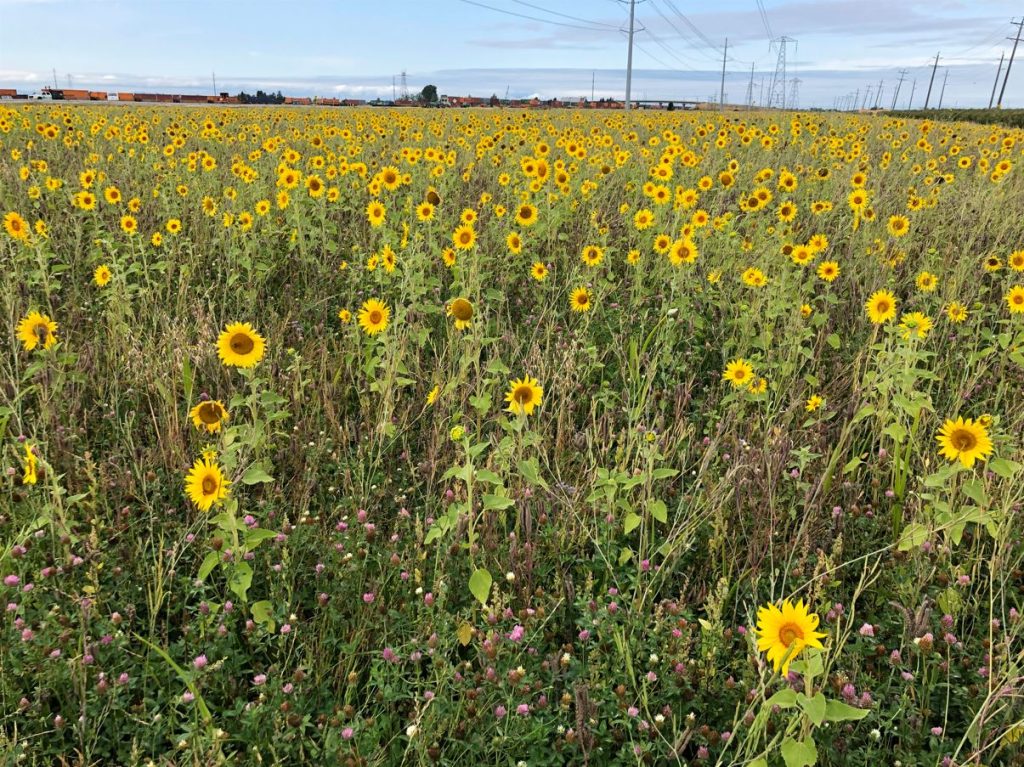
Project 2-349: Enhancing Upland Farmland for Wildlife in the Fraser River Delta

The B.C. Wildlife Federation also received funding this year: “Funding from HCTF will help the B.C. Wildlife Federation to train a new generation of habitat stewards through our Wetlands Institute,” said Neil Fletcher, BCWF Director of Conservation Stewardship. “With the support of HCTF, we offer a seven-day boot camp to qualified British Columbians who are pursuing projects in their communities. The grant for the Water, Water, Everywhere project will enable the BCWF to strategically place wetlands designed to mimic beaver dams with ability to restore and enhance wildlife habitat and riparian areas all over B.C.,” Fletcher added. “Installing beaver dam analogues with local partners will allow us to share our skills and expand our network of conservation stewards.”

To see the complete list of HCTF funded projects or explore the conservation work being done near you, view the 2023-24 Approved Project List.

Wed, 15 Mar 2023

Preliminary Approved Project List 2023-24

A preliminary list of HCTF approved projects for 2023-24 is now available.

Preliminary Approved Project List 2023-24

Projects included on this preliminary list have been approved in principle but may have reduced budgets or funding conditions.  All applicants will receive official notification emails including HCTF Board and technical committee comments. For approved projects, these emails will include the grant amount and funding conditions (if applicable). Please note that HCTF staff cannot provide further information to you before the Notifications are issued.

Proponents of approved projects will receive a Conditional Grant Agreement. Please be aware that until both you and HCTF have reviewed, accepted and signed the Conditional Grant Agreement, there is no confirmation of funding and no legal commitment in place.

Congratulations to all successful proponents! To those applicants who were not funded this time, thank you for your interest. The next opportunity to apply for an HCTF Enhancement and Restoration, Stewardship or Caribou Habitat Restoration Grant will be Fall of 2023 (Deadline: Friday November 3, 2023).

How are Grant Applications Reviewed?

Each proposal undergoes a multi-level, objective technical review prior to final Board decisions. For more information on what reviewers look for when evaluating a proposal, see our Grant Apply page.

Wed, 21 Sep 2022

Now Accepting Conservation Grant Proposals for 2023-2024

Habitat Conservation Trust Foundation is now accepting applications for Enhancement/Restoration & Stewardship (ERS) grants, and Caribou Habitat Restoration Fund (CHRF) grants. Applications must be submitted through HCTF’s online application system by 4:30pm on November 4th, 2022 (PST).

HCTF is not accepting New Stewardship proposals in Fall 2022 (Continuing and New Phase proposals will still be accepted). Our Stewardship grant is undergoing an update to better integrate with other HCTF grant programs. This will improve clarity and criteria for proponents as well as streamline the application process.

Please visit our FAQ page to find useful tips for the online Survey Apply system. Our updated 2023-24 ERS and CHRF Guidance documents are also available on the website.

Before beginning your application on the Survey Apply system, we strongly recommend that you complete your application on the Word worksheets posted on our website. Once completed you can copy-and-paste your answers into the online form. The worksheets also provide a useful overview of the questions and information requirements. Please note that HCTF cannot accept applications submitted by email.

Each year, Habitat Conservation Trust Foundation provides approximately $6 million dollars in Enhancement and Restoration grants to help fund projects that support the conservation of British Columbia’s native freshwater fish, wildlife, and their habitats. Since the inception of our work in 1981, the Foundation and its predecessors have invested over $189 million in more than 2980 projects across BC.

HCTF continues to partner with the Forest Enhancement Society of BC (FESBC) to meet shared conservation objectives through co-investments in conservation projects administered through HCTF. The CHRF program is made possible by contributions from both the BC Ministry of Land Water and Resource Stewardship and Environment and Climate Change Canada.

For questions related to Enhancement/Restoration and Stewardship grants, please contact Lisa Wielinga at [email protected] or 250-940-9781.

For questions related to CHRF, please contact Sophia Cuthbert at [email protected] or 250-940-9789.

Fall Site Visits: Stewardship, Sheep and Salmonids

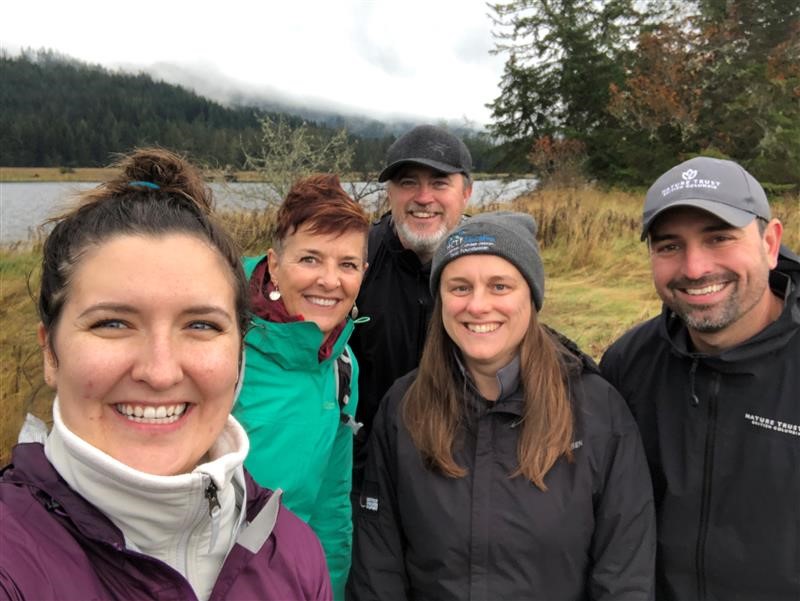
Staff visit to Salmon River Estuary Conservation Area; Jade Neilson, Karen Wipond, Tom Reid, Christina Waddle, Shawn Lukas (from left to right)

HCTF staff enjoyed some time out in the field this fall with visits to project sites around the province. Each year, HCTF undertakes project evaluations on a sample of projects to conduct a financial review, and to ensure conservation objectives are being met.

The first evaluation took place in September with the Nature Kids program, a Stewardship project which aims to engage children and their families with nature through hands-on learning, stewardship activities and citizen science projects. HCTF staff visited the program’s office in North Vancouver and one of the weekend events in Greater Victoria called “Hawkwatch”.
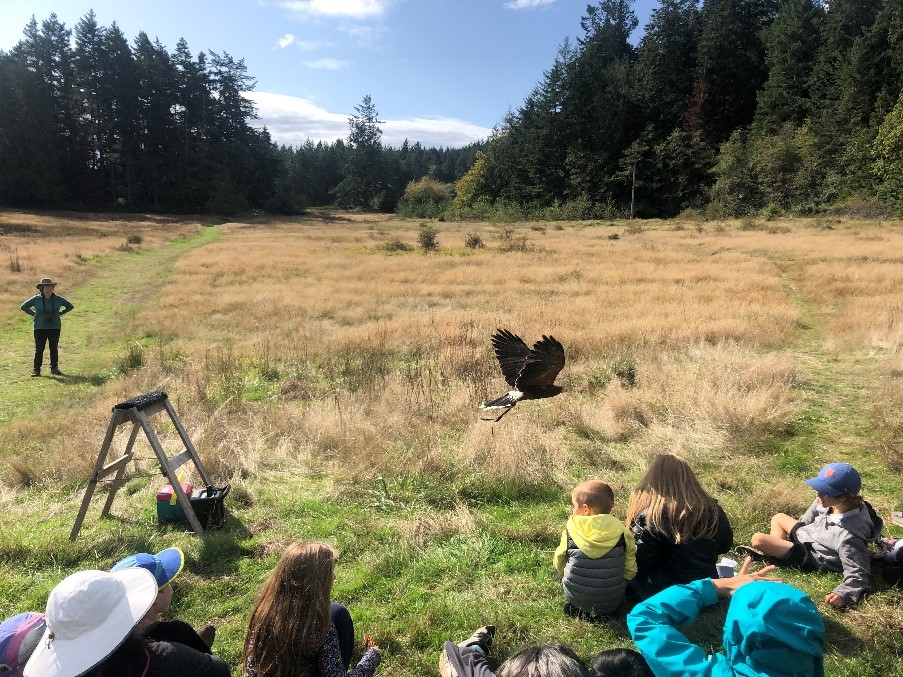
The Raptors live demonstration at Hawkwatch.

In October, staff travelled to the Kootenays and visited 2 project sites with Irene Teske, Wildlife Biologist with the Ministry of Forest, Lands, Natural Resource Operations and Rural Development (FLNR). Staff got a first-hand look at areas being treated to control invasive plants such as Yellow Hawkweed and St. John’s Wort at Bull River and Wigwam Flats, both conservation areas in the East Kootenay region.  For this project, HCTF Special Permits (Wild Sheep) funding is being used to restore native grasslands to improve winter forage for Bighorn Sheep.
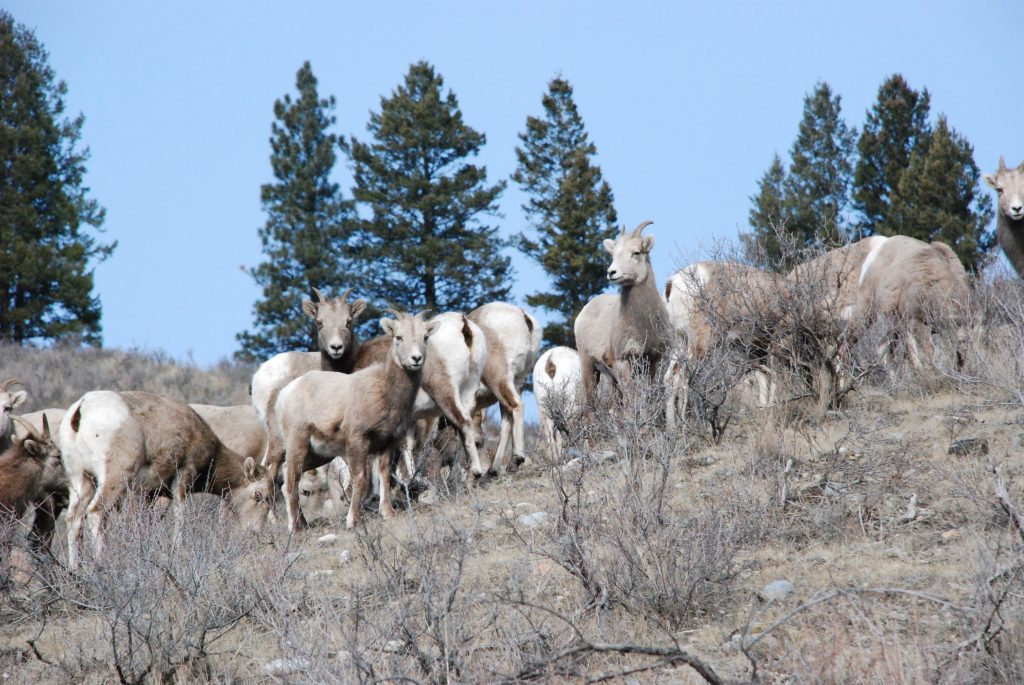
2008 photo of the Bull River bighorn herd. Beginning in 2009, wildlife managers noticed a rapid spread of yellow hawkweed and other invasive plant species in this herd’s winter range.

The next visit was to a very different landscape on the east coast of Vancouver Island. HCTF visited three sites funded under the Conservation Lands Operations and Management (O&M) Funding Program: S’amanu Wildlife Management Area (WMA), Nanaimo River Estuary Conservation Area, and the Salmon River Estuary Conservation Area. This program provides $550,000 annually to FLNR for O&M costs on ministry-administered conservation lands across the province including lands leased from the Nature Trust of BC. Funding for this program is provided primarily through endowment funds provided to HCTF from the Province of BC.

HCTF staff and the FLNR Conservation Lands Specialist Karen Wipond received a tour hosted by the West Coast Conservation Land Management Program (WCCLMP) staff Tom Reid and Shawn Lukas, demonstrating how HCTF O&M funding is being used to maintain conservation values at the selected properties.

At the S’amanu WMA, we viewed and discussed the restoration work and new interpretive signage at Ye’yumnuts, a sacred ancestral place of the Cowichan people. We also discussed invasive species management supporting species at risk on the site, and agricultural activities to enhance forage for wintering waterfowl.

After leaving S’amanu, we travelled north to the Nanaimo Estuary, the largest estuary on Vancouver Island, with riparian, marsh, and intertidal ecosystems including eelgrass beds, supporting thousands of over-wintering birds and juvenile salmonids. We viewed some restoration work in action while program staff and partners tested nets in the estuary to monitor juvenile salmonids in the coming spring. HCTF funding is also being used to develop improved elevation and vegetation mapping in the estuary which will help support management decisions and plan future restoration and enhancement projects.
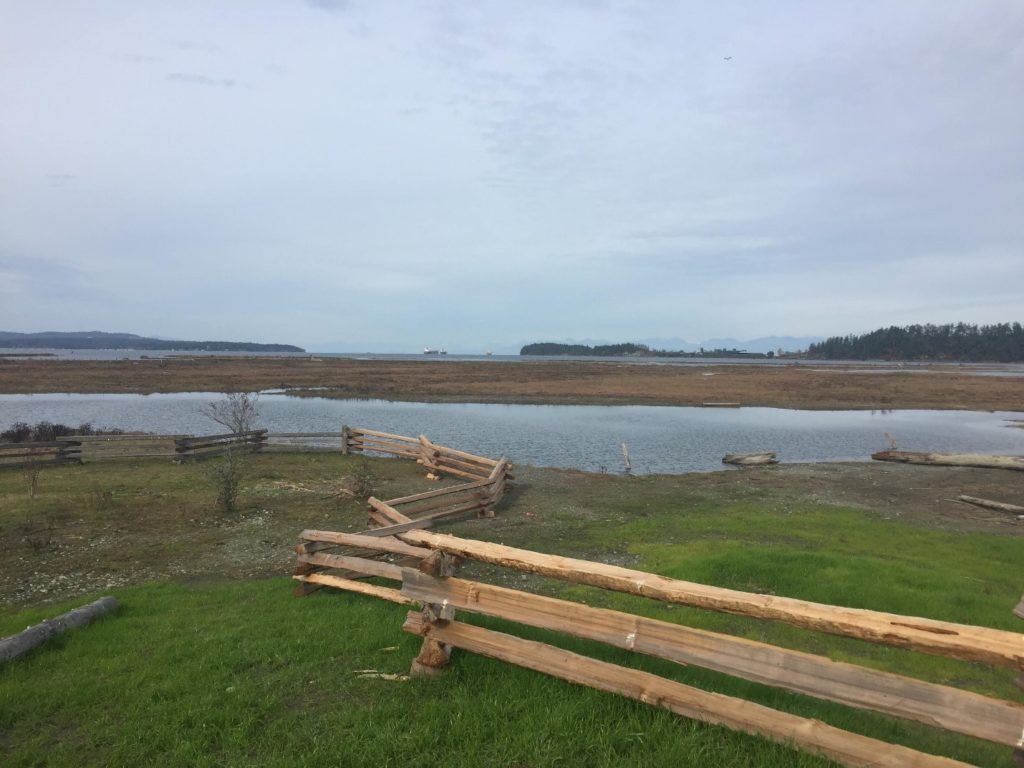
Nanaimo Estuary including split rail fencing used to control access and direct visitors.

The third site we visited with WCCLMP staff was the Salmon River Estuary Conservation Area near the Village of Sayward.  An HCTF Enhancement and Restoration Grant was used for habitat enhancement work for Roosevelt Elk and other species on the property purchased in 2015, the acquisition of which was also supported by HCTF. This restoration project included thinning the alder forest and planting to improve forage for Roosevelt elk, removing Scotch Broom and replanting with native species, and creating shallow wetland habitat with wood structures to improve habitat for amphibians.
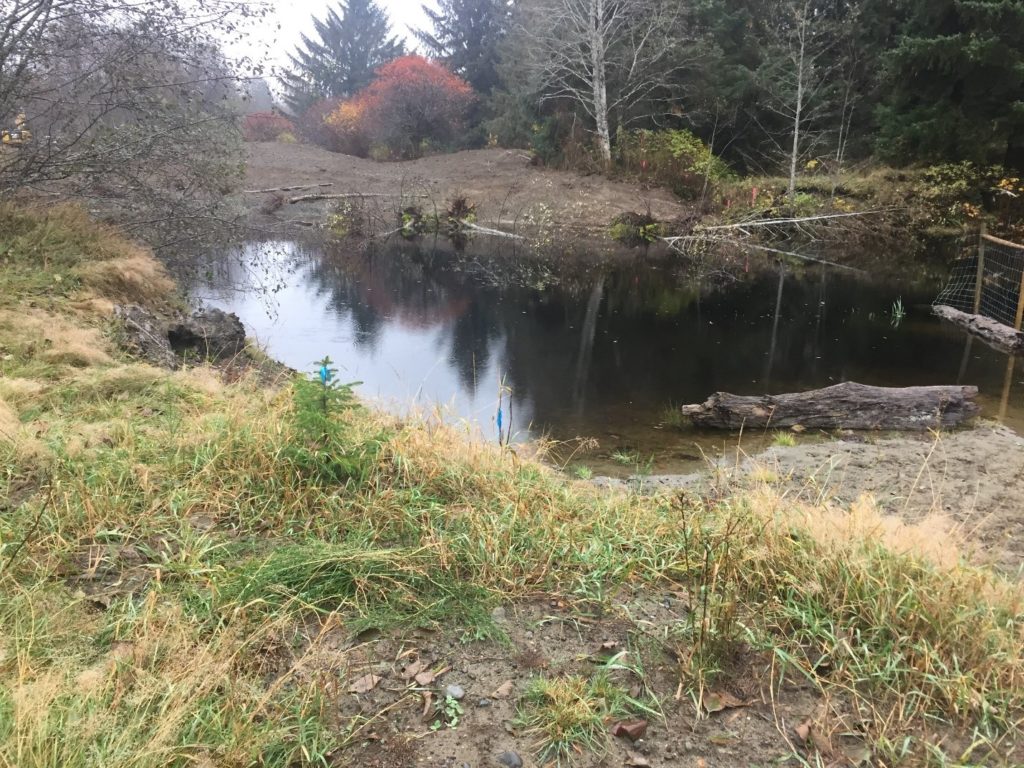
Enhanced wetland habitat at the Salmon River Estuary Conservation Area.

HCTF staff appreciated the opportunity to see the great work funded across the province. The HCTF evaluation process provides an additional check and balance in addition to our rigorous proposal review process to ensure conservation objectives are realized and we see a positive difference for fish and wildlife and their habitats, as intended by our various contributors.


Thu, 10 Jan 2019

Meet the Neighbours!

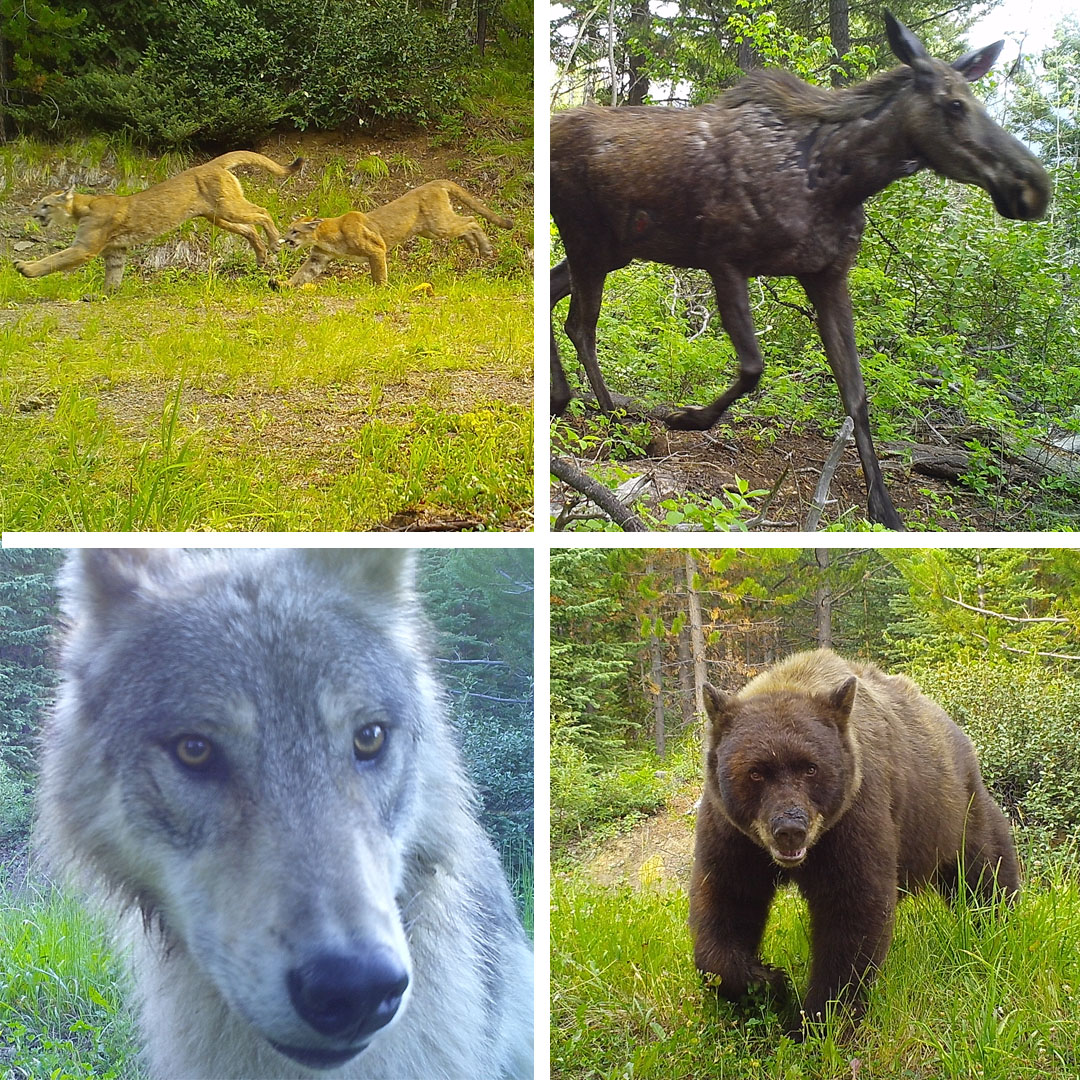
Animal-quartet
photo credit Dr. Naidoo

The South Chilcotin Mountains in south-central British Columbia are well-recognized as a wildlife haven, and contain some of the province’s most iconic wilderness species. However, there is little understanding of how an increasing human footprint in this region impacts the diversity and abundance of species. There is little information available on the key factors that regulate the distribution & abundance of wildlife here, which is a critical knowledge gap as human activity is increasing in large parts of the region, with unknown consequences.

To address these issues, HCTF is funding Dr. Robin Naidoo’s study in the South Chilcotin mountains. So far, camera traps have turned up a wide variety of species including cougars, bears, moose, wolves, coyotes, wolverine, lynx, and many more.

“Although our camera trap grid has been running for less than a year, it has revealed that the abundance and diversity of wildlife that share trails with people in the South Chilcotins is truly remarkable,” says Dr. Naidoo