Wed, 17 Sep 2025
Tags: F&W / News

Funding Available for Fraser Valley Raptor Projects

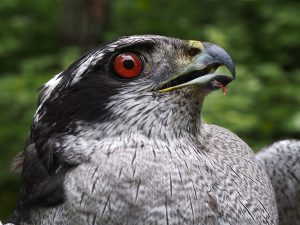
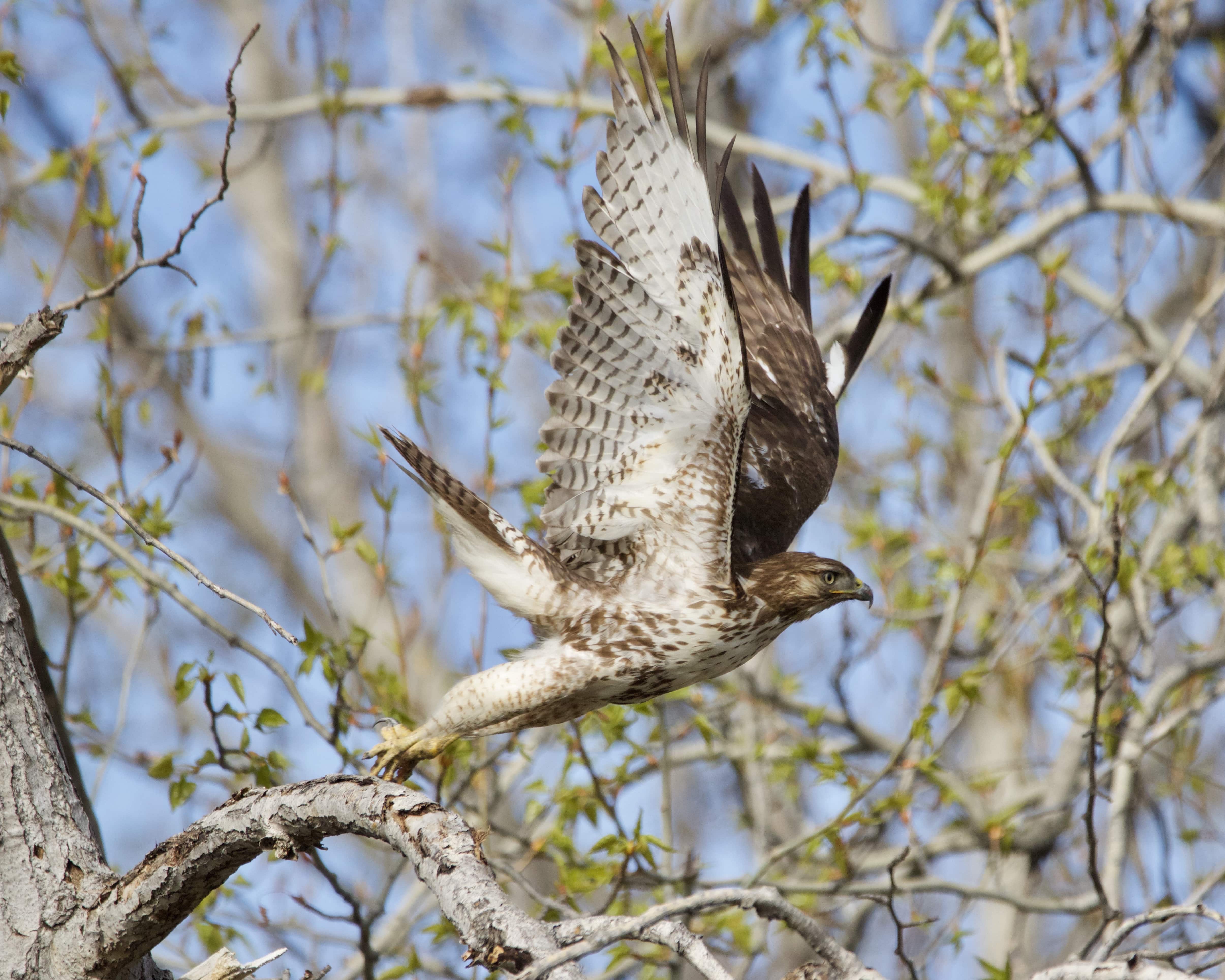
Photo by Susie McAdam

HCTF is pleased to announce a new funding opportunity beginning in the 2026-27 grant year, “Raptors of the Fraser Valley Lowlands.” This opportunity stems from a collaboration between HCTF, the B.C. Ministry of Water, Land and Resource Stewardship, and the Hancock Wildlife Foundation.

HCTF has a long history of investing in projects that restore, conserve, or enhance fish and wildlife populations and habitats, including avian raptor populations at risk. This new fund will support prioritized activities that improve outcomes for raptors (eagles, hawks, falcons, owls, etc.) of the Fraser Valley Lowlands (FVL) of B.C. (Hope to Richmond/Delta). These outcomes include both direct and indirect improvements to populations or habitat for these birds.
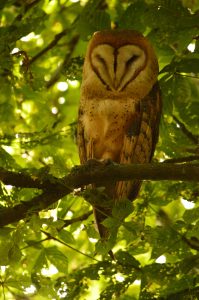
Photo by Laura Thede

The Fraser Valley is recognized as one of the most ecologically significant areas in B.C. for raptor populations. Its unique geography, climate, and historic land use patterns have created ideal conditions for a wide variety of raptor species throughout the year. The habitat mosaic of wetlands, estuaries, riparian corridors, agricultural fields, and forested areas supports foraging, nesting, and roosting for over 20 species of raptors.

Updated October 28, 2025

Priority outcomes for the new fund are to focus on those species and habitats most at risk that represent the unique characteristics of the Fraser Valley Lowlands and prioritize those species that serve as ‘umbrellas’ where their conservation indirectly protects many other species that share their habitat. The three major goals of the fund are:

  • Protect and/or restore lowland grasslands, agricultural areas and wetlands for raptor breeding and/or foraging in the FVL;
  • Improve our understanding of the use and dependence by FVL raptors of remaining lowland grasslands, agricultural areas and wetlands for breeding and foraging to support their protection; and,
  • Establish clear, flexible and realistic raptor breeding and foraging habitat supply objectives for the FVL to drive and inform their protection.

HCTF will consider project proposals aligned with the above priority outcomes along with the following recommendations:

  • The first year of this funding grant should focus on initiating small projects (potentially suitable for HCTF seed grants or small Fish & Wildlife Grants). These projects should include literature reviews and/or data mining to develop a current status of breeding and feeding habitat requirements and condition, pulling together appropriate landcover data for habitat mapping, and assessing gaps in current knowledge and practices.
  • An initial focal species list includes Short-eared Owl, Northern Harrier, Snowy Owl, Barn Owl, and American Kestrel.
  • Findings from these scoping projects will guide multi-year project proposals such as collaborative conservation actions to protect, enhance, and restore lowland grasslands, agricultural areas and wetlands in the Fraser Valley Lowlands; and, where necessary, implementing applied research, habitat modeling, and communication efforts to support direct conservation actions.

The approximate geographic extent of this initiative is represented by the yellow polygon on the image below:

Applicants should use the Word worksheet provided on the HCTF Resources tab to draft the application(s) prior to transferring text (via cut-and-paste) over to the Survey Apply online application form.

Photo by Allan Farrant

Applying for Funding

This funding is currently available under HCTF’s existing Fish & Wildlife granting program, which is now open receive proposals until November 7, 2025, at 4:30pm (PST). To apply under the current intake, review the guidance document and additional information on the Apply tab. If you believe that your project would be a good fit for this funding, please add the acronym “FVL” at the beginning of your project title in your Survey Apply application.

We will provide additional guidance in 2026 if the funding expands to other programs, such as Action Grants or scholarships.

This will be a long-term program with available funding for at least the next 5 years, so applicants are welcome to submit multi-year proposals (note: the maximum duration of a continuing Fish & Wildlife proposal is 3 years). It is estimated that approximately $200,000 will be available each year. There is no minimum or maximum amount that one project can apply for, but the intention is to fund multiple projects per year, so applicants are encouraged to budget accordingly. There is no leveraging (match-funding) requirement, but additional partnership or in-kind funding will be viewed as a strength to an application.

Please direct any project-related inquiries to grants@hctf.ca for further assistance.
Tue, 22 Oct 2024

Guidance for Applicants: Ecological Corridors Funding

Photo By: British Columbia Conservation Foundation
Project 1-664

Additional information for the ecological corridors funding opportunity for the 2025-26 fiscal year.

The Ecological Corridor funding focuses on identifying, planning, developing, and recognizing ecological corridors, and catalyzing action to maintain or restore ecological connectivity and protect Indigenous stewardship values within them. Check the National Priority Areas of Ecological Corridors 1 to 6 in B.C. (seen here: National priority areas for ecological corridors (canada.ca)).

For more background info on the funding, click here.

This funding is available for applications through the Fish & Wildlife proposal intake. Eligibility for applications to utilize the Ecological Corridors funding is assessed through the same criteria as the Fish & Wildlife Grant and is within the same proposal intake and the same timeline.

Specific aspects of the Fish & Wildlife Grant that are also supported by the Ecological Corridor funding include:

  • On-the-ground fish and wildlife habitat restoration and planning projects (including components that create project plans, restoration plans, and associated land use planning);
  • Population assessment and monitoring for fish and wildlife species to inform habitat management or stewardship; and
  • Monitoring, mapping, and/or application of traditional knowledge that will create habitat conservation, restoration, or enhancement.

Objectives must be to directly inform the management, conservation, restoration, or enhancement of fish & wildlife habitat (i.e. preliminary planning objectives on their own will not be eligible).

Ecological Corridor funding will be applied to projects up to January 2026 including preliminary activities. After this date (i.e. projects assessed in January 2027) will continue to apply to the main Fish & Wildlife Grant, including continuing projects.

It is strongly encouraged that applications demonstrate that a project will be secure in the long term and have a durable impact through its legacy.

Proposals are to be submitted through the regular Fish & Wildlife Grant Survey Apply application process. If you believe that your project would be a good fit for this funding, please add the words “Ecological Corridors” at the end of your project title in your Survey Apply application.

The application deadline for Fish & Wildlife Grants is Friday, November 1, 2024, at 4:30pm PDT.

For questions regarding the ecological corridor funding or Fish & Wildlife Grants, please contact HCTF’s Grants Officer Amy Perkins at amy.perkins@hctf.ca or 250-940-3014.

Projects that have already received funding elsewhere through the Nationals Ecological Corridor program or through the BC-Canada Agreement for Ecological Corridor Stewardship may not be eligible.


Fri, 20 Sep 2024

New Funding Available for Ecological Corridors

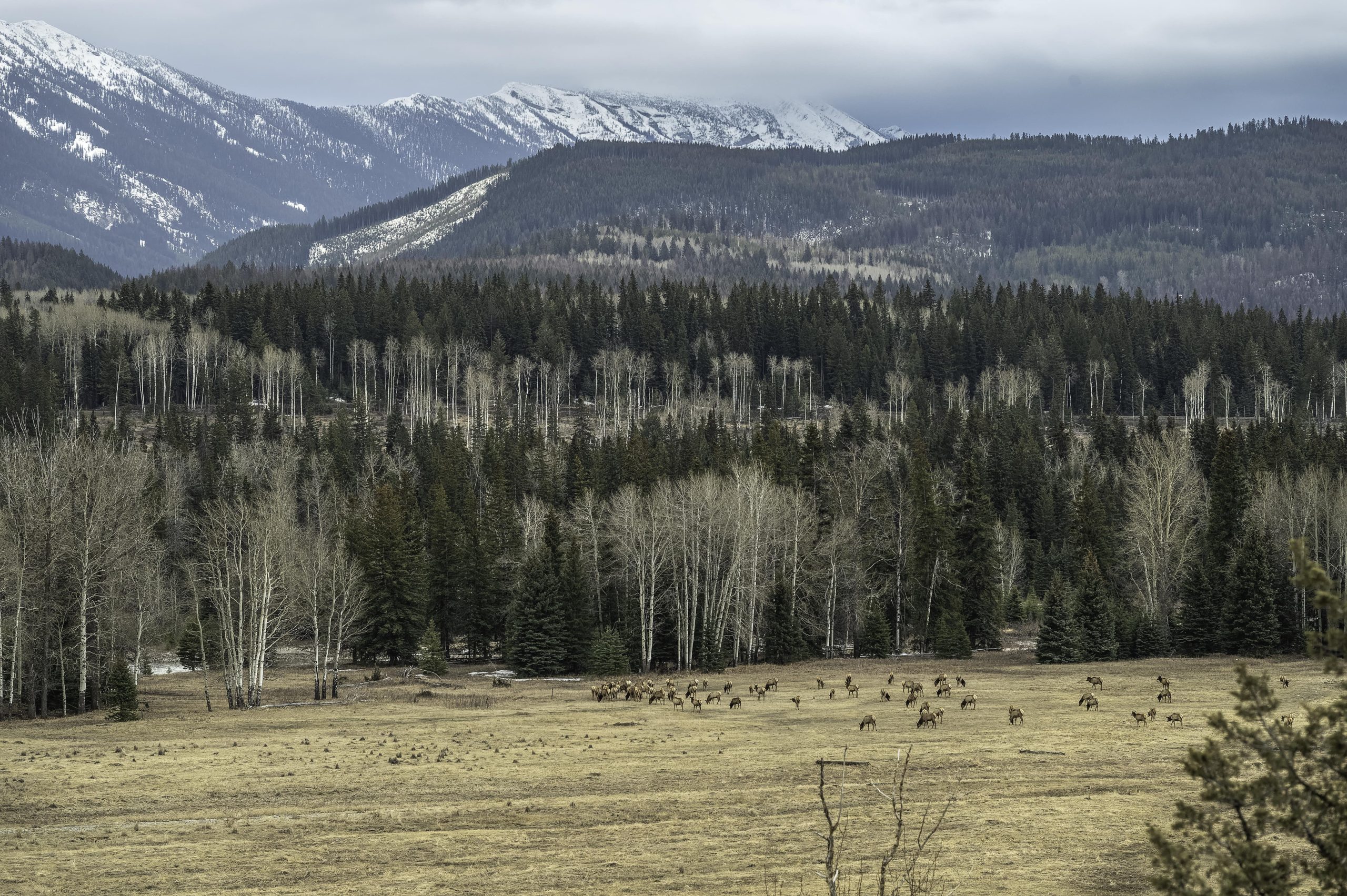
Elk Herd at Big Ranch Conservation Area - photo by Michael Schumacher

In support of the Parks Canada/BC Agreement on the Stewardship of Ecological Corridors in British Columbia program, HCTF is pleased to announce a new funding opportunity for the 2025-26 fiscal year.

This opportunity stems from a collaboration between the Parks Canada National Program for Ecological Corridors and the B.C. Ministry of Water, Land and Resource Stewardship.

The available funding is focused on identifying, planning, developing, and recognizing ecological corridors, and catalyzing action to maintain or restore ecological connectivity and protect Indigenous stewardship values within them. The work is to take place in National Priority Areas of Ecological Corridors 1 to 6 in B.C. (seen here: National priority areas for ecological corridors (canada.ca)). Within these National priority areas, projects will be favored that coincide with areas of Environment Stewardship Initiative Forums, collaborative stewardship forums, strategic planning processes, or similar government-to-government forums.

The funding is targeted for ecological corridor and habitat connectivity stewardship, through support for
1) area-based planning and local action, like habitat restoration and management, and
2) knowledge acquisition, science, and information development, such as monitoring, mapping, and/or application of traditional knowledge. All area-based planning and local action projects must involve leadership by First Nations or other active First Nations engagement. Knowledge acquisition, science and information development projects with participation from First Nations will be favored although this is not a requirement for work focused on collecting, mapping, and/or modelling ecological data.

Quadra Hill seen from Vanilla Leaf – Galiano Conservancy Association

All projects will need to deliver work that will support durable, long-term ecosystem connectivity before January 2026, or to deliver by the same date a product (e.g., a plan or information to be used in a planning process) that is expected to have a durable impact through its legacy. This funding opportunity is not intended to directly support the construction or purchase of major infrastructure (e.g., wildlife highway overpass), but can be used to support partners in these activities through science, planning, or similar work, or through the purchase of smaller equipment and supplies (e.g., signage, fencing, etc.).

Proposals are to be submitted through the regular Fish & Wildlife Grant Survey Apply application process. If you believe that your project would be a good fit for this funding, please add the words “Ecological Corridors” at the end of your project title in your Survey Apply application.

The application deadline for Fish & Wildlife Grants is Friday, November 1, 2024, at 4:30pm PDT.

For questions regarding the ecological corridor funding or Fish & Wildlife Grants, please contact HCTF’s Grants Officer Amy Perkins at amy.perkins@hctf.ca or 250-940-3014.

Projects that have already received funding elsewhere through the Nationals Ecological Corridor program or through the BC-Canada Agreement for Ecological Corridor Stewardship may not be eligible.

Mon, 16 Sep 2024

Restoring Black Cottonwood Forests of the Kettle River

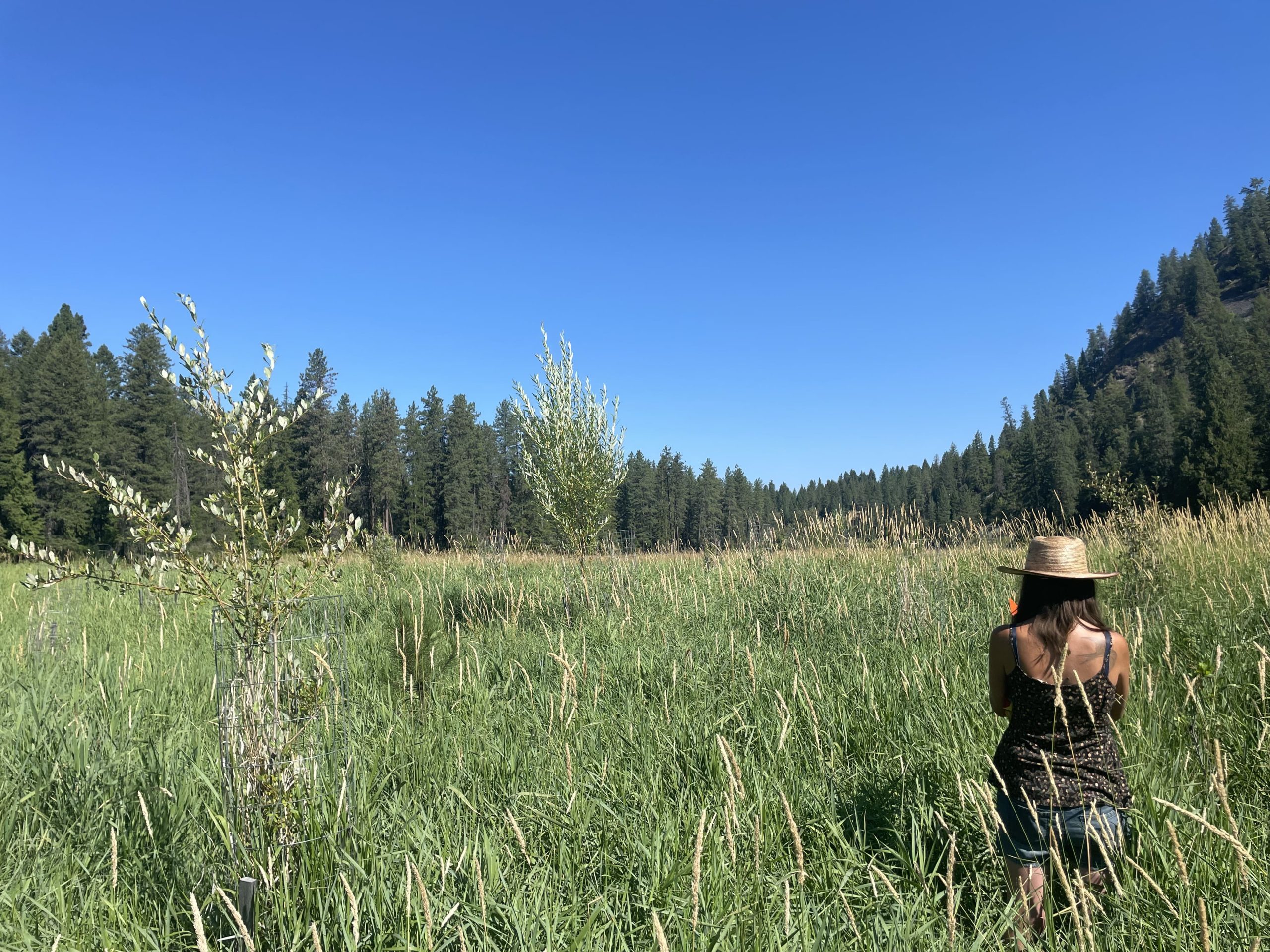
3-year-old cottonwoods growing amongst highly competitive reed canary grass - Barb Stewart

HCTF is proud to commit over $1.3 million in funding for wildlife conservation and conservation stewardship projects in the Kootenay Boundary region this year.

Among this year’s projects in the region is a multi-year project working to conserve the rare black cottonwood forests of the Kettle River. The riparian ecosystems (which help connect land to water and provide fish habitat in B.C.) are home to several species at risk and The Granby Wilderness Society has undertaken restoration work for several years to improve habitat. This year the Society is increasing its stewardship efforts by working with landowners to identify habitat concerns and assist with additional restoration efforts: “The biggest project successes are meeting landowners that have healthy riparian areas and are good stewards. Private lands play such an important role in conservation,” said project leader Jenny Coleshill.

A site planted with rooted stock on the Kettle River north of Rock Creek – Barb Stewart

The project is being supported by the HCTF and the Forest Enhancement Society of BC (FESBC) with $30,480 in co-funding this year.

”HCTF and FESBC believe in the power of a partnership; just like the Granby Wilderness Society, local governments, and landowners who are working together to enhance riparian areas along the river,” said Dan Buffett, CEO of HCTF. “Establishing healthy riparian black cottonwood stands along the Kettle River supports our rivers as they are dynamic systems shifting between flood and drought states. A healthy riparian zone lessens flooding and drought impacts, improves water quality, and supports a more diverse and abundant population of aquatic and terrestrial species along with their habitats.”

Other HCTF-funded projects taking place in the Kootenays include:

  • $130,500 for a River Guardian program in eight Kootenay region watersheds to maintain or improve angling quality and protect our native freshwater fish populations.
  • $83,830 to enhance 112 hectares of elk winter range in the Upper Kicking Horse Canyon through thinning of immature forest to promote forage growth and allow ease of elk movement.
  • $70,150 to restore habitat on approximately 105 km of roads within the Columbia North herd of the Southern Mountain Caribou ecotype.
  • $38,222 for improving the basking log habitat for the blue-listed (Indigenous species which are vulnerable to the region) Western Painted Turtle on Erie Lake.
  • $50,000 for the 2024 Wetlands Institute in the East Kootenays, a seven-day workshop that provides practitioners with the tools and knowledge to initiate wetland stewardship projects.

2023 Wetlands Institute Restoration Design – Jamie Long

Mon, 9 Sep 2024
Tags: F&W / News / Wildlife

Owl Habitat Suitability in Post-Fire Forests

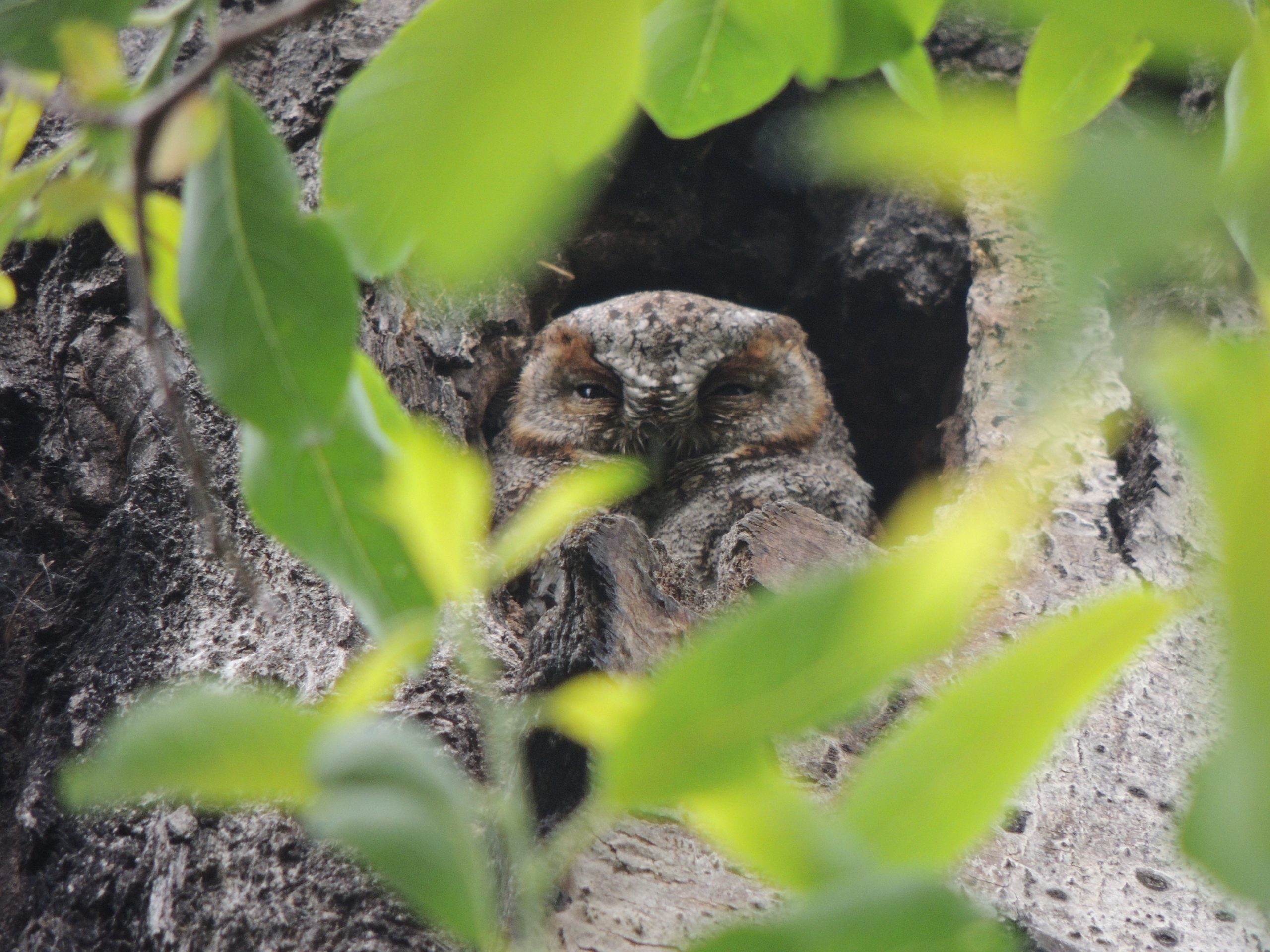
An owl spotted during the study - photo by Marcus Cosentino

HCTF is proud to support 178 fish and wildlife conservation and conservation stewardship projects across B.C. this year, with more than $1.5M in funding allocated to projects in the Thompson Okanagan region.

Among this year’s projects in the region is a two-year study of how wildfires of different ages affect the distribution of owls in the Okanagan Valley. “Owls help regulate prey populations and are culturally significant to local Indigenous communities. They are threatened by wildfire, which removes forest features needed for breeding and hunting,” says project leader Karen Hodges of the University of British Columbia Okanagan. MSc student Steffani Singh is surveying which owl species are present in post-fire forests and determining where owl nests are and what the owls are eating in these burned landscapes. The project will thus inform the management about what features of burned forests are essential for owls, leading to better habitat conservation. The project is being supported by the HCTF and the Forest Enhancement Society of BC (FESBC), with $66,401 in funding this year.

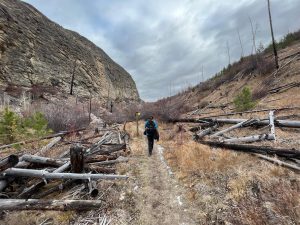
View of an area post-wildfire – photo by Nikita Karitsky

Dan Buffett, CEO of HCTF, said, “Over the last seven years, FESBC contributed over $4.5M to HCTF to fund wildlife projects in our forests. Our partnership enables project leaders such as UBCO to assess the impact of wildfires on wildlife and develop guidance on how to better manage forests for wildlife. Projects such as Dr. Hodge’s work on owls, along with many other wildlife projects, will continue to fill our knowledge gaps to improve habitat for wildlife.”

Learn more: listen to an interview with project lead Steffani Singh here.

Other HCTF-funded projects taking place in Thompson Okanagan include:

  • $22,730 to measure how changes in Douglas-fir forests affect mule deer habitat and how to better support the mule deer population in the Bald Mountain range west of Summerland (co-funded by FESBC).
  • $295,500 to rebuild the Mission Creek Spawning Channel intake, ensuring spawning migration access and higher survival rates for juvenile kokanee.
  • $62,750 to restore habitat on approximately 23 km of roads within the Caribou North and Groundhog caribou herds’ range.
  • $93,615 to install a resistivity counter in the Upper Shuswap River to monitor Bull trout migration and provide spawning and movement patterns.
  • $24,906 to build capacity for and understanding of environmental and wildlife initiatives in the Nlaka’pamux Homeland.
Tue, 19 Sep 2023

Additional Funding Available for Marbled Murrelet and Northern Goshawk Projects

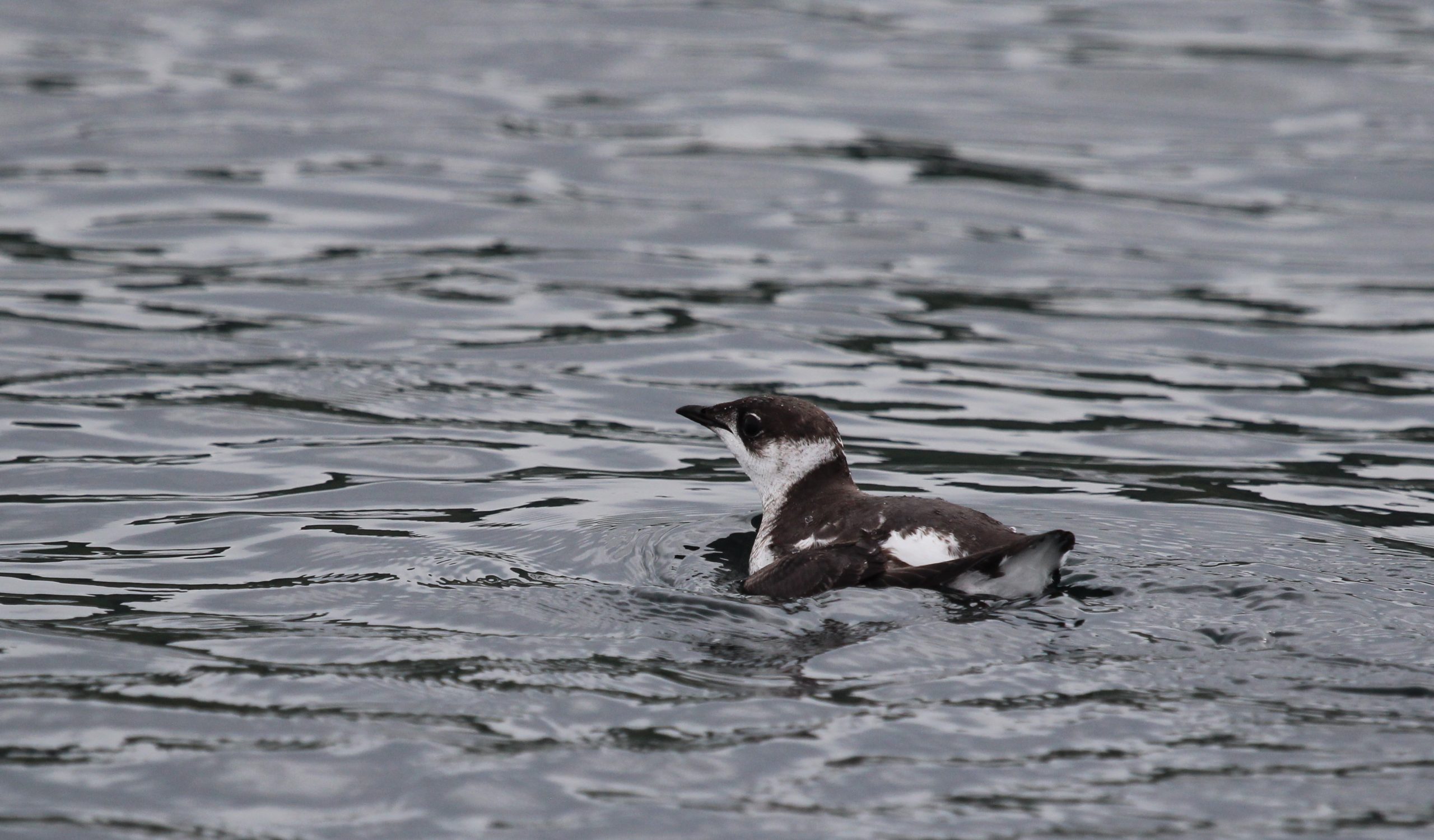
Marbled Murrelet near south Vancouver Island. Photo by Jenna Cragg.

Ongoing efforts to help two threatened birds in B.C. will get a lift this year. The Province of B.C. has dedicated $257,000 towards projects that support the Northern Goshawk, laingi subspecies (“NOGO”) and the Marbled Murrelet (“MAMU”), to be administered by HCTF.

Proposals are to be submitted through the regular Fish & Wildlife (formerly Enhancement & Restoration) Grant SurveyApply application process. They will then be evaluated according to their alignment with either the NOGO or MAMU Implementation Plans and their respective Implementation Actions – see Actions and Performance Measures tables:

Marbled Murrelet Implementation Plan
Northern Goshawk Implementation Plan

The application deadline for Fish & Wildlife Grants is Friday, November 3, 2023, at 4:30pm PDT.

For questions regarding the NOGO/MAMU funding or Fish & Wildlife Grants, please contact HCTF’s Grants Officer Amy Perkins at amy.perkins@hctf.ca or 250-940-3014.

Adult male goshawk captured in the Squamish area. Photo by Melanie Wilson.