Tue, 16 Apr 2024

Announcing $7.5M for Conservation in B.C.

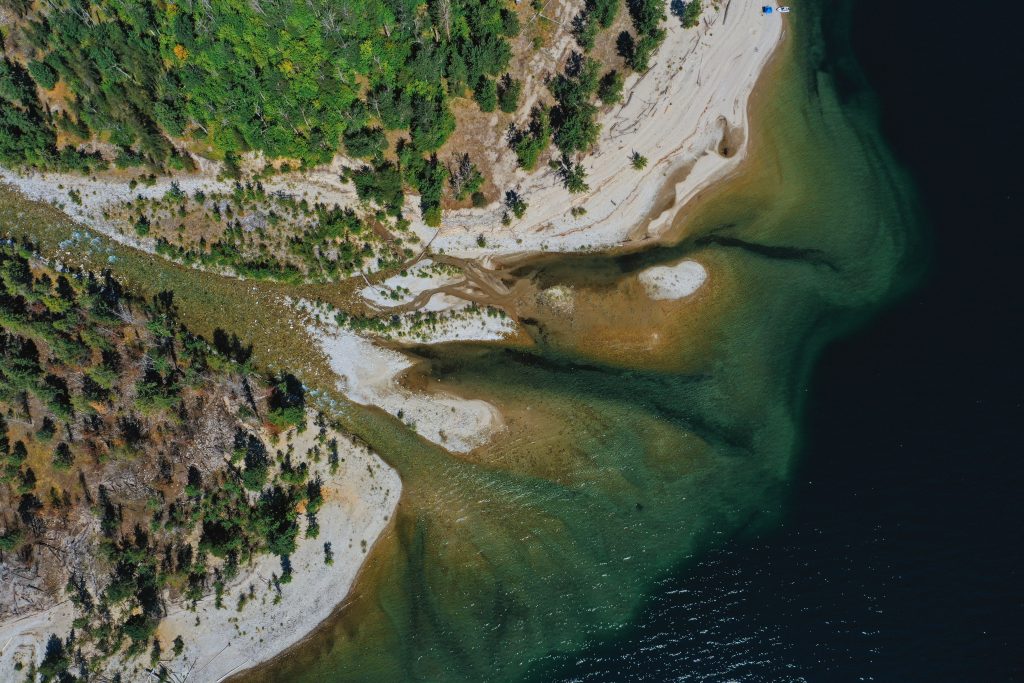
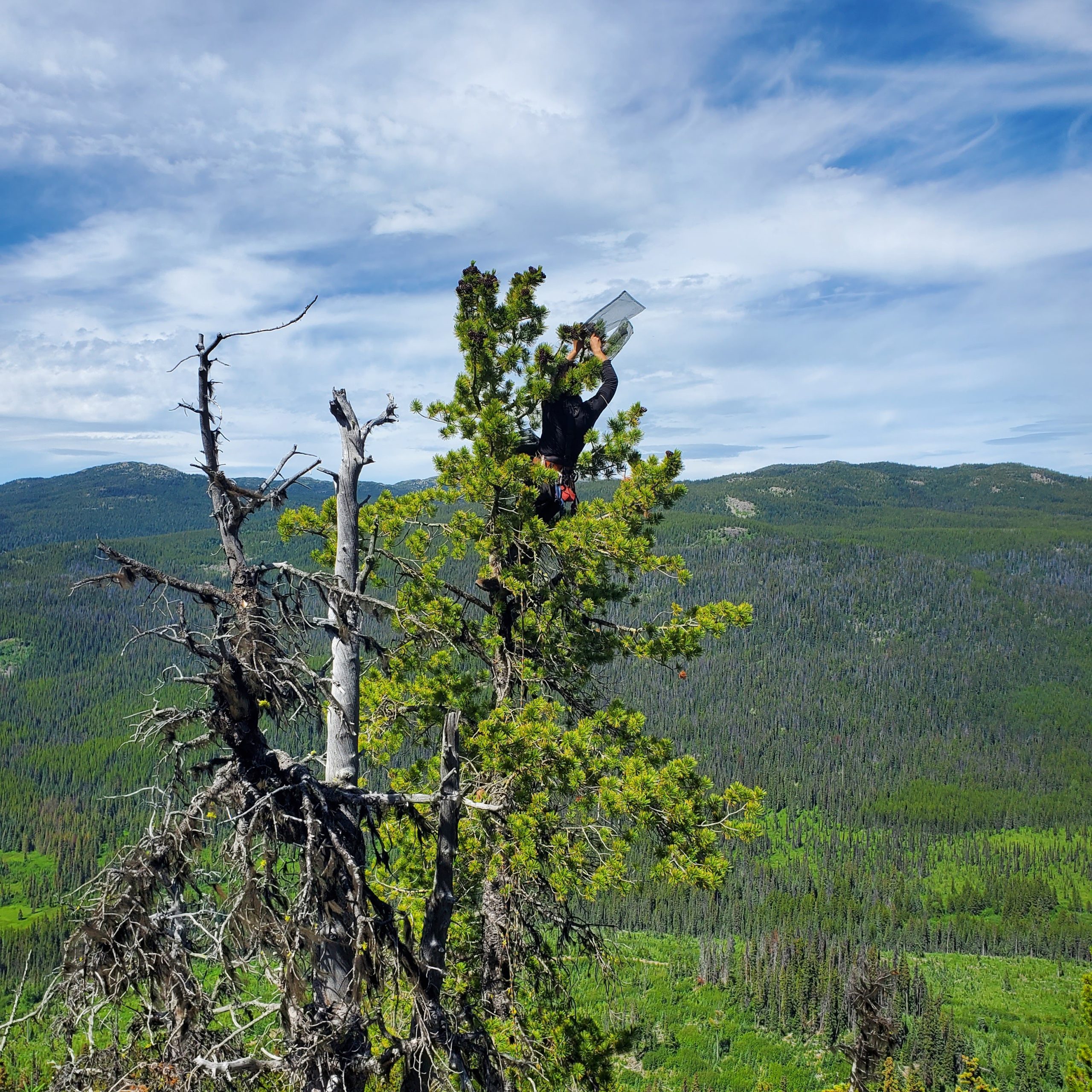
6-227 Restoring Whitebark Pine Ecosystems to Enhance Subalpine Bear Habitat - Smoke Mountain cone collection

The Habitat Conservation Trust Foundation is proud to release the 2024-25 approved project list.

Over $7.5 million in funding has been awarded to 123 projects that will benefit fish, wildlife, and their habitats across B.C.

Included in the list are the approved projects under the Fish & Wildlife Grant, Caribou Habitat Restoration Fund, and Quality Waters program, as well as the provincially-led Conservation Lands and Fisheries O&M programs.
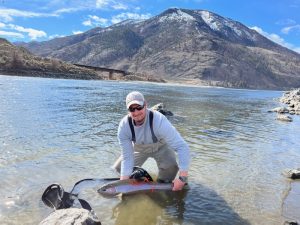
3-251: Interior Fraser Wild Steelhead Conservation – Steelhead tagging for spawning population estimate in the Nicola watershed.

Projects include:

  • $91,500 to restore the wetland habitat at a former sawmill site in the heart of the salmonid migratory corridor for the watersheds of two major rivers in Comox Valley
  • $152,001 to capture and tag juvenile White Sturgeon in the Fraser River to improve understanding of distribution abundance, recruitment trends, and growth rates
  • $45,890 to analyze data on small mammal and vegetation communities in Thompson-Nicola grasslands to better manage BC’s threatened grassland ecosystems
  • $83,380 to enhance 112 hectares of elk winter range in Upper Kicking Horse Canyon
  • $47,700 to implement recommendations from the Middle and Upper Fraser Bull Trout Management Plan to support sustainable angling and long-term stock conservation
  • $37,909 to understand habitat use, movement ecology, and survival of Tawéi (Tlingit word for thinhorn sheep) near Atlin to support sustainable stewardship of the species
  • $183,906 for functional and ecological restoration techniques to add an additional 2,358 hectares to intact areas of habitat within the Klinse-Za caribou herd range
  • $30,480 for the restoration of riparian black cottonwood forests in the Kettle River watershed
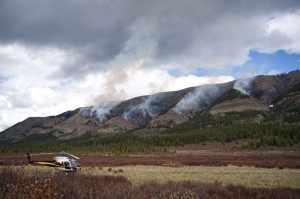
7-540: Prescribed Burns for Wild Sheep Enhancement in Northeastern BC – Implementation of prescribed burn for Stone’s sheep habitat.

To see the list of HCTF-funded projects for 2024-25, click here (PDF download).

Please note that this list does not include Action, Capacity, or Community Grants, for which notifications will go out in the summer. Invasive Mussel Monitoring Grant applicants will be notified in May.

Update May 10th, 2024: The Approved Project List now includes 2024-25 Invasive Mussel Monitoring Grants, Highland Valley Enhancement Fund projects, and funding towards the Invasive Mussel Defense Program. There are now a total of 136 projects and over $7.9M in funding.
Wed, 10 Jan 2024

Announcing the 2023 HCTF Photo Contest Winners

The results are in for the 2023 HCTF Photo Contest!

This year the contest returned to 3 categories: Wildlife or Freshwater Fish, Landscapes, and Conservation Lands. We received photos from all across our beautiful province, showcasing a broad range of species and habitats. Thank you to everyone who submitted a photo, and congratulations to our winners!

Category: Karen Wipond Award (Conservation Lands)

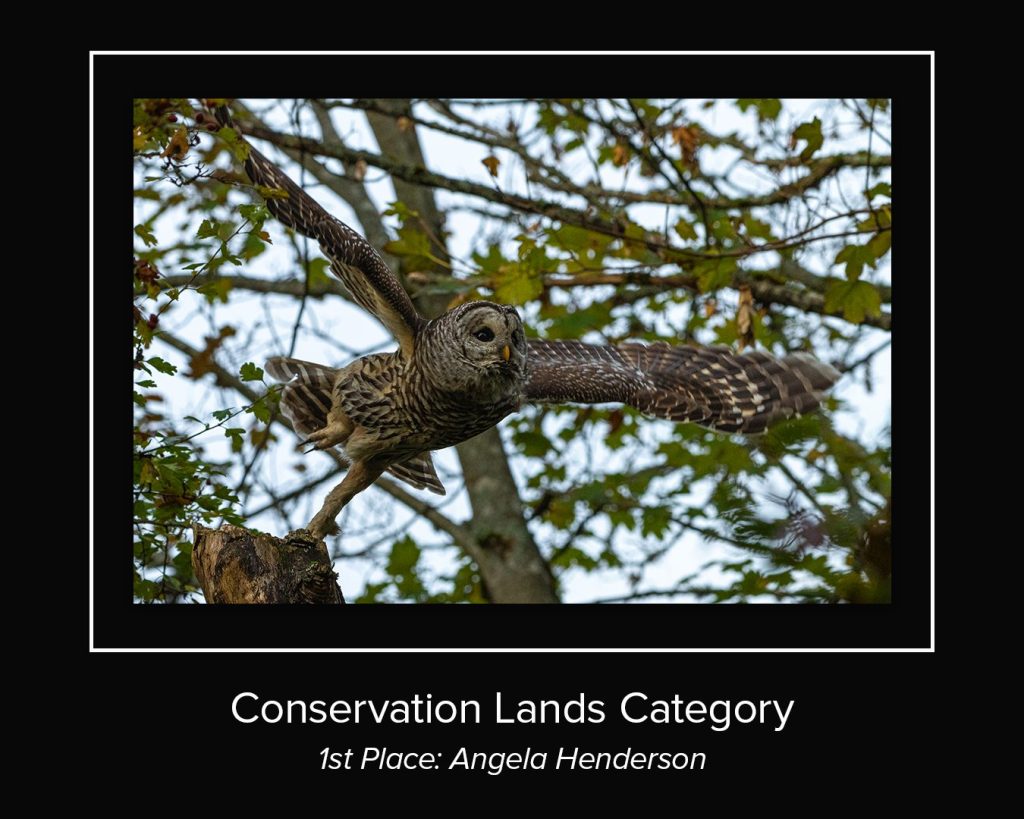
Angela captured this barred owl taking off in Buttertubs Marsh, a reclaimed urban wetland conservation land near Nanaimo BC. Barred owls often pose a threat to other owl species, and are considered invasive.
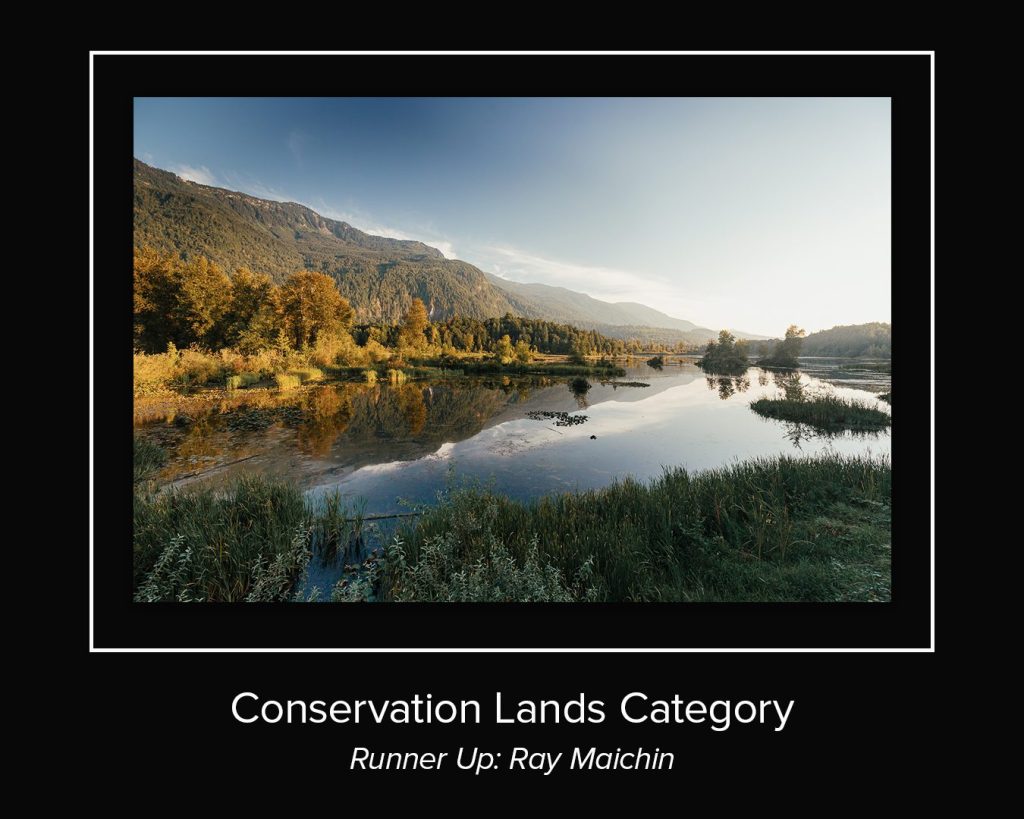
Ray took this beautiful image at Cheam Lake – Popkum, a 56 hectare biodiversity hotspot east of Chilliwack.

  • More info on Conservation Lands

    Photographs for the Conservation Lands (Karen Wipond Award) category must have been taken within the boundaries of a provincially administered Conservation Lands area in the province of British Columbia (see map below). While we encourage photographers and all nature-minded individuals to explore BC’s Conservation Lands we recommend that you research the Conservation Land you intend to visit beforehand, obey all safety requirements, public access best practices, and ethical guidelines when taking pictures of wildlife (for recommended ethical wildlife photography see the Audubon Society’s Guide). Conservation Lands are protected and managed for the purposes of conserving important habitat and ecosystem functions, and it is important that visitors do their part to maintain these sites for generations to come.

    Conservation Lands Map


Category: Wildlife or Freshwater Fish

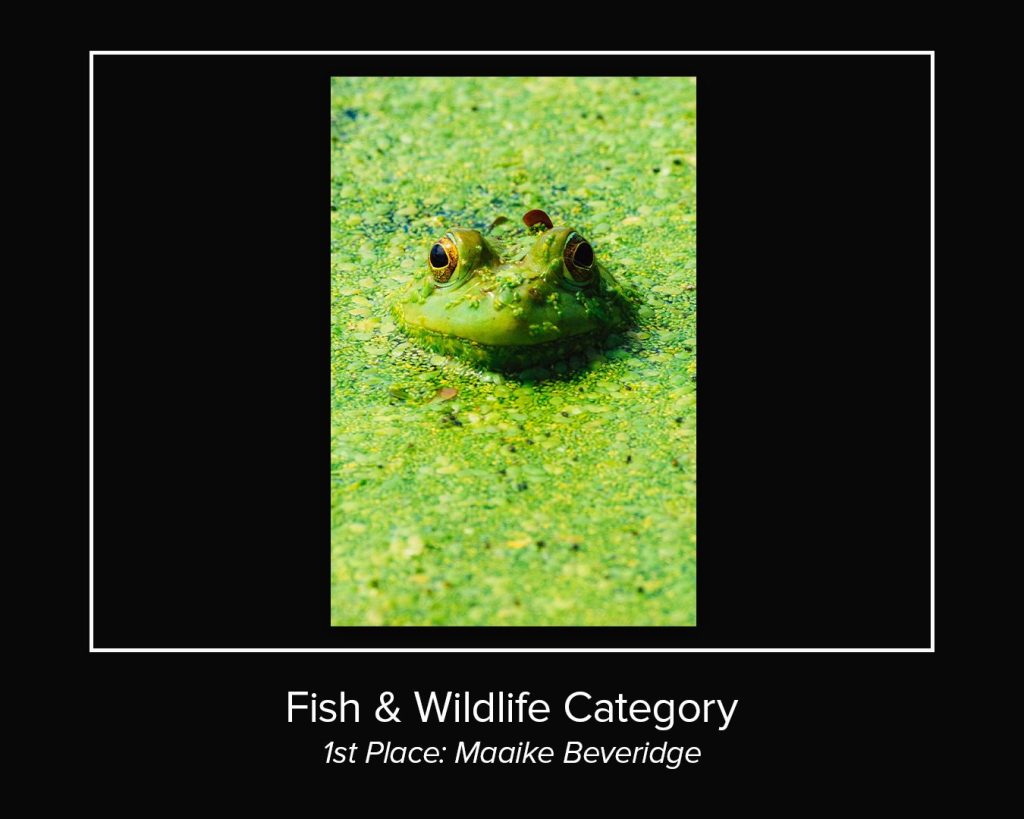
This captivating photo also highlights invasive species awareness. While a seemingly cute creature, this green frog is not native to the location where it was spotted near Victoria. For more info on invasive species of BC, visit bcinvasives.ca. Report sightings of invasive species via the Report Invasive Species app or online at gov.bc.ca/industry/report-an-invasive-species.
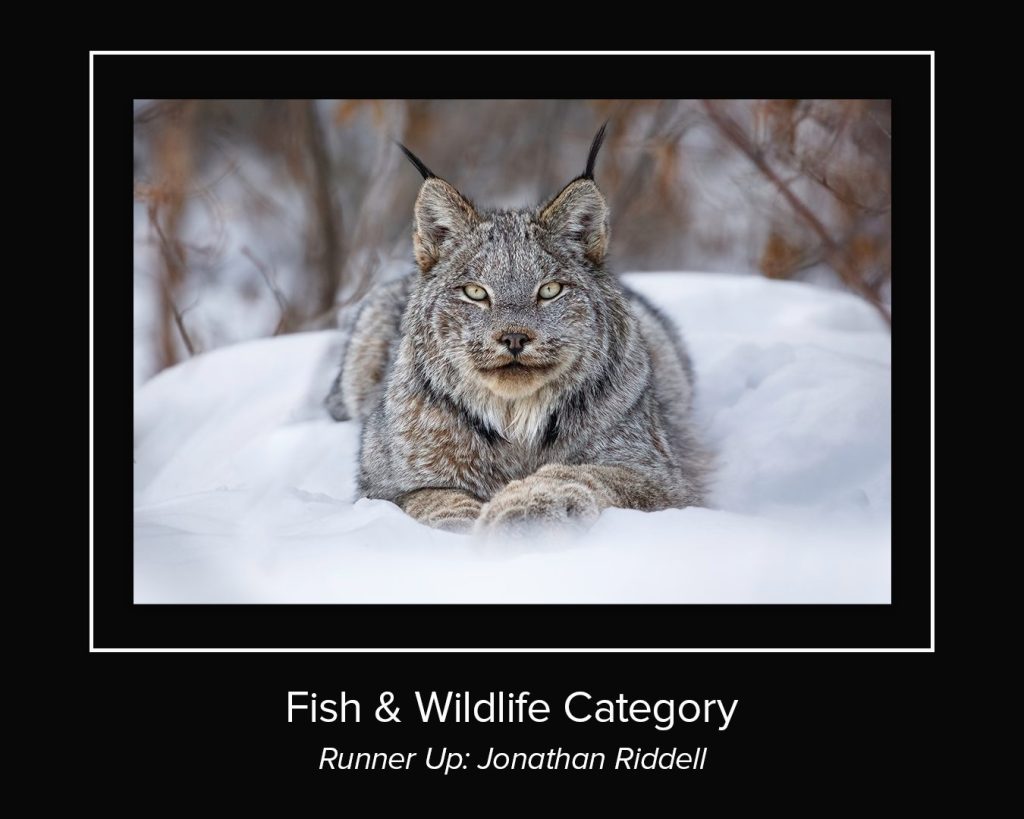
Jon snapped this beautiful lynx photo in the Taiga Plains eco-region of northeast BC, near Fort Nelson.
Category: Landscape

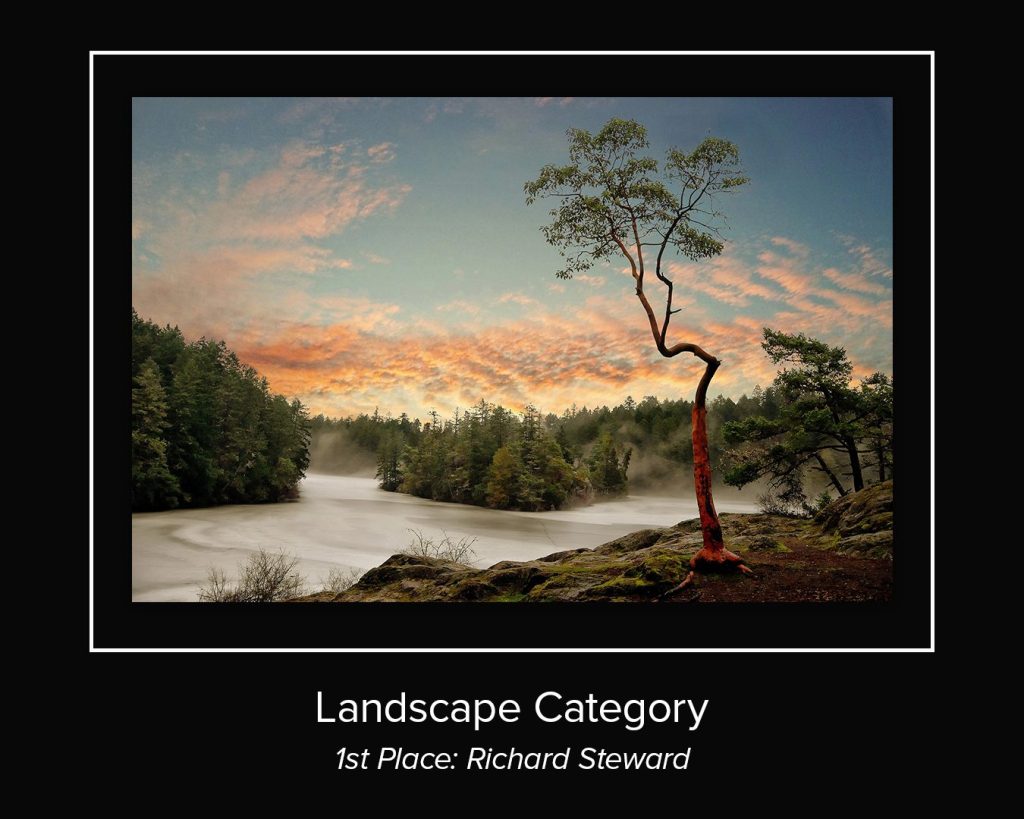
Richard’s incredible photo was taken in upper Thetis Lake, near View Royal BC. A brief cold snap formed a thin layer of flat ice on the lake which provided a beautiful background for a lone arbutus.

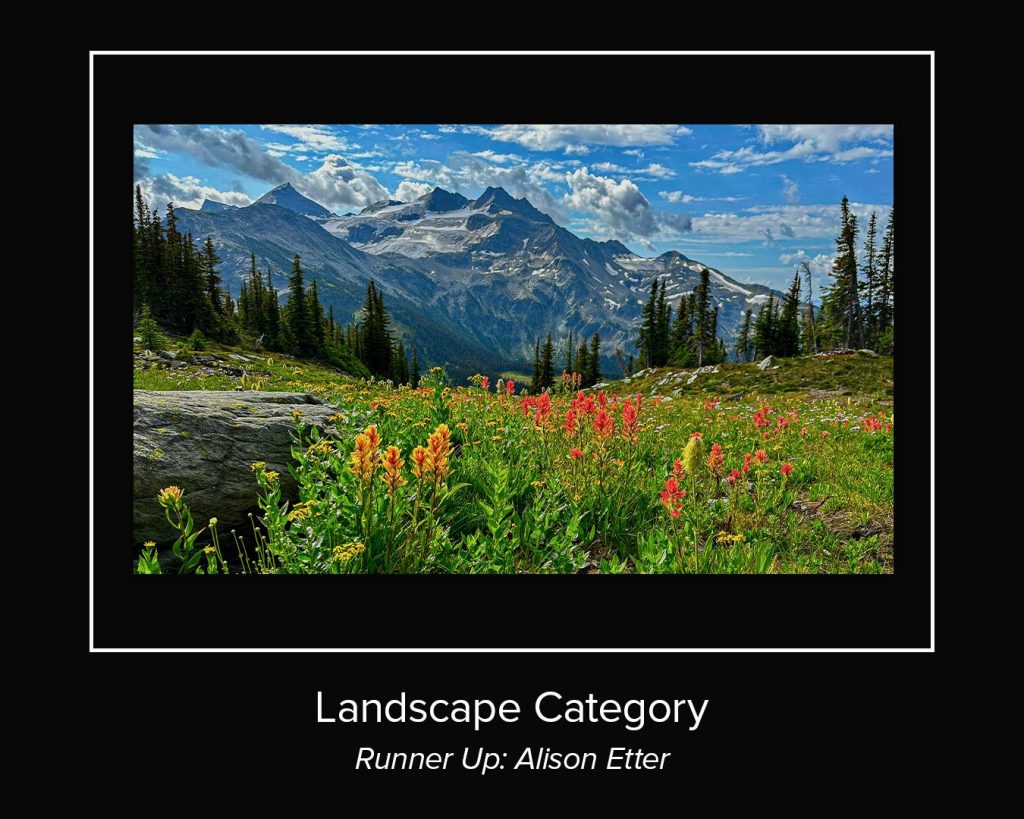
Alison’s beautiful photo, taken in the Silent Pass area near Golden, has the Spillimacheen Glacier in the background and red paintbrush and Arnica blooms in the foreground.
Tue, 9 Jan 2024

Collaborative Conservation on Galiano Island

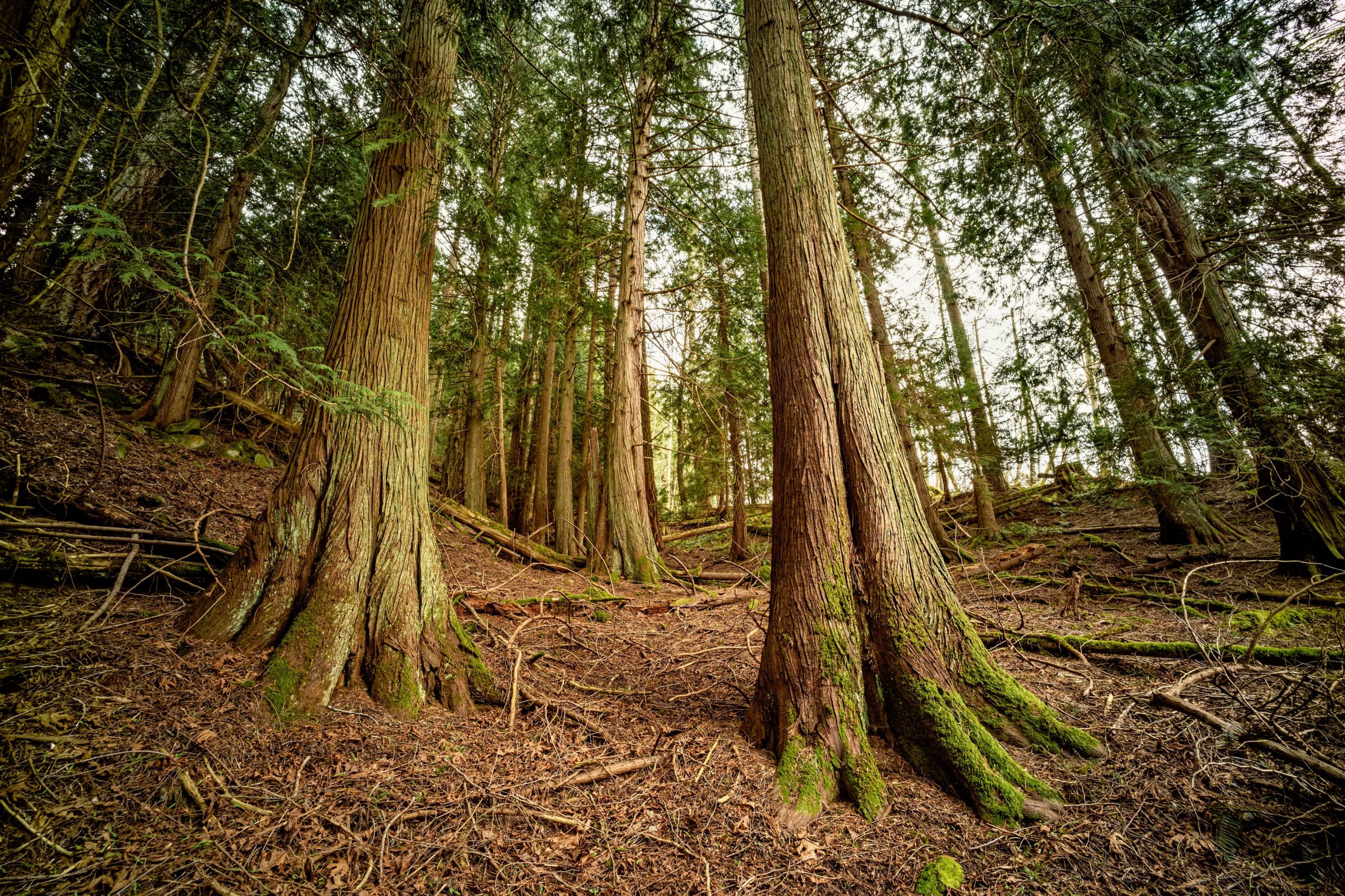
Quadra Hill Cedar Grove - Photo by Galiano Conservancy Association

Saving Rare Habitats on Galiano Island – Two Major Wins for Environmental Conservation

The Galiano Conservancy Association (GCA), an environmental charity founded in 1989 as one of BC’s first community-based land trusts, works to protect, steward and restore Galiano Island ecosystems by creating a network of natural areas where a healthy environment, learning and a love of nature flourish. The recent protection of Quadra Hill, an ecologically significant property on Galiano Island, marks a milestone in the region’s conservation efforts. Key partnerships developed over several years were vital in completing this acquisition.

Quadra Hill: Bridging Protected Areas for Enhanced Biodiversity
Quadra Hill is a 47-ha parcel of coastal Douglas-fir forest long identified as a ‘missing piece’ in the corridor of protected habitats connecting Trincomali Channel to Georgia Strait on Galiano Island known as the Mid-Island Protected Areas Network . The ecologically diverse property was listed for sale by a motivated seller in late 2021, and has been owned for the past two years by the Aqueduct Foundation, one of the largest grantmakers in Canada, which agreed to step in as an interim owner at the GCA’s request, in order to provide temporary protection until adequate funds could be raised to purchase the land for conservation purposes. This project was undertaken with the financial support of the Government of Canada through the federal Department of Environment and Climate Change, and an initial opportunity grant from the Islands Trust Conservancy. Generous contributions from Sitka Foundation, the Habitat Conservation Trust Foundation and private donors enabled GCA to complete this important land acquisition.

The ecological value of Quadra Hill is hard to overstate. It is home to rare and varied ecosystems, is part of the upper catchment area for the Great Beaver Swamp Nature Reserve and is important for groundwater recharge. Because it is surrounded by existing conservation areas and a common-property forest, the protection of Quadra Hill enhances habitat connectivity and supports a diversity of plant and animal communities across three watersheds.

The Quadra Hill property also plays an important role in climate action, storing an estimated 40,000 tons of carbon dioxide equivalents, and is expected to sequester an additional 8,000 tons over the next 30 years.

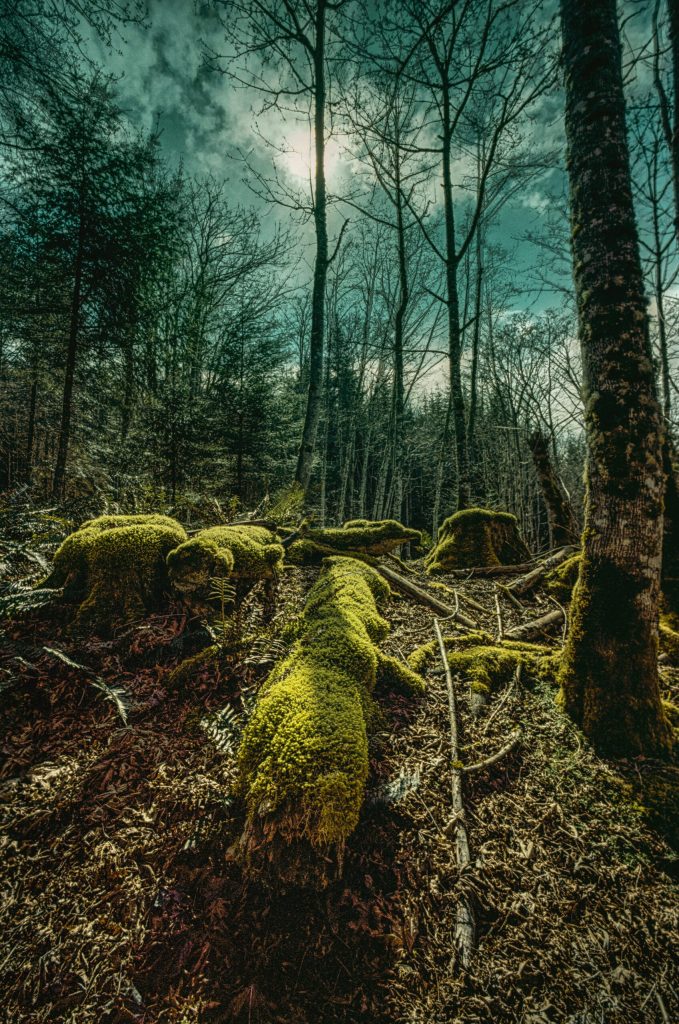
Quadra Hill in the Spring – Photo by James LaBountry

Mt Sutil Extension: Preserving Imperiled Garry Oak Ecosystems
The GCA also recently partnered with the BC Parks Foundation (BCPF), Sitka Foundation and an anonymous donor to protect 4.2 ha of coastal Douglas-fir forest and sensitive Garry Oak bluff habitat neighbouring the existing Mt. Sutil Nature Sanctuary (GCA’s first land acquisition). Garry oak and associated ecosystems are home to over 100 provincially-listed species at risk. The remote and relatively undisturbed meadows and bluffs of Mount Sutil have been identified as a priority site for conserving these rare habitats, and are a testament to the ecological richness of Galiano Island.

A New Chapter in Island Conservation
These two landmark acquisitions enhance biodiversity, increase habitat connectivity, support climate action, and protect several provincially-listed species at risk. They also mark a first in GCA history, as the valuable partnerships involved allowed the GCA to protect these lands without a public fundraising campaign, highlighting the power of collaborative conservation.

As we celebrate the protection of Quadra Hill and the Mount Sutil Extension, the GCA recognizes and respects the enduring relationship Penelakut, Hwlitsum, Tsawwassen, Lelum Sar Augh Ta Naogh and other Coast Salish peoples have to these lands as part of their traditional territories. As stewards of these new conservation areas, the Galiano Conservancy is committed to honouring and learning from the rich cultural heritage and ecological wisdom of the First Nations whose ancestral connections to these lands continue to this day.

About the Galiano Conservancy Association
The Galiano Conservancy Association is committed to preserving the ecological balance and unique natural heritage of BC’s Southern Gulf Islands. This is accomplished through environmental education, land stewardship, ecological restoration, biodiversity monitoring & conservation, and demonstrating sustainable living practices within the Galiano community and beyond.

For more information, please contact:
info@galianoconservancy.ca
Phone: 250-539-2424

Thu, 4 Jan 2024
Tags: News

Double the Impact

Photo by Habitat Acquisition Trust

Every year HCTF invests millions into fish and wildlife projects to advance conservation in BC. However, that’s not the only way our funds are having an impact.

In 2018, HCTF began a process to transition all the funds we had invested in financial markets into Responsible Investing portfolios. Responsible Investing is a practice to incorporate environmental, social and governance (ESG) factors into investment decisions.

HCTF currently has over $35 million invested in Responsible Investing portfolios. This includes a number of endowments, as well as funds from short- and medium-term programs where cash is not needed by proponents (project partners) in the current year. HCTF invests these funds in order to obtain a higher return than bank account interest, so more money can go to fish and wildlife projects.

Photo by Amanda Irvine

While funds are invested, they are working to achieve several goals set out by HCTF; these include efforts to reduce carbon emissions and assist in the transition to a low carbon economy. Upon the initial transition to Responsible Investing, HCTF set a goal to achieve carbon intensity that was consistently lower than the benchmark, with a target of 70% below benchmark by the end of year 3. We are proud to report that we have achieved this goal and will continue to maintain or exceed this target. HCTF recognizes that climate change is one of the leading threats to fish, wildlife and their habitats in BC. Designing our financial portfolios to address this threat aligns with our efforts to mitigate climate change through the enhancement and restoration projects we approve each year.

HCTF also utilizes a number of screens to help us select which companies to invest in. We actively screen out companies that are having negative impacts on the environment or biodiversity. Beginning in 2023, another screen was added which factors in companies’ relationships with Indigenous communities; those companies that have known conflicts with Indigenous communities are screened out. HCTF is taking steps to advance reconciliation however we can, including integrating this value across our business decisions.

Photo by Chu Cho Environmental LLP

In addition to screening out companies which may be doing harm, we actively screen in companies who are having a positive impact. This is commonly referred to as Impact Investing. A minimum of 10% of our portfolios are classified as Impact investments, with a target of 20%.

We are doing all of this while still achieving financial returns that exceed benchmarks, ensuring there is sufficient income generated to fund our conservation programs. Through this strategy, funds that are invested in financial markets and funds invested in on-the-ground conservation work are both having a positive impact on fish, wildlife, and their habitats in BC.

For more details regarding HCTF Responsible Investment practices, visit our website at https://hctf.ca/about/responsible-investing-initiative/


Wed, 4 Oct 2023

Project Profile & Lessons Learned: Goldway Road Restoration

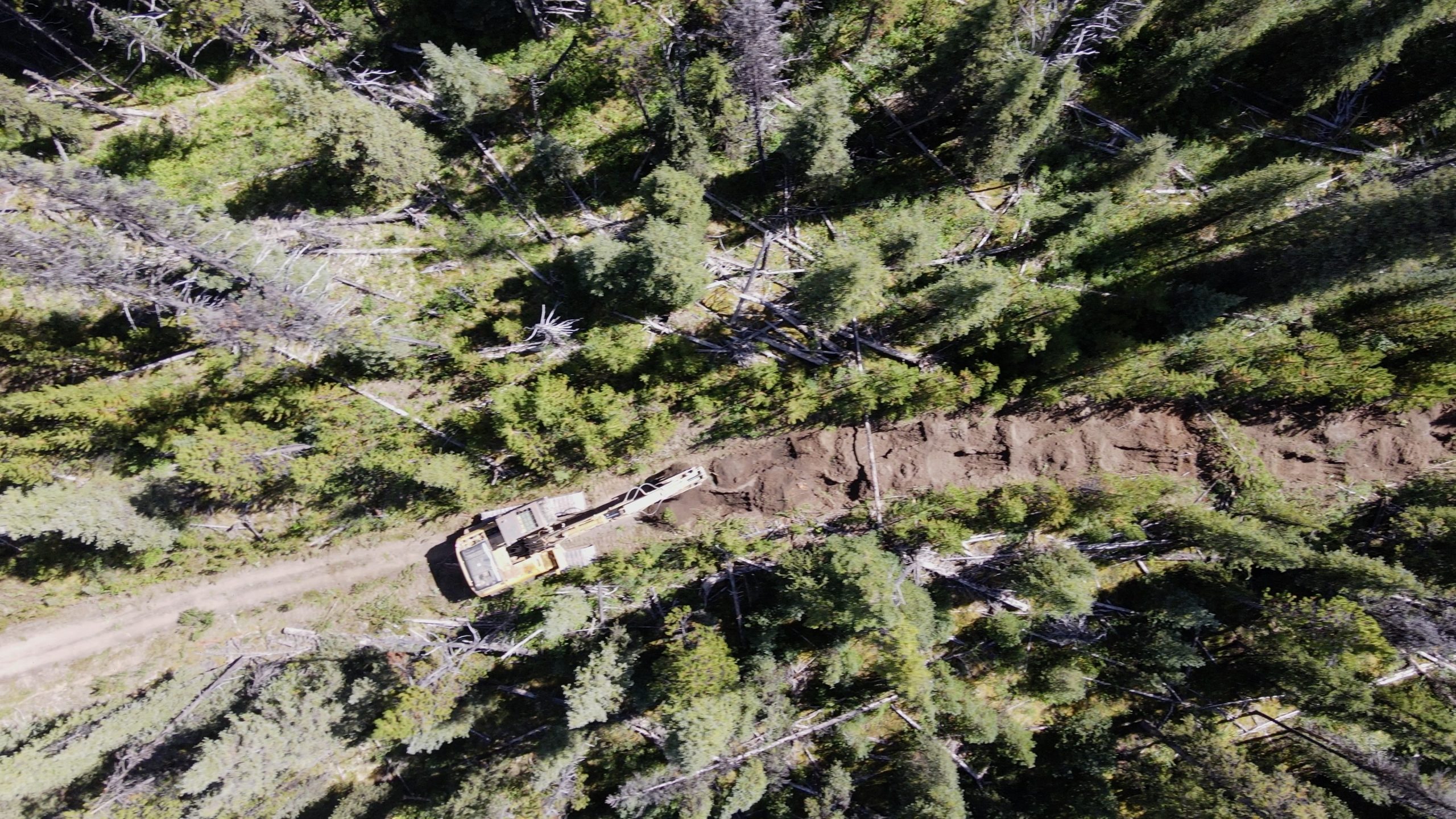
Goldway Road Restoration - Chu Cho Environmental LLP

In 2018 Chu Cho Environmental identified several candidate roadways for restoration within the Chase caribou herd range with input from forest licensees, caribou biologists, and Tsay Keh Dene Nation. In total, Chu Cho Environmental and Tsay Keh Dene Nation have now completed restoration work on 3 roads within the Chase caribou herd boundary since 2019. Collectively, these projects have been a part of the larger Chase Caribou Road Restoration Program (CCRRP), with the Goldway road being the most recent restoration project.

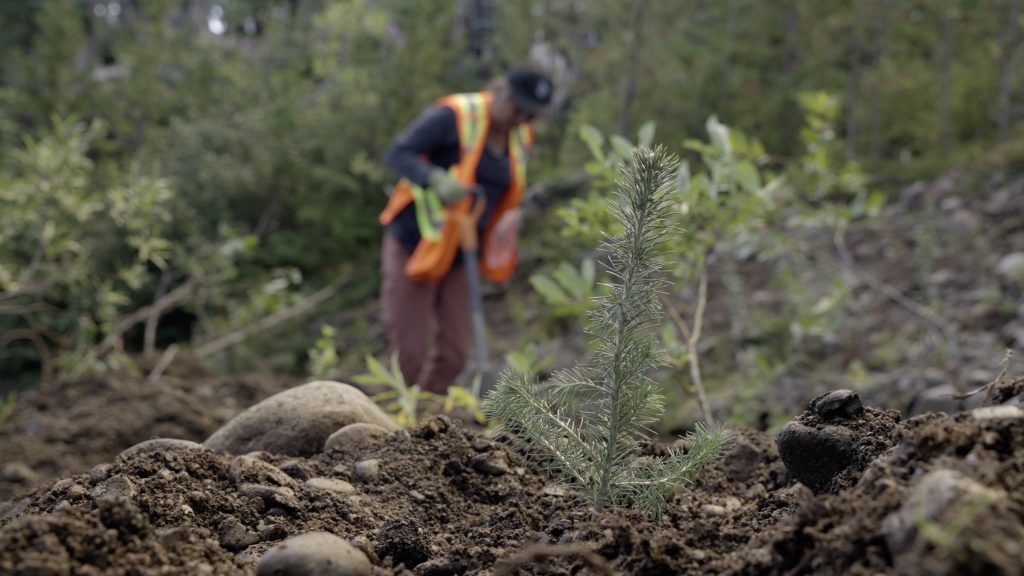
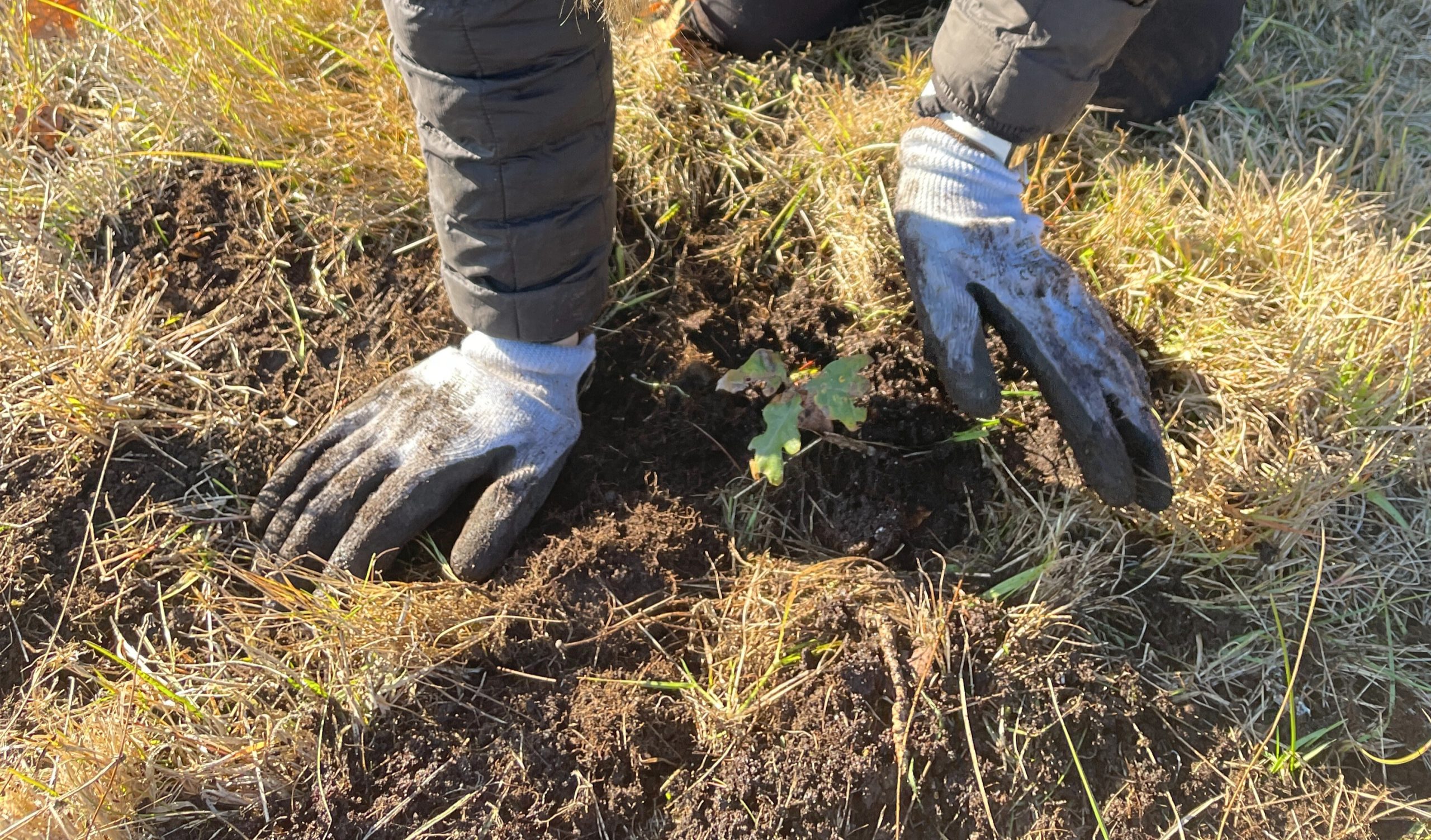
Planted Seedling – Chu Cho Environmental LLP

Sean Rapai of Chu Cho Environmental shares the challenges and lessons learned on this project including those around permitting, post-treatment monitoring and longer-term considerations.

Permitting: The historical presence of anadromous salmon in Johanson Creek, combined with the presence of bull trout and steelhead trout impacted the window for fording Johanson Creek with an excavator. It was necessary to submit an application to Fisheries and Oceans Canada (DFO) with the proposed plan and timing window of the work. The Letter of Advice was eventually secured which indicated work could proceed as planned. Best practices were outlined as well as recommendations for the fording process. This proved challenging, but the project did receive approval from DFO.

Monitoring: Ecological restoration treatments could take five or more years to begin to show results. With monitoring, we are attempting to answer a long-term set of questions and return to the site in the years immediately following restoration. Monitoring can be very costly as assessing control treatments is often restricted to the use of a helicopter. Chu Cho Environmental investigated the feasibility of using remotely piloted aircrafts (drones) as a more cost-effective method of monitoring restored areas in the short-term. This method was explored for monitoring remote roadways and restored areas.

Drone-based monitoring: Based on recommendations from 2021, Chu Cho Environmental deployed drone-based remote-sensing surveys to monitor vegetation using derived NDVI indices. Data was collected to a resolution of 1 m2 and can be paired with future surveys to track vegetation establishment and growth along large stretches of the road. While the use of a drone as a monitoring tool in this restoration program is in the preliminary stages, the ease of data collection and results suggest this is a viable means of evaluating vegetation indices on pre and post restoration roadways.

Stability of ecological restoration treatments: Year one monitoring of the ecological restoration techniques used in the project showed strong persistence of these treatments. The rough-and-loose soil contouring was stable, intact, and holding water, and planted seedlings had a high survival rate.

Recontouring inhibits human access: Areas recontoured with the rough-and-loose treatment had the least evidence of use by humans, including those on horseback. Aggressive recontouring of roads at strategic locations may be considered a viable tool to discourage trail usage and eliminate all-terrain vehicle use.

Snow alters access by motorized vehicles: Snowmobile use of the road was observed when the snow had accumulated above restoration efforts (i.e., above height of felled trees and mounds). While the effect of such anthropogenic use has yet to be studied here, considerations may be required for future restoration efforts or access management restrictions on snowmobile use.

Functional restoration: Felled trees were intact, and it was observed that larger diameter trees felled from steep cut banks created better movement barriers. Conversely, smaller diameter trees felled for functional restoration did not provide as good of a visual and physical barrier and is suggested that when small diameter trees are the only available source, they are felled in stacks. High survival of planted seedlings, following mechanical site preparation, suggests that tree planting is likely to provide visual screening over the long term, and may represent a more effective long term means of functionally restoring these roadways.

The Goldway road lies within the range of the Chase caribou (Rangifer tarandus caribou) herd, which is considered by the federal government of Canada to be part of the Northern group of the Southern Mountain population of Woodland caribou. This herd is listed as threatened on Schedule 1 of the Species At Risk Act (SARA).

Tue, 19 Sep 2023

Additional Funding Available for Marbled Murrelet and Northern Goshawk Projects

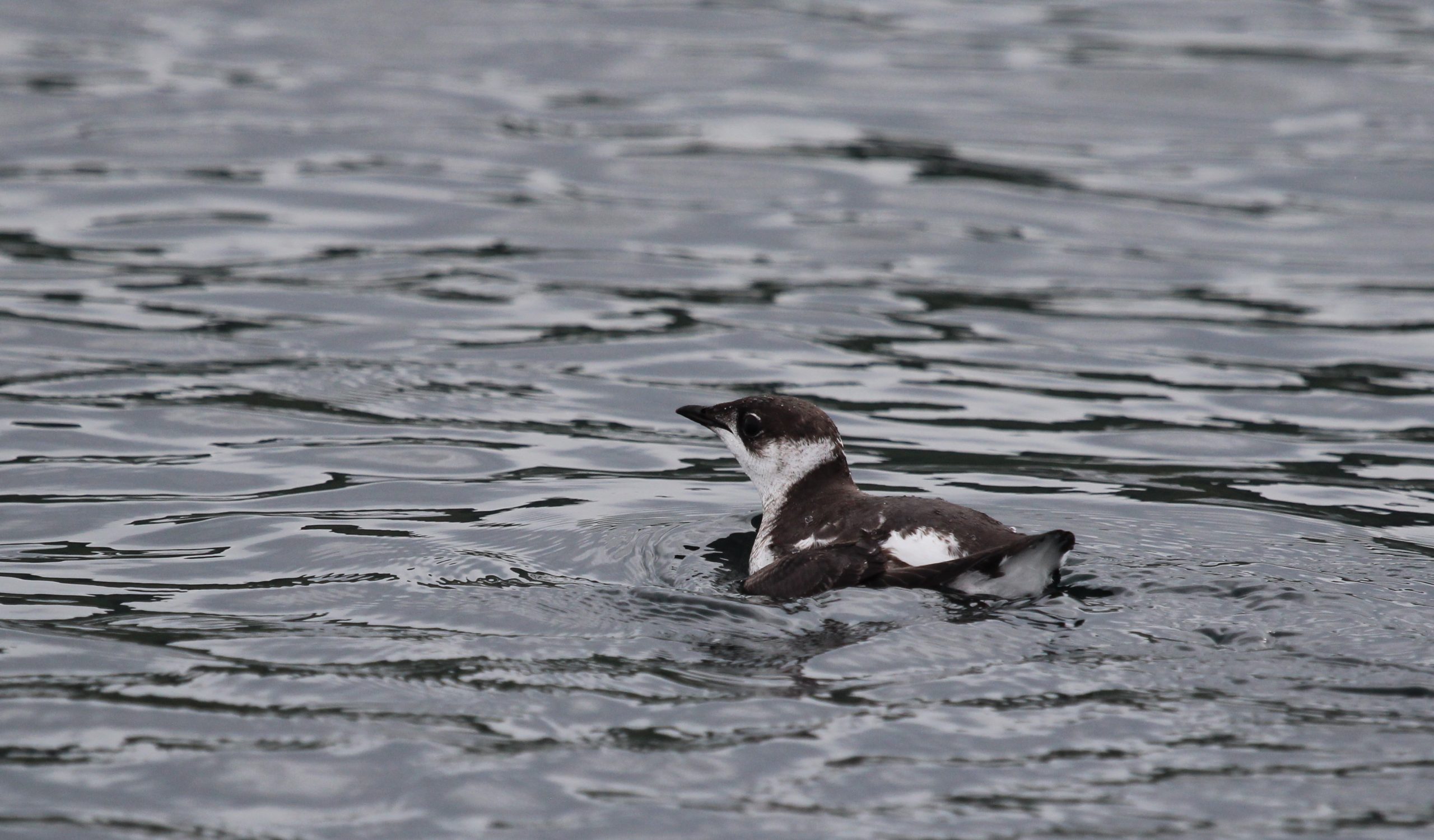
Marbled Murrelet near south Vancouver Island. Photo by Jenna Cragg.

Ongoing efforts to help two threatened birds in B.C. will get a lift this year. The Province of B.C. has dedicated $257,000 towards projects that support the Northern Goshawk, laingi subspecies (“NOGO”) and the Marbled Murrelet (“MAMU”), to be administered by HCTF.

Proposals are to be submitted through the regular Fish & Wildlife (formerly Enhancement & Restoration) Grant SurveyApply application process. They will then be evaluated according to their alignment with either the NOGO or MAMU Implementation Plans and their respective Implementation Actions – see Actions and Performance Measures tables:

Marbled Murrelet Implementation Plan
Northern Goshawk Implementation Plan

The application deadline for Fish & Wildlife Grants is Friday, November 3, 2023, at 4:30pm PDT.

For questions regarding the NOGO/MAMU funding or Fish & Wildlife Grants, please contact HCTF’s Grants Officer Amy Perkins at amy.perkins@hctf.ca or 250-940-3014.

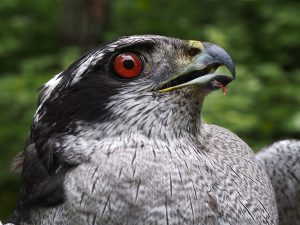
Adult male goshawk captured in the Squamish area. Photo by Melanie Wilson.