
Sat, 13 Jun 2026

$783k for Conservation Stewardship Projects

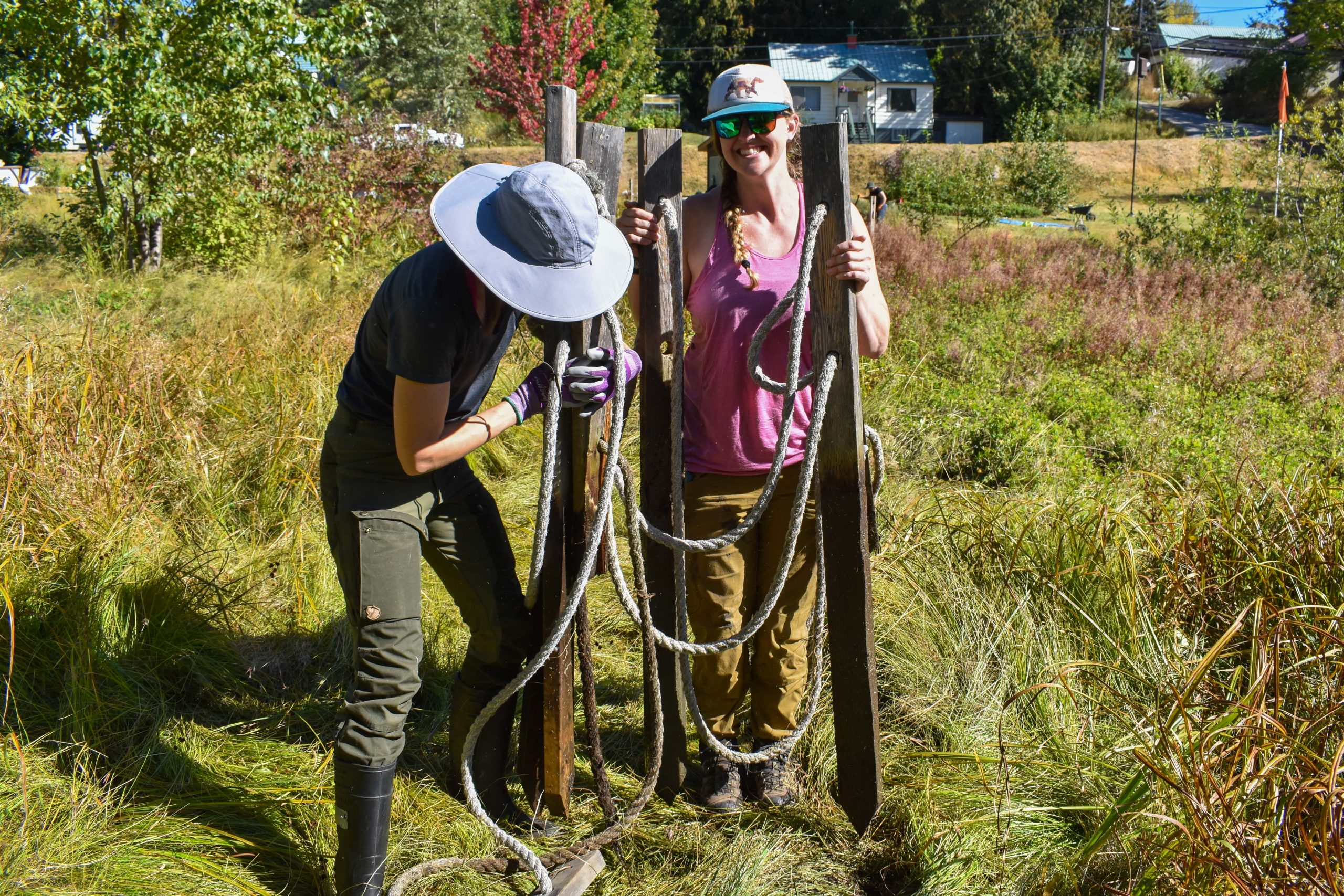
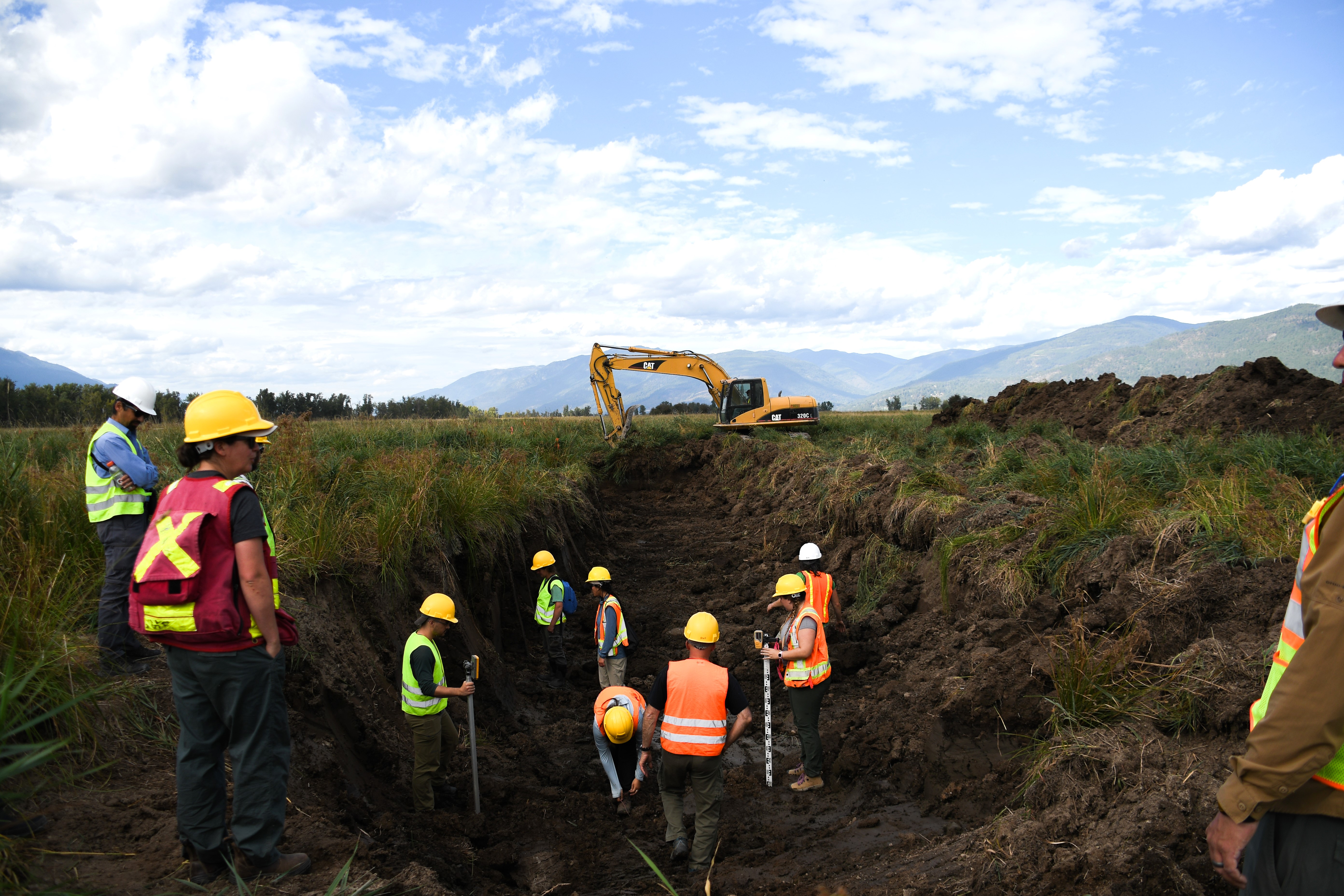
Learning to measure elevation for wetland pools at Yaqan Nukiy - Photo by Jamie Long, BC Wildlife Federation

HCTF is proud to announce $783k in funding for 45 conservation stewardship projects throughout B.C.

The projects are under HCTF’s Action, Capacity, and Community Grant programs.

2026 HCTF Project List

Action Grants, which have a two-year term, support projects that result in measurable changes in the behaviours or practices of a defined audience, creating solutions that mitigate, prevent, or reduce human-caused impacts on fish, wildlife, and habitat.

Six Action Grant projects were approved this year, including:

  • $48,467 for BC Conservation Foundation to work with ALR landowners such as farmers, ranchers, orchardists, and vineyardists in Creston, Grand Forks, and Oliver to protect and support bats by promoting simple, practical bat-friendly practices on agricultural land.
  • $50,000 for Fraser Basin Council and Fraser Valley Watersheds Coalition to engage farmers on adopting conservation-based riparian management practices that will help mitigate flood risk while improving habitat and water quality in streams in or near their property.

Capacity Grants, also with two-year terms, support activities that build skills, foster collaboration, and advance planning to enhance future conservation outcomes.

Sixteen Capacity Grants were approved this year, including:

  • $25,000 for the Taku River Tlingit First Nation to lead a capacity-building project, training youth and staff to document alpine ice patch and glacier recession and assess implications for caribou habitat in the Taku watershed.
  • $25,000 for Wei Wai Kum First Nation to pilot a freshwater monitoring and feasibility project designed to build Guardian program capacity and inform future habitat restoration planning within the Loughborough Inlet.
  • $25,000 for B.C. Wildlife Federation to build capacity for community conservation and restoration through hands-on training and engagement events tied to a wetland enhancement project at East Wellington Park in Nanaimo.
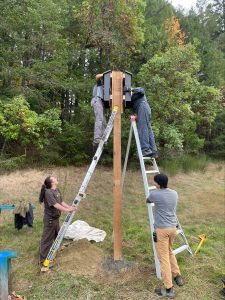
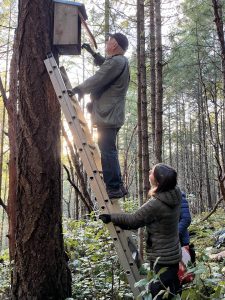
Community Bat Program and volunteers installing double 4-chambered bat boxes – photo by Habitat Acquisition Trust

Community Grants have up to five years to complete and involve as many volunteers as possible to implement on-the-ground conservation work, with a particular focus on hands-on, community-based, and public awareness initiatives.

Twenty-three Community Grants were approved this year, including:

  • $4,500 for another year of restoring a wetland Garry oak ecosystem in Vanier Park, led by Comox Valley Nature (learn more here).
  • $1,080 for the Arrow Lake Environmental Stewardship Society to improve common loon nesting success at Arrow Park, where fluctuating water levels have repeatedly flooded or exposed shoreline nests, by building floating nest rafts.
  • $4,940 for A Rocha Canada to build a demonstration pollinator garden at the Buck Creek Hatchery and Nature Centre to provide visitors with an example of what they could do in their home or school yard to provide habitat for pollinators.
  • $4,280 for Stanley Park Ecology to mobilize community volunteers to monitor freshwater health at Lost Lagoon and Beaver Lake, building a long-term ecological baseline to guide habitat conservation.

See the list of all 2026 HCTF-funded stewardship projects here (PDF download) or see the projects near you on our Project Map.
 

Thu, 3 Jul 2025

$560k for Conservation Stewardship Projects

Habitat Restoration in the Garnet Valley - photo by Okanagan Similkameen Stewardship

HCTF recently approved over $560k in funding for 41 conservation stewardship projects throughout B.C.

Projects under HCTF’s Action, Capacity, and Community Grant programs are included in the funding.

Action Grants, which have a two-year term, support projects that directly involve people and communities to change behaviours and/or practices leading to positive and measurable conservation outcomes.

Action Grant projects this year include:
• $32,000 to promote sustainable land stewardship on Anarchist Mountain that supports wildlife habitat, reduces human-wildlife conflict, and integrates FireSmart strategies with caring for wildlife habitat.
• $16,000 to assist residents and managers of six mobile home parks near wildlife corridors in the Prince George area with waste management updates to reduce human-bear conflicts.
• $30,000 to provide landowners in the Craigflower Creek watershed headwaters with the knowledge, resources, and incentives to become habitat stewards on their property for the long-term health and protection of the land, waters, and wildlife.

Western Screech Owl Nest Box Cleaning – photo by Habitat Acquisition Trust

Capacity Grants also have a two-year term and provide funding to build and strengthen the capability and capacity of organizations to design and deliver conservation or restoration projects successfully.

Capacity Grant projects this year include:
• $17,880 to ensure Guardians of Skwlāx te Secwepemcúl̓ecw can apply traditional ecological knowledge, cultural protocols, and the Secwépemc language to contemporary environmental stewardship practices.
• $25,000 for the BC Bee Atlas Capacity Building Project to respond to pollinator declines by training community scientists in bee survey and identification techniques.
• $25,000 to develop a comprehensive Wildlife Population and Land Use Plan that aligns with the Nak’azdli Whut’en Land Stewardship Plan, enhancing wildlife and habitat protections across 25,820 km² of traditional territory

Community Grants have up to five years to complete and involve as many volunteers as possible to implement on-the-ground conservation work, with a particular focus on hands-on, community-based, and public awareness initiatives.

Community Grant projects this year include:
• $3,904 to restore an endangered wetland Garry oak ecosystem in Vanier Nature Park in the Comox Valley.
• $7,085 for restoration of native amphibian habitat in Everett Crowley Park through invasive removal, native replanting, and amphibian habitat surveys.
• $7,200 to address habitat loss for Chunih Cho (fishers) by designing and deploying artificial den boxes in heavily fragmented forests.

See the list of all 2025 HCTF-funded stewardship projects here (PDF download) or on our Project Map.

Tue, 9 Jul 2024

$650k for Conservation Stewardship Grants

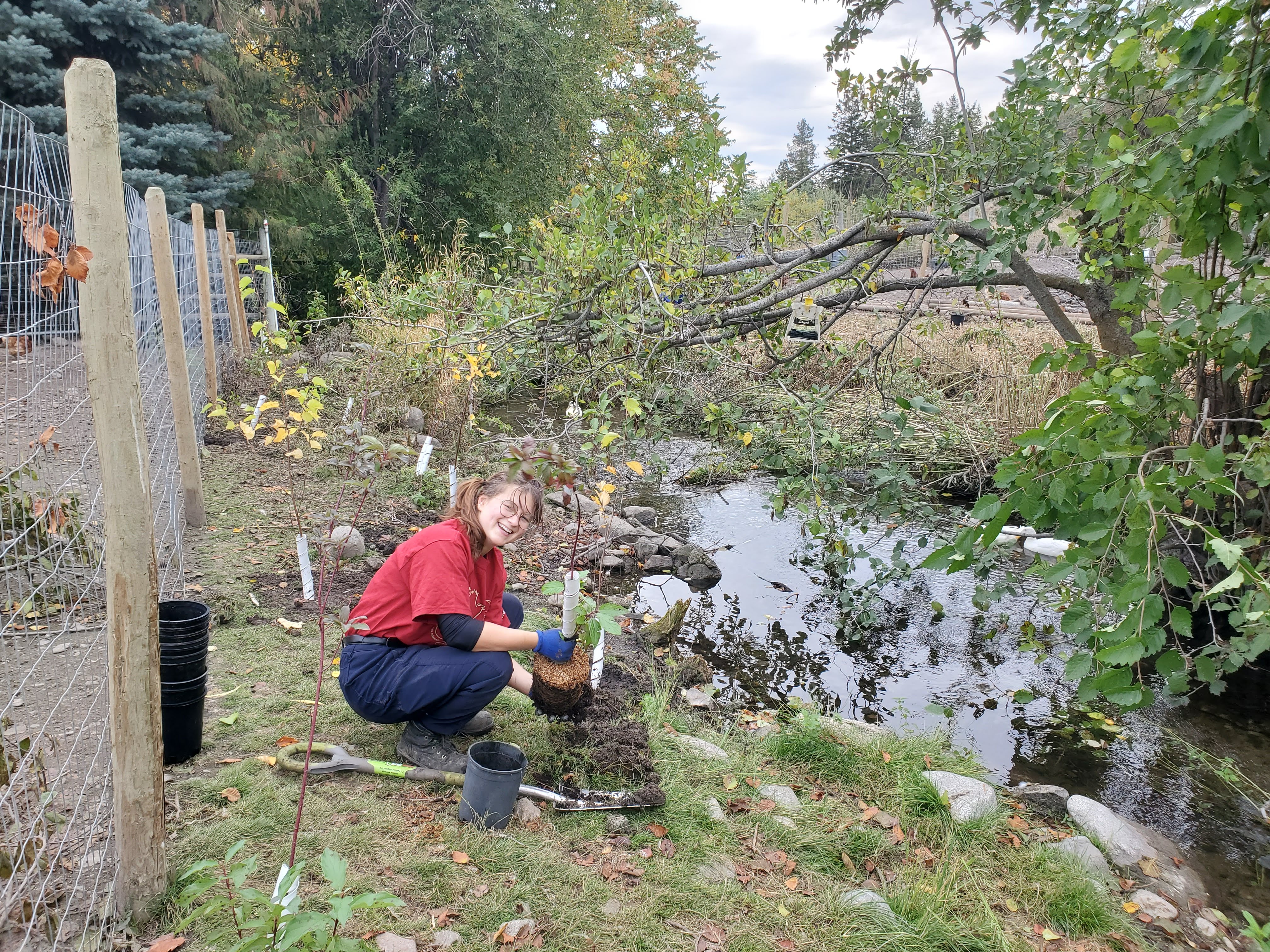
2022 Wetlands Institute participants refencing North Jubilee wetland as it expands outward - BCWF

HCTF has recently approved over $650k in funding for 42 conservation stewardship projects in BC.

Included in the funding are projects under HCTF’s stewardship grant umbrella: Action, Capacity, and Community Grants.

Newly launched Action Grants support projects that directly involve people and communities to change behaviours and/or practices leading to positive and measurable conservation outcomes in British Columbia.

Projects include:

  • $50,000 for the 2024 Wetlands Institute, a 7-day workshop providing necessary tools and knowledge for practitioners to initiate wetland stewardship projects across B.C.
  • $25,000 to connect a community of rural landowners and community partners with skills and resources to improve water quality and aquatic habitats in the Langley area
  • $50,000 to support a landholder engagement program to share cultural teachings and ways of knowing about Xpey’ (cedar) and relationships with the land, and inspire a range of restoration and management actions

Capacity Grants, now in their second year, provide funding to build and strengthen the capability and capacity of organizations to successfully design and deliver conservation or restoration projects.

Projects include:

  • $20,000 to support the development of an Indigenous-led conservation and protection project on Sumas Mountain on the traditional territory of the Semá:th people
  • $24,630 to train and provide experience to Kitselas First Nation members in conducting site assessments for restoration work within the Telkwa caribou herd range
    • This project is funded by the Province of BC and Environment and Climate Change Canada (ECCC) through the Caribou Habitat Restoration Fund (CHRF)
  • $10,000 to create an in-depth management plan to guide moose management in the Chilcotin

    Volunteers supporting the Metchosin Parks Holly Eradication Project

Community Grants, formerly the Public Conservation Assistance Fund (PCAF), provide funding to organizations and individuals who need financial help to implement a conservation project with a particular focus on volunteer involvement.

Projects include:

  • $10,000 to improve the recovery of native vegetation and enhance breeding habitat for waterfowl and songbirds on Galiano Island through planting of native species and installation of nest boxes
  • $9,700 to restore vital tidal marsh habitats in View Royal Park through eco-cultural fencing, the creation of tidal channels, and replenishing marsh banks
  • $8,120 for a “Nature is for Everyone” program welcoming those who are currently under-represented in the environment restoration movement, and encouraging families to improve habitat while connecting with nature

See the list of all 2024 HCTF-funded stewardship projects here (PDF download).

Thu, 9 Mar 2023

Announcing Capacity Grants!

Organizations often face challenges in identifying and initiating actions to benefit fish, wildlife, and habitat. This why HCTF is launching their new Capacity Grant program: to provide support and funding for organizations to strengthen their capability and capacity to design and deliver conservation or restoration projects. Capacity grants assist with the first steps in identifying, exploring, and undertaking actions to solve a local conservation challenge.

The goals of the grant are to:

  • Advance conservation planning (assessing capacity)
  • Engage organizations and communities (developing capacity)
  • Develop skills and abilities of communities (building capabilities)

In support of HCTF’s strategic plan, capacity grants will emphasize:

  • Caribou habitat restoration or conservation projects
  • Climate change adaptation and mitigation
  • Indigenous community-led fish, wildlife, and habitat restoration and conservation
  • Broad and diverse participation in HCTF programs and projects

The grant offers up to $25,000 and the deadline for applications is May 1st.

Eligible activities and items supported by the grant include:

  • Assessing capacity through pilot projects, surveys, test field methods, scoping, or feasibility studies
  • Developing capacity through partnerships or networking meetings, planning workshops, and sharing knowledge
  • Building capabilities through hiring a consultant or providing specialized training courses.

To learn more about Capacity Grants, please visit the links below:

Overview Sample Application Apply Now

If you have any further questions, please check out our Capacity Grants page or contact [email protected]