Mon, 16 Sep 2024
Tags: Acquisition / News

Protection of Vital Wildlife Corridors for Rare and At-Risk Species

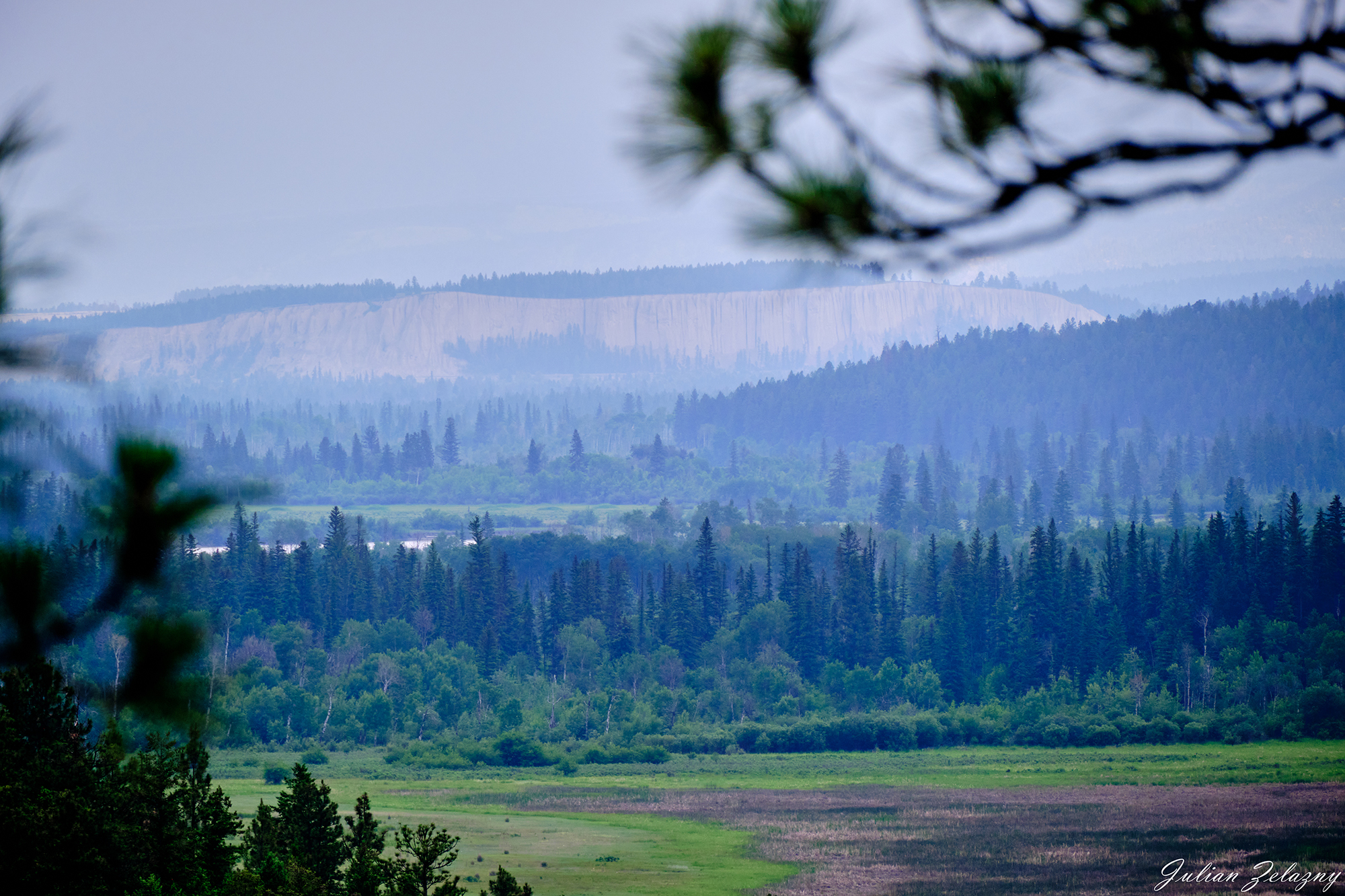
Bummer's Flats Eastside Benchlands (c) Julian Zelazny

Thanks to the support of nature lovers across the province, critical Kootenay wildlife corridors have been protected, increasing connectivity for species like the grizzly bear, elk, and Lewis’s woodpecker.

In a landmark achievement for conservation, The Nature Trust of British Columbia (NTBC), a leading land conservation charity, recently announced the protection of two crucial conservation areas in the Kootenay Region: Bummers Flats – MapleCross Benchlands and Wycliffe Prairie, part of the Wycliffe Conservation Complex. This success is thanks to the unwavering support of nature lovers across the province, ensuring the protection of these vital habitats for future generations.

The Government of Canada’s investment in major nature conservation projects in B.C., through the Nature Smart Climate Solutions Fund, was pivotal in securing these new conservation areas. These investments, complemented by generous contributions from the Kootenay community and donors across B.C., Canada, and the U.S., enabled The Nature Trust of BC to raise almost $4 million to protect 874 acres (354 hectares) of habitat in the region, providing critical movement corridors for wildlife, including grizzly bears and elk. This acquisition will also contribute to supporting biodiversity and environmental processes facilitating natural carbon removal from the atmosphere.

These two new conservation areas are characterized by important ecosystems, including grasslands, wetlands, riparian corridors, and Douglas-fir forests. These ecosystems support numerous endangered or other at-risk species and function as significant carbon sinks. The protection of Wycliffe Prairie and Bummers Flats – MapleCross Benchlands marks an important step towards mitigating climate change and safeguarding the rich, but declining, biodiversity in B.C.

“Through collaboration with partners like The Nature Trust of British Columbia, and the support of generous donors, we are working to protect and restore the natural environment in the Kootenay Region. This includes safeguarding a crucial wildlife movement corridor and boosting the region’s capacity to capture and store carbon. The Nature Smart Climate Solutions Fund is playing a key role in helping us combat climate change and biodiversity loss while also advancing efforts to conserve 30 percent of land and water in Canada by 2030,” said The Honourable Steven Guilbeault, Minister of Environment and Climate Change.

“Thanks to the generosity of British Columbians with a deep-rooted love for our province and its incredible nature, we are able to protect Wycliffe Prairie and Bummers Flats – MapleCross Benchlands, forever. We live in the most biodiverse province in Canada, yet almost a third of the species assessed in B.C. are now at risk. Together, we are making a difference by safeguarding vital biodiversity in the Kootenays and helping to mitigate climate change.” said Dr. Jasper Lament, CEO of The Nature Trust of BC.
Wycliffe Praire (c) The Nature Trust of BC

Wycliffe Prairie is located within the unceded, traditional territory of the Ktunaxa Nation, and spans 450 acres (182 hectares). This ecologically diverse area features riparian forests along Luke Creek, wetlands, grasslands and dry, open forest habitats that are important to species such as the at-risk grizzly bear (of special concern), the endangered Lewis’s woodpecker, and the endangered American badger.

The protection of Wycliffe Prairie expands the Wycliffe Conservation Complex to over 3,500 acres (1,450 hectares), including lands managed by The Nature Trust of BC, the Province of B.C. and the Nature Conservancy of Canada. This protects habitat for many endangered or other at-risk species. Thanks to the generosity of donors, The Nature Trust of BC successfully raised over $2.5 million to protect and conserve this area for future generations.

The Wycliffe Prairie project was funded in part by the Government of Canada and was significantly bolstered by the generosity of others. The Nature Trust of BC would also like to thank the Coyne family, Habitat Conservation Trust Foundation, Kootenay Wildlife Heritage Fund and the Hammond Family, Rocky Mountain Naturalists, Southern Guides (Guide Outfitters Association of B.C.), Tony Paine & Susan Collacott, the U.S. Fish and Wildlife Service, the Wood Brothers, Yellowstone to Yukon Conservation Initiative (Y2Y), and many others who made this project possible.

The project is part of a cross-border partnership, thanks to the North American Wetlands Conservation Act, which allows U.S. taxpayers to triple their donation through Canadian, and U.S sources, including the U.S Fish and Wildlife Service.

“The Nature Trust of BC has played a significant role in protecting habitat for migratory birds, including along the Pacific Flyway, which extends through Canada, the U.S., Mexico and South America. This project will help further this mission forward, ensuring that avian populations thrive in perpetuity.” said Dr. Jasper Lament, CEO of The Nature Trust of BC.

“We are deeply grateful for the support of our many partners and donors in helping to conserve these ecologically significant areas. It’s an exciting day and an incredible example of the power of collaboration amongst the conservation community. Together, these two projects will leave a lasting legacy for the wildlife and people of the region.” said Chris Bosman, Kootenay Conservation Land Manager, The Nature Trust of BC.

“The Habitat Conservation Trust Foundation is proud to fund The Nature Trust of BC in their acquisition of these vital areas in the Kootenay region. Both projects protect our rare wetland and grassland habitats which are critical to a significant diversity and abundance of species such as grizzly bears, birds, amphibians, and insects. These acquisitions demonstrate how partners collaboratively conserve important habitats for fish, wildlife, and people now and for the future.” said Dan Buffett, CEO of the Habitat Conservation Trust Foundation.
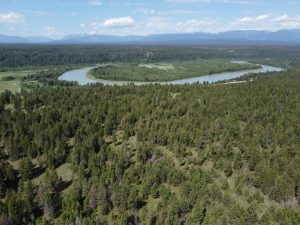
Bummer’s Flats Eastside Benchlands (c) The Nature Trust of BC

Bummers Flats – MapleCross Benchlands, covering 424 acres (171 hectares), is primarily comprised of dry, open forest and grassland situated above the Kootenay River floodplain. Located in the unceded and traditional territory of the Ktunaxa Nation, this area offers connectivity for species like elk, grizzly bear, mule deer, and white-tailed deer. It also provides critical habitat for the federally endangered American badger, and supports diverse plant species, birds, amphibians, and reptiles.

This new conservation area expands the existing Bummers Flats Conservation Complex to 4,930 acres (1,995 hectares), which includes other conservation areas managed by The Nature Trust of BC, the Province, and Ducks Unlimited Canada. This project also succeeds in establishing a cross-valley connectivity corridor that spans from upland habitat west of the Kootenay River, across the river floodplain and up into benchlands at the foot of the Rocky Mountains.

The Nature Trust of BC successfully raised just under $1.4 million to protect and conserve this land. The van der Velden family, who sold the conservation area to The Nature Trust of BC, also donated to the fundraising campaign in honour of Aart, their late father and husband.

I am deeply thankful that this beautiful land has been protected by The Nature Trust of BC. This land was incredibly important to my husband, Aart, who loved nature his entire life. We moved from Holland to Canada in 1983 and we have always loved the incredible scenery and wildlife in Canada. This land is close to a highway, so we were always concerned the area would be developed one day and that our community would lose its beauty. We see the conservation of this land as a legacy to Aart who would have been thrilled to see this area flourish for generations to come.” said Gerrie van der Velden, previous owner and seller of Bummers Flats Eastside Benchlands.

This project was funded in part by the Government of Canada. The Nature Trust of BC would also like to thank Habitat Conservation Trust Foundation, MapleCross, Nature’s Way, and Yellowstone to Yukon Conservation Initiative (Y2Y) for their generous contributions to this project.

“MapleCross is thrilled to support the acquisition of Bummers Flats – MapleCross Benchlands by The Nature Trust of BC. We are particularly interested in the ecological significance of this project in the Rocky Mountains, as it is located in a corridor essential for the natural movement of wildlife. And, of course, we were intrigued by the origin of the name! We look forward to our continued partnership with The Nature Trust of BC and to sharing its ongoing commitment towards protecting ecologically vulnerable ecosystems in B.C.” said Dr. Isobel Ralston and Dr. Jan Oudenes, MapleCross.

“Yellowstone to Yukon Conservation Initiative applauds The Nature Trust of BC’s commitment to conserving landscapes in the Kootenay region for biodiversity and wildlife connectivity. The value of the wildlife habitat within the Wycliffe Prairie and Bummers Flats – MapleCross Benchlands properties is important both locally and on a larger scale. These now-protected lands will help to ensure wildlife’s essential movement between the Rocky Mountain and Purcell ecosystems in B.C. — and across the continentally significant Yellowstone to Yukon region. Because of partners like The Nature Trust BC and the dedicated landowners they work with, we can ensure these important landscapes remain intact and connected, forever.” said Jordan Reeves, Director of Landscape Connectivity, Yellowstone to Yukon Conservation Initiative.

The conservation of Wycliffe Prairie and Bummers Flats – MapleCross Benchlands is an important milestone towards the long-term protection of B.C.’s biodiversity and addressing the twin crises of biodiversity loss and climate change. Thanks to the generosity of donors across the province, this land will be conserved and stewarded in perpetuity.
Tue, 9 Jul 2024

$650k for Conservation Stewardship Grants

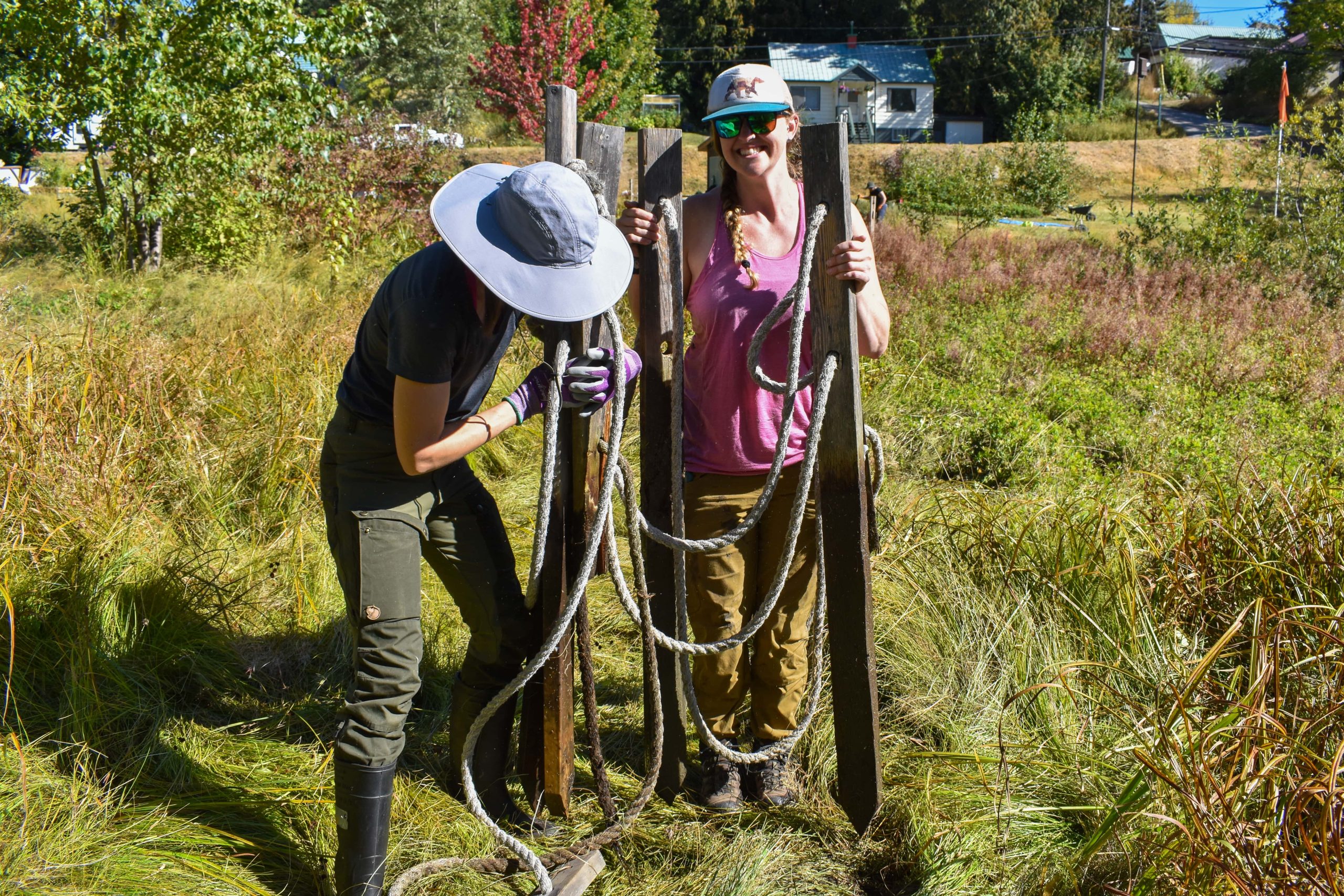
2022 Wetlands Institute participants refencing North Jubilee wetland as it expands outward - BCWF

HCTF has recently approved over $650k in funding for 42 conservation stewardship projects in BC.

Included in the funding are projects under HCTF’s stewardship grant umbrella: Action, Capacity, and Community Grants.

Newly launched Action Grants support projects that directly involve people and communities to change behaviours and/or practices leading to positive and measurable conservation outcomes in British Columbia.

Projects include:

  • $50,000 for the 2024 Wetlands Institute, a 7-day workshop providing necessary tools and knowledge for practitioners to initiate wetland stewardship projects across B.C.
  • $25,000 to connect a community of rural landowners and community partners with skills and resources to improve water quality and aquatic habitats in the Langley area
  • $50,000 to support a landholder engagement program to share cultural teachings and ways of knowing about Xpey’ (cedar) and relationships with the land, and inspire a range of restoration and management actions

Capacity Grants, now in their second year, provide funding to build and strengthen the capability and capacity of organizations to successfully design and deliver conservation or restoration projects.

Projects include:

  • $20,000 to support the development of an Indigenous-led conservation and protection project on Sumas Mountain on the traditional territory of the Semá:th people
  • $24,630 to train and provide experience to Kitselas First Nation members in conducting site assessments for restoration work within the Telkwa caribou herd range
    • This project is funded by the Province of BC and Environment and Climate Change Canada (ECCC) through the Caribou Habitat Restoration Fund (CHRF)
  • $10,000 to create an in-depth management plan to guide moose management in the Chilcotin

    Volunteers supporting the Metchosin Parks Holly Eradication Project

Community Grants, formerly the Public Conservation Assistance Fund (PCAF), provide funding to organizations and individuals who need financial help to implement a conservation project with a particular focus on volunteer involvement.

Projects include:

  • $10,000 to improve the recovery of native vegetation and enhance breeding habitat for waterfowl and songbirds on Galiano Island through planting of native species and installation of nest boxes
  • $9,700 to restore vital tidal marsh habitats in View Royal Park through eco-cultural fencing, the creation of tidal channels, and replenishing marsh banks
  • $8,120 for a “Nature is for Everyone” program welcoming those who are currently under-represented in the environment restoration movement, and encouraging families to improve habitat while connecting with nature

See the list of all 2024 HCTF-funded stewardship projects here (PDF download).

Tue, 14 May 2024

Over $250k for Invasive Mussel Monitoring and Defence This Summer

Sampling Kinbasket Lake - Columbia Shuswap Invasive Species Council

As the threat of invasive mussels gets closer to BC’s borders, HCTF is grateful for the continued federal and provincial support for the Provincial Invasive Mussels Monitoring Program that HCTF administers.

This year the Invasive Mussel Monitoring Grant will administer 11 projects for a total of $168,123 in funding. Each project will undertake sampling of several waterbodies throughout the summer months, with the results reported to HCTF and the Province of BC over fall/winter.

See below for a map of the lakes and rivers that will be sampled in 2024.


The Invasive Mussels Monitoring Program which HCTF administers is part of a 3 prong approach that also includes outreach, educating the public about the need to prevent the spread of highly contagious zebra and quagga mussels, and vehicle inspection stations to keep any mussels-contaminated watercraft from entering B.C. waterbodies. Increasingly, the projects will also work with First Nation Guardian programs; last year the Lillooet Regional Invasive Species Society provided training to T’it’q’et-P’egp’ig’lha and Xwísten Fisheries Guardians, and the Columbia Shuswap Invasive Species Society worked alongside members of the Skwlāx te Secwepemcu’lecw Guardian Program.

Xwísten Fisheries Crew Sampling at Seton Lake

In addition to the monitoring grants, HCTF approved $100,000 in funding for the BC Wildlife Federation towards the Invasive Mussel Defence Program. This program will support Conservation Officers in watercraft inspections throughout BC; inspections play an integral role in preventing the spread of invasive mussels into BC’s freshwater systems.

For more information on the Invasive Mussel Defence Program, please see the Ministry of Water, Land and Resource Stewardship’s recent press release: Province, partners step up fight against invasive mussels.

Tue, 9 Jan 2024

Collaborative Conservation on Galiano Island

Quadra Hill Cedar Grove - Photo by Galiano Conservancy Association

Saving Rare Habitats on Galiano Island – Two Major Wins for Environmental Conservation

The Galiano Conservancy Association (GCA), an environmental charity founded in 1989 as one of BC’s first community-based land trusts, works to protect, steward and restore Galiano Island ecosystems by creating a network of natural areas where a healthy environment, learning and a love of nature flourish. The recent protection of Quadra Hill, an ecologically significant property on Galiano Island, marks a milestone in the region’s conservation efforts. Key partnerships developed over several years were vital in completing this acquisition.

Quadra Hill: Bridging Protected Areas for Enhanced Biodiversity
Quadra Hill is a 47-ha parcel of coastal Douglas-fir forest long identified as a ‘missing piece’ in the corridor of protected habitats connecting Trincomali Channel to Georgia Strait on Galiano Island known as the Mid-Island Protected Areas Network . The ecologically diverse property was listed for sale by a motivated seller in late 2021, and has been owned for the past two years by the Aqueduct Foundation, one of the largest grantmakers in Canada, which agreed to step in as an interim owner at the GCA’s request, in order to provide temporary protection until adequate funds could be raised to purchase the land for conservation purposes. This project was undertaken with the financial support of the Government of Canada through the federal Department of Environment and Climate Change, and an initial opportunity grant from the Islands Trust Conservancy. Generous contributions from Sitka Foundation, the Habitat Conservation Trust Foundation and private donors enabled GCA to complete this important land acquisition.

The ecological value of Quadra Hill is hard to overstate. It is home to rare and varied ecosystems, is part of the upper catchment area for the Great Beaver Swamp Nature Reserve and is important for groundwater recharge. Because it is surrounded by existing conservation areas and a common-property forest, the protection of Quadra Hill enhances habitat connectivity and supports a diversity of plant and animal communities across three watersheds.

The Quadra Hill property also plays an important role in climate action, storing an estimated 40,000 tons of carbon dioxide equivalents, and is expected to sequester an additional 8,000 tons over the next 30 years.

Quadra Hill in the Spring – Photo by James LaBountry

Mt Sutil Extension: Preserving Imperiled Garry Oak Ecosystems
The GCA also recently partnered with the BC Parks Foundation (BCPF), Sitka Foundation and an anonymous donor to protect 4.2 ha of coastal Douglas-fir forest and sensitive Garry Oak bluff habitat neighbouring the existing Mt. Sutil Nature Sanctuary (GCA’s first land acquisition). Garry oak and associated ecosystems are home to over 100 provincially-listed species at risk. The remote and relatively undisturbed meadows and bluffs of Mount Sutil have been identified as a priority site for conserving these rare habitats, and are a testament to the ecological richness of Galiano Island.

A New Chapter in Island Conservation
These two landmark acquisitions enhance biodiversity, increase habitat connectivity, support climate action, and protect several provincially-listed species at risk. They also mark a first in GCA history, as the valuable partnerships involved allowed the GCA to protect these lands without a public fundraising campaign, highlighting the power of collaborative conservation.

As we celebrate the protection of Quadra Hill and the Mount Sutil Extension, the GCA recognizes and respects the enduring relationship Penelakut, Hwlitsum, Tsawwassen, Lelum Sar Augh Ta Naogh and other Coast Salish peoples have to these lands as part of their traditional territories. As stewards of these new conservation areas, the Galiano Conservancy is committed to honouring and learning from the rich cultural heritage and ecological wisdom of the First Nations whose ancestral connections to these lands continue to this day.

About the Galiano Conservancy Association
The Galiano Conservancy Association is committed to preserving the ecological balance and unique natural heritage of BC’s Southern Gulf Islands. This is accomplished through environmental education, land stewardship, ecological restoration, biodiversity monitoring & conservation, and demonstrating sustainable living practices within the Galiano community and beyond.

For more information, please contact:
info@galianoconservancy.ca
Phone: 250-539-2424

Wed, 4 Oct 2023

2023 Al Martin HCTF Conservation Fellowship Recipients Announced

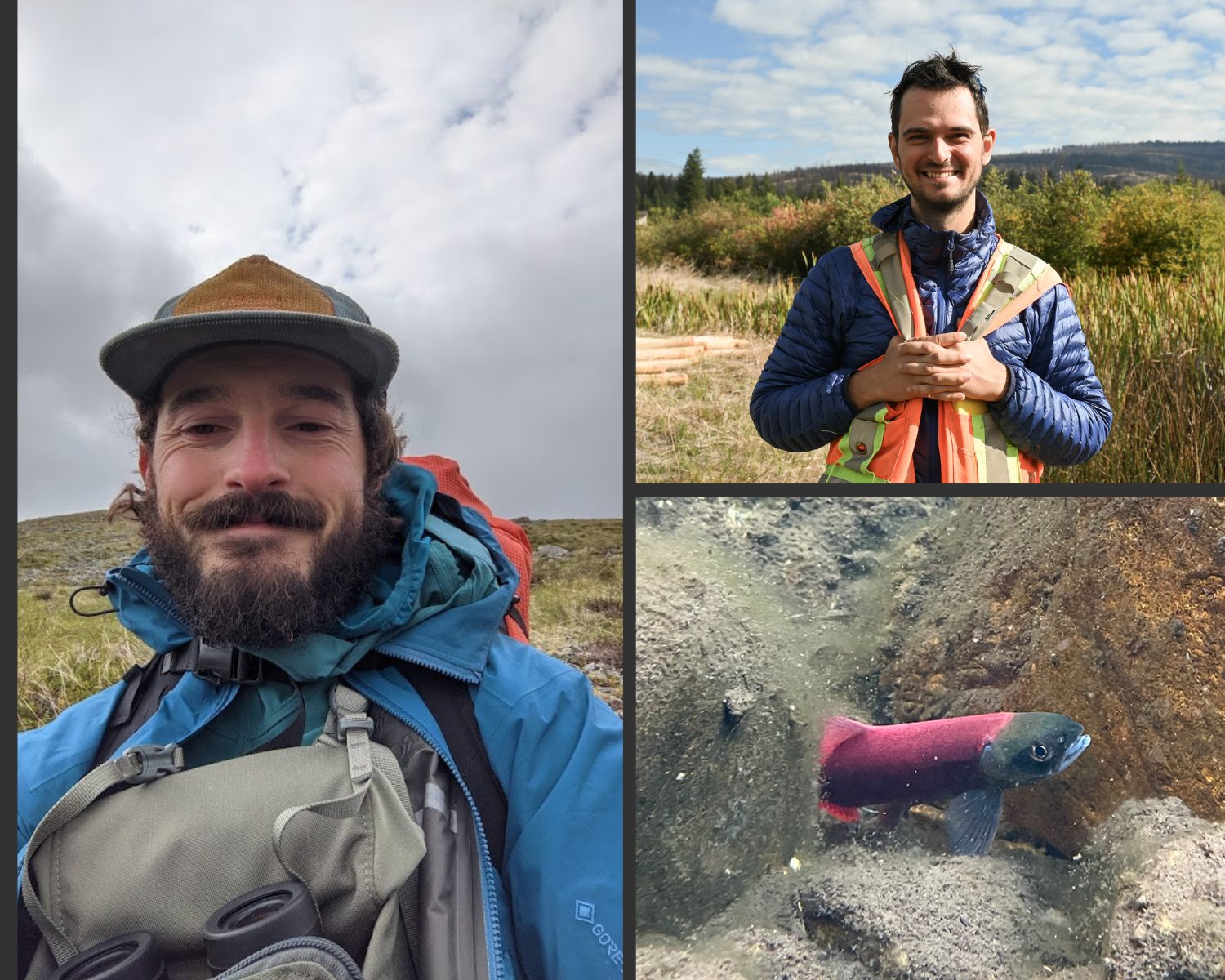
The Habitat Conservation Trust Foundation and HCTF Education are pleased to announce this year’s Al Martin Conservation Fellowship recipients: Alessandro Freeman, Oliver Holt, and Zachary Sherker.

The Al Martin Conservation Fellowship recognizes Graduate students wishing to pursue a career in fish or wildlife conservation and management in BC. The recipients receive a scholarship of $10,000 to help fund their graduate research.

Named for Al Martin, a titan in the conservation community. Al had a long and illustrious career starting back in 1977 as a biologist in Penticton BC. After a decade of working as a fisheries biologist, he moved to Victoria to take on several senior positions Manager of Fisheries, Director of the Watershed Restoration Program, Director of the Fish and Wildlife Branch, Executive Director, and Assistant Deputy Minister of the Department of Agriculture and Fisheries.

Al retired after a 30-year-long career in BC public service but continued to be a leader in the conservation community, becoming the Director of Strategic Initiatives for the BC Wildlife Federation and a board member for HCTF. Al sadly passed away in October of 2019 but his impact has lived on thanks to his integrity, humour, and passion for conserving fish and wildlife habitats for future generations.

More About Al

2023 Recipients:

Alessandro Freeman

Alessandro Freeman is a M.Sc. student of Ecological Restoration at Simon Fraser University and the British Columbia Institute of Technology under the supervision of Dr. Douglas Ransome. Alessandro’s research project titled “Determining the Accuracy of the BRAT Model for Identifying North American Beaver (Castor Canadensis) Habitat in Central Interior British Columbia” is assessing the Beaver Restoration Assessment Tool (BRAT) – a GIS-based model developed in Utah, and its ability to accurately determine watercourses of high and low quality for potential damming by beavers to create wetlands.

More About Alessandro

Oliver Holt

Oliver is pursuing a lifelong dream of achieving a Master’s of Science from the University of Northern British Columbia. He holds a Bachelor of Science in Forestry from the University of British Columbia and has worked extensively in the forestry industry. Oliver’s research is focused on bringing to light the uncertain future of northern mountain caribou.

More About Oliver

Zachary Sherker

Zachary is a Ph.D. student at the University of British Columbia working with Dr. Scott Hinch. His research focuses on the impacts of floodgates on juvenile Pacific salmon habitat access. This research will be used to improve passage by synchronizing automated floodgate operations with the timing of fish movements and will provide concrete evidence for the need to replace aging floodgates and reintroduce imperiled salmon populations to their historic habitat.

More About Zachary

If you or someone you know may be interested in applying for the Al Martin HCTF Conservation Scholarship, check out the following links:

Applicant Info Apply Online

HCTF Scholarship Program

Wed, 4 Oct 2023

Project Profile & Lessons Learned: Goldway Road Restoration

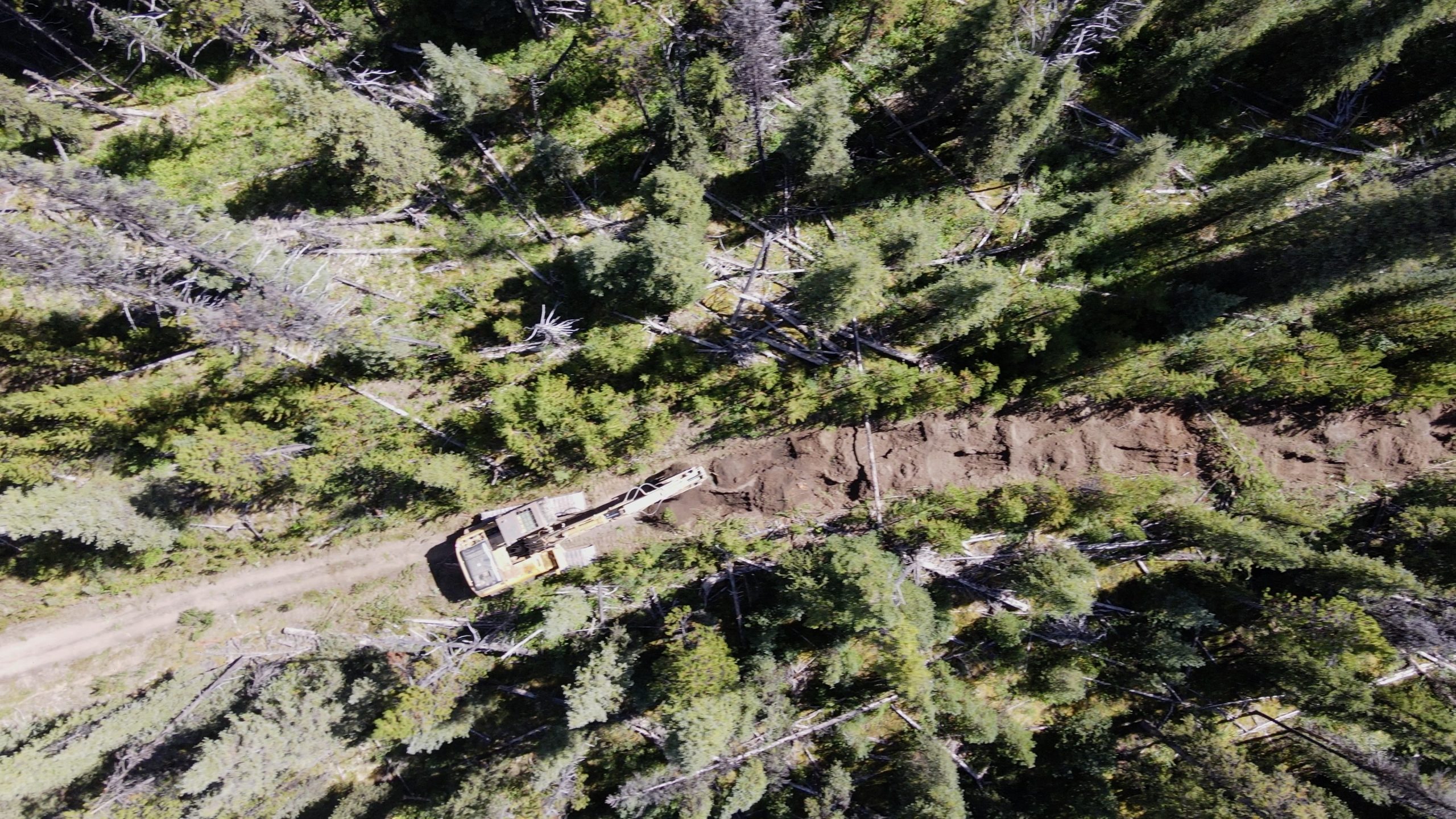
Goldway Road Restoration - Chu Cho Environmental LLP

In 2018 Chu Cho Environmental identified several candidate roadways for restoration within the Chase caribou herd range with input from forest licensees, caribou biologists, and Tsay Keh Dene Nation. In total, Chu Cho Environmental and Tsay Keh Dene Nation have now completed restoration work on 3 roads within the Chase caribou herd boundary since 2019. Collectively, these projects have been a part of the larger Chase Caribou Road Restoration Program (CCRRP), with the Goldway road being the most recent restoration project.

Planted Seedling – Chu Cho Environmental LLP

Sean Rapai of Chu Cho Environmental shares the challenges and lessons learned on this project including those around permitting, post-treatment monitoring and longer-term considerations.

Permitting: The historical presence of anadromous salmon in Johanson Creek, combined with the presence of bull trout and steelhead trout impacted the window for fording Johanson Creek with an excavator. It was necessary to submit an application to Fisheries and Oceans Canada (DFO) with the proposed plan and timing window of the work. The Letter of Advice was eventually secured which indicated work could proceed as planned. Best practices were outlined as well as recommendations for the fording process. This proved challenging, but the project did receive approval from DFO.

Monitoring: Ecological restoration treatments could take five or more years to begin to show results. With monitoring, we are attempting to answer a long-term set of questions and return to the site in the years immediately following restoration. Monitoring can be very costly as assessing control treatments is often restricted to the use of a helicopter. Chu Cho Environmental investigated the feasibility of using remotely piloted aircrafts (drones) as a more cost-effective method of monitoring restored areas in the short-term. This method was explored for monitoring remote roadways and restored areas.

Drone-based monitoring: Based on recommendations from 2021, Chu Cho Environmental deployed drone-based remote-sensing surveys to monitor vegetation using derived NDVI indices. Data was collected to a resolution of 1 m2 and can be paired with future surveys to track vegetation establishment and growth along large stretches of the road. While the use of a drone as a monitoring tool in this restoration program is in the preliminary stages, the ease of data collection and results suggest this is a viable means of evaluating vegetation indices on pre and post restoration roadways.

Stability of ecological restoration treatments: Year one monitoring of the ecological restoration techniques used in the project showed strong persistence of these treatments. The rough-and-loose soil contouring was stable, intact, and holding water, and planted seedlings had a high survival rate.

Recontouring inhibits human access: Areas recontoured with the rough-and-loose treatment had the least evidence of use by humans, including those on horseback. Aggressive recontouring of roads at strategic locations may be considered a viable tool to discourage trail usage and eliminate all-terrain vehicle use.

Snow alters access by motorized vehicles: Snowmobile use of the road was observed when the snow had accumulated above restoration efforts (i.e., above height of felled trees and mounds). While the effect of such anthropogenic use has yet to be studied here, considerations may be required for future restoration efforts or access management restrictions on snowmobile use.

Functional restoration: Felled trees were intact, and it was observed that larger diameter trees felled from steep cut banks created better movement barriers. Conversely, smaller diameter trees felled for functional restoration did not provide as good of a visual and physical barrier and is suggested that when small diameter trees are the only available source, they are felled in stacks. High survival of planted seedlings, following mechanical site preparation, suggests that tree planting is likely to provide visual screening over the long term, and may represent a more effective long term means of functionally restoring these roadways.

The Goldway road lies within the range of the Chase caribou (Rangifer tarandus caribou) herd, which is considered by the federal government of Canada to be part of the Northern group of the Southern Mountain population of Woodland caribou. This herd is listed as threatened on Schedule 1 of the Species At Risk Act (SARA).