Wed, 15 Sep 2021

Now Accepting Conservation Grant Proposals for 2022-2023

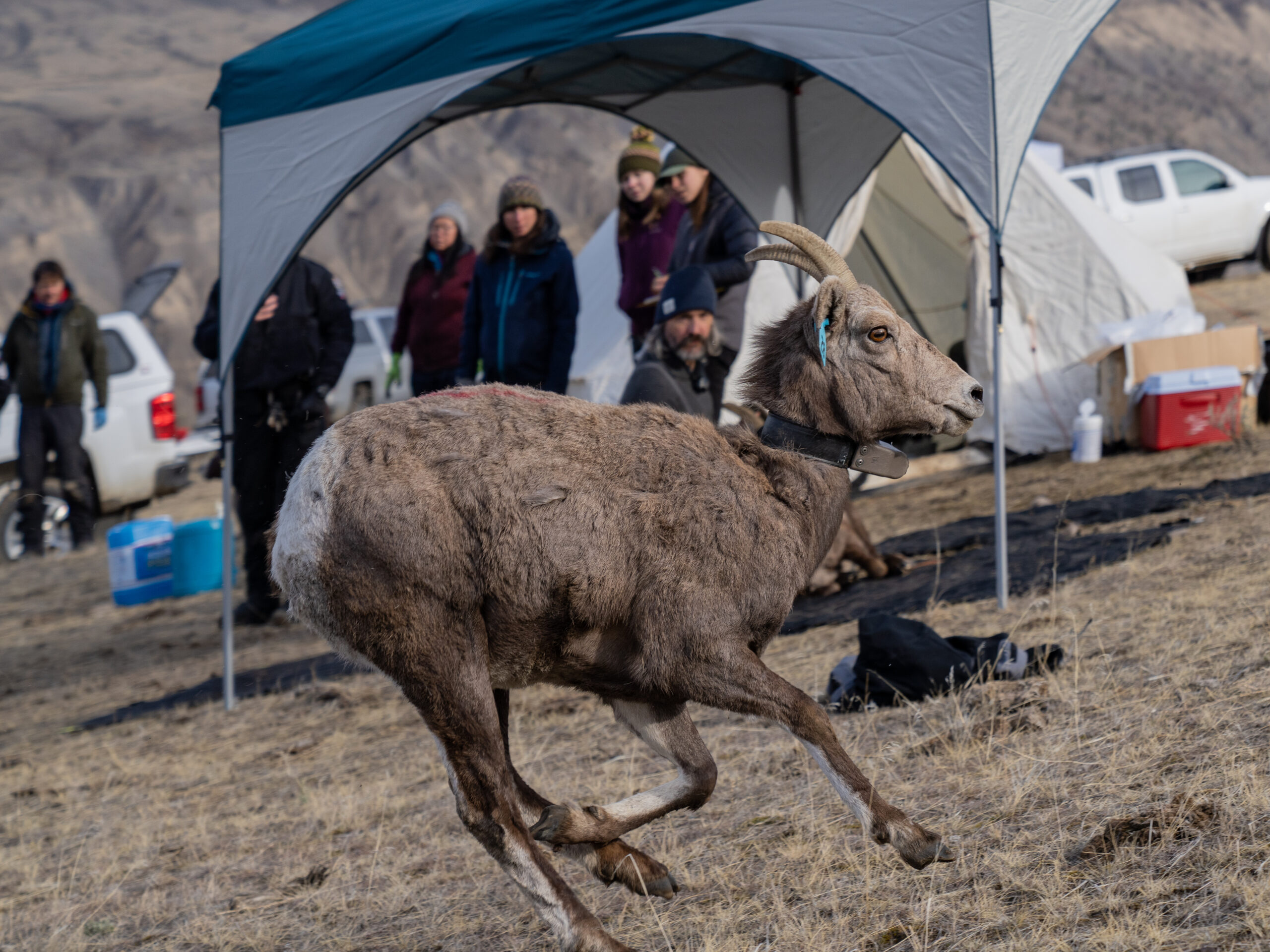
Project #3-419 - Fraser River Bighorns Capture Disease Assessment and Herd Recovery

Habitat Conservation Trust Foundation is now accepting applications for Enhancement/Restoration & Stewardship (ERS) grants, and Caribou Habitat Restoration Fund (CHRF) grants. Applications must be submitted through HCTF’s online application system by 4:30pm on November 5th, 2021 (PST).

Please visit our FAQ page to find useful tips and guidance for the online Survey Apply system.

Before beginning your application on the Survey Apply system, we strongly recommend that you complete your application on the Word worksheets posted on our website (updated worksheets for the 2022-23 grant year are now posted). Once completed you can copy-and-paste your answers into the online form. The worksheets also provide a useful overview of the questions and information requirements. Please note that HCTF cannot accept applications submitted by email.

Each year, Habitat Conservation Trust Foundation provides approximately $6 million dollars in Enhancement and Restoration grants to help fund projects that support the conservation of British Columbia’s native freshwater fish, wildlife, and their habitats. Since the inception of our work in 1981, the Foundation and its predecessors have invested over $195 million in more than 3230 projects across BC.

HCTF continues to partner with the Forest Enhancement Society of BC (FESBC) to meet shared conservation objectives through co-investments in conservation projects administered through HCTF.

For questions related to Enhancement/Restoration and Stewardship grants, please contact Lisa Wielinga at Lisa.Wielinga@hctf.ca or 250-940-9781.

For questions related to CHRF, please contact Karen Berry at Karen.Berry@hctf.ca or 250-940-9785

Wed, 15 Sep 2021

2021 Al Martin HCTF Conservation Fellowship Recipients Announced

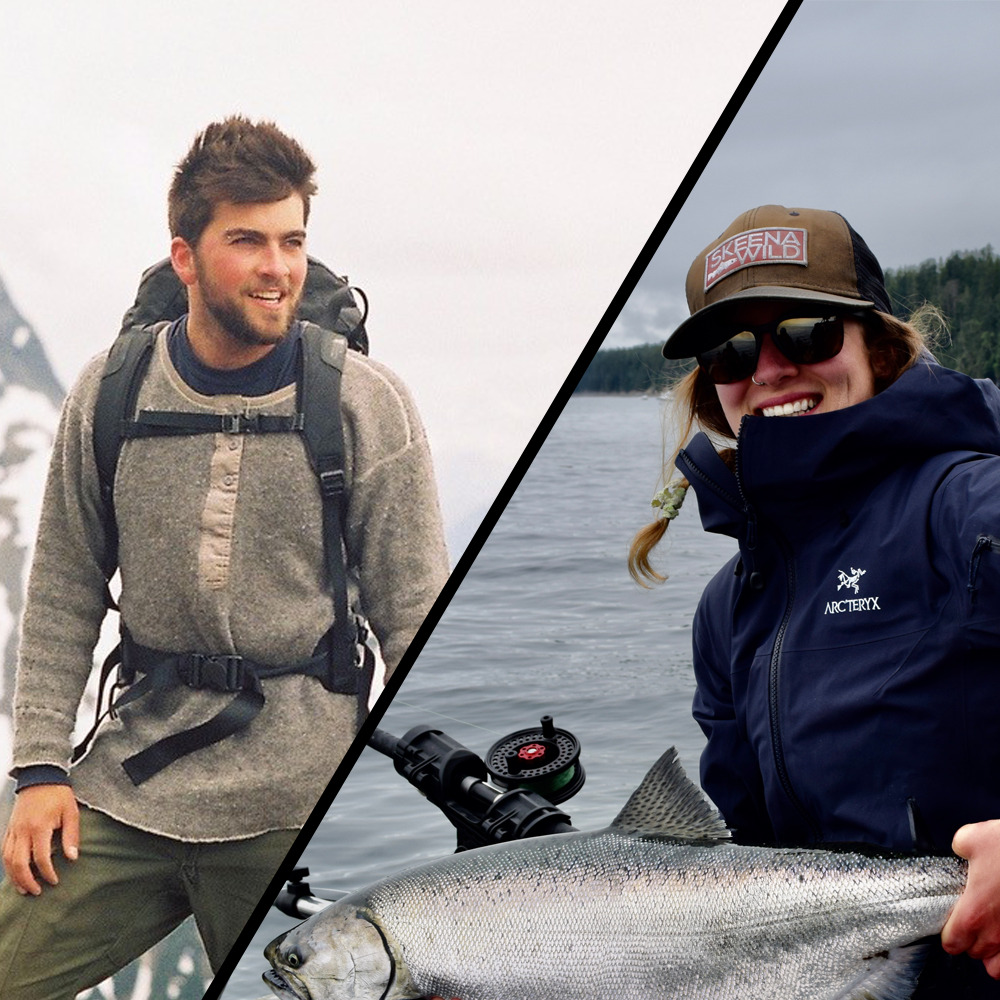
The Habitat Conservation Trust Foundation and HCTF Education are excited to announce the first-ever recipients of the Al Martin HCTF Conservation Fellowship (AMCF): Kaitlyn Zinn & Carl Jefferies.

The AMCF awards $10,000 annually to two graduate students who are wishing to pursue a career in fish or wildlife management and conservation in British Columbia.

The award is named in honor of Al Martin, a lifelong conservation giant who passed away suddenly in 2019. Al had an influential career with the BC provincial government that spanned three decades in fish and wildlife management and habitat conservation. After his retirement in 2010, Al continued to be a leader in the conservation community as a Board Director with HCTF and Director of Strategic Initiatives with the BC Wildlife Federation.

More About Al

2021 Recipients:

Kaitlyn Zinn

Kaitlyn is a PhD student at UBC’s Faculty of Forestry under the supervision of Dr. Scott Hinch in the Pacific Salmon Ecology and Conservation Laboratory. AMCF funds will be used to support her research for her thesis “Effects of Recreational Catch and Release on Chinook: From Marine Environments to Spawning Grounds”. Kaitlyn’s long term goal is to be involved in salmonid conservation, contributing to the conservation of wild salmon stocks in British Columbia.

More About Kaitlyn


Carl Jefferies

Carl is a MSc student in the Natural Resources and Environmental Studies (NRES) program at UNBC under the supervision of Dr. Heather Bryan. AMCF funds will be used to support his proposed thesis “Towards a better understanding of moose declines in BC: Effects of climate and anthropogenic landscape change on moose body condition and physiology”. Carl’s long term goal is to contribute to the management of conservation of wildlife populations throughout BC by balancing ecological conservation with the values and priorities of stakeholders, particularly First Nations and citizen groups.

More About Carl

If you or someone you know may be interested in applying for the Al Martin HCTF Conservation Scholarship, check out the following links:

Applicant Info Apply Online


Wed, 11 Aug 2021

11 Community Conservation Projects Receive PCAF Funding

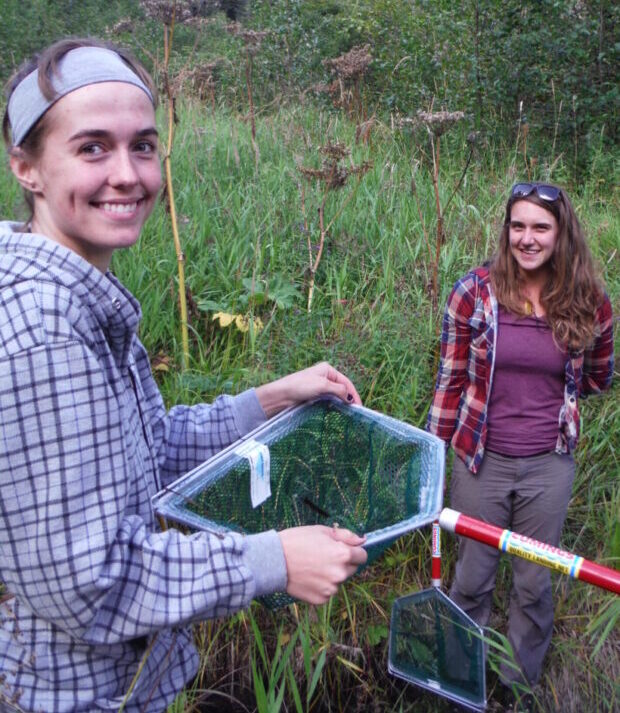
The Aleza Lake Research Forest Society working on a headwater-stream monitoring program that harnessed local volunteer efforts and citizen science.

HCTF’s Public Conservation Assistance Fund (PCAF) will be providing grants to 11 different organizations working to complete volunteer-based conservation projects in BC. The Foundation approved over $115,000 in PCAF grants this year for projects ranging from wetland restoration to enhancing fisher nesting habitat. A full list of this year’s grant recipients is below.

You can find out more about HCTF’s PCAF program here.


Western Painted Turtle Research, Protection, Enhancement Project

GRANT RECIPIENT: Greater Twin Lakes Area Stewardship Society

The Turtle Project Subcommittee of GTLASS is embarking on a 3 year project to protect and enhance the sustainability of the Western Painted Turtle (Inter-mountain population) which is designated as a Species of Concern. The main threat is urbanization in the Twin Lakes area, exacerbated by climate change and increased forestry activity.The goals of this project are to monitor the activities of the turtle population to collect accurate data on numbers of road crossings, mortality rates, and nesting sites; to put in place mitigation measures such as traffic calming measures, fencing, and enhancing or creating new, safer nesting areas.


S,DÁYES Flycatcher Forest Restoration Project

GRANT RECIPIENT: Raincoast Conservation Foundation

In September 2020, Raincoast Conservation Foundation (“Raincoast”) and the Pender Islands Conservancy Association (“the Conservancy”) joined forces to launch a fundraising campaign towards the purchase and protection of a 13 acre property on North Pender Island. The name for the forest (S,DÁYES Flycatcher Forest,) was chosen to honor the cultural history of North Pender Island and to highlight the vital habitat being protected for the many species found here, namely olive-sided flycatchers. This land acquisition is the first in a larger effort to maintain contiguous forests and habitats across Pender Islands and funds will support the work of developing a management and restoration plan, prioritizing ecological integrity and resilience.


Cedars for the Next Century, Phase 2

GRANT RECIPIENT: Galiano Conservancy Association

The 28-hectare Chrystal Creek watershed forms the heart of the Galiano Conservancy Association’s (GCA) 76 hectare Millard Learning Centre (MLC), which lies within the critically imperiled Coastal Douglas-fir (CDF) biogeoclimatic zone. The overarching goal of this project is to restore and enhance natural infrastructure across the watershed, improving the landscape’s ability to absorb freshwater and sequester carbon through native reforestation and wetland creation. Central to this goal is the establishment of diverse native vegetation within a successional framework that will result in the restoration of climate-resilient western red cedar forest in the long term.


Snk’mip Marsh Sanctuary Wetland and Riparian Restoration Project

GRANT RECIPIENT: Valhalla Foundation for Ecology

This project will support volunteer activities linked to our restoration work at the Snk’mip Marsh Sanctuary. Volunteers and community ambassadors are crucial to building support for conservation, and play a hands-on role in restoring and expanding amphibian, reptile, bird and other wildlife habitat. Project activities will support volunteer coordination, biological oversight, volunteers participating in weed-pulls, planting bees, and the installation and monitoring of bird nesting boxes.


Pacific Gardens Reclamation Project

GRANT RECIPIENT: Nanaimo & Area Land Trust

This project focuses on the preservation and restoration of Pacific Chorus Frog habitat near the Chase River. This project will be carried out in partnership with the Nanaimo & Area Land Trust (NALT) and volunteers from both NALT and the residents of Pacific Gardens Co-housing.


Fish Habitat & Riparian Restoration Stewardship Workshops

GRANT RECIPIENT: BC Wildlife Federation

The BC Wildlife Federation’s Fish Habitat Restoration and Education Program is partnering with two community stewardship groups to host educational workshops that will increase community knowledge of freshwater fish habitat, riparian restoration, and best practices for future conservation initiatives. This project will substantially improve and expand wetland and riparian habitat and create a place for people to interact with nature and learn more about wetlands and their restoration.


Lloyd Wetland Stewardship

GRANT RECIPIENT: Wildcoast Ecological Society

This project involes the restoration of a wetland in North Vancouver that provides important ecosystem services for a variety of species in the marsh as well as an adjacent creek. This uniquely urban wetland provides vital habitat for a variety of birds, cutthroat trout and other salmonids.


Tracking Bird Movement using Motus – TLBO (2021 Pilot: Saw-whet Owls)

GRANT RECIPIENT: Tatlayoko Field Station Society

During the late autumn of 2021 the Tatlayoko Lake Bird Observatory (TLBO) will deploy Motus radio tracking tags on Northern Saw-whet Owls that are caught as part of the TLBO’s annual owl banding program. Note this project is part of a collaboration with shared methodology and goals, the content of this application is largely consistent with the Rocky point Bird Observatory PCAF project.


Vancouver Bats Project

GRANT RECIPIENT: Wildcoast Ecological Society

Federally endangered and provincially red-listed, the Little Brown Myotis (Myotis lucifugus) faces many threats including habitat loss and degradation, predators, and human disturbance. While focusing on this charismatic species, we will also conduct surveys for bat species with known overlapping range in the Vancouver area, including the provincially red-listed Keen’s Myotis (Myotis keenii) and the provincially blue-listed Townsend’s Big-eared Bat (Corynorhinus Townsendii).


Grand Forks Grasslands Livestock Exclusion

GRANT RECIPIENT: Southern Interior Land Trust

In 2020, SILT purchased 144 hectares of grassland habitat just east of the City of Grand Forks, BC. SILT’s goals for its Grand Forks Grasslands property are: a) to protect and maintain habitat for bighorn sheep, deer, and several species at risk, b) to reduce and restore habitat damage caused by motor vehicle trespass and cattle grazing, and c) to increase public awareness and care of the property.


Tracking Bird Movement Using the Motus Wildlife Tracking System (2021 Pilot: Northern Saw-whet Owls)

GRANT RECIPIENT: Rocky Point Bird Observatory

During autumn 2021, Rocky Point Bird Observatory (RPBO) will deploy Motus radio tracking tags on Northern Saw-whet Owls as part of RPBO’s annual owl banding program. Note this project is part of a collaboration with shared methodology and goals, the content of this application is largely consistent with the Tatlayoko Lake Bird Observatory PCAF project.


Mount Trematon Riparian Biodiversity Restoration Project

GRANT RECIPIENT: Lasqueti Island Nature Conservancy

The Mt Trematon Riparian Biodiversity Restoration Project will allow for natural and assisted regeneration of plant and animal communities along Trematon Creek, Lasqueti Island. The Mt Trematon Nature Reserve is 140 acres (56.7ha) of red-listed Coastal Douglas Fir Forest (CDF) owned by Islands Trust Conservancy (ITC) and includes 7 different CDF ecosystems. With PCAF support, our goal is to protect and restore the riparian zone on Mt Trematon Nature Reserve by increasing biodiversity, habitat, and resilience in this threatened forest ecosystem.


NatureKids BC: Communities in Conservation

GRANT RECIPIENT: Young Naturalists’ Club of BC Society (NatureKids BC)

NatureKids BC (formerly the Young Naturalists’ Club of BC Society) is a registered grassroots charity that helps children get outdoors to explore, play, learn about and take action for nature through an award-winning network of volunteer-led family nature clubs that extends across British Columbia. Our Community Nature Clubs host youth members, ages 5-12, and their families, to learn about and step up for nature. As members of a local volunteer-led nature club, they participate in Explorer Day field trips, stewardship projects, and citizen science activities with the assistance of volunteer nature mentors (local biologists, environmental and educational specialists, natural history experts, and outdoor enthusiasts) who share their passion and expertise about wildlife species and their habitat.


Blue Heron Habitat Enhancement and Sensitive Areas Signage

GRANT RECIPIENT: Hatzic Watershed Restoration Society

This project will enhance roosting habitat for Great Blue Heron (Ardea herodias) by installing perches and sensitive area signage to deter disturbance of nesting and feeding waterfowl by motorized vessels at Hatzic Lake near Mission, BC. Restoration of disturbed riparian areas where signage is to be installed through invasive Flowering Rush (Botumus umbellatus) removal and planting of native shrubs. Visible roosting structures and educational signage will bring awareness to the issue of motorized boats speeding through habitat home to species at risk. This will benefit multiple species of birds as Hatzic Lake is home to a diverse bird population, well known among birdwatchers and bird surveyors.


Kitimat Rod & Gun Association Fisher Nesting Enhancement Project

GRANT RECIPIENT: Kitimat Rod & Gun Association

This project will construct, install, and monitor fisher nesting boxes to provide nesting and rearing sites that have been degraded due to the loss of old-growth habitat. For fisher nesting habitat to start to occur naturally requires trees in the 100 year age class, and has been a key factor in fisher population declines and limiting population growth. Studies have been positive confirming that the installation of nesting boxes are successfully used by female fishers to give birth and rear young.

Tue, 27 Jul 2021

Restricted Funding Available!

Occasionally, HCTF receives funding that is restricted to a specific location, species, or activity. The majority of our restricted funding is the result of court awards made to HCTF through creative sentencing intended to repair or compensate for environmental and ecosystem related crimes. The restricted funding can be the basis for a full project or form a small component of a larger project.

HCTF provides a list funds available, their value, and the associated conditions on our website in an effort to encourage proposals that will utilize the funding for the upcoming year’s grant intake. The current list of available restricted funding has been posted below.

2022-23 Available Court Award Funding

Region Amount HCTF Reference # Restriction
6 $ 95,000.00 30502 Fish, wildlife, and habitat initiatives in the Skeena Region, with a preference for restoration work along the Skeena River between Terrace and Prince Rupert
1 $ 8,000.00 16111-1 Sum of $8,000 to be used in its entirety for the Fiddlehead Farm area and that of Powell River, British Columbia for conservation purposes.
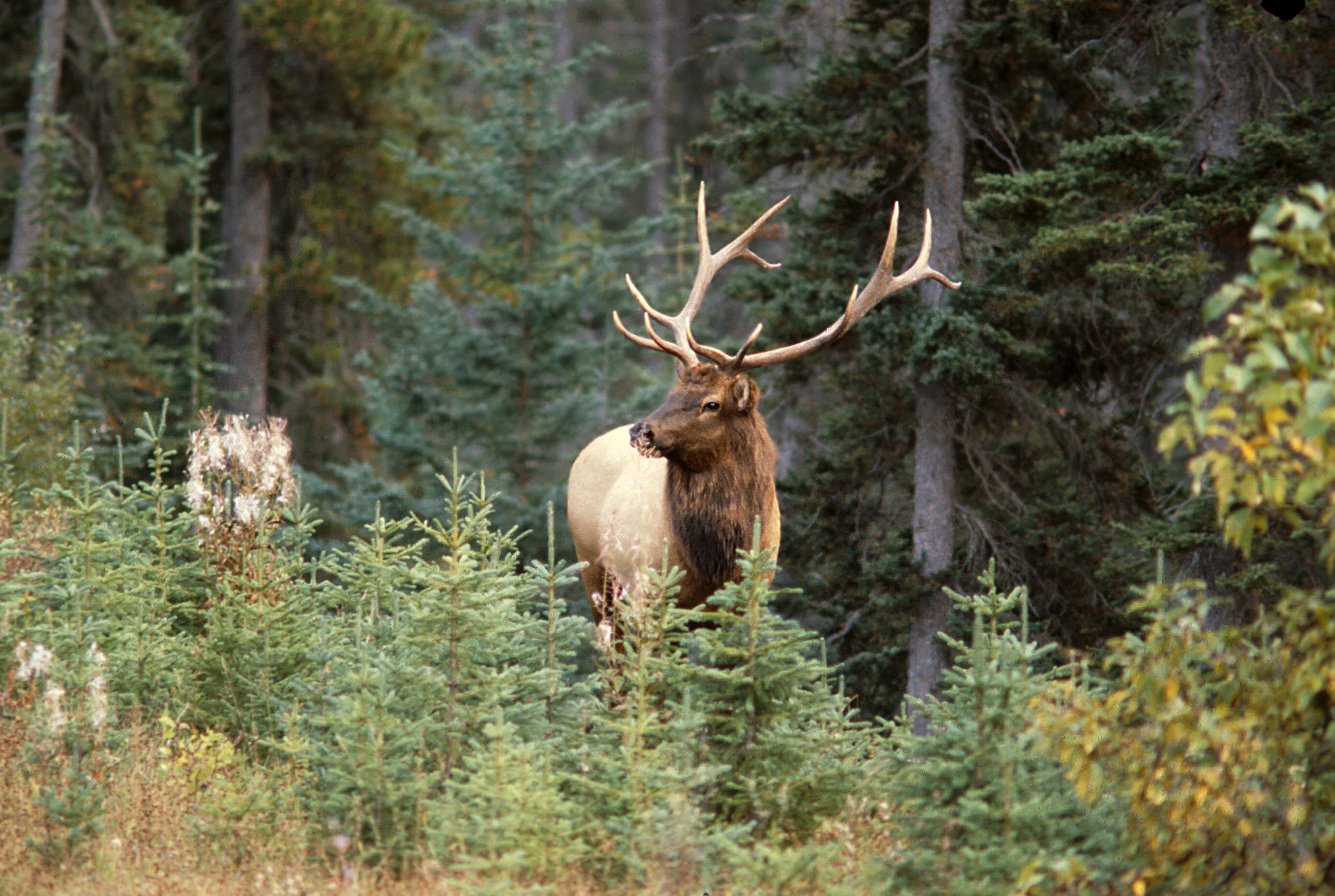
3 $ 6,860.00 43225 To be used for elk enhancement in the Kamloops region.
2 $ 2,505.00 2738-1 For a study on the effects of non-lethal bear management

If you are interested in submitting a proposal for any of the restricted funding, please review the Enhancement and Restoration Grants page. Note that all restricted funding applications should be submitted through our regular enhancement grant process, by November 5, 2021.

Do you have a project idea for helping to secure elk populations near Kamloops, or conserving wildlife, fish or habitat along the Skeena River? We’d love to hear from you!

Wed, 7 Jul 2021

Project Profile: Amoco Road Restoration Project

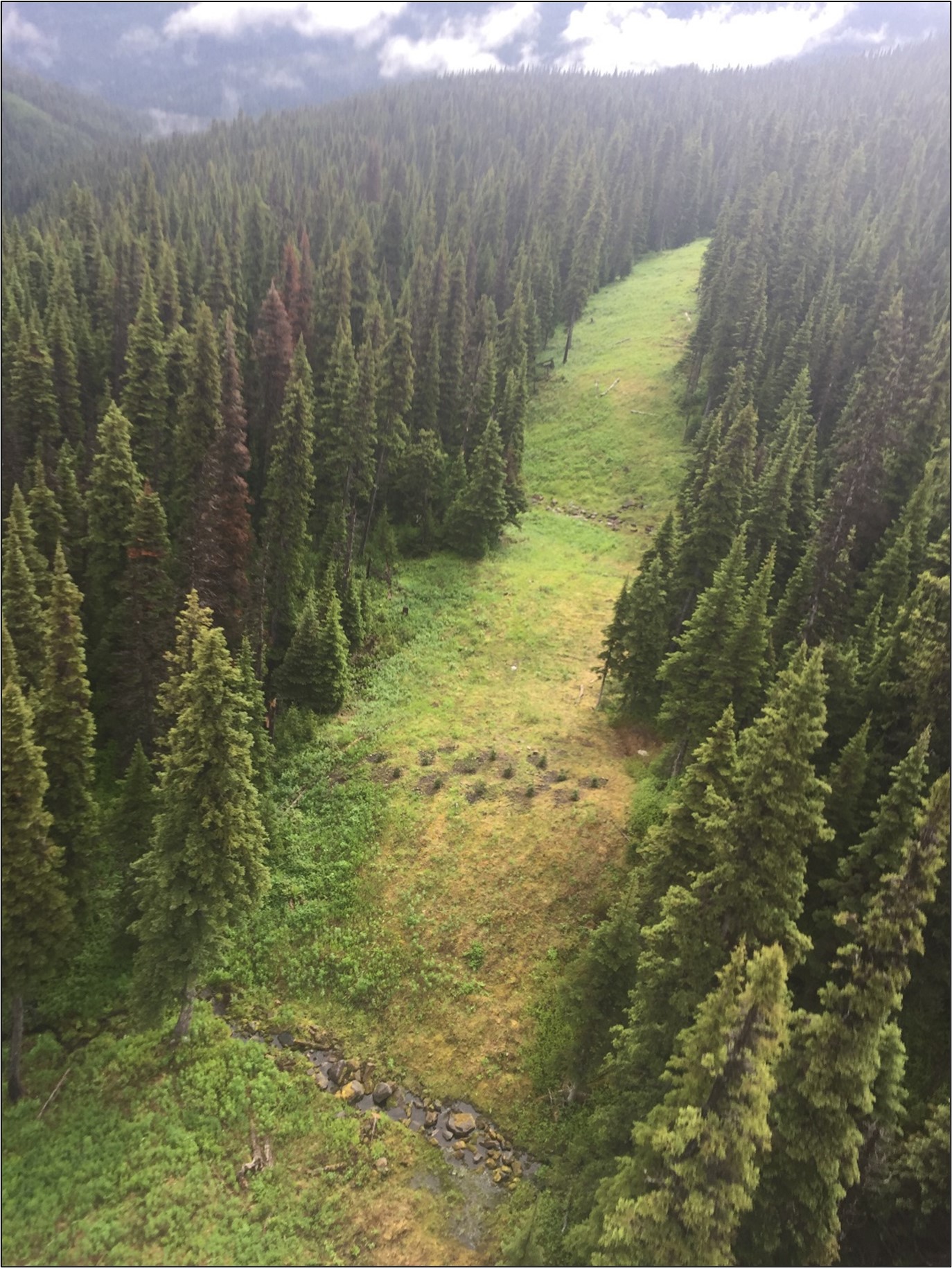
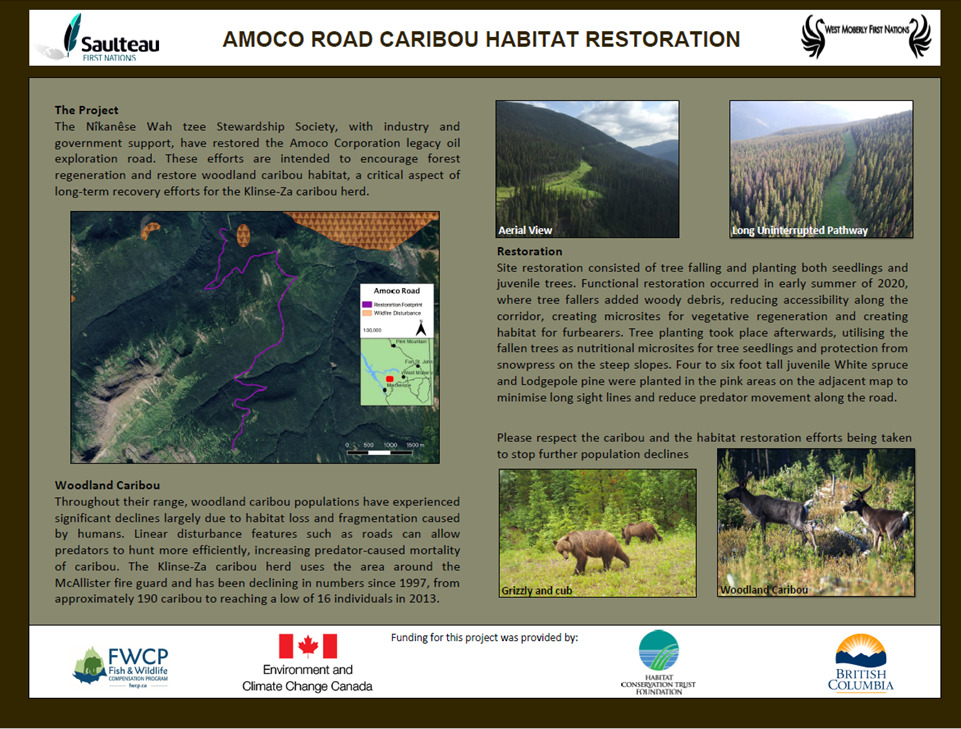
The Amoco Road restoration site is a legacy oil and gas road that stretches from valley bottom to the alpine in the Klinse-Za caribou herd in northeastern BC. Twenty-two years after the road was installed, the site is still dominated by non-native grass species, which has prevented naturally re-seeded seedlings from establishing and growing. As a result, the road remains a large scar on the landscape and fragments the mature forest ecosystem. The road also creates an easy travel route for predators to access critical caribou habitat in the alpine, and large stretches of open road also enable predators to spot caribou further away, improving their hunting efficiency. Use of the road by snowmobiles during the winter allows wolves easy travel along the packed trails into the alpine, increasing risk of predation on caribou. To speed up forest recovery and reduce the use of the road by predators, the Nîkanêse Wah tzee Stewardship Society has undertaken steps to restore the road to a forested ecosystem, thereby restoring critical caribou habitat. Restoration activities such as the planting of seedlings and juvenile trees along the road and the falling of dead trees across the road surface were completed in Summer 2020. These restoration activities will speed up natural forest regeneration and limit the ability of predators to use the corridor to access critical caribou habitat. Moving forward, activities, such as tree regeneration surveys and wildlife use monitoring, will be continued to determine the success of the restoration activities.

This Caribou Habitat Restoration Fund project was undertaken with the financial support of the Province of British Columbia and the Government of Canada through the federal Department of Environment and Climate Change.


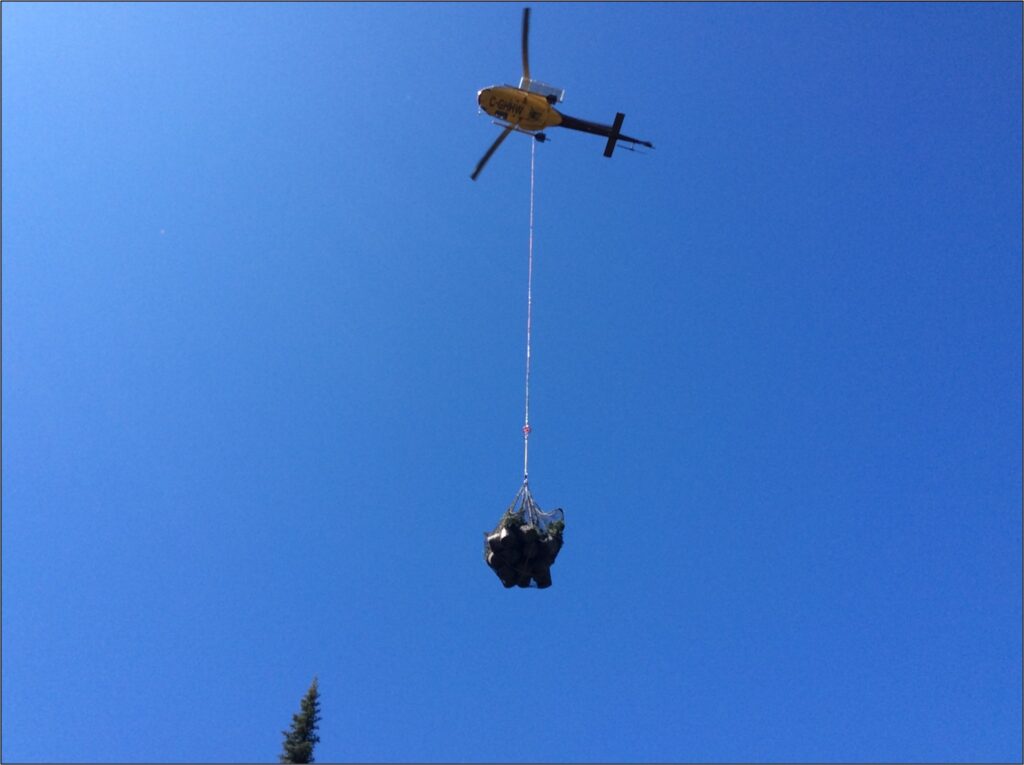
Amoco Road restoration helicopter

Juvenile hybrid spruce and lodgepole pine trees being transported onto Amoco Road restoration site, Summer 2020.


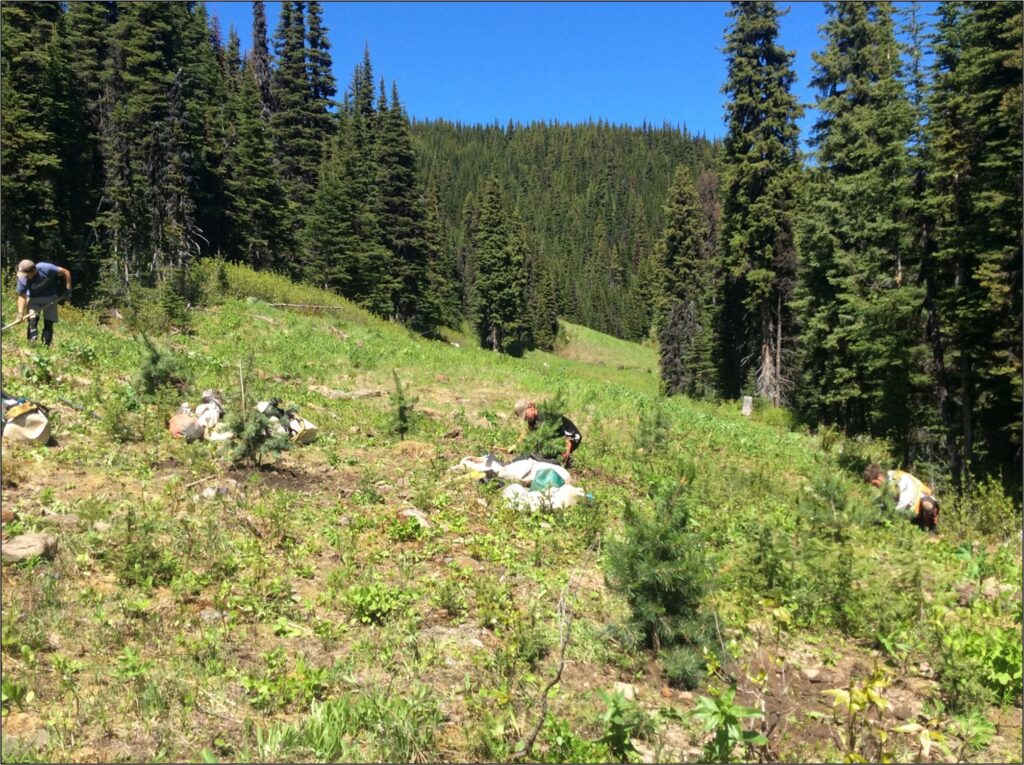
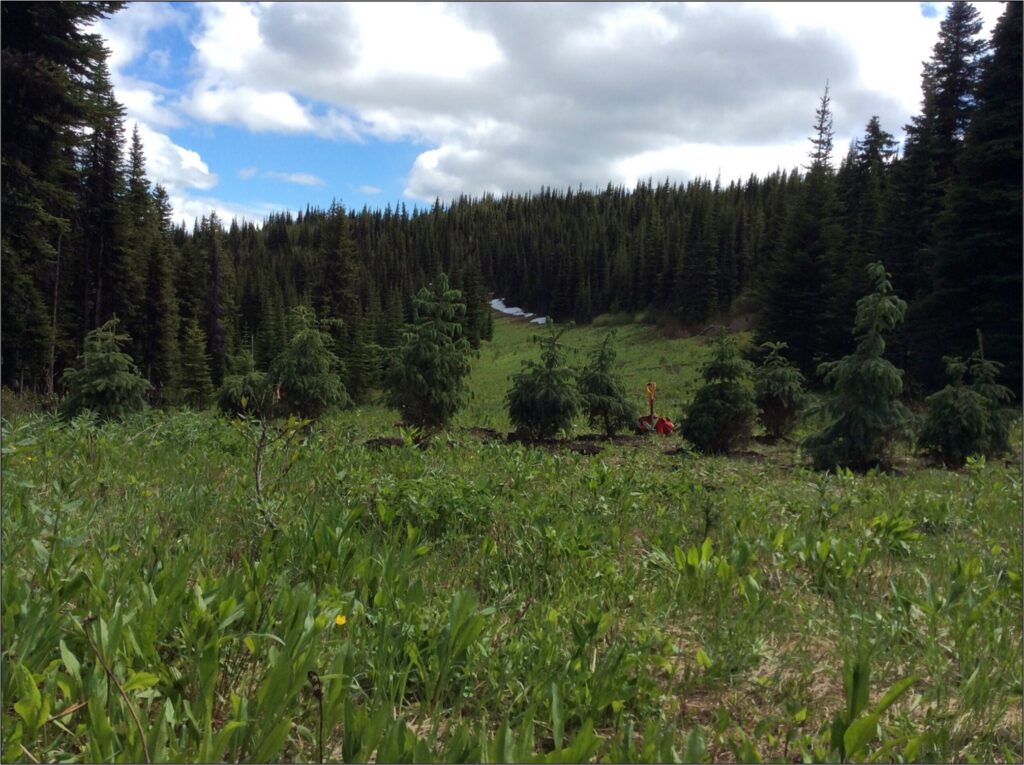
Crews planting juvenile hybrid spruce and lodgepole pine trees on Amoco Road.

Crews planting juvenile hybrid spruce and lodgepole pine trees on Amoco Road restoration site, Summer 2020.

Juvenile hybrid spruce and lodgepole pine trees planted on Amoco Road.

Juvenile hybrid spruce and lodgepole pine trees planted in theatre-style spacing on one of the seven planting sites on Amoco Road restoration site, Summer 2020.

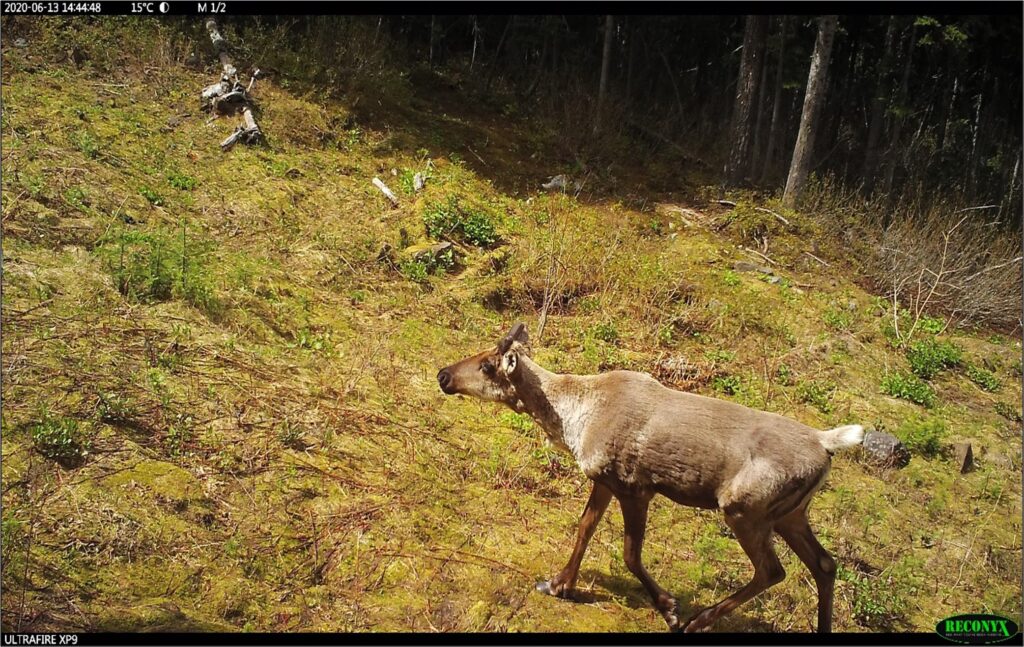
Caribou detected on a camera trap on Amoco Road restoration site, Summer 2020.

Caribou detected on a camera trap on Amoco Road restoration site, Summer 2020.


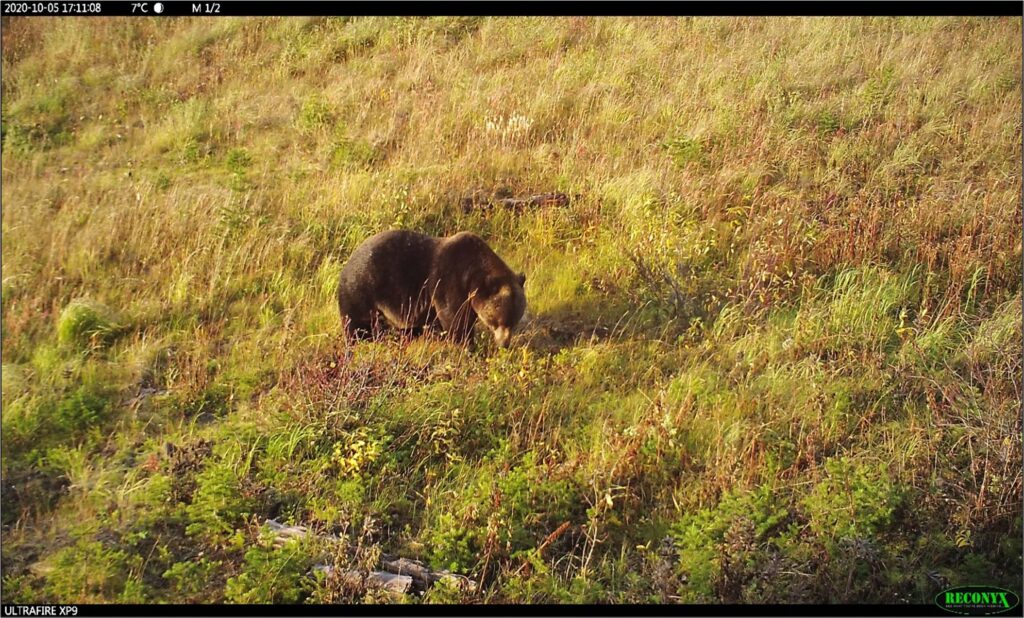
Grizzly bear

Grizzly bear detected on a camera trap on Amoco Road restoration site, Fall 2020.


Tue, 6 Jul 2021

South Okanagan gains 151 acres of protected land to foster biodiversity and protect critical habitats

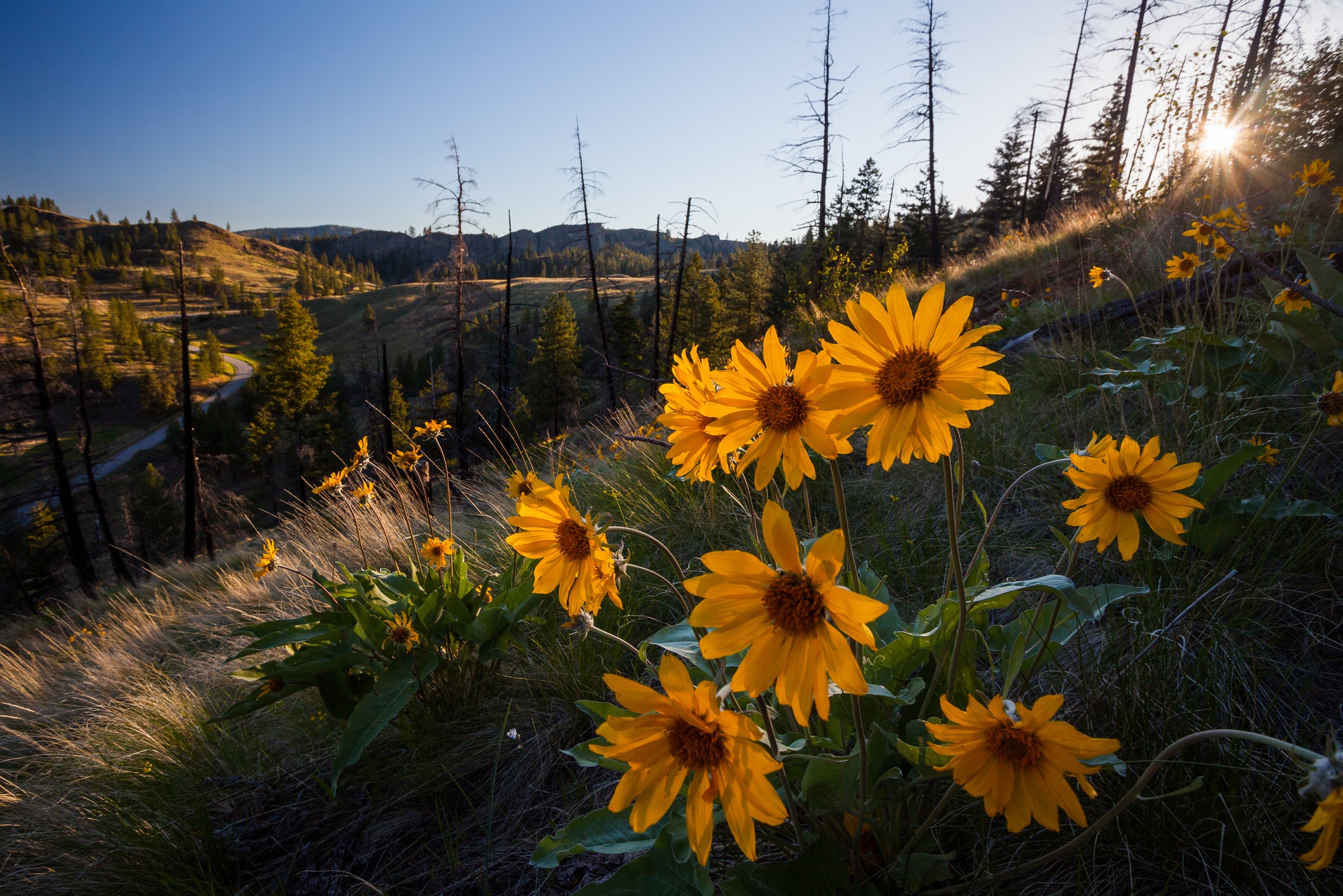
Park Rill Floodplain, Stewart Ranch (photo by Graham Osborne)

This land preserves habitats for species at risk including the Lewis’s Woodpecker, Peregrine Falcon, and Western Screech Owl


The Nature Trust of BC, a leading non-profit land conservation organization, announced today that, with the help of donations from conservation-minded individuals, 61 hectares (151 acres) of ecologically important land, known as the Park Rill Floodplain, will be added to the White Lake Basin Biodiversity Ranch conservation complex in the South Okanagan. Connectivity of habitats is critically important for fostering biodiversity, so the conservation of this property will add to the resilience of wildlife in the ecosystems all around.

The native grasslands of the South Okanagan are a hotspot for biodiversity, hosting a huge number of BC’s at-risk species. But, grasslands are also one of the rarest land cover types in BC covering less than 1% of BC’s land base, with few intact swaths of open plains remaining.

Located approximately 3 km northwest of the community of Willowbrook within the Regional District of Okanagan-Similkameen, the Park Rill Floodplain property supports many species of conservation concern and provides critical habitat for federally listed species at risk. The Lewis’s Woodpecker (listed as threatened under SARA Schedule 1) is at-risk from the loss of its nesting habitat in Ponderosa Pine forests.

With its diversity of ecosystems, Park Rill Floodplain is home to many other birds that are a conservation concern, from the BC Red-listed Peregrine Falcons (SARA Schedule 1 – Special Concern) that stalk the daytime skies, to the Blue-listed Western Screech Owls (SARA Schedule 1 – Threatened) that hunt in the night.

“Through the ongoing support and generosity of our partners and donors, we are delighted that Park Rill Floodplain will be added to the White Lake Basin Biodiversity Ranch Complex. Park Rill Floodplain protects additional critical habitat for species at-risk and helps sustain a viable biodiversity ranching operation. Expanding this Nature Trust conservation complex will play a vital role in maintaining habitat connectivity and ecological resiliency.” says Nick Burdock, Okanagan Conservation Land Manager.

Birds aren’t the only creatures to inhabit the natural landscape of Park Rill Floodplain. Endangered American Badgers burrow under the ground, while at dawn and dusk the Nuttall’s Cottontail can be seen through the underbrush. The smallest species of rabbit in BC, Nuttall’s Cottontail is a special conservation concern because of the loss of its grassland habitat. Black bears wander the rich meadows and in winter, Mule Deer migrate down from the heavier snow of higher elevations to feed on leaves, twigs, and shrubs in the low-lying grasslands of Park Rill Floodplain. Along with these mammals, there are at-risk amphibians and reptiles like the Western Tiger Salamander, Great Basin Spadefoot, Great Basin Gopher Snake, and Western Rattlesnake.

It is difficult to find low-land habitats unaffected by development, but three quarters of Park Rill Floodplain remains in a relatively natural state, allowing it to support six sensitive ecosystems: sagebrush steppe, open coniferous woodland, seasonally flooded fields, wet meadow, sparsely vegetated rocky outcrops, and importantly, grasslands. The remaining area is a cultivated floodplain surrounding Park Rill Creek, however with the conservation of this land by The Nature Trust of BC, it can be restored to a natural state.

“The diversity of species and habitats protected by this project exemplifies the importance of the native grasslands within the South Okanagan. The Nature Trust of BC has a sterling track record for protecting, managing and restoring these and other critical habitat types in BC. For that reason, the Habitat Conservation Trust Foundation is a proud funding partner of the Nature Trust and of our shared goals of conserving fish, wildlife and their habitats through the protection and conservation of BC’s natural landscapes.” – Dan Buffett, CEO of the Habitat Conservation Trust Foundation.

With the conservation of Park Rill Floodplain, the home of these species and many more are protected in perpetuity. Expanding the protected areas within Okanagan grasslands will serve to maintain its rich biodiversity for generations to come.

The Nature Trust thanks landowners and conservationists Ray and Jennifer Stewart who have cared for the land for 33 years.

This project was undertaken with the financial support of Environment Climate Change Canada, Habitat Conservation Trust Foundation, George Galbraith and Family, Val and Dick Bradshaw, and many individual donors.


Contributed by The Nature Trust of British Columbia