Wed, 7 Nov 2018

Wolverines in the News

Wolverines

Habitat Conservation Trust Foundation is very pleased that one of the projects we support has received a bit of media attention as of late!

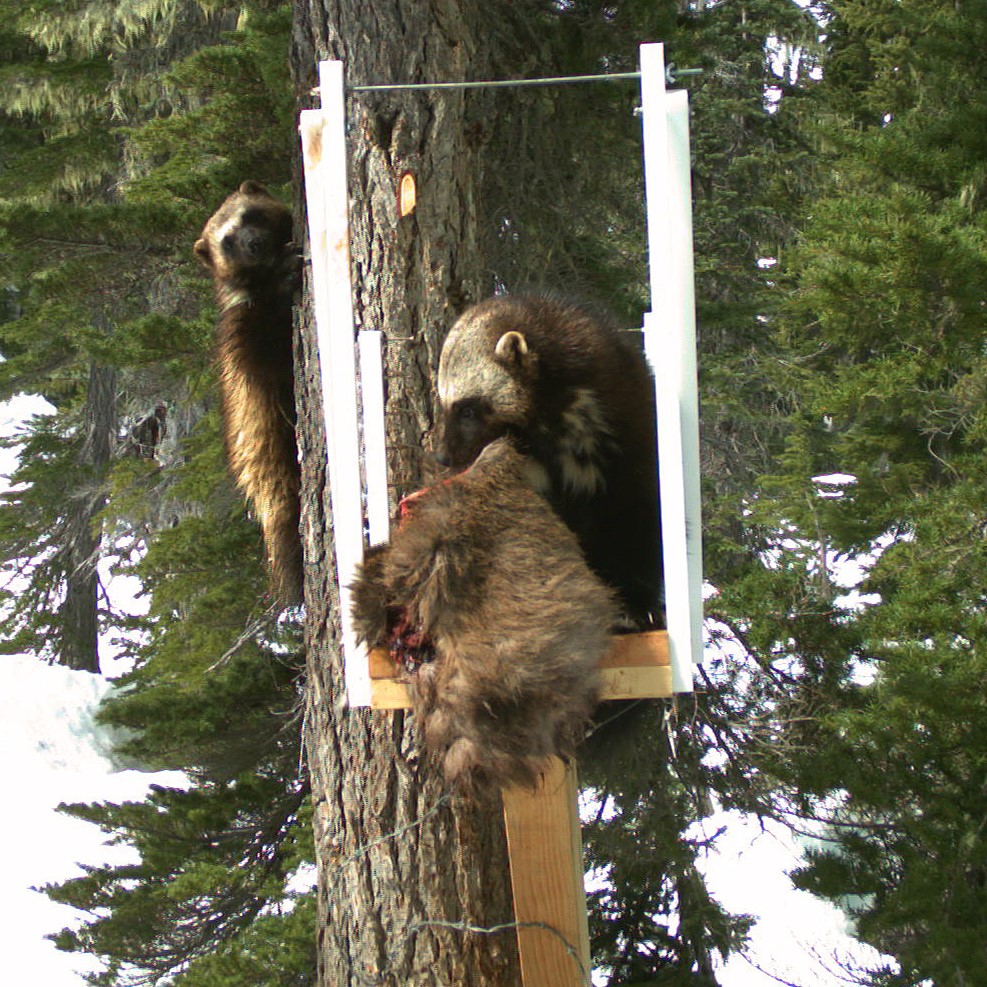
Cliff Nietvelt of the Government of British Columbia Ministry of Forests, Lands, Natural Resource Operations & Rural Development (FLNRORD) is pursuing a 3 year project on Wolverine movements, home range and habitat use in the South Coast region. Cliff has been a wildlife ecologist for 20 years, and has led and conducted the entire wolverine inventory in the South Coast region since 2012.

Cliff’s project was highlighted in a variety of publications, including the Globe and Mail and the Squamish Chief.

We’re proud to partner with the Forest Enhancement Society of BC to help fund this vital project. In early November, FESBC committed $3 million towards conservation projects that will be awarded and administered by HCTF.

Sun, 22 Jul 2018
Tags: Wildlife

New Research Into Managing Mange (with photos that will have you saying “awww” instead of “eww”)

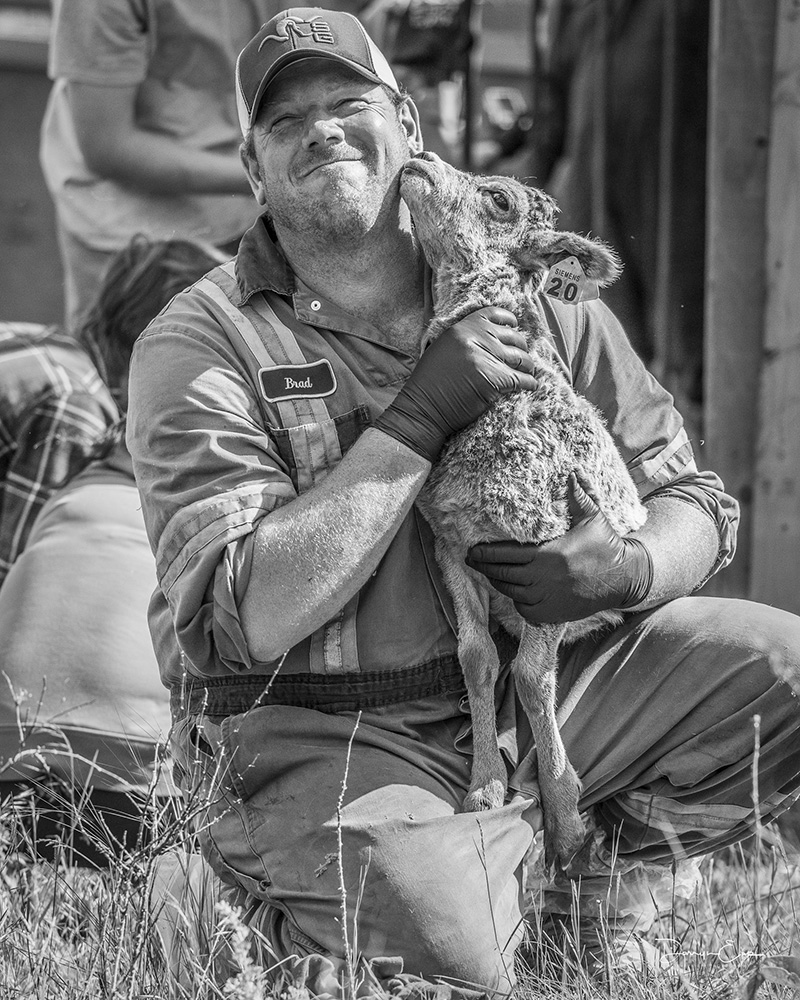
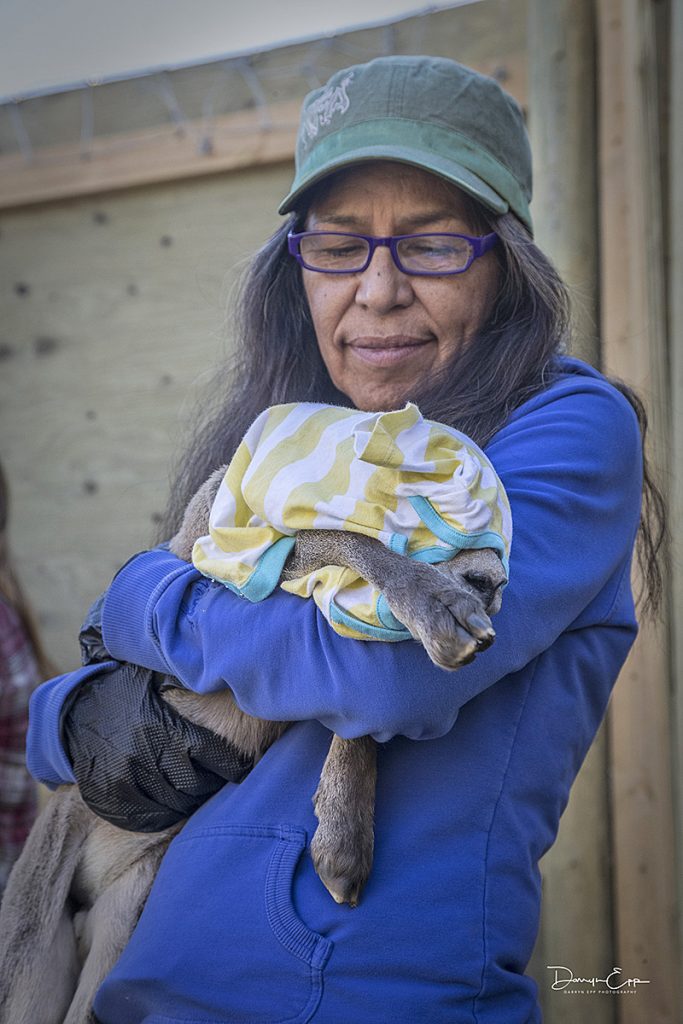
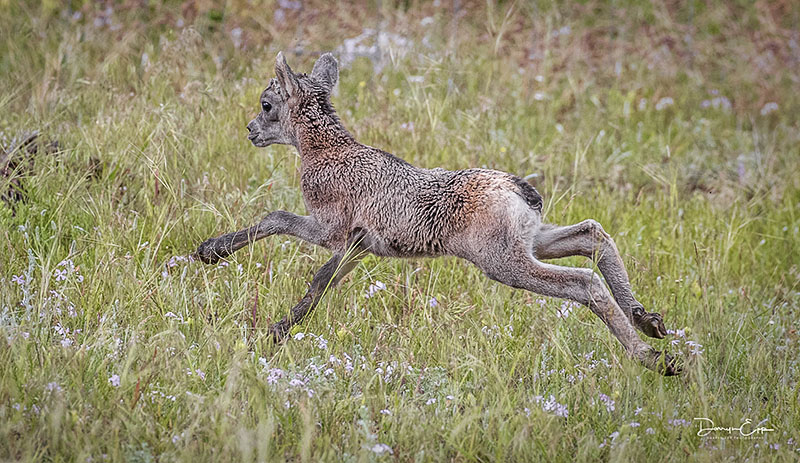
You don’t expect to get warm fuzzies from a project about mange, until you receive photos like this:


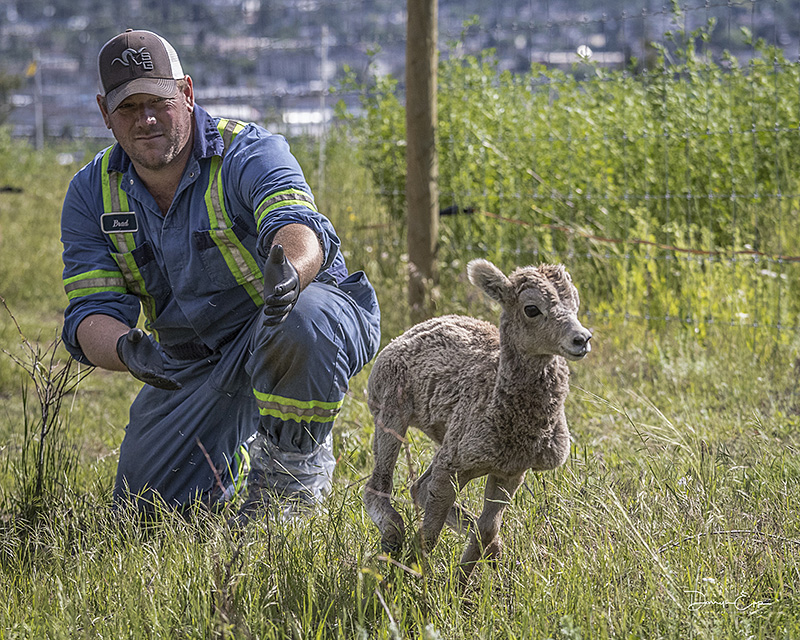
This little lamb is part of a herd of California bighorns were the test subjects in a project testing treatments for Psoroptes ovis, a microscopic mite that’s been causing big problems for some BC bighorns.

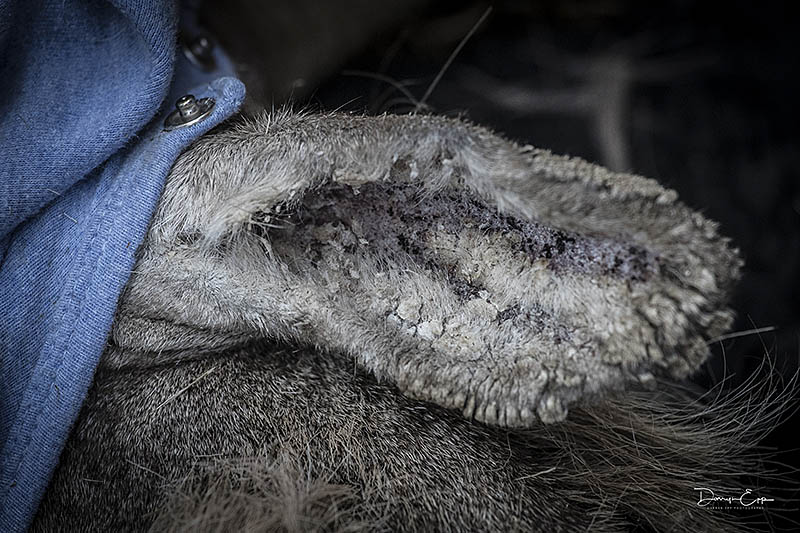
The first confirmed case of this highly contagious parasite was in the Similkameen Valley in 2011. Psoroptes ovis, also known as sheep scab or psoroptic mange, is highly irritating to infected sheep, causing ear crusting and in some individuals, itchiness that drives them to rub out their haircoat and develop sores. Psoroptic mange is thought to be at least partially responsible in the decline of the one infested bighorn herd in BC and numerous infested herds in the United States.

Not so cute: a closeup of the crusting caused by psoroptic mange on one of the bighorn sheep study subjects.

Prior to this project being conducted, the only way to effectively treat Psoroptes was through multiple applications of every animal in a herd of an anti-parasitic – hardly a practical solution when dealing with wild animals. The goal of this HCTF-funded project, carried out as a joint effort between the University of Saskatchewan, the Government of British Columbia, and the Penticton Indian Band, was to try to find a treatment that could be delivered in a long acting single dose, greatly reducing both animal stress and costs associated with having to capture every wild sheep in a herd multiple times.

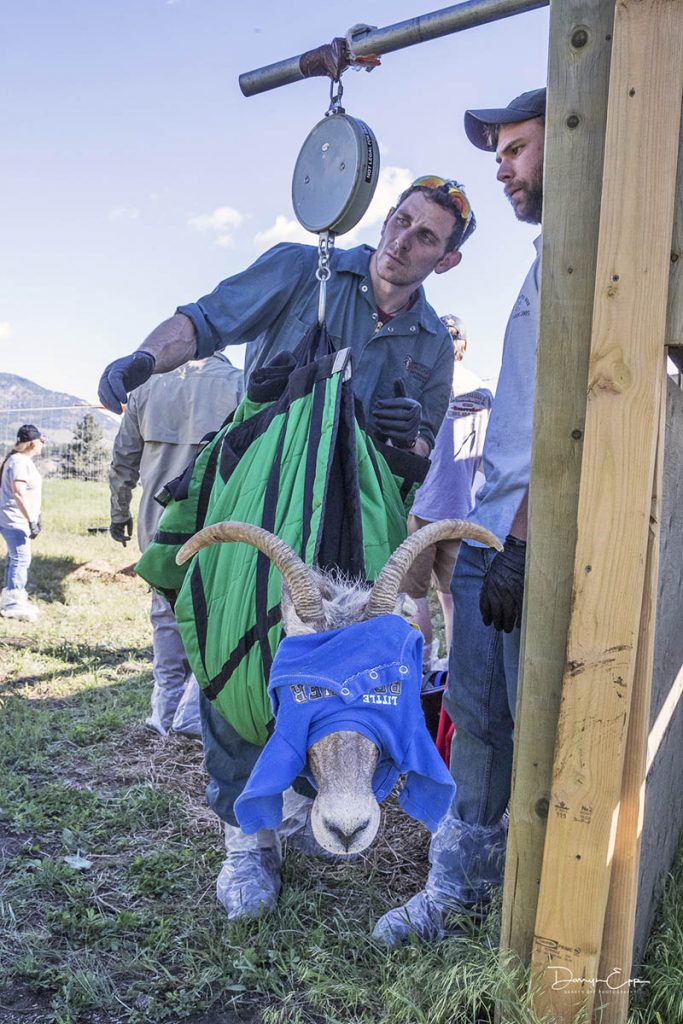
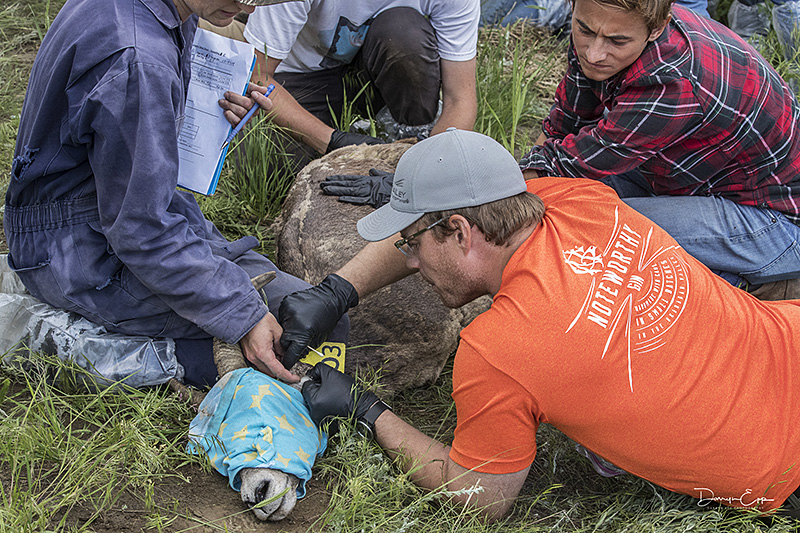
Onesie blindfolds are used to keep the sheep calm while they are weighed and treated.


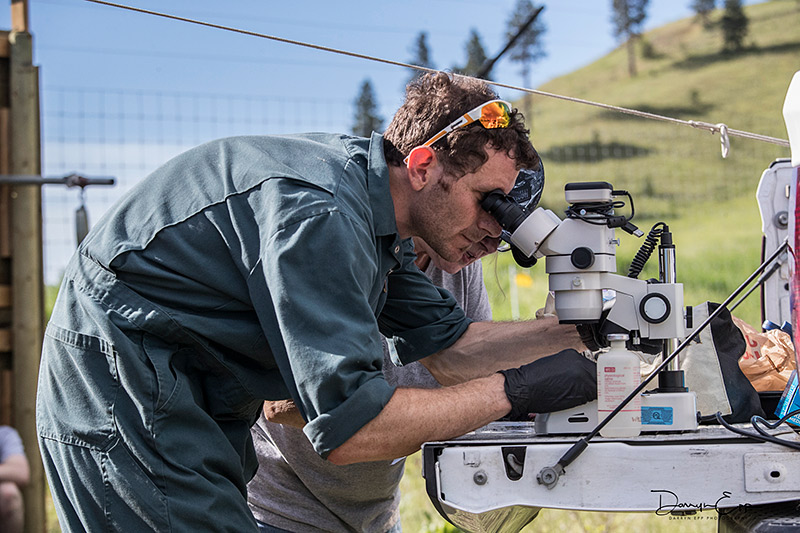
The first drug to be tested was LongrangeTM, an extended-release eprinomectin solution that had shown promise during pilot studies. In the winter of 2017, Adam and his team captured 18 naturally Psoroptes-infested bighorns from Penticton Indian Band lands and housed them in one of two purpose-built wildlife enclosures. While in the enclosures, the sheep were fed, watered and carefully monitored, with sampling monthly to track the success of the treatment. While there, some gave birth to bouncing bighorn lambs. Unfortunately, the LongrangeTM treatment proved ineffective, so Adam decided to try a second drug: fluralaner. In Canada, fluralaner is licenced under the brand name BravectoTM as an anti-tick and flea treatment for cats and dogs. Both topical and oral formulations were trialled and the oral formulation worked! No live mites were found in any ear crust samples collected from orally-treated sheep one month after treatment and ear lesions were also significantly reduced.

This project is also investigating where the infection in the Canadian herd originated and evaluating different methods of detecting disease in asymptomatic carriers to help prevent further spread of this parasite into currently uninfested Canadian herds.

Science in the field

Further research is needed to find out how long Bravecto-treated individuals would be protected from reinfection and to ensure drug safety at different dosages and for different animals before moving forward with administering the drug in the wild, but this project’s findings are a significant step forward in discovering an effective tool for managing – or even eradicating – psoroptic mange in bighorn sheep throughout North America. The bighorn sheep subjects were successfully released back into the wild (mange-free) at the conclusion of the testing.

Bighorn_lamb_bounding

All of the photos were taken by the very talented Darryn Epp. Thank you Darryn and Adam for sharing them with us!

Thu, 24 May 2018
Tags: Wildlife

Dough for Does – Grants, Donations and Volunteers Support the Southern Interior Mule Deer Project

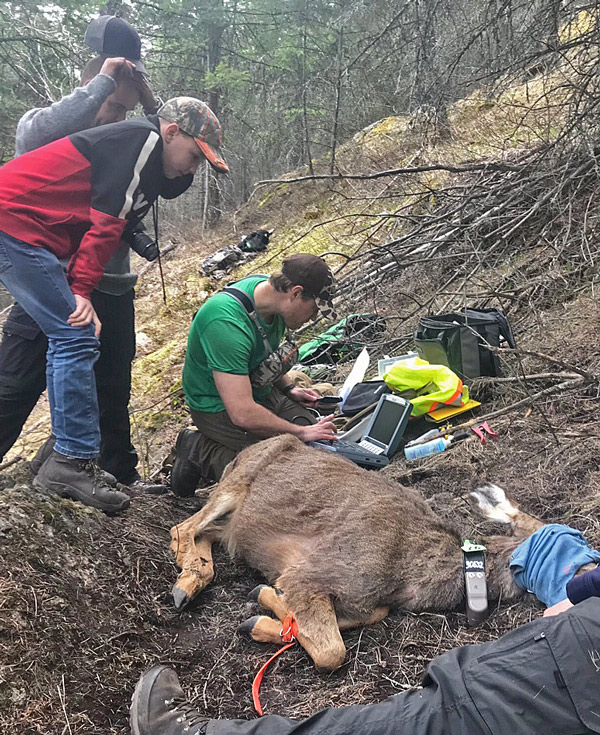
Southern Interior Mule Deer project volunteers collar a mule deer doe and use ultrasound to determine if she's pregnant.

A new, large-scale research project, involving multiple agencies and universities, has started to tackle one of the most pressing needs in wildlife management in British Columbia – how to understand and reverse declines of mule deer in the Southern Interior. With contributions from Indigenous people, the public, stakeholders, and industry, this project brings together cutting-edge research on deer ecology with multiple partnerships to advance both evidence and cooperative-based approaches to wildlife conservation.

“Mule deer declines have been a concern in portions of the southern interior since the 1960s, and decades of hunting regulation change have not reversed the declines,” said Jesse Zeman, Director of Fish and Wildlife Restoration, BC Wildlife Federation.

A combination of fire suppression, timber extraction, highways, urban sprawl and other factors affect the movement and size of mule deer populations in the Southern Interior of B.C. Sophie Gilbert, an Assistant Professor at the University of Idaho and co-investigator on the project, said, “in addition to landscape change, things like increases in competitor or predator species may also be affecting mule deer, as we’ve seen in other parts of western North America, and we want to identify which drivers are most important in the Southern Interior.”

Mule deer are essential for food security, Syilx (Okanagan) cultural practice and knowledge transfer, hunter opportunity, and are a ‘canary in the coal mine’ for B.C.’s ecosystems.

“What we have heard from Indigenous communities, ecologists, and resident hunters is that the decline of mule deer matters to them and the status quo is no longer sufficient,” said Dr. Adam T. Ford, Assistant Professor and Canada Research Chair in Wildlife Restoration Ecology at the University of British Columbia, Okanagan Campus and co-investigator on the project. “It is time we bring more science to bear on issues affecting wildlife in B.C.”

The B.C. Fish and Wildlife Branch, in collaboration with the BC Wildlife Federation, Okanagan Nation Alliance, volunteers and researchers at the University of British Columbia, and the University of Idaho, placed GPS tracking collars on 64 adult female mule deer (does) in the following areas: Kettle-Granby, Peachland/Garnet Valley, and Cache Creek/Elephant Hill fire.

There are an additional 33 adult female mule deer collared in the Kootenay study area.

Of the 64 deer captured in 2018, ultrasounds were used to assess pregnancy rates and general health on 56 does greater than one year of age. The project team found a 98 percent pregnancy rate, at least 80 percent of those does were carrying twins. Does and their offspring (fawns) are what drive deer population change, which is why the project is focusing on them.

The GPS collars in the Kettle-Granby, Peachland/Garnet Valley, and Cache Creek study areas track the deer movements every 4.25 hours and provide information on the deers’ habitat use, how they move across the landscape, which areas they avoid, when and how they die. When a collar is no longer moving, a message gets sent to the project team which allows them to investigate factors contributing to the animal’s death.

In addition to the collars, at least 200 remote cameras will be deployed in the project areas to provide an understanding of how other animals (predators, prey, and people) interact with mule deer. The cameras will also provide recruitment data (fawn survival) and sex ratios (buck: doe), and potentially help count mule deer and other large mammals.

This fall the group expects to place GPS collars on a minimum of 60 mule deer fawns and will also incorporate vegetation monitoring (food availability).

To date, nearly $300,000 in direct funding has been contributed to the project through multiple sources including, BC Wildlife Federation Clubs and partners, corporate donors, Habitat Conservation Trust Foundation, B.C. Fish and Wildlife Branch, Ministry of Transportation, and B.C. Timber Sales. The project has also confirmed over $500,000 of in-kind support from collaborators, particularly project volunteers and the University of B.C. Okanagan and University of Idaho.

“While there has been tremendous community support, the project still requires additional financial and in-kind support to fund the remaining four years of the project,” said Jesse Zeman. “Please go to the BC Wildlife Federation website to make a donation and receive a tax credit receipt, get updates, or learn about volunteer opportunities for the project.” People can also donate directly to the Okanagan Nation Alliance


Tue, 24 Apr 2018
Tags: Wildlife

Fisher Habitat Extension Program wins Silver Award

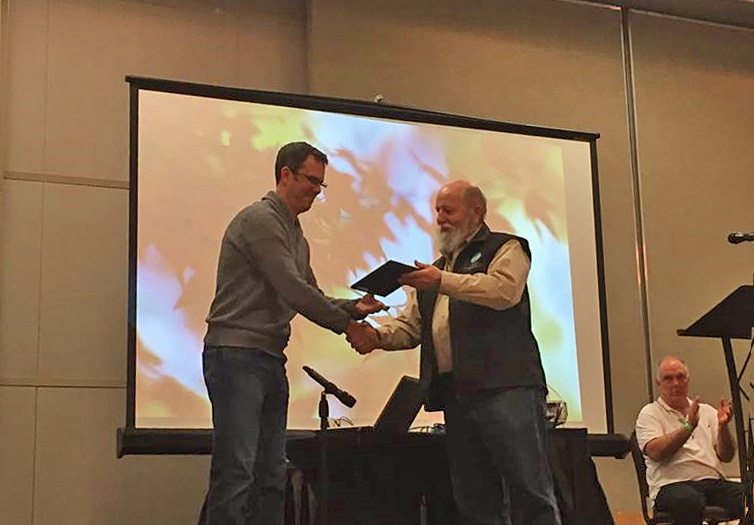
Rich Weir is awarded the Silver Award by HCTF Board member Don Wilkins

HCTF project leader Rich Weir has been awarded the HCTF Silver Award for the Fisher Habitat Conservation Provincial Extension Program. This extension project has made great strides in increasing forest managers’ awareness of fishers and their habitat needs.

“Forest management has the single largest human-caused effect on the sustainability of fisher habitat in British Columbia,” says Weir, who is a carnivore conservation specialist with BC’s Ministry of Environment. “It accounts for over 120,000 ha of habitat changes within the range of fishers each year. Fortunately, opportunities exist during all phases of forest management to incorporate decisions that may positively affect the supply of habitats for fishers.”

The program organizes forest planning workshops for licensees, government regulators, and contractors working in areas where fishers live. Workshop participants learn how to identify fisher habitat and how they can help meet habitat retention targets within their operations. The program has also developed information and tools for timber cruising crews, layout personnel, operational foresters, machine operators, and others who make fine-scale forest management decisions that affect the future supply of habitat for fishers. Learning resources and tools are available on the program’s website at https://www.bcfisherhabitat.ca/

The Silver Award was created in 2006 in honour of HCTF’s 25th anniversary and in recognition of the contributions of long-time manager, Rod Silver. It is awarded to projects that have truly made a difference for conservation in BC and that best exemplify the work of the Foundation.

Wed, 16 Aug 2017

Photos of Englishman River Estuary Restoration

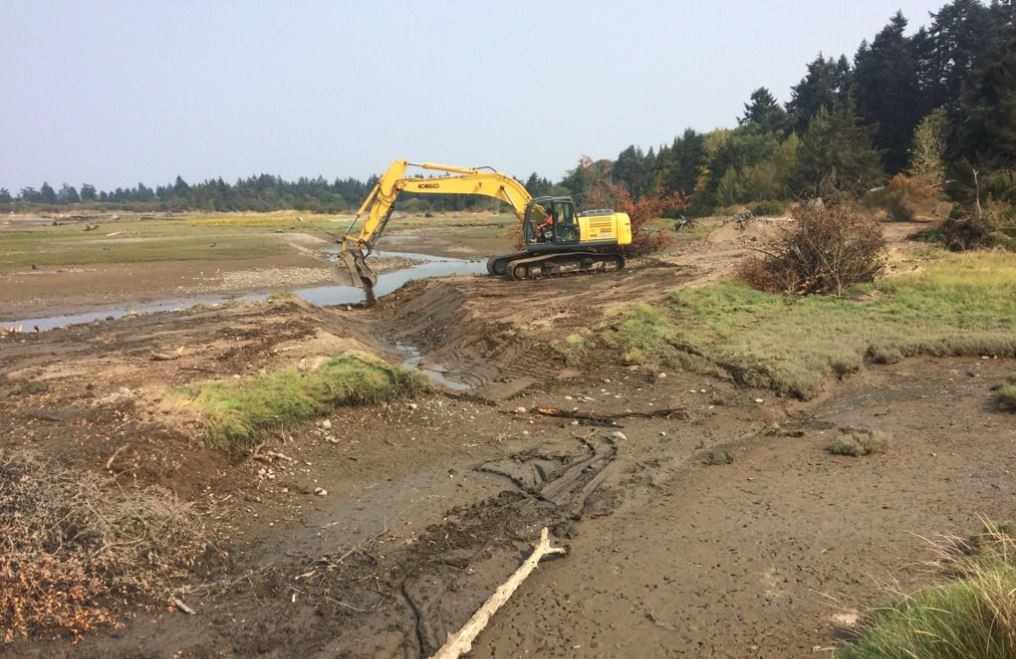
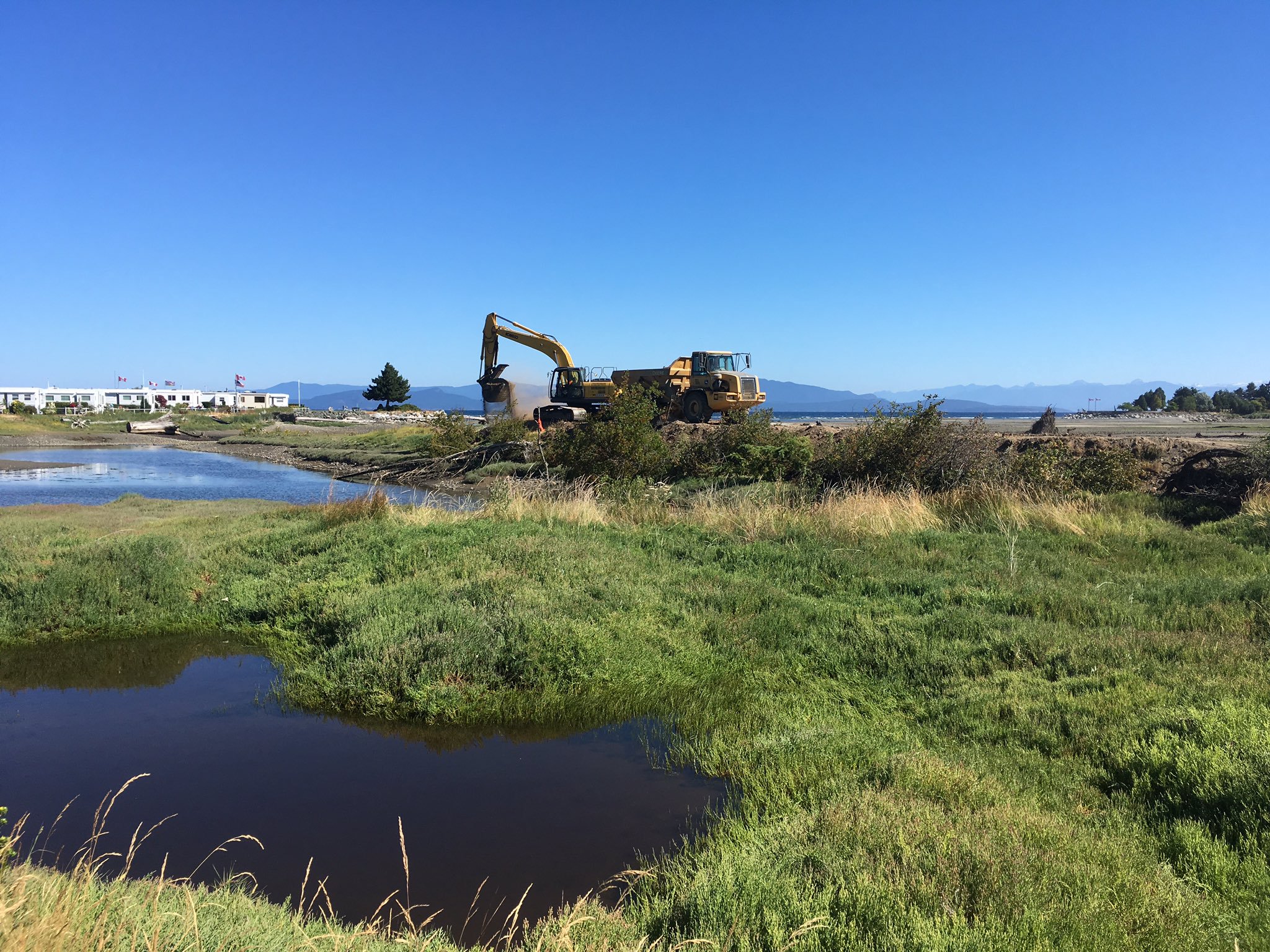
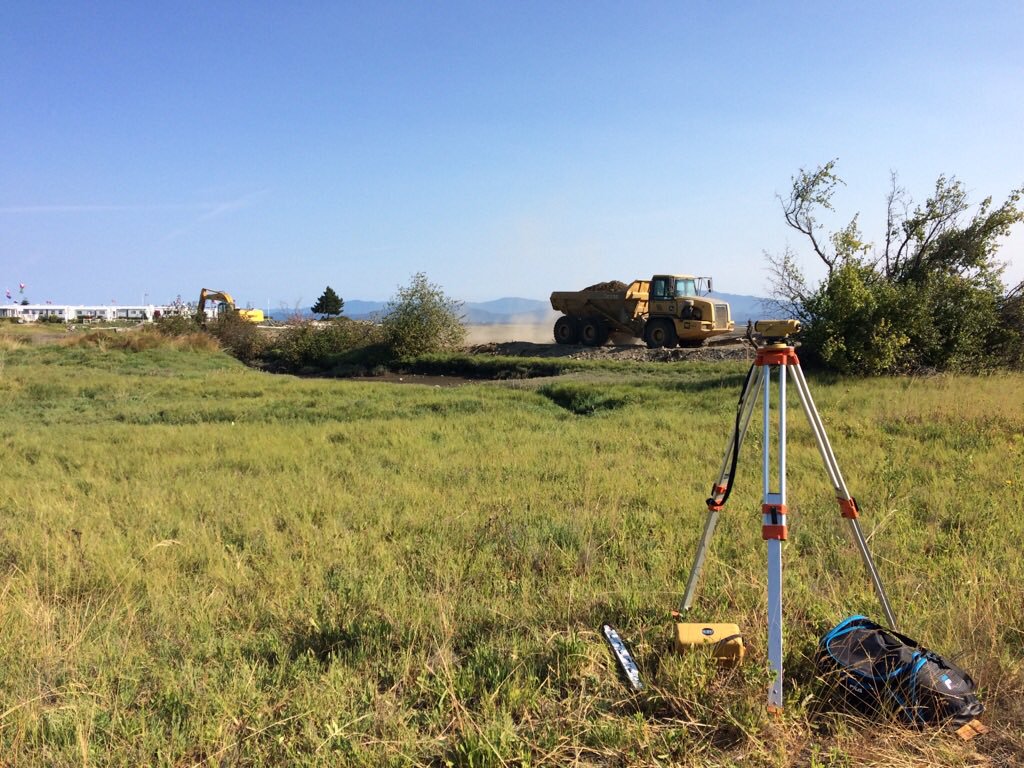
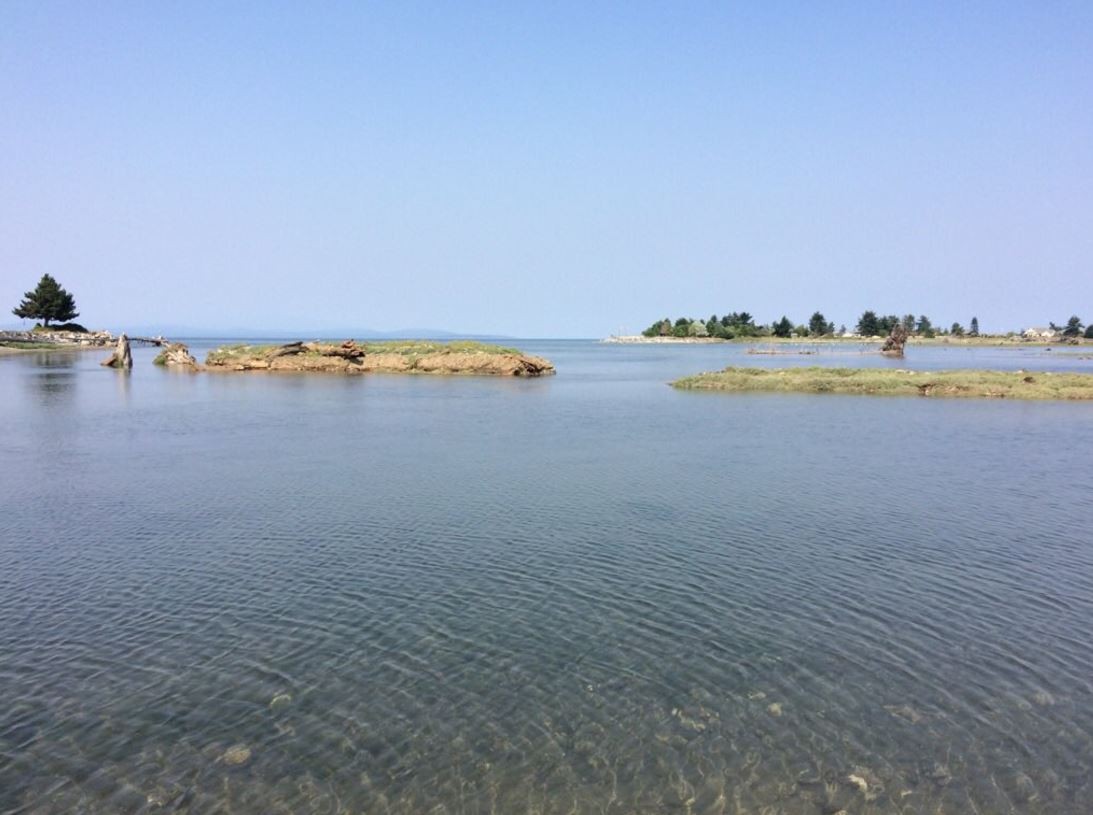
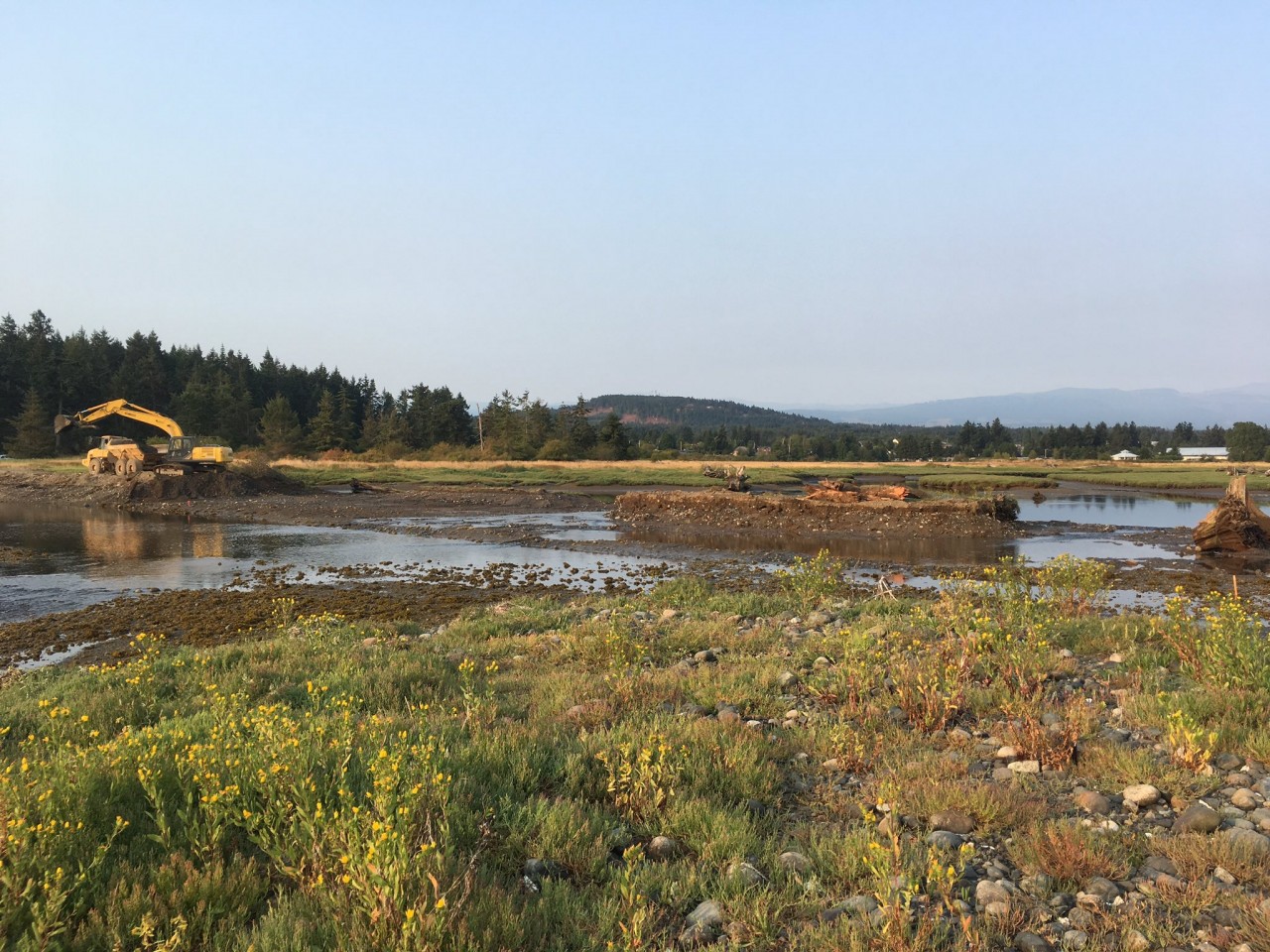
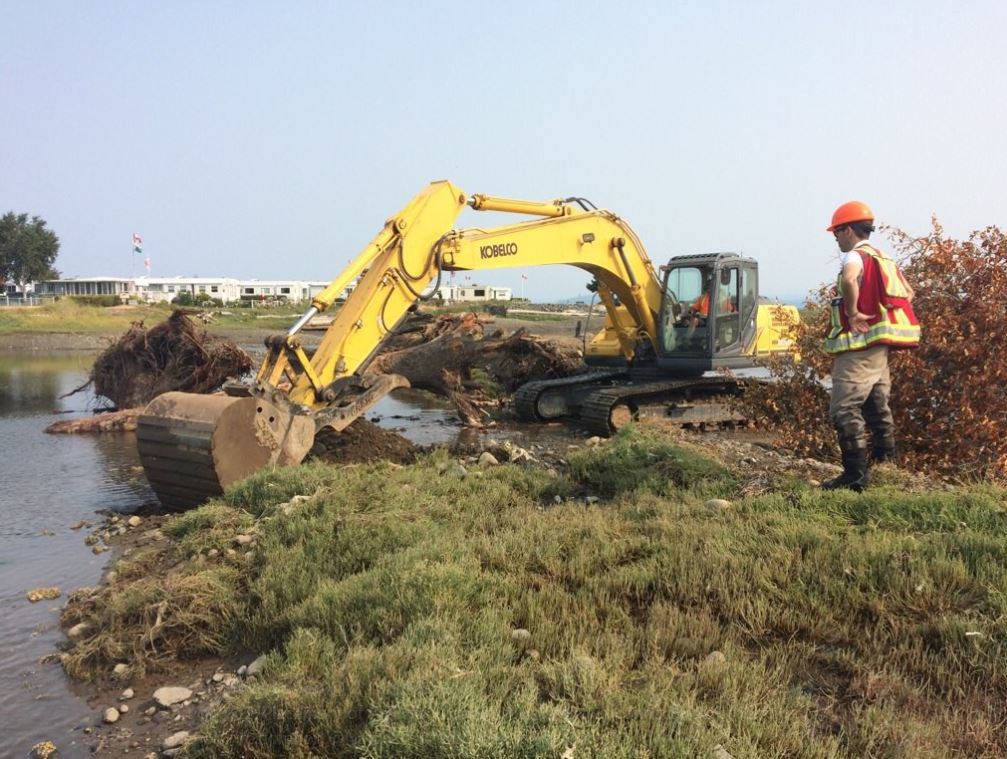
We love to receive photos of our grant recipients’ conservation projects, and the Vancouver Island Conservation Lands Management Program (VICLMP), in conjunction with The Nature Trust of BC, has been doing a fantastic job of capturing and sharing their progress in restoring the Englishman River Estuary in Parksville, BC. Thanks to Tom Reid, VICLMP Manager, for these images.

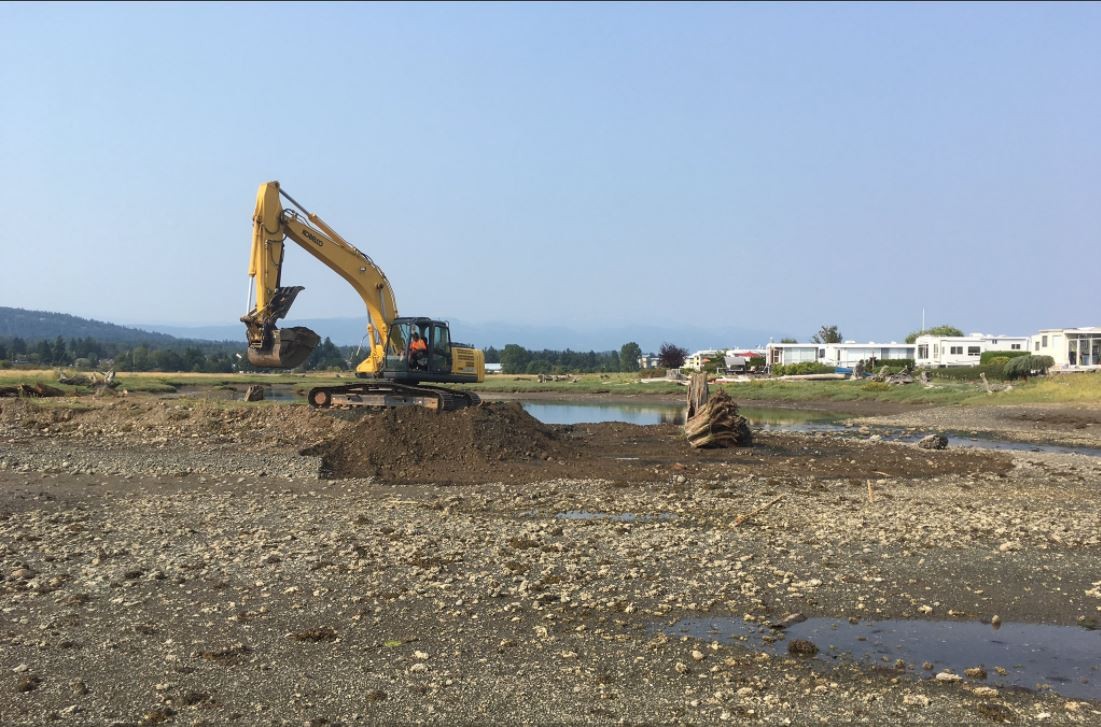
Day 1: Removing the remnant roadway that bisected the estuary.

Day 2: Road removal continues

Day 3: 1500 cubic metres of fill removed…

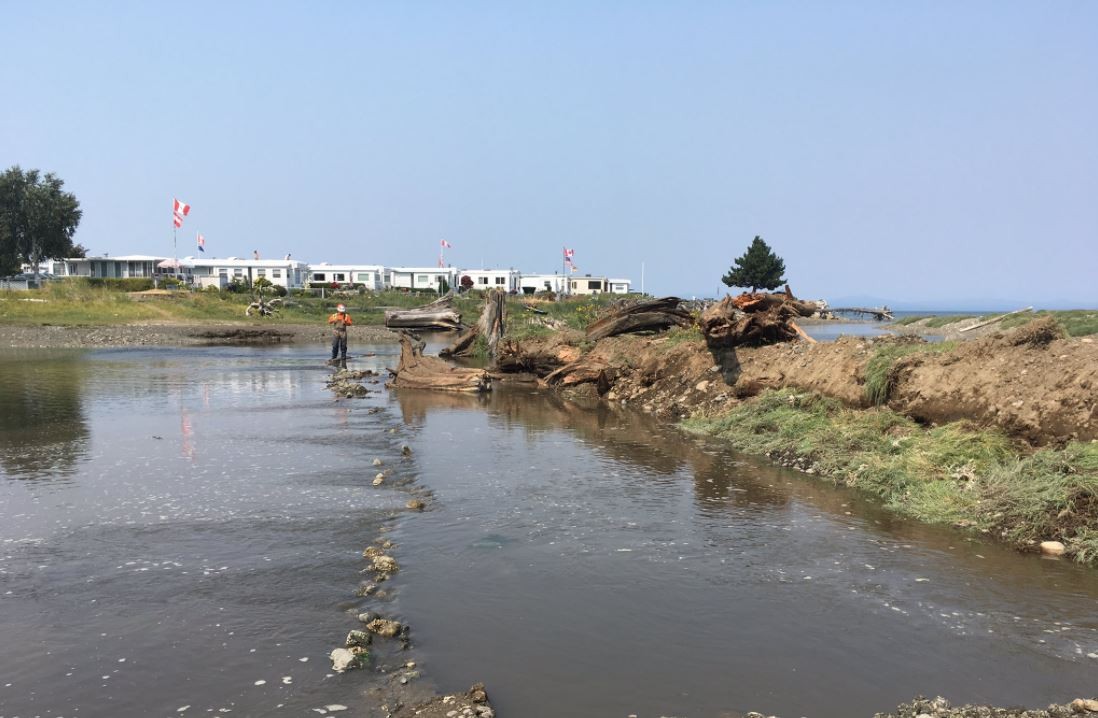
Resulting in water flowing through this area of the Englishman Estuary for the first time in over 50 years!

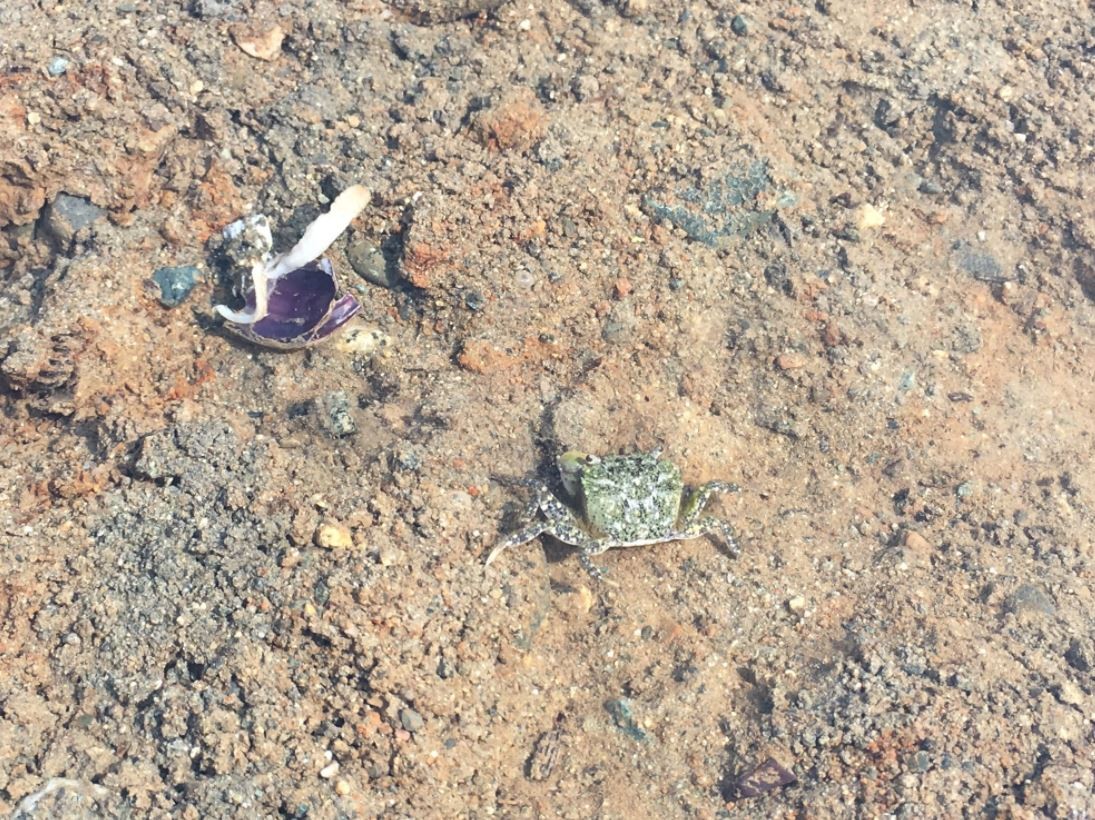
The next day, the first new occupants are already moving in.

By the end of day 4, the team has removed 2500m3 of fill.

Day 5: An early start, but more than half way there.

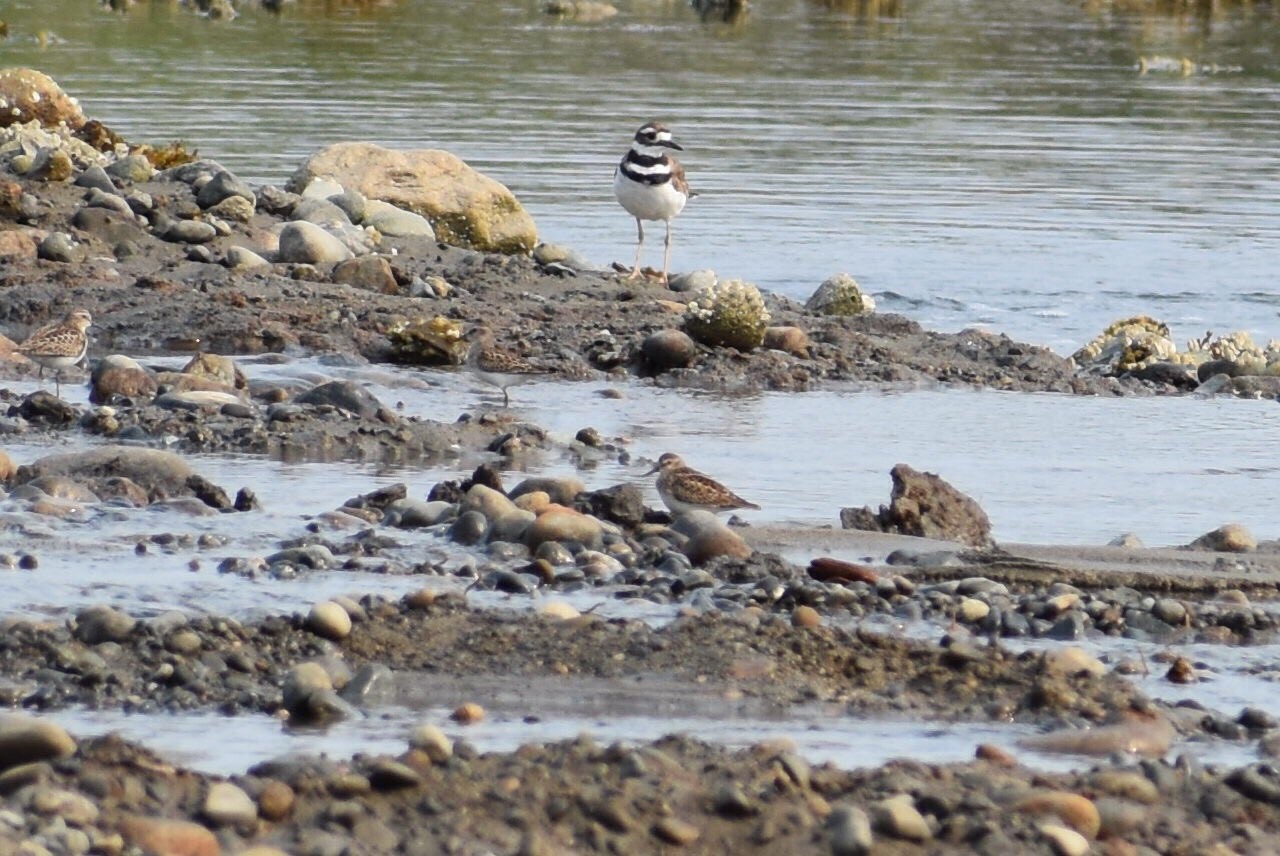
Shorebirds come to check out the newly restored area:

Week 2: Placement of large woody debris for fish habitat and connecting the channels.

By the end of week 2, 3500 cubic metres of fill had been removed, channels connected, and fish habitat structures installed. Great job!

You can read more about the Englishman River Estuary Restoration Project here, or follow VICLMP on twitter for more updates on this project.

Tue, 30 May 2017

BC Fisher Habitat Website

The BC Fisher Habitat Working Group has just launched a new website to assist BC forest licensees and their contractors to identify and retain important fisher habitat.

The site allows forest practitioners to download information and tools specific to their location and operational focus. The site includes:

– spatial data that lets planning foresters identify habitats and retention targets for harvested areas

– pictorial guides to help on-the-ground field crews identify trees and other habitats important to fishers, and

– field guides to help operational staff retain fisher habitat in their day-to-day activities.

The web site is also designed for use by trappers, First Nations, and other people who are interested in learning more about fisher conservation.

Visit the BC Fisher Habitat Website

The Habitat Conservation Trust Foundation is proud to be a major funder of this extension project.