Wed, 6 Sep 2023

Morrison Creek Headwaters acquisition ensures protection of rare fish species

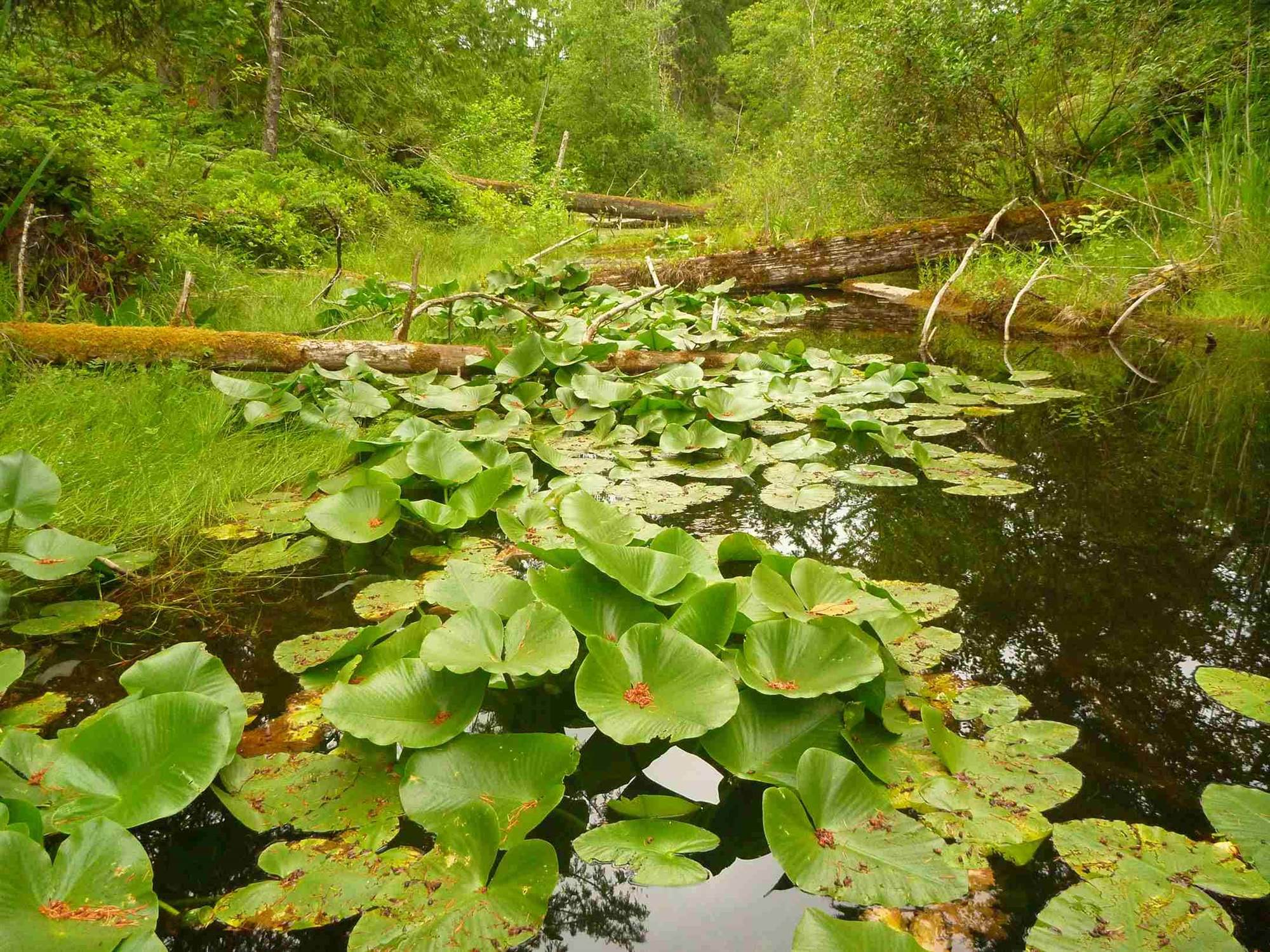
A lily pond in the Morrison Creek Headwaters - photo from Comox Valley Land Trust

The Comox Valley Land Trust (CVLT), in collaboration with the BC Parks Foundation, recently announced the acquisition of 275ha of land to create the Morrison Headwaters conservation area on Vancouver Island.

Located near the Village of Cumberland in the Comox Valley Regional District and within the traditional territory of the K’ómoks First Nation, this project acquired nearly all the unprotected land in the headwaters of the watershed.
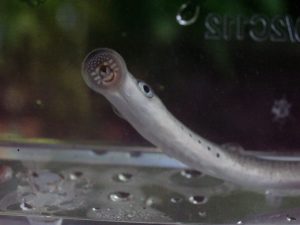
A Morrison Creek Lamprey – photo from Comox Valley Land Trust

The streams of the creek provide spawning and rearing habitat for an abundant run of Coho salmon, occasional spawning of Pink and Chum salmon, and habitat for several trout species such as Rainbow, Cutthroat, and Dolly Varden. Perhaps most notable though is that Morrison Creek and its tributary streams are Critical Habitat for the Morrison Creek Lamprey, a rare form of Western Brook Lamprey. The Morrison Creek Lamprey is listed as Endangered on the Species-At-Risk schedule 1 as it exists only in Morrison Creek, and the headwaters area now protects the vast majority of its habitat.

“The acquisition of the Morrison Creek headwaters by the Comox Valley Land Trust (CVLT) and BC Parks Foundation (BCPF) with the support of HCTF is a remarkable achievement that significantly advances conservation in regionally and globally significant ways. At 680-acres, the headwaters of Morrison Creek includes a complex of riparian areas, streams, springs and wetlands along with associated upland forests,” says Tim Ennis, Executive Director of the CVLT.
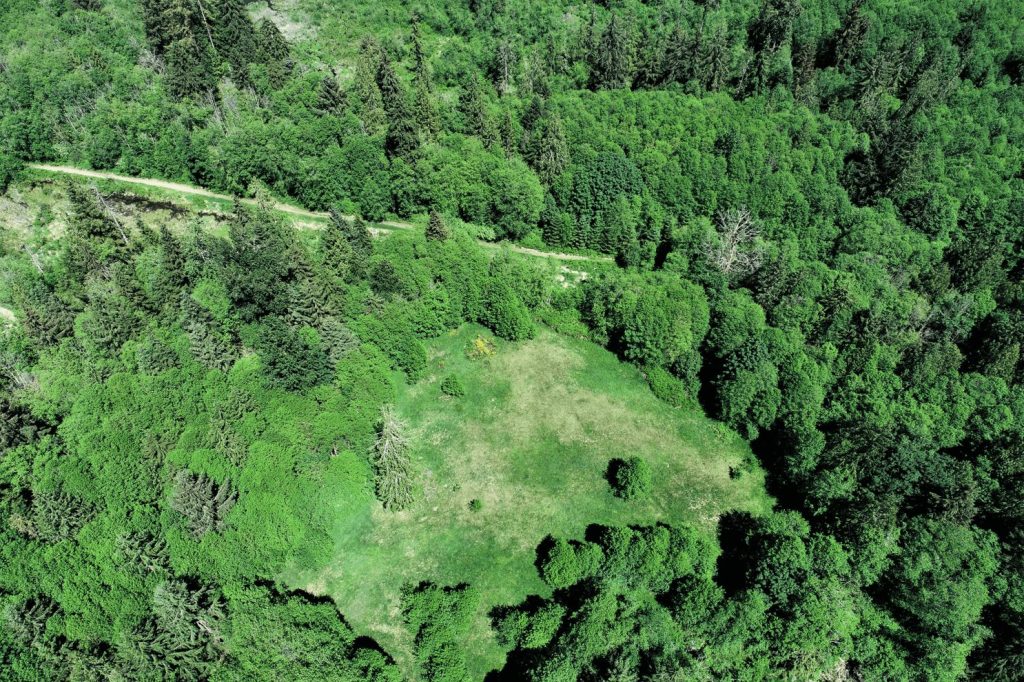
Morrison Creek – photo from Comox Valley Land Trust

“The somewhat overlooked area nestled between the City of Courtenay and Village of Cumberland is an important refugium for wildlife of all kinds, from bears and cougar to deer, birds, butterflies, bats, amphibians and reptiles. The land is now protected forever as a conservation area.”

Since 1981, HCTF has helped secure valuable habitat in British Columbia through conservation land acquisitions. With incredible biological diversity, B.C. is home to more vertebrates than any other province in Canada and over 600 ecosystem types; acquisition of conservation lands like the Morrison Headwaters is an effective, though difficult, means of protecting fish, wildlife, and their habitats.

The Comox Valley Land Trust formed in 1999 to promote, protect, conserve, and restore the land, waters, and habitat of the Comox Valley. It now protects approximately 600 hectares of ecological significance.

This project was made possible through the partnership of the Comox Valley Land Trust and BC Parks Foundation, with funding from Environment and Climate Change Canada, Sitka Foundation, the Habitat Conservation Trust Foundation, the Pacific Salmon Foundation, the Courtenay Fish and Game Protective Association, B.C. Hydro’s Fish & wildlife Compensation Program, and over $500,000 from other individuals and organizations through a fundraiser.



Wed, 22 Mar 2023
Tags: Caribou / News / Wildlife

Additions to our Caribou Program

As our Caribou Program expands, we have added two new roles to support growth and initiatives.

First, we are happy to welcome Jack Olson, Indigenous Inclusion Coordinator!

“My name is Jack Olson and I live in Kelowna. My original homeland territory is the Norway House Kino Sipi Cree Nation which is in the central region of Manitoba. I have a Bachelor of Arts degree from the University of Winnipeg with an Indigenous Studies major, along with an Indigenous Community Counseling Certificate from the University of Manitoba. My work experience includes several roles within Indigenous communities as education counselor, social worker, and environmental consultant. As I learn and familiarize myself with my role as Indigenous Inclusion Coordinator with HCTF, I’m grateful to be working closely with a dedicated group of professionals.

During the summer I like to spend weekends fishing and camping with family and friends. Although I do not engage in the sport of hunting waterfowl as when I lived in Norway House some years ago, I respect and support the choice of those who engage in and enjoy these time-honored outdoor activities.

Ekosani, Meegwetch … All my relations!”

Secondly, we are excited to have Lisa Wielinga join our Caribou Program! Lisa moves from HCTF Grants Officer to Caribou Program Officer and will be supporting Sophia and Jack on a number of initiatives and exciting plans for the program. Lisa holds a Bachelor of Arts degree from the University of Victoria, with a double major in Environmental Studies and Anthropology, as well as a Project Management Certificate from Mount Royal University. Her background includes experience within government, consulting, and non-profit organizations where she provided environmental outreach and project management support. Lisa is excited about this opportunity to support the conservation of caribou in British Columbia.


Wed, 15 Mar 2023

Preliminary Approved Project List 2023-24

A preliminary list of HCTF approved projects for 2023-24 is now available.

Preliminary Approved Project List 2023-24

Projects included on this preliminary list have been approved in principle but may have reduced budgets or funding conditions. All applicants will receive official notification emails including HCTF Board and technical committee comments. For approved projects, these emails will include the grant amount and funding conditions (if applicable). Please note that HCTF staff cannot provide further information to you before the Notifications are issued.

Proponents of approved projects will receive a Conditional Grant Agreement. Please be aware that until both you and HCTF have reviewed, accepted and signed the Conditional Grant Agreement, there is no confirmation of funding and no legal commitment in place.

Congratulations to all successful proponents! To those applicants who were not funded this time, thank you for your interest. The next opportunity to apply for an HCTF Enhancement and Restoration, Stewardship or Caribou Habitat Restoration Grant will be Fall of 2023 (Deadline: Friday November 3, 2023).

How are Grant Applications Reviewed?

Each proposal undergoes a multi-level, objective technical review prior to final Board decisions. For more information on what reviewers look for when evaluating a proposal, see our Grant Apply page.

Wed, 21 Sep 2022

Now Accepting Conservation Grant Proposals for 2023-2024

Habitat Conservation Trust Foundation is now accepting applications for Enhancement/Restoration & Stewardship (ERS) grants, and Caribou Habitat Restoration Fund (CHRF) grants. Applications must be submitted through HCTF’s online application system by 4:30pm on November 4th, 2022 (PST).

HCTF is not accepting New Stewardship proposals in Fall 2022 (Continuing and New Phase proposals will still be accepted). Our Stewardship grant is undergoing an update to better integrate with other HCTF grant programs. This will improve clarity and criteria for proponents as well as streamline the application process.

Please visit our FAQ page to find useful tips for the online Survey Apply system. Our updated 2023-24 ERS and CHRF Guidance documents are also available on the website.

Before beginning your application on the Survey Apply system, we strongly recommend that you complete your application on the Word worksheets posted on our website. Once completed you can copy-and-paste your answers into the online form. The worksheets also provide a useful overview of the questions and information requirements. Please note that HCTF cannot accept applications submitted by email.

Each year, Habitat Conservation Trust Foundation provides approximately $6 million dollars in Enhancement and Restoration grants to help fund projects that support the conservation of British Columbia’s native freshwater fish, wildlife, and their habitats. Since the inception of our work in 1981, the Foundation and its predecessors have invested over $189 million in more than 2980 projects across BC.

HCTF continues to partner with the Forest Enhancement Society of BC (FESBC) to meet shared conservation objectives through co-investments in conservation projects administered through HCTF. The CHRF program is made possible by contributions from both the BC Ministry of Land Water and Resource Stewardship and Environment and Climate Change Canada.

For questions related to Enhancement/Restoration and Stewardship grants, please contact Lisa Wielinga at Lisa.Wielinga@hctf.ca or 250-940-9781.

For questions related to CHRF, please contact Sophia Cuthbert at Sophia.Cuthbert@hctf.ca or 250-940-9789.

Fri, 13 Dec 2019

COSEWIC Announces 21 Newly Assessed Species-At-Risk

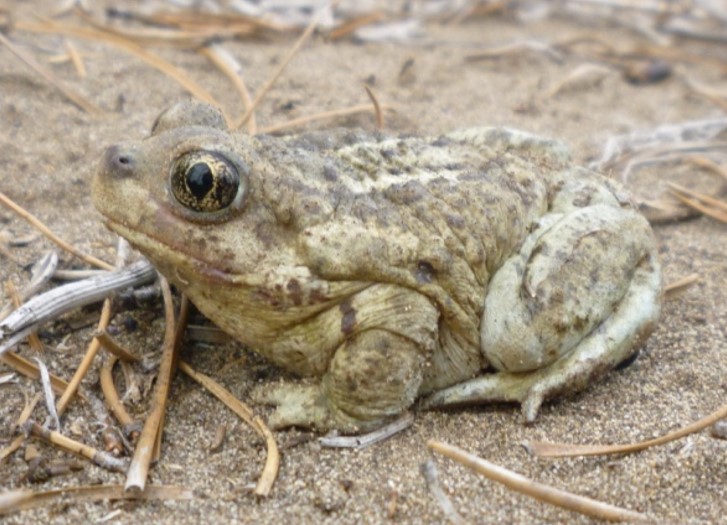
Great Basin Spadefoot (courtesy of Jocelyn Garner, Karl Larsen & Roger Packham)

This past week the Committee on the Status of Endangered Wildlife in Canada (COSEWIC) released the results of its November species assessment. In this most recent COSEWIC review, 21 unique Canadian flora and fauna were added to the national list of species at risk of extinction in categories ranging from “Special Concern” to “Endangered”. Given the unique habitats and wealth of species biodiversity in our province, the largest proportion of these species can be found right here in British Columbia.

Of the 8 newly recognized species-at-risk occurring in BC, the Western Harvest Mouse’s megalotis population, Great Basin Spadefoot toad, Slender Yoke-Moss, and 3 species of Sculpin are found nowhere else in Canada. In particular, the Slender Yoke-Moss’s entire global range is known to occupy a single square meter of limestone cliff on Haida Gwaii. While the Great Basin Spadefoot’s range extends widely into the United States but the the species is experiencing rapid habitat loss in its northern habitat due to increased human development throughout the Okanagan Valley. These decreasing populations are indicative of the wider threats facing species and habitats across British Columbia and the world. Through the Habitat Acquisition Grants program the Habitat Conservation Trust Foundation (HCTF) helps conservation organizations and communities protect and maintain vulnerable habitats throughout BC. Securing important and increasingly under pressure habitat types (such as wetlands & grasslands) is an important first step in giving species-at-risk and the ecosystems they occupy the opportunity to recover.

This newest list of assessed species is notable for the abundance of smaller, less well studied species. Although we typically hear about more charismatic species such as caribou and other large mammals it is important to recognize that British Columbia (much like the rest of the planet) is experiencing general biodiversity loss among all species. When developing conservation projects and planning habitat protection efforts it is important to remember that each species in a habitat has an important role to play within the larger ecosystem. Loss of biodiversity in any given ecosystem can significantly impact that habitat’s ability to resist threats and impacts of climate change.

For more information on the efforts being taken to conserve BC’s unique and diverse ecosystems, as well as tips on how you can get involved in efforts to conserve habitats and species in your own backyard stay tuned to the HCTF’s blog at https://hctf.ca/blog/.